Alphabet sequencing Letter Recognition Worksheets for 6-Year-Olds
5 filtered results
-
From - To
Enhance your 6-year-old's letter recognition skills with our engaging Alphabet Sequencing Letter Recognition Worksheets! These specially designed worksheets provide kids with a fun and interactive way to learn the order of the alphabet while improving their cognitive abilities. Through a variety of activities such as tracing, matching, and sequencing letters, children gain confidence in identifying each letter. Our curriculum aligns with educational standards, making it perfect for both at-home learning and classroom use. Stimulate your child's love for learning and set a strong foundation for reading with our captivating worksheets that empower young learners to master the alphabet effortlessly!
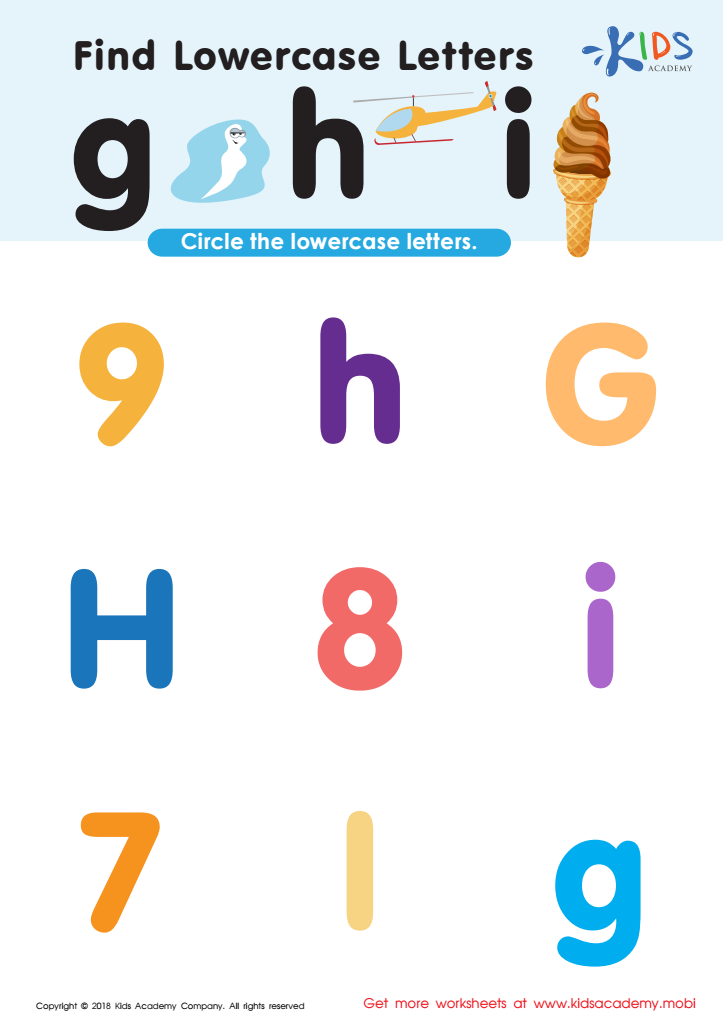
Find Lowercase Letters g h i Worksheet
 Assign to My Students
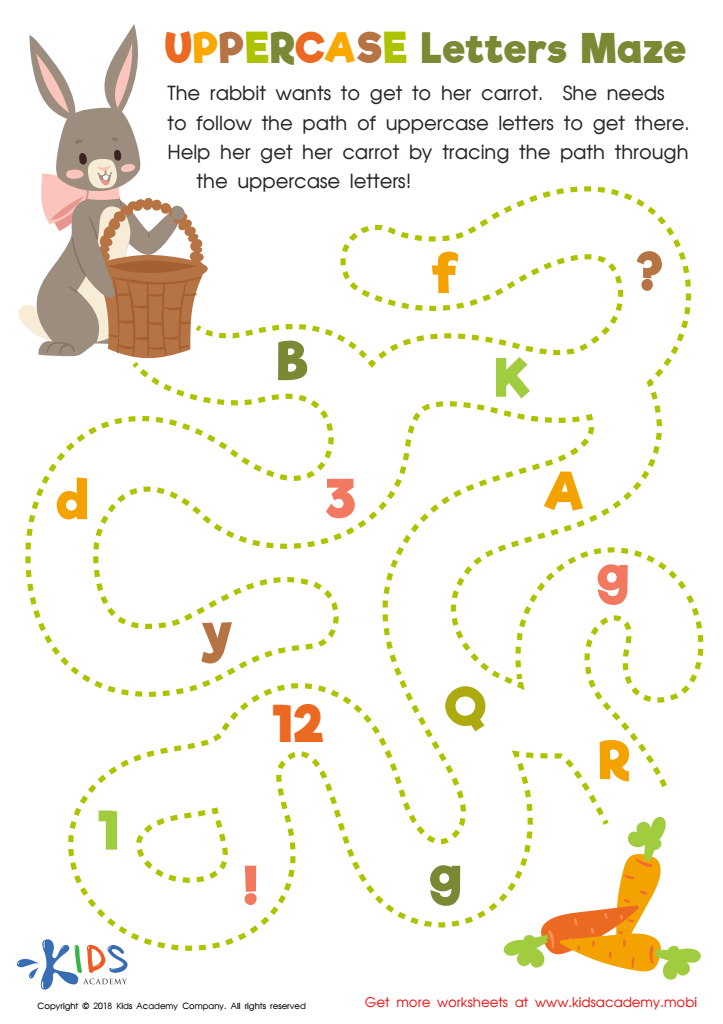
Uppercase Letters Maze Worksheet
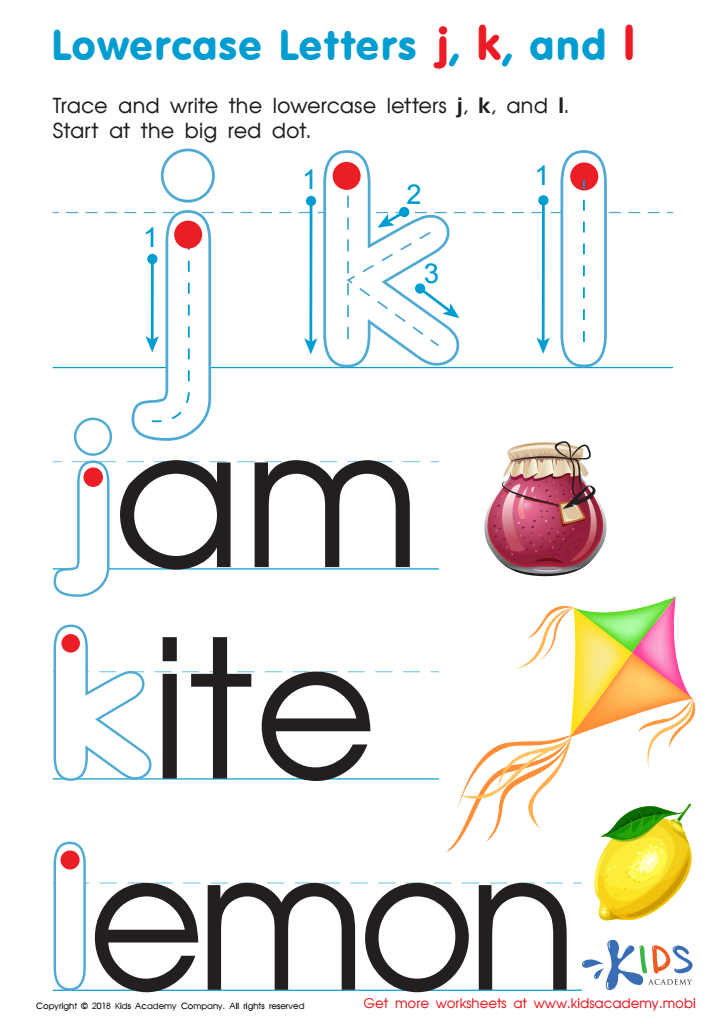
Lowercase Letters j k l Worksheet
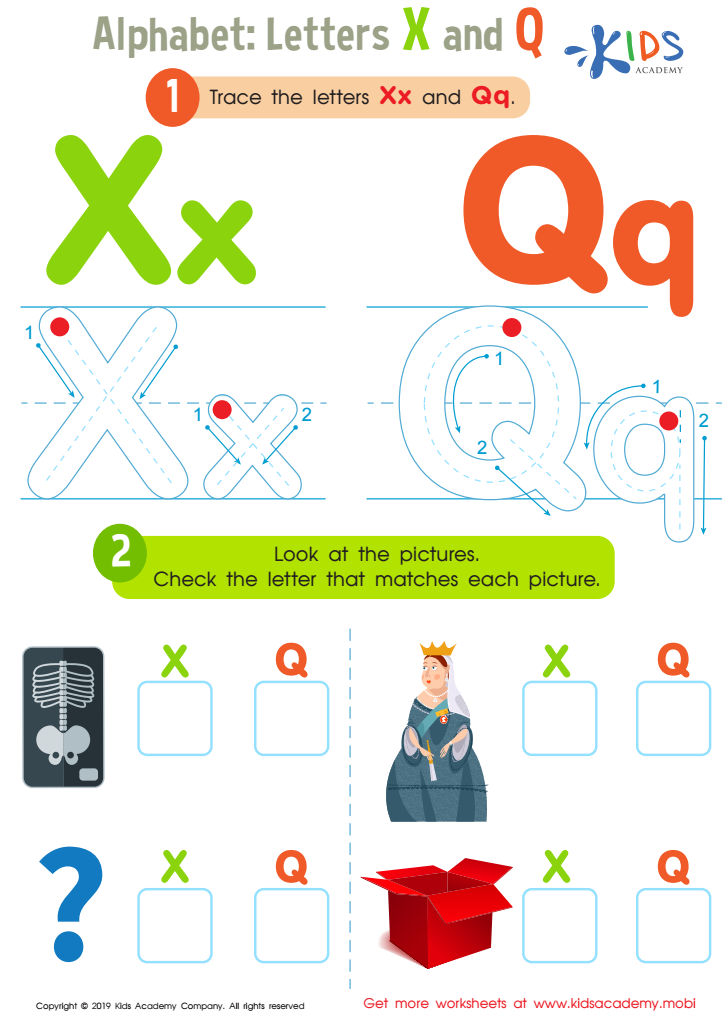
Letters X and Q Tracing Worksheet
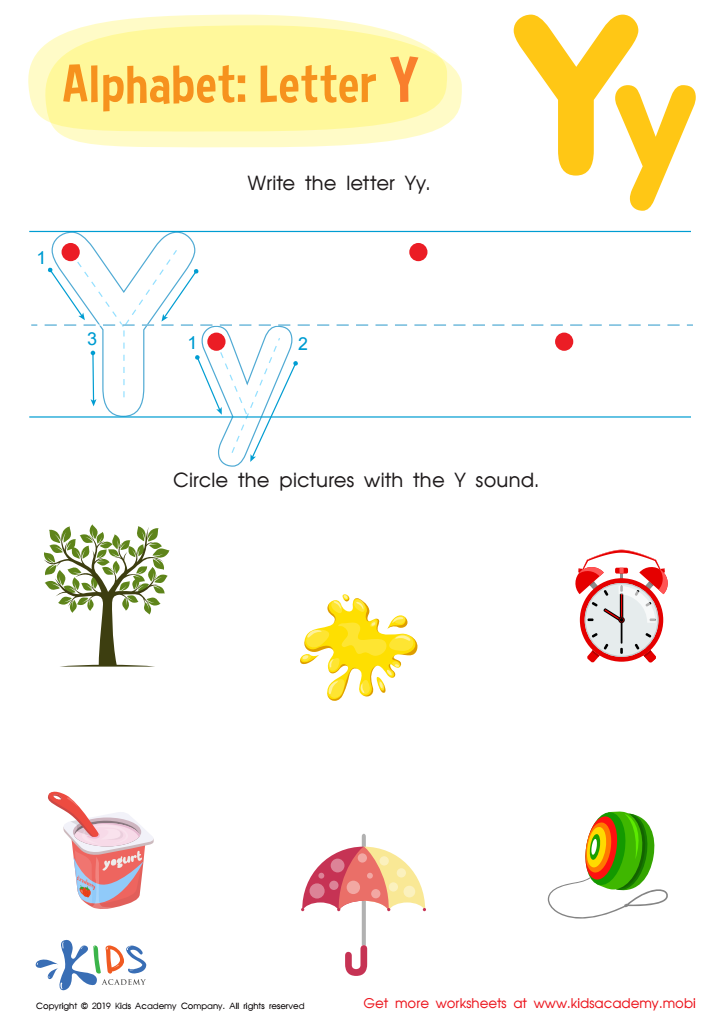
Letter Y Tracing Worksheet








Alphabet sequencing and letter recognition are fundamental skills for 6-year-olds as they form the backbone of literacy development. At this age, children are beginning to discover the connection between letters and sounds, paving the way for reading and writing proficiency. Understanding the alphabet's sequence helps children recognize letters, improving their ability to decode words and comprehend written texts.
For parents and teachers, fostering these skills is vital for several reasons. Firstly, mastery of letter recognition contributes to a child’s confidence in their reading abilities, which can positively impact their self-esteem and enthusiasm for learning. Secondly, early proficiency in alphabet knowledge is a strong predictor of future reading success: children who are familiar with letter names and sounds transition into fluent readers more smoothly.
Additionally, when children can efficiently sequence letters, they develop better organizational skills, essential in both academic settings and daily life. Effective communication with parents and teachers about the foundations of literacy will optimize each child's learning experience, ensuring they receive the support tailored to their evolving needs. Ultimately, prioritizing alphabet sequencing and letter recognition lays a strong groundwork for a lifelong love of reading and learning.







