Letter-sound association Upper & Lowercase Letters Worksheets for 6-Year-Olds
3 filtered results
-
From - To
Discover engaging and educational Letter-Sound Association worksheets designed specifically for 6-year-olds! Our printable resources focus on both uppercase and lowercase letters, helping young learners master the foundational skills of reading and writing. These interactive worksheets encourage children to connect letters with their corresponding sounds through fun activities, fostering phonemic awareness and vocabulary development. Perfect for home or classroom use, these worksheets offer a variety of exercises that keep kids motivated while they learn. Support your child's literacy journey with our meticulously crafted Letter-Sound Association worksheets, targeting their developmental needs and enhancing their confidence in reading!
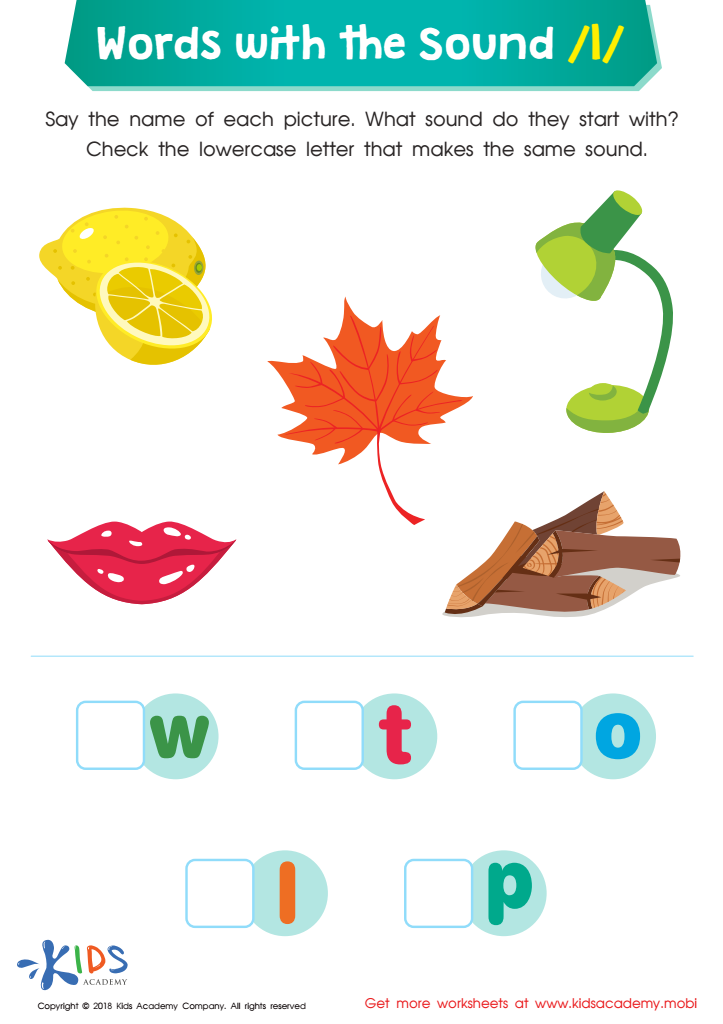
Words with Sound L Reading Worksheet
 Assign to My Students


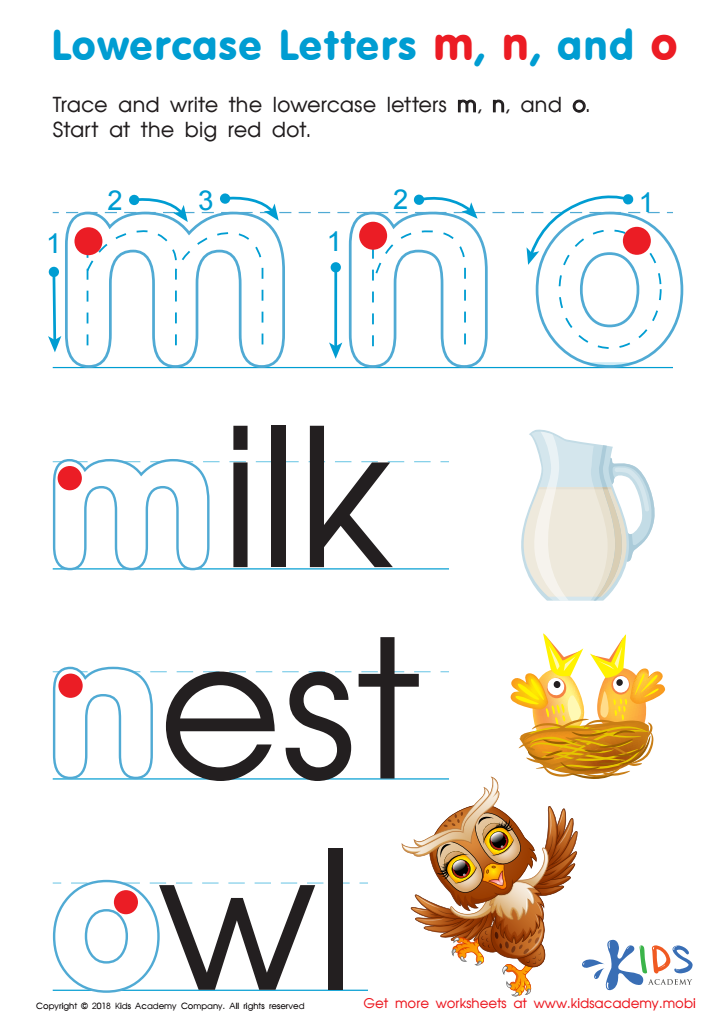
Lowercase Letters m n o Worksheet
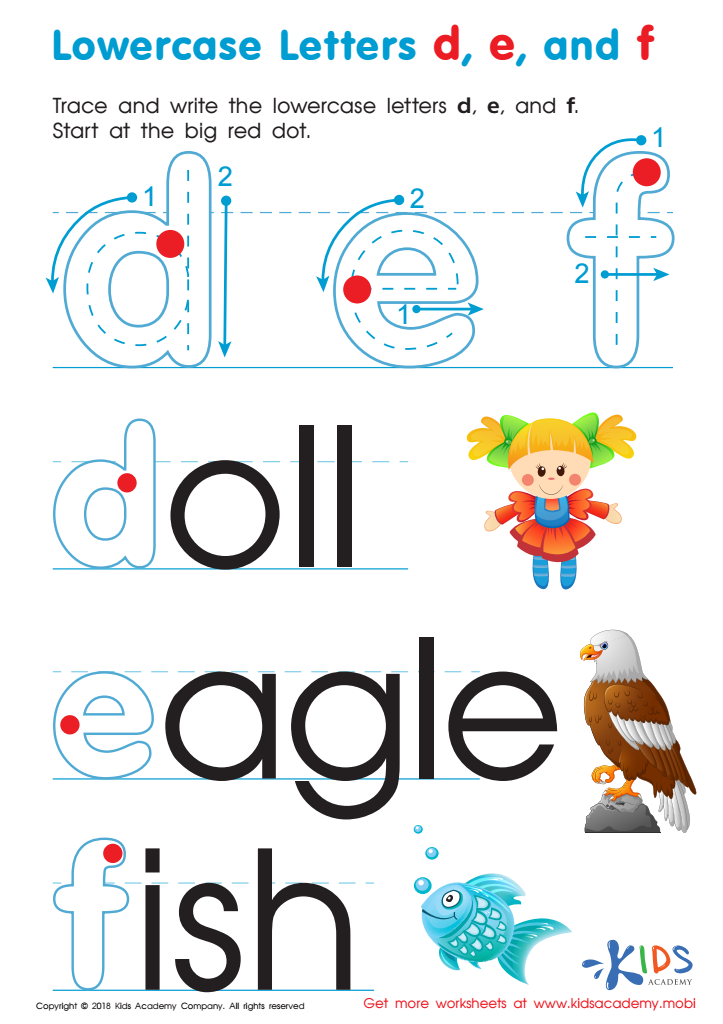
Lowercase Letters d e f Worksheet






Parents and teachers should prioritize letter-sound association for both uppercase and lowercase letters for 6-year-olds because it forms the foundation of early literacy skills. Understanding the relationship between letters and their corresponding sounds is crucial in the reading process. When children can associate letter shapes with sounds, they are better equipped to decode words, which enhances their reading fluency and comprehension.
Recognizing both upper and lowercase letters is equally important. Uppercase letters often appear at the beginnings of sentences or names, while lowercase letters dominate most texts students will encounter. Familiarity with both forms aids in overall word recognition, allowing students to develop sight vocabulary.
Moreover, mastering letter-sound associations boosts children's confidence in their reading abilities, making them more willing to engage with texts. This confidence positively impacts their motivation and overall academic success. Learning these skills through playful activities and engaging lessons also fosters a love for reading, setting the stage for lifelong literacy habits.
In conclusion, understanding letter-sound associations not only enhances reading proficiency but also cultivates a joyful learning atmosphere where young readers can thrive. Therefore, parental and educational support in this area is essential for the holistic development of children.







