Addition skills Worksheets for 6-Year-Olds - Page 2
37 filtered results
-
From - To
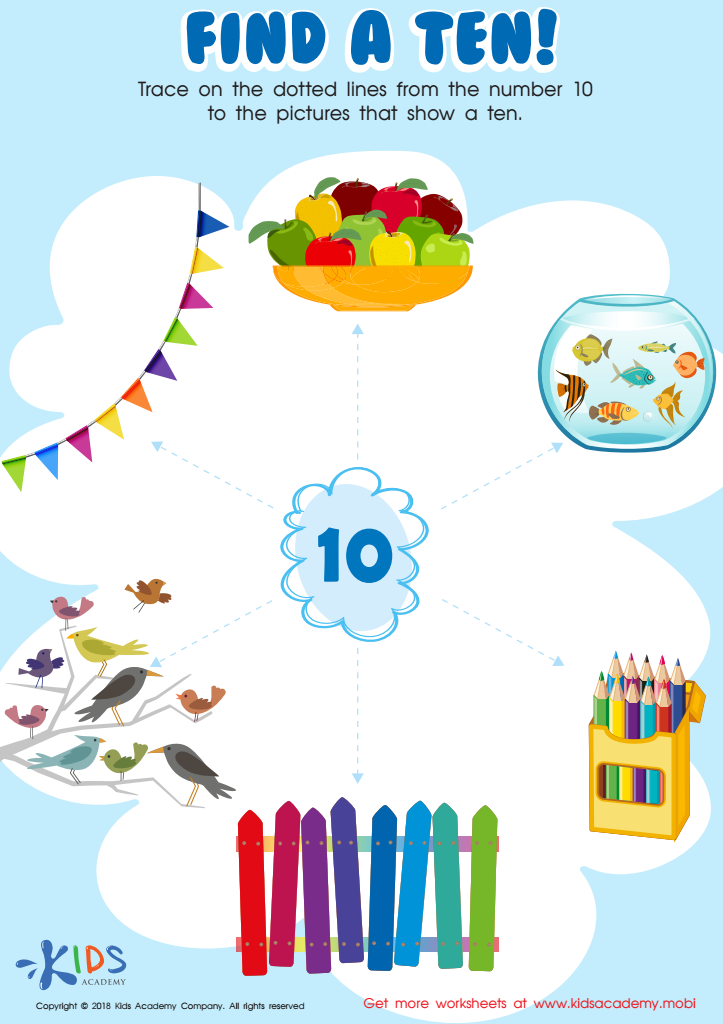
Kindergarten Math Worksheet: Find a Ten
 Assign to My Students
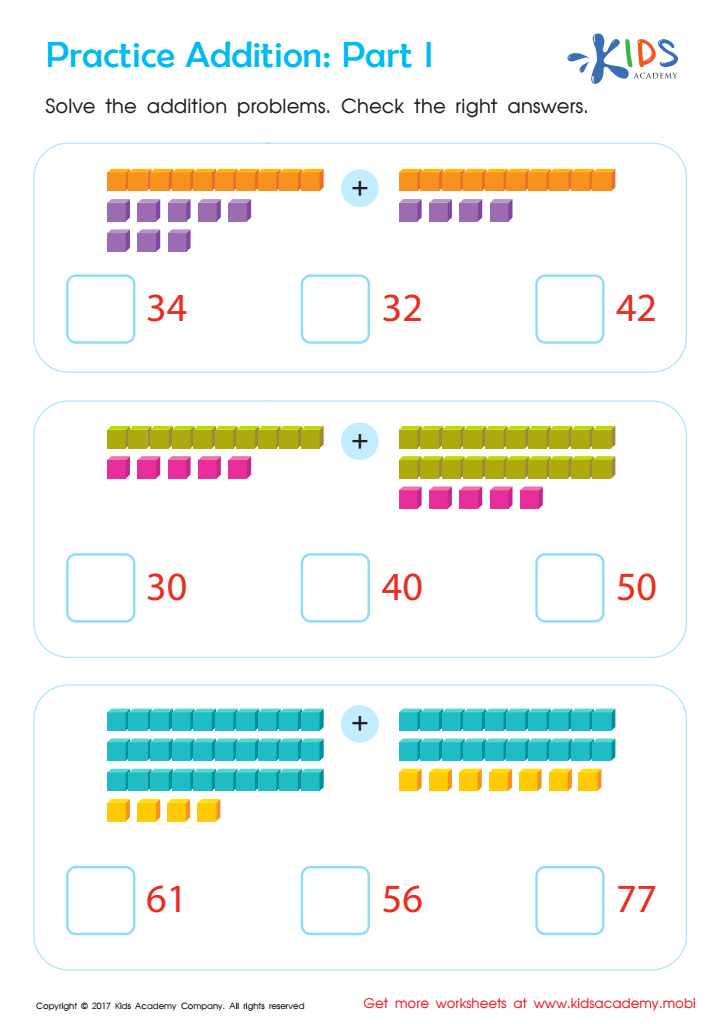
Practice Addition: Part 1 Worksheet
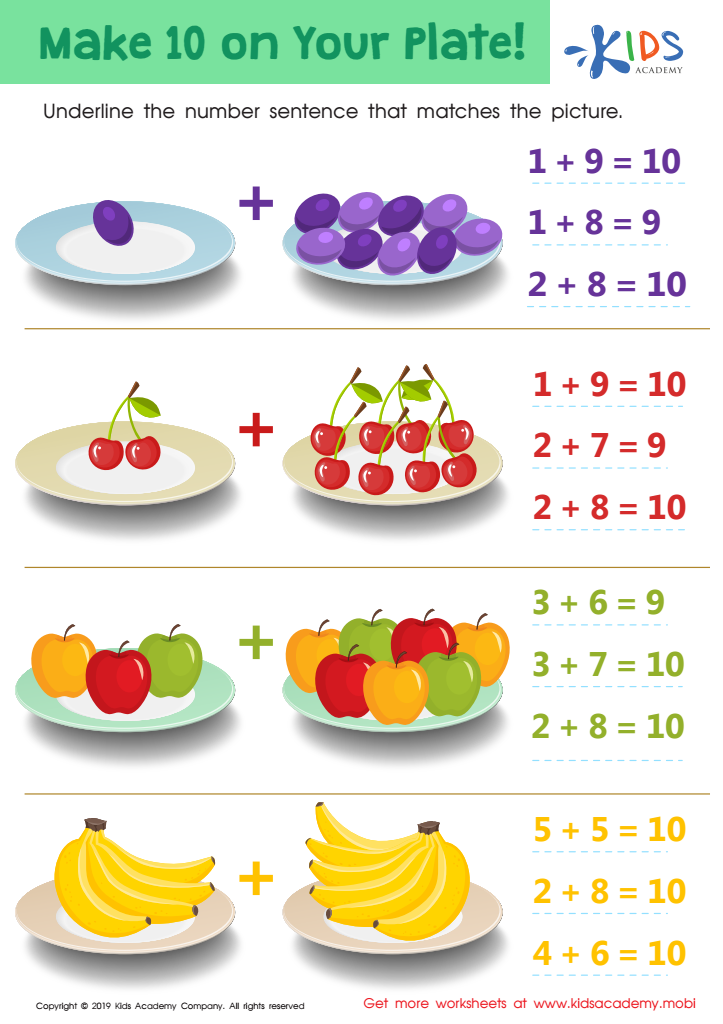
Make 10 on Your Plate! Worksheet
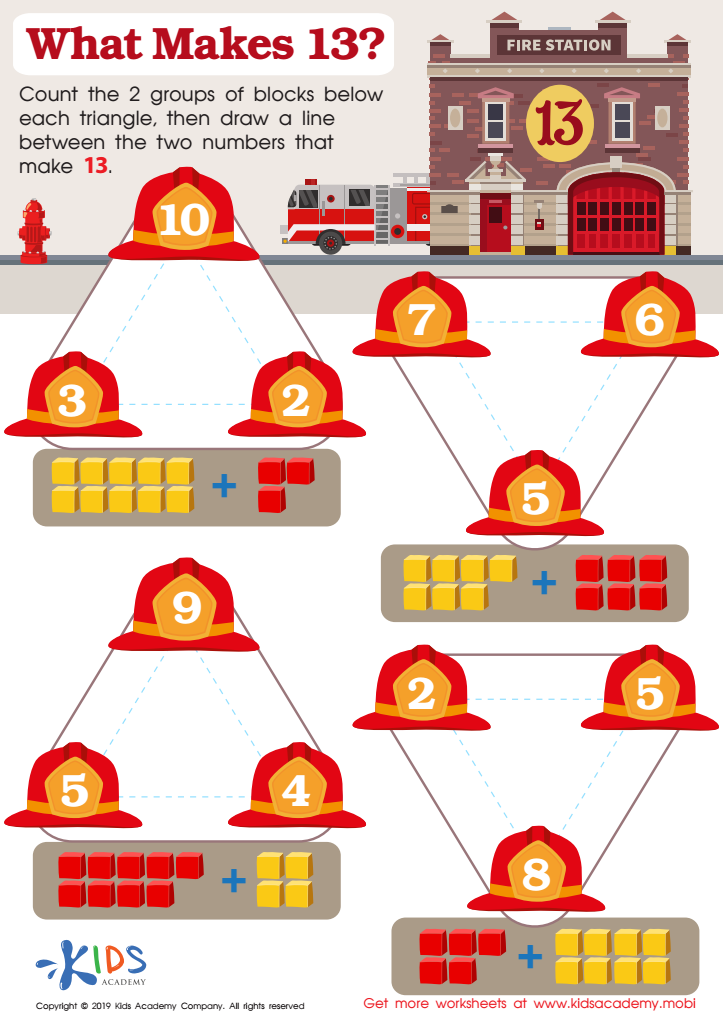
What Makes 13 Worksheet
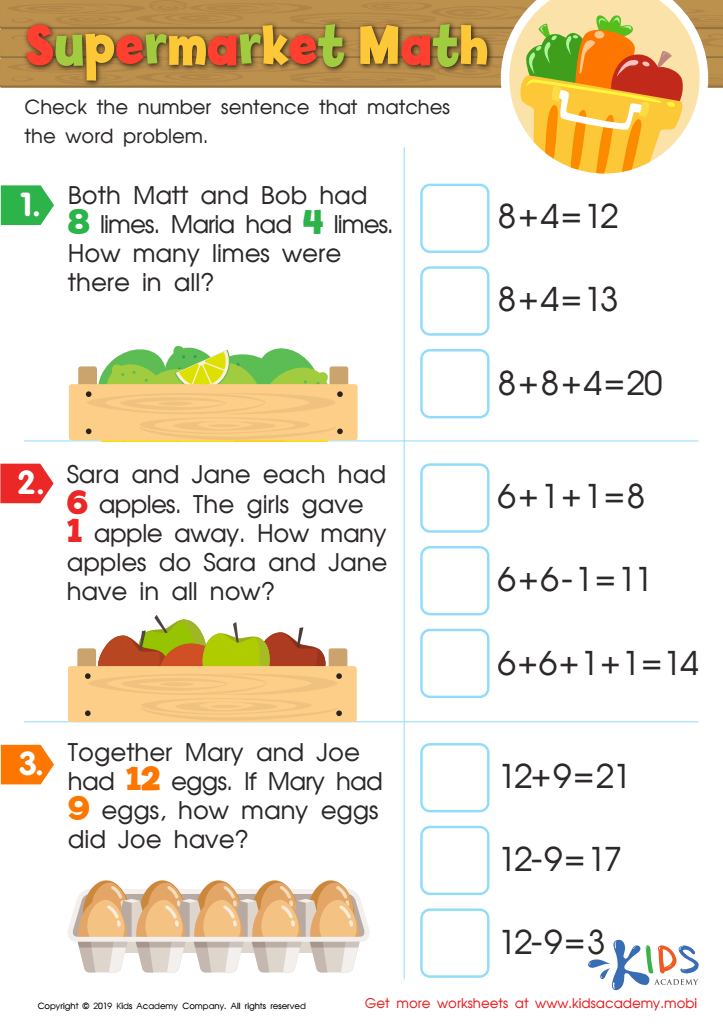
Supermarket Math Worksheet
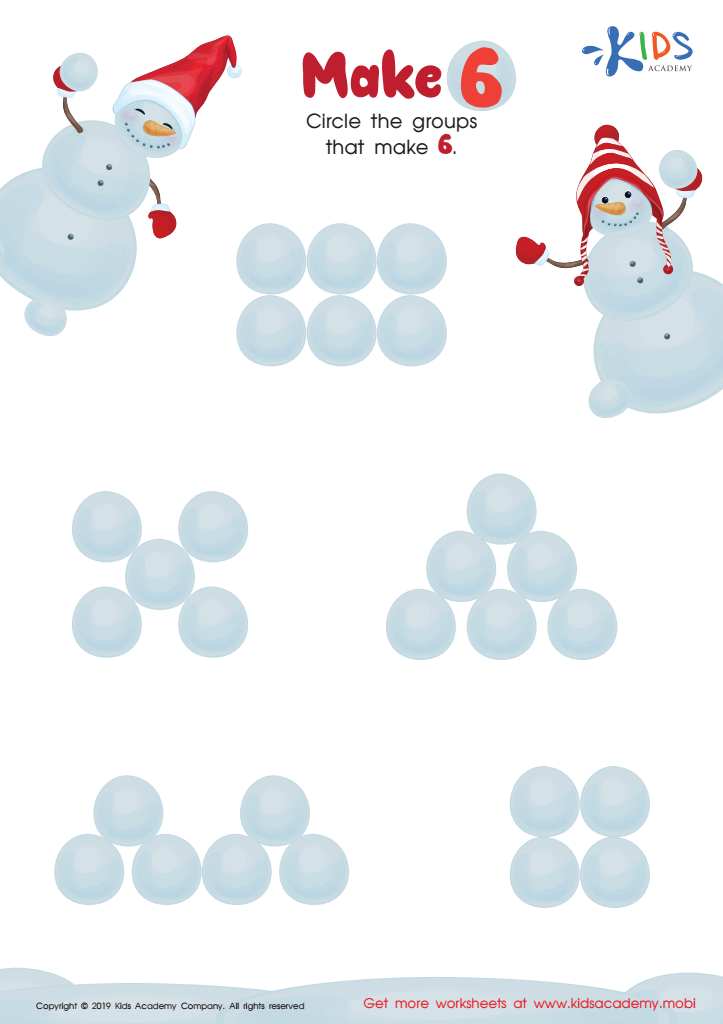
Make 6 Worksheet
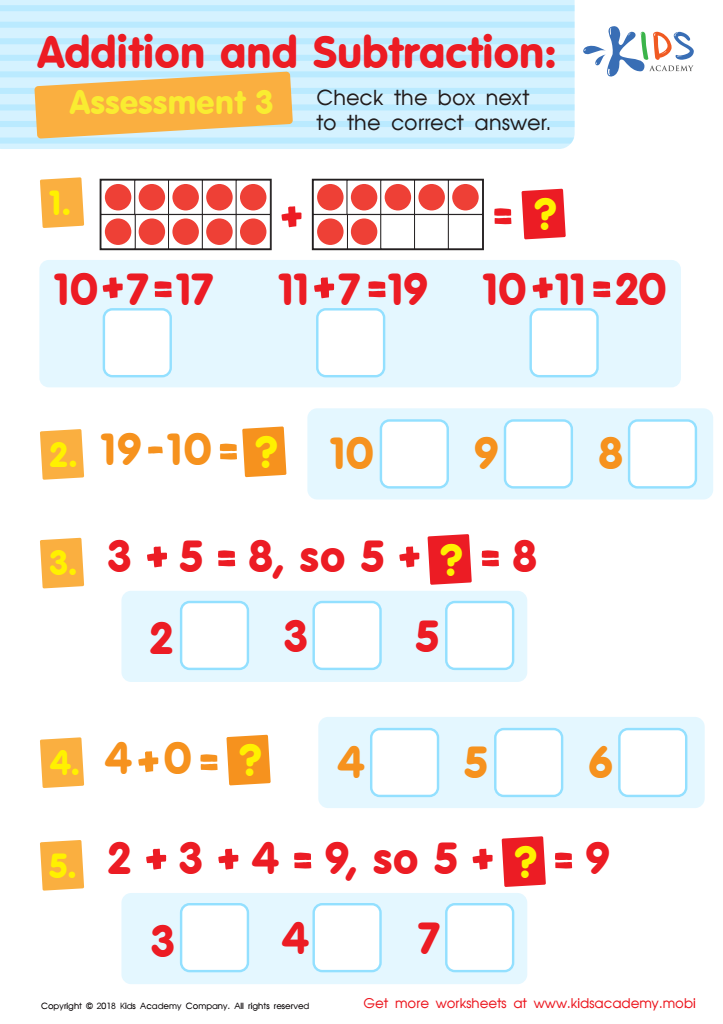
Addition and Subtraction Assessment 3 Worksheet
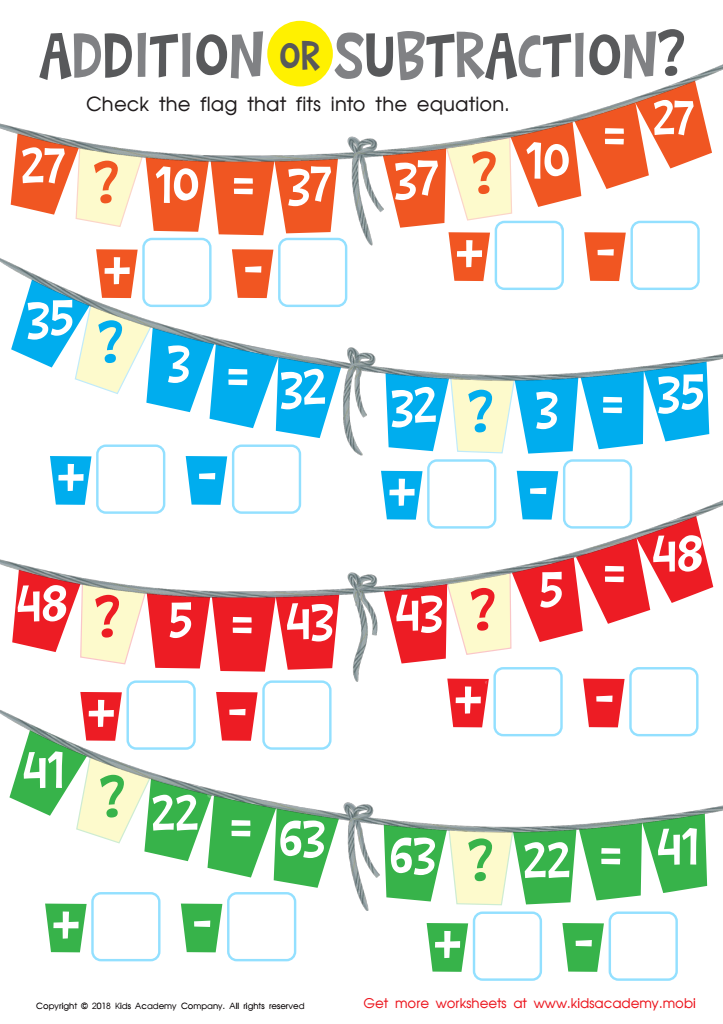
Addition or Subtraction? Worksheet
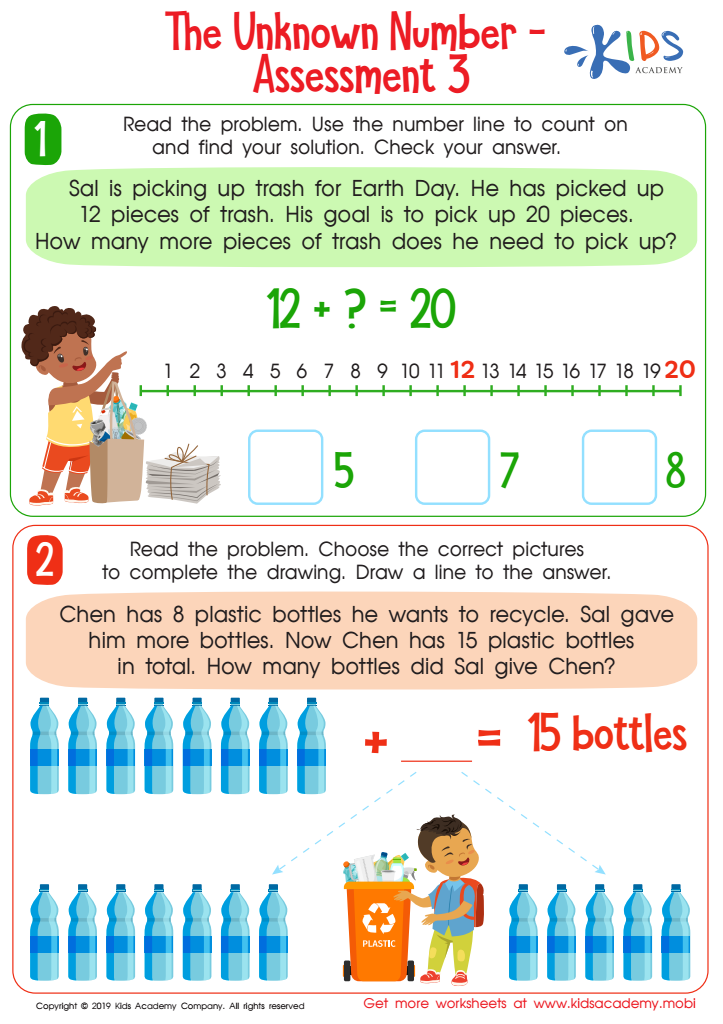
The Unknown Number - Assessment 3 Worksheet
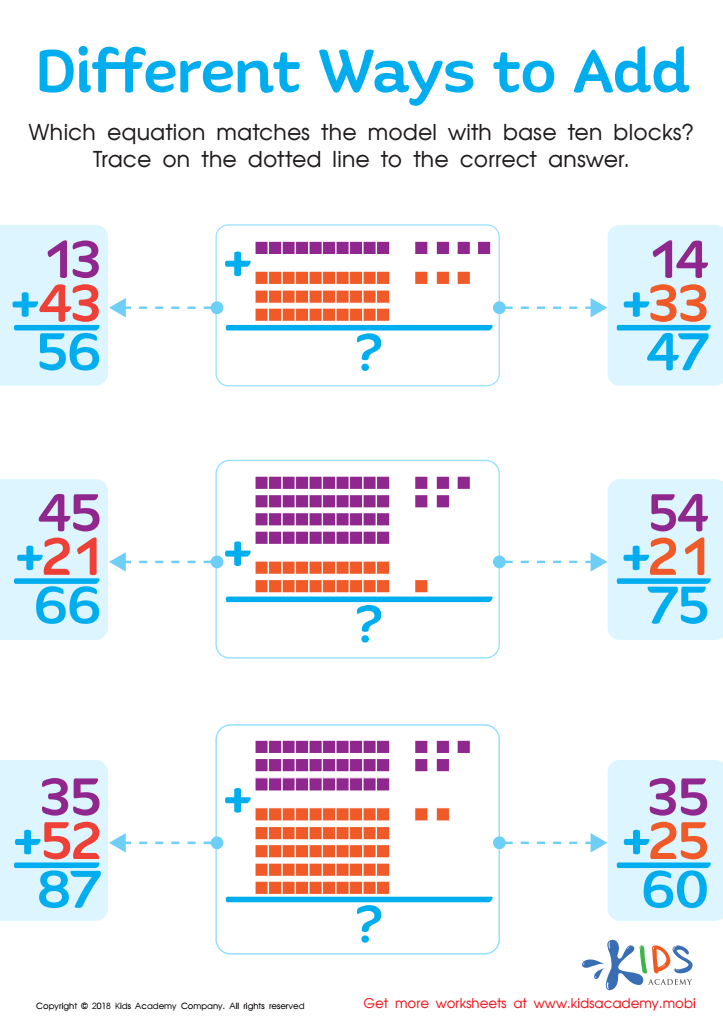
Different Ways to Add Worksheet
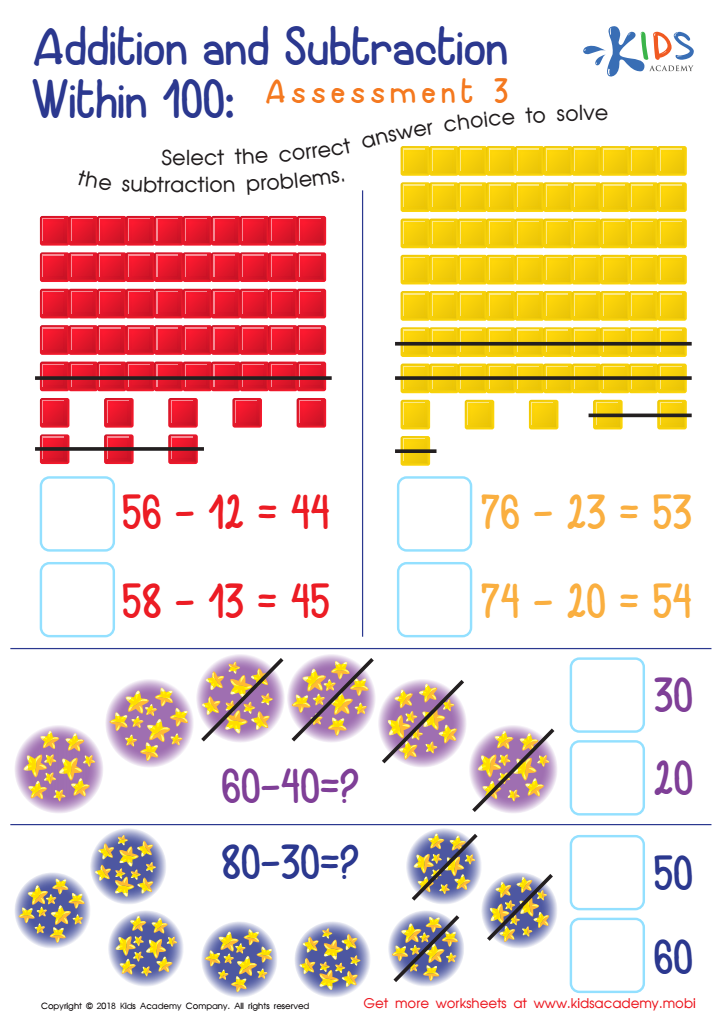
Addition and Subtraction Within 1: Assessment 3 Worksheet
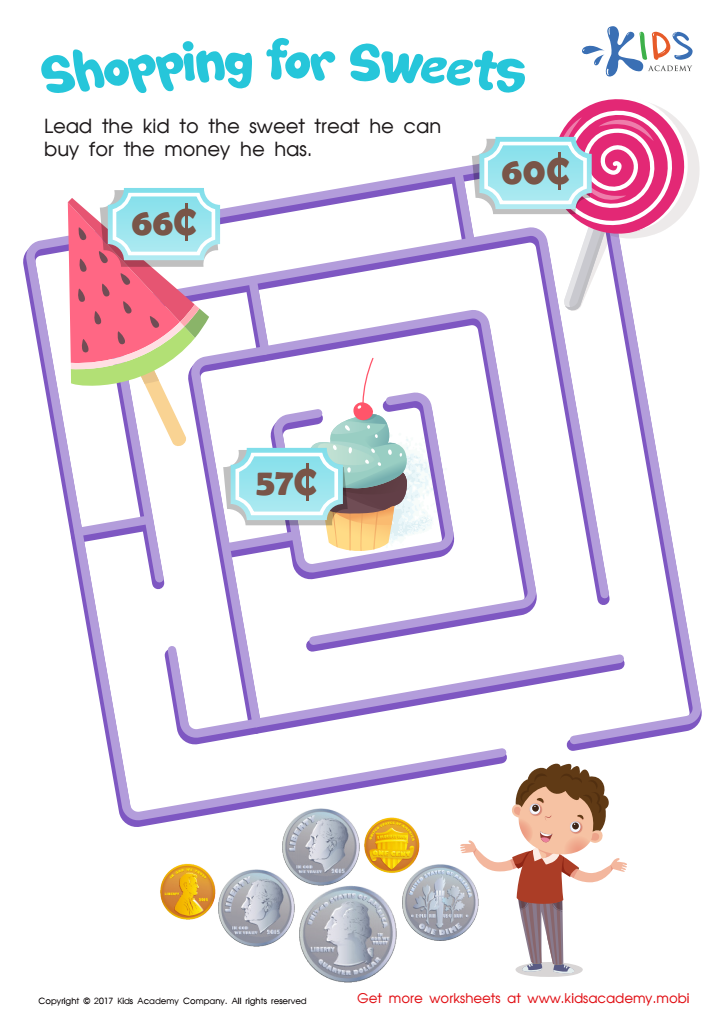
Shopping for Sweets Worksheet


.jpg)





Addition skills are foundational for a child's mathematical development and broader cognitive growth at the age of six. Learning addition not only introduces numerical concepts but also fosters critical thinking, problem-solving, and logical reasoning. As children grasp these skills, they gain confidence in their arithmetic abilities, which can positively impact their overall academic performance.
Parents and teachers should prioritize addition because it plays a vital role in everyday life—from counting objects and managing time to budgeting and cooking. These skills help children understand mathematical principles that will be expanded upon in later grades. Additionally, early mastery of addition can prevent learning gaps and promote a positive attitude towards math, creating a strong appreciation for the subject.
Moreover, practicing addition can enhance fine motor skills through the use of manipulatives, such as blocks or counters, and contribute to social development when children engage in group learning exercises. Parents can support this learning by incorporating fun, interactive games and activities at home, while teachers can integrate addition seamlessly into the classroom curriculum through engaging lessons. By fostering a strong foundation in addition, we not only equip children for future learning but also encourage a love for math that can last a lifetime.








