Critical Thinking Worksheets for 6-Year-Olds - Page 4
77 filtered results
-
From - To
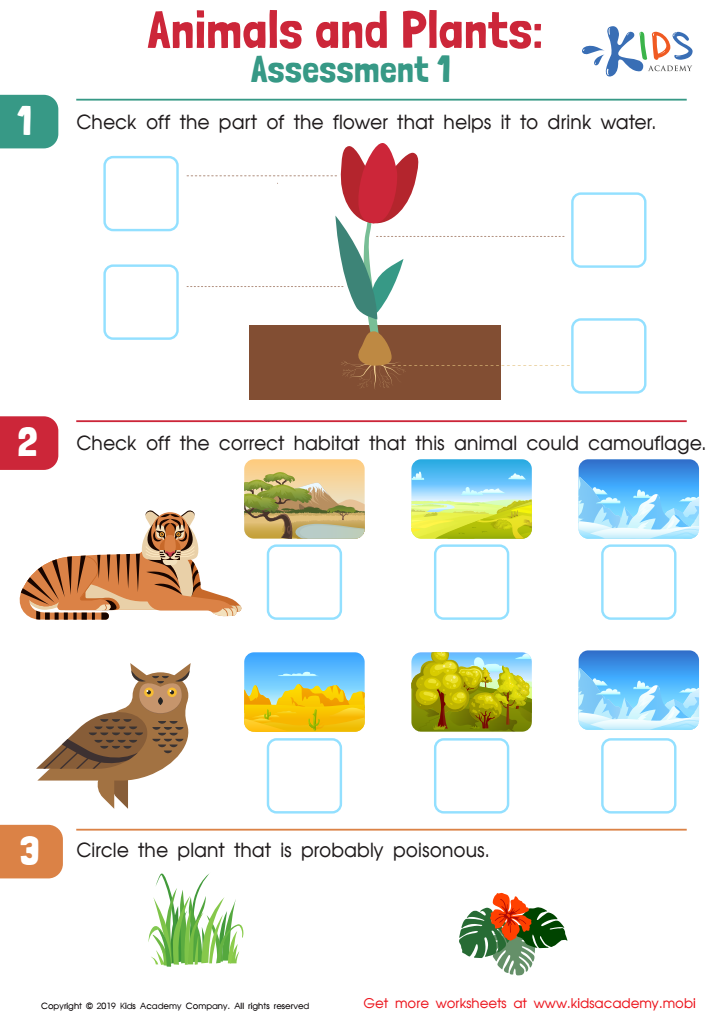
Animals and Plants: Assessment 1 Worksheet
 Assign to My Students
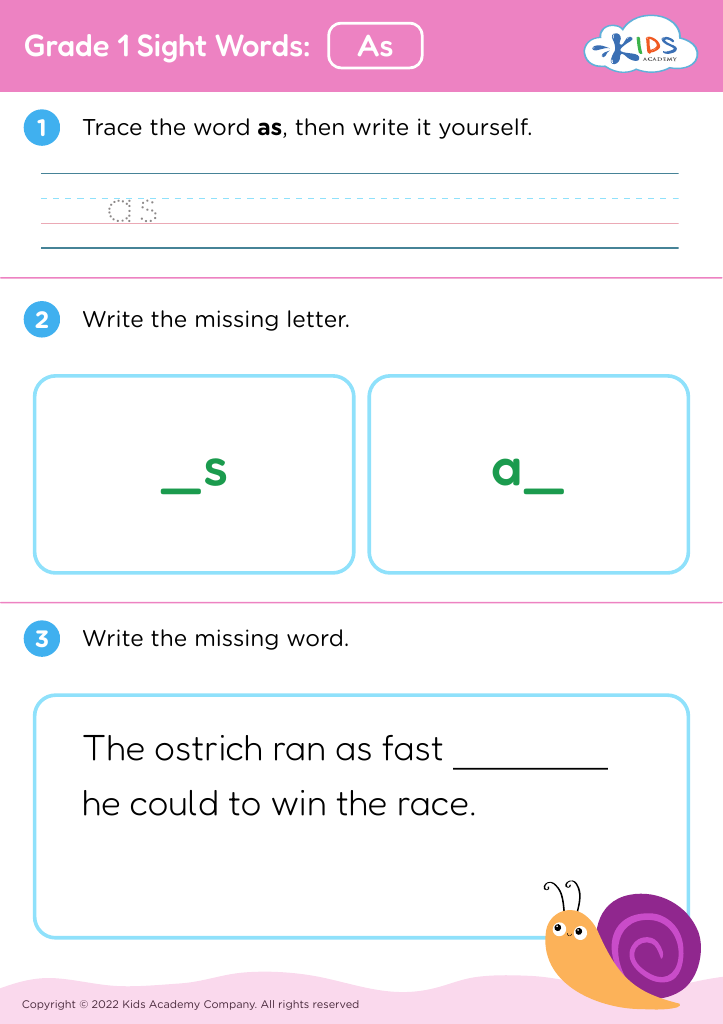
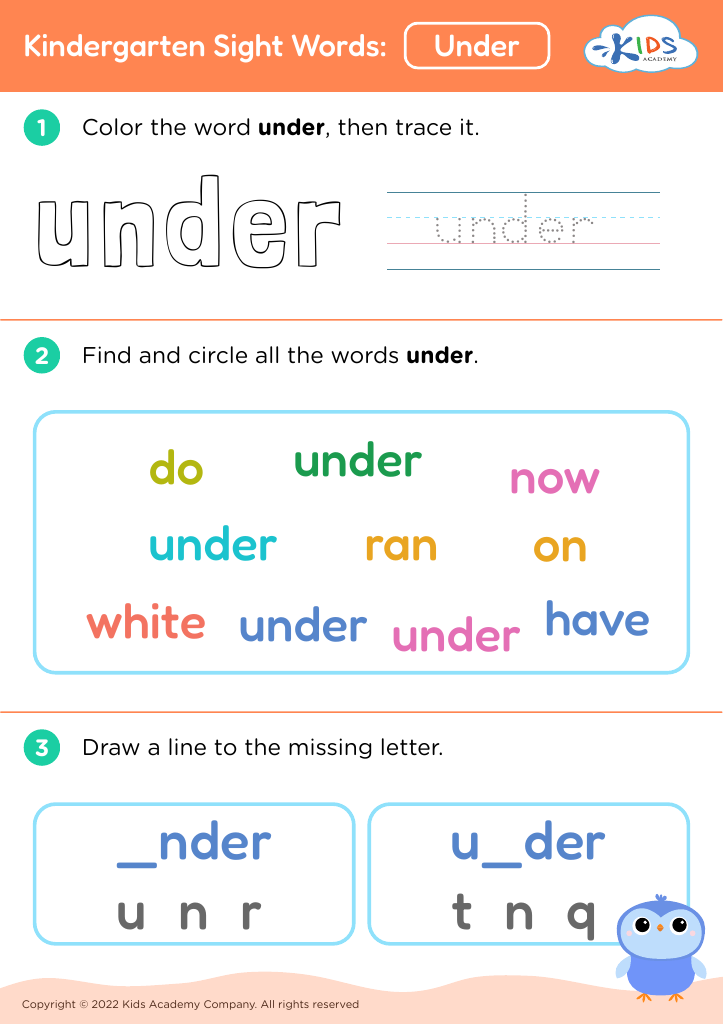








Critical thinking is an essential skill for children, even at the age of six, as it lays the foundation for effective problem-solving, decision-making, and creativity. At this developmental stage, children begin to analyze their surroundings, ask questions, and form opinions, which makes it an ideal time to foster critical thinking skills.
Parents and teachers should care about nurturing these skills because critical thinking promotes independence and confidence in young learners. Encouraging children to think critically helps them understand cause and effect, assess situations, and consider multiple perspectives. This not only enhances their academic performance but also equips them with the ability to navigate social interactions and future challenges.
Moreover, the world is rapidly changing, and the ability to adapt has never been more crucial. Teaching children to evaluate information critically prepares them to discern credible sources from misinformation, which is vital in our digital age.
Through engaging activities, discussions, and play, parents and teachers can spark children's curiosity and enhance their analytical skills. Fostering critical thinking early not only improves a child’s academic future but also contributes to their overall growth as thoughtful and responsible individuals. In a nutshell, investing in critical thinking development today is an investment in a child's tomorrow.








