Cultural Understanding Worksheets for 6-Year-Olds
3 filtered results
-
From - To
Enhance your child's awareness and appreciation of diverse cultures with our engaging Cultural Understanding Worksheets for 6-Year-Olds! These thoughtfully designed resources help young learners explore customs, traditions, and lifestyles from around the world. Each worksheet includes fun activities such as coloring, matching, and drawing that spark curiosity and promote inclusivity. By integrating cultural understanding into early education, children develop essential empathy and respect for others. Perfect for classroom use or home learning, these worksheets provide a creative and interactive way for kids to learn about global communities while building critical thinking skills. Start nurturing cultural appreciation today!
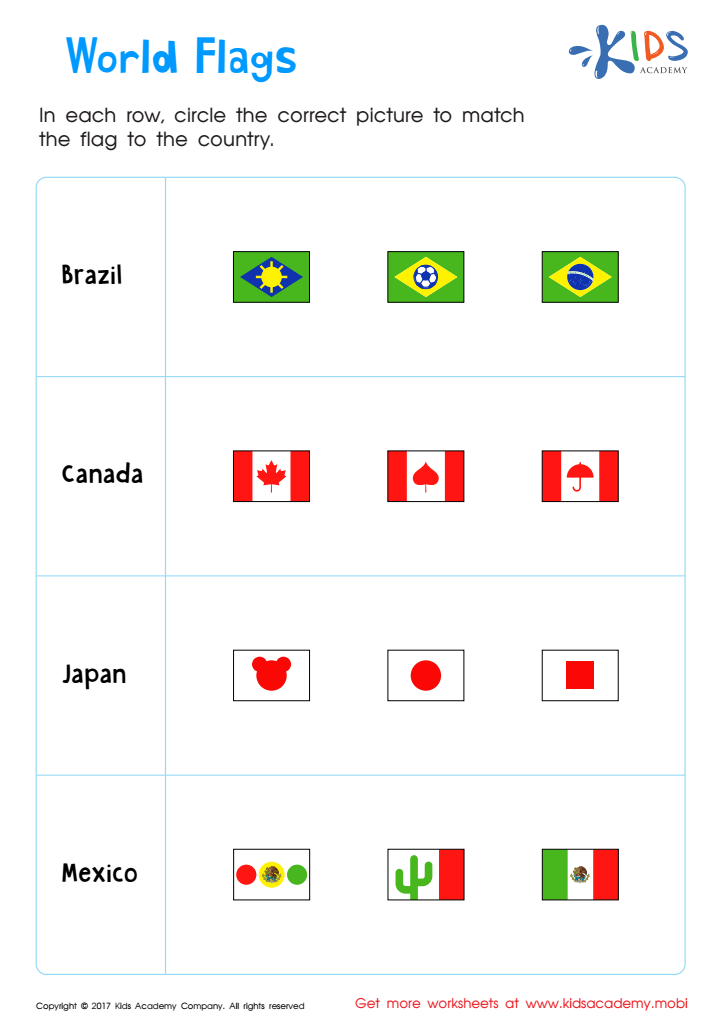
World Flags Printable
 Assign to My Students
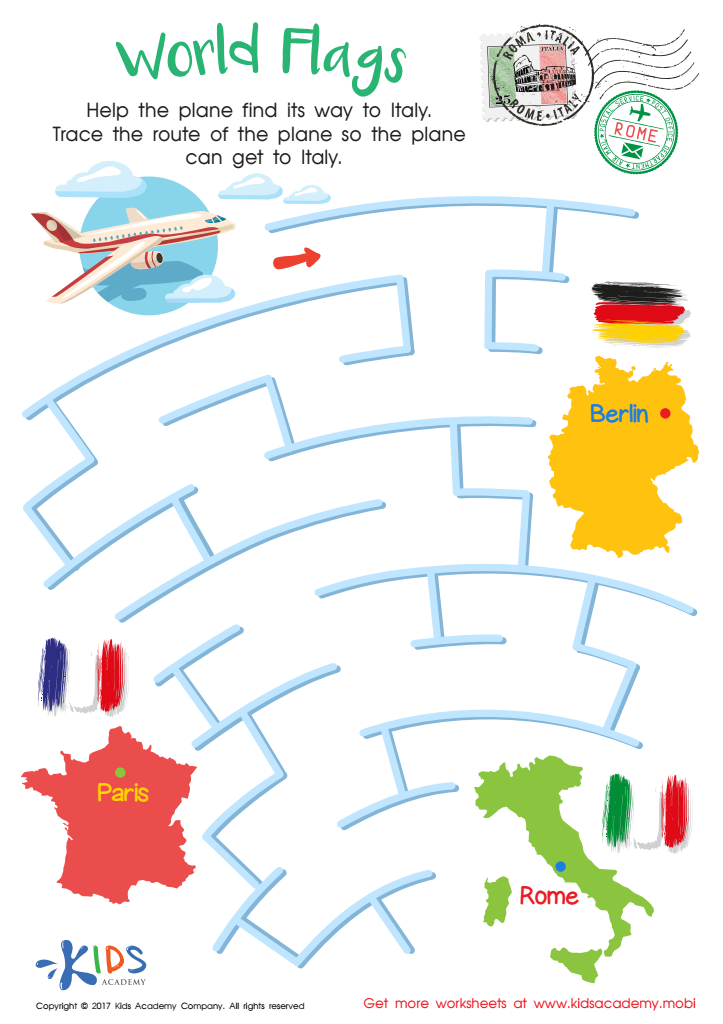
World Flags Maze Worksheet
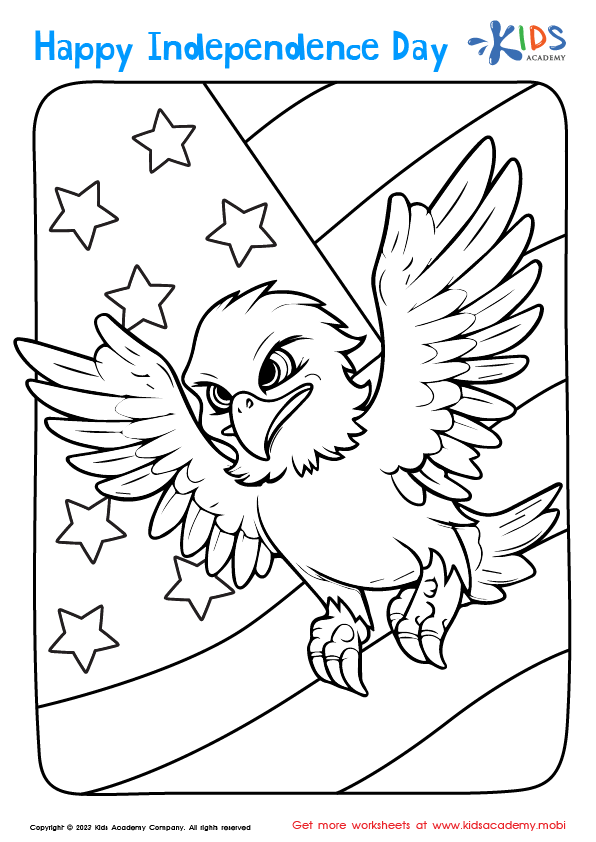



.jpg)
.jpg)



Cultural understanding is vital for 6-year-olds as it shapes their perspectives, relationships, and worldviews. At this developmental stage, children are naturally curious about the differences and similarities they observe in their peers and the world around them. By fostering cultural awareness, parents and teachers help children learn to appreciate diversity, promoting empathy and cooperation among classmates. These foundational skills are crucial for building positive social interactions and combating potential prejudices.
Incorporating cultural education into early learning environments nurtures children's ability to see beyond surface differences, encouraging them to value the rich tapestries of backgrounds. When children learn about various cultures, whether through stories, celebrations, or activities, they develop critical thinking skills and a sense of belonging, important for their self-esteem.
Moreover, understanding cultural differences prepares children for a globalized world. As they grow, they will encounter various viewpoints and practices. The lessons learned in childhood about acceptance and respect will guide them in becoming well-rounded individuals who contribute positively to society. Overall, by promoting cultural understanding, parents and teachers equip 6-year-olds with the empathy and adaptability necessary for successful futures in diverse communities.








