Decision making skills Worksheets for 6-Year-Olds
8 filtered results
-
From - To
Unlock your child's potential with our engaging Decision Making Skills Worksheets for 6-Year-Olds! Designed to encourage critical thinking, these worksheets help young learners practice making choices in fun and relatable scenarios. From selecting the best answers to solving everyday problems, these activities promote independence and confidence. Our worksheets will challenge your child's reasoning abilities while reinforcing important lessons about decision-making processes. Perfect for home or classroom use, they cater to diverse learning styles and keep children engaged. Download our printable worksheets today and empower your child to become a thoughtful decision-maker and develop essential life skills!
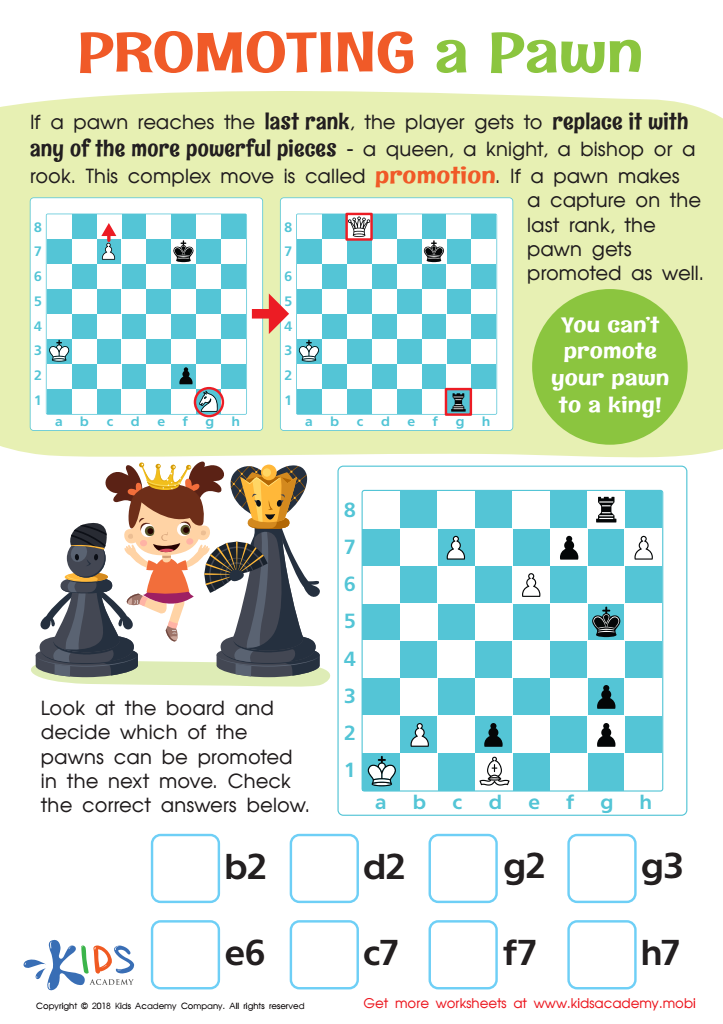
Promoting a Pawn Worksheet
 Assign to My Students
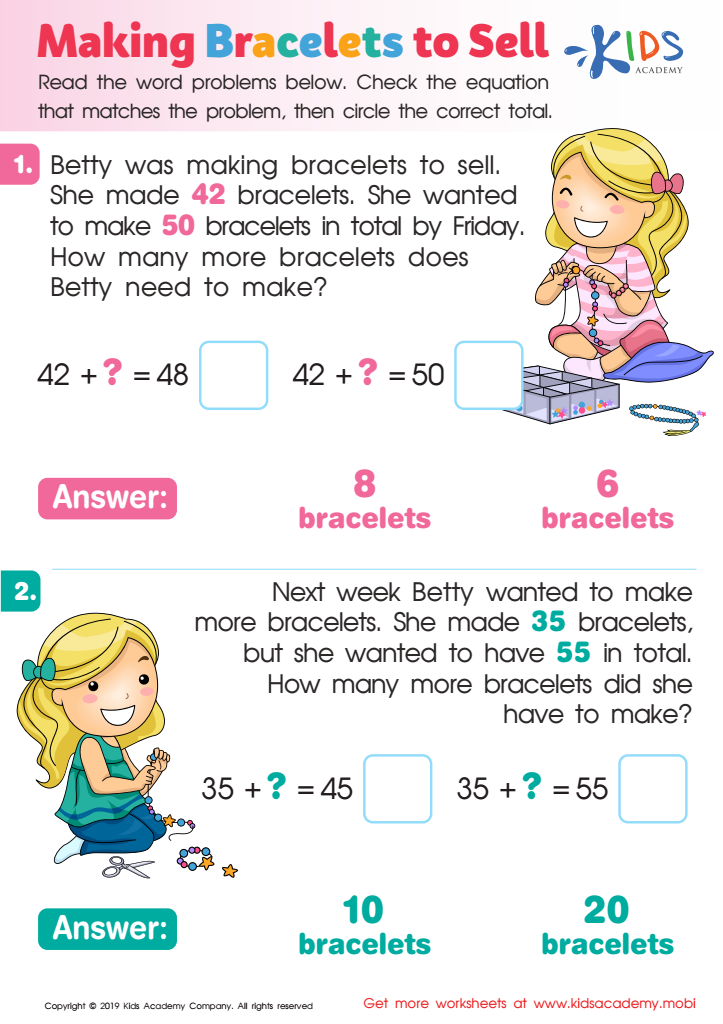
Making Bracelets to Sell Worksheet
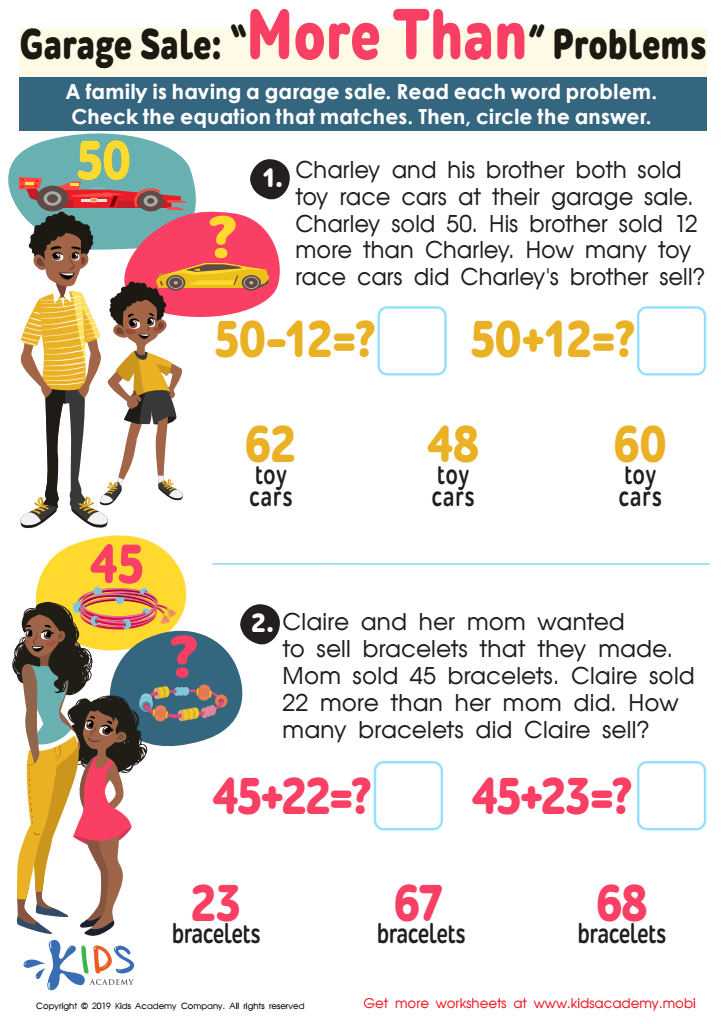
Garage Sale - More yhan Worksheet
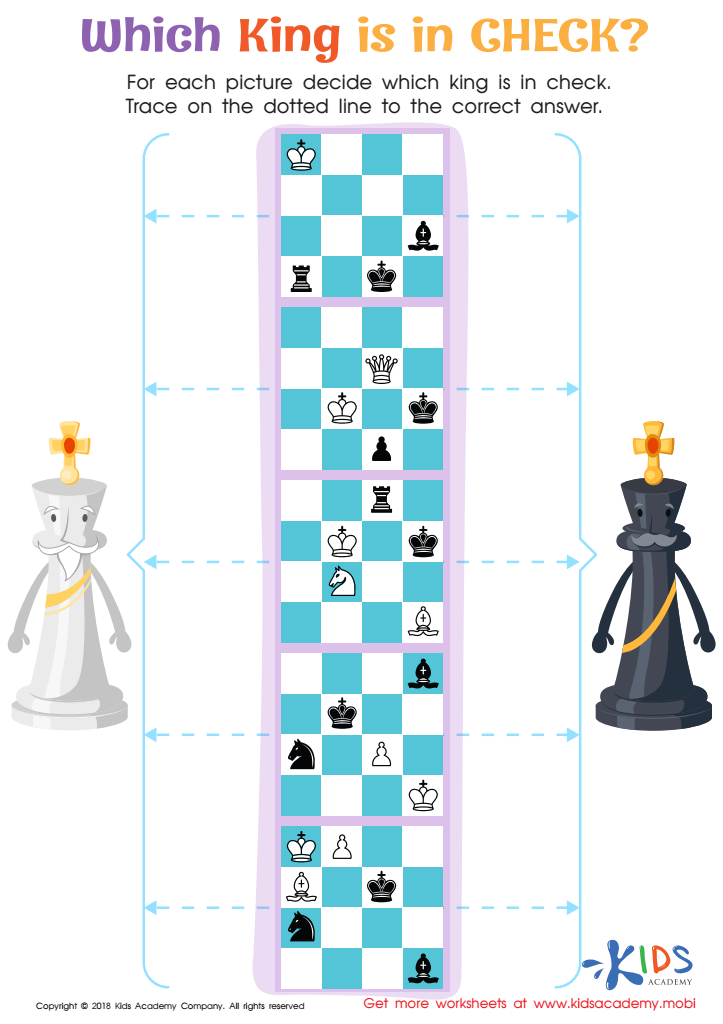
Which King is in Check? Worksheet
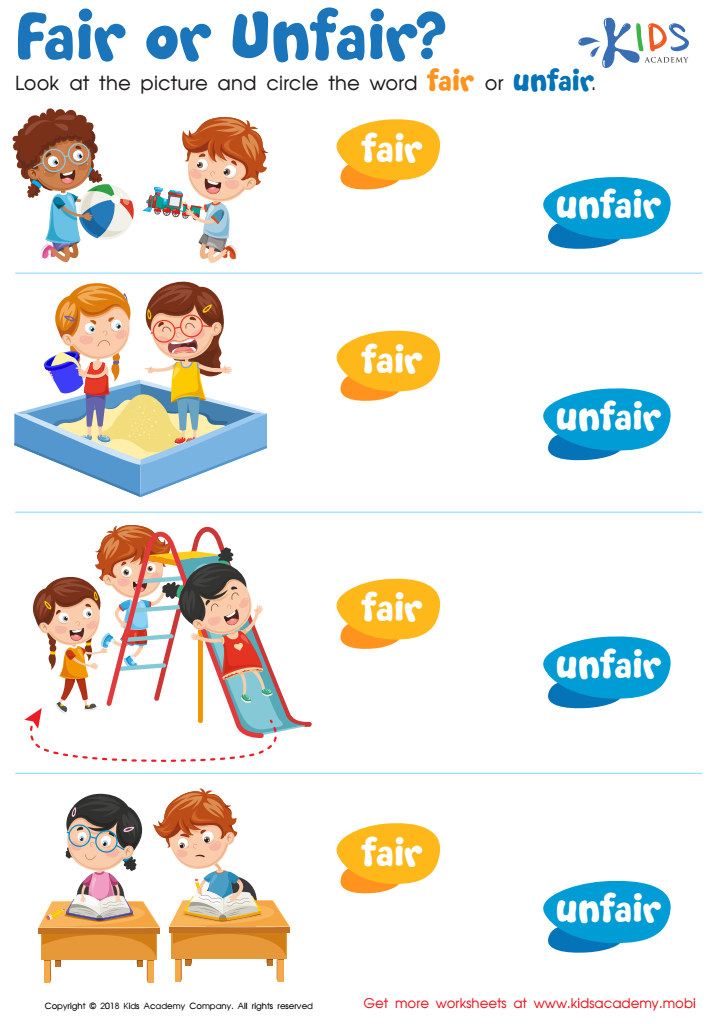
Fair or Unfair Worksheet
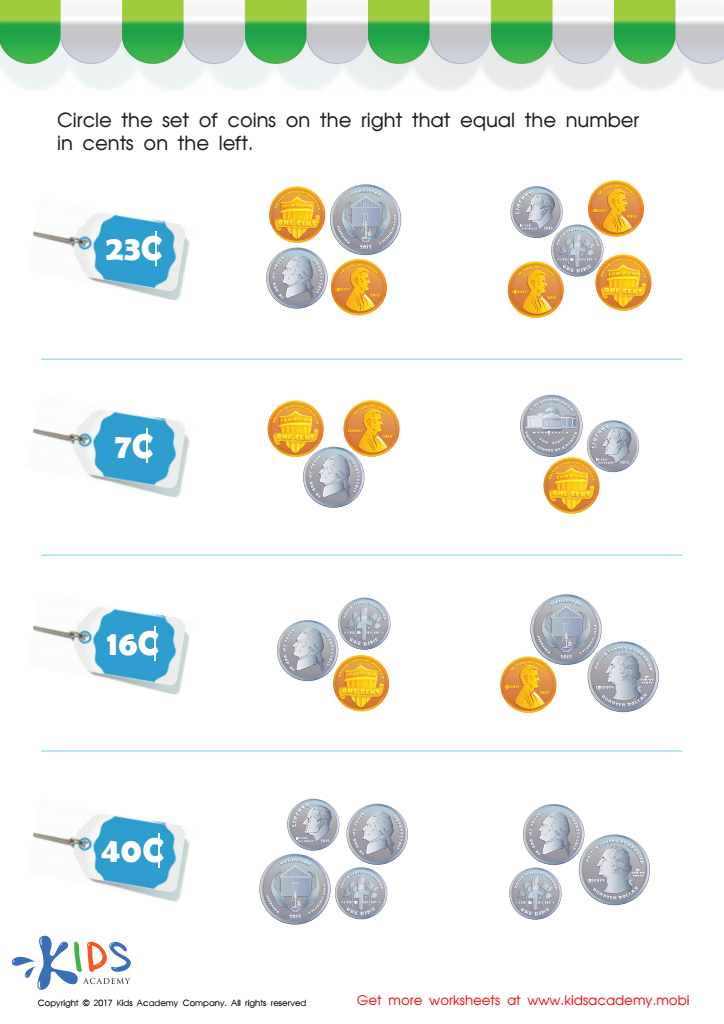
Picking the Coins You Need Money Worksheet
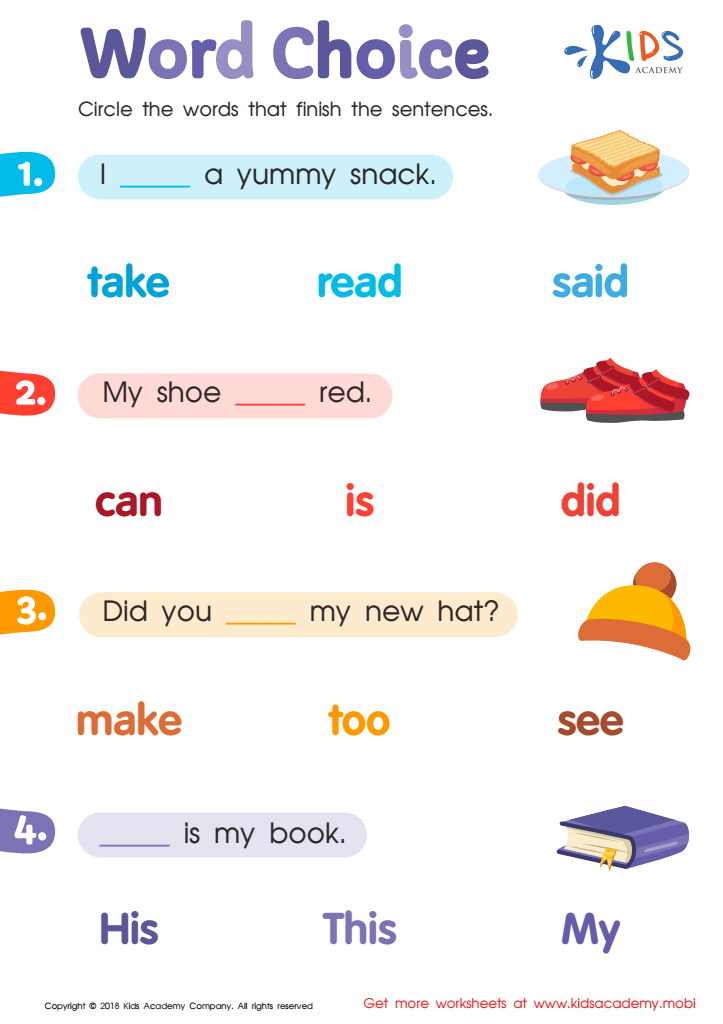
Word Choice Worksheet
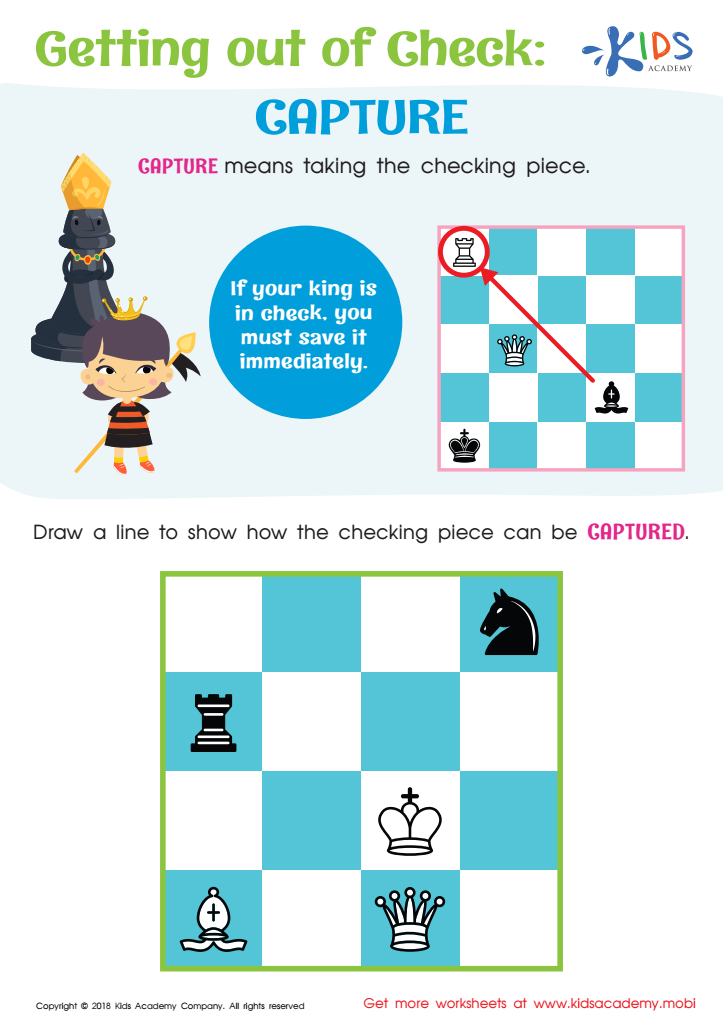
Getting out of Check: Capture







Parents and teachers should care about decision-making skills for 6-year-olds because these skills form the foundation for a child’s future interpersonal and academic success. At this developmental stage, children begin to navigate their choices and understanding consequences, making it an ideal time to cultivate critical thinking and problem-solving abilities.
When children learn to make decisions early on, they develop confidence and independence. This empowerment encourages them to take ownership of their choices, whether in social scenarios, academic tasks, or personal interests. Furthermore, effective decision-making skills are crucial as children face various situations—both big and small—throughout their lives, fostering resilience and adaptability.
Moreover, teaching decision-making skills involves guiding children in evaluating options, considering their potential outcomes, and learning to reflect on their decisions for future improvement. These skills promote not only cognitive development but emotional regulation, as children learn to manage feelings of disappointment or success related to their choices.
By investing in children’s decision-making capabilities, parents and teachers support a well-rounded education that transcends academics, preparing children for lifelong learning and interpersonal relationships. Ultimately, empowering children at this young age lays the groundwork for responsible, informed adults in an increasingly complex world.








