Enhancing observation skills Worksheets for 6-Year-Olds
15 filtered results
-
From - To
Unlock the potential of your child’s observational abilities with our "Enhancing Observation Skills Worksheets for 6-Year-Olds." Specifically designed to capture the interest of young minds, these interactive activities engage children through exciting puzzles, matching games, and attention-to-detail challenges. Each worksheet encourages critical thinking, sharpens visual discrimination, and enhances focus, fostering a strong foundation for academic success. Perfect for both classroom and at-home use, our expertly crafted worksheets turn learning into a fun-filled adventure. Nurture your child’s natural curiosity and watch as their keen eye for detail blossoms, setting them on a path to becoming a meticulous, lifelong learner.
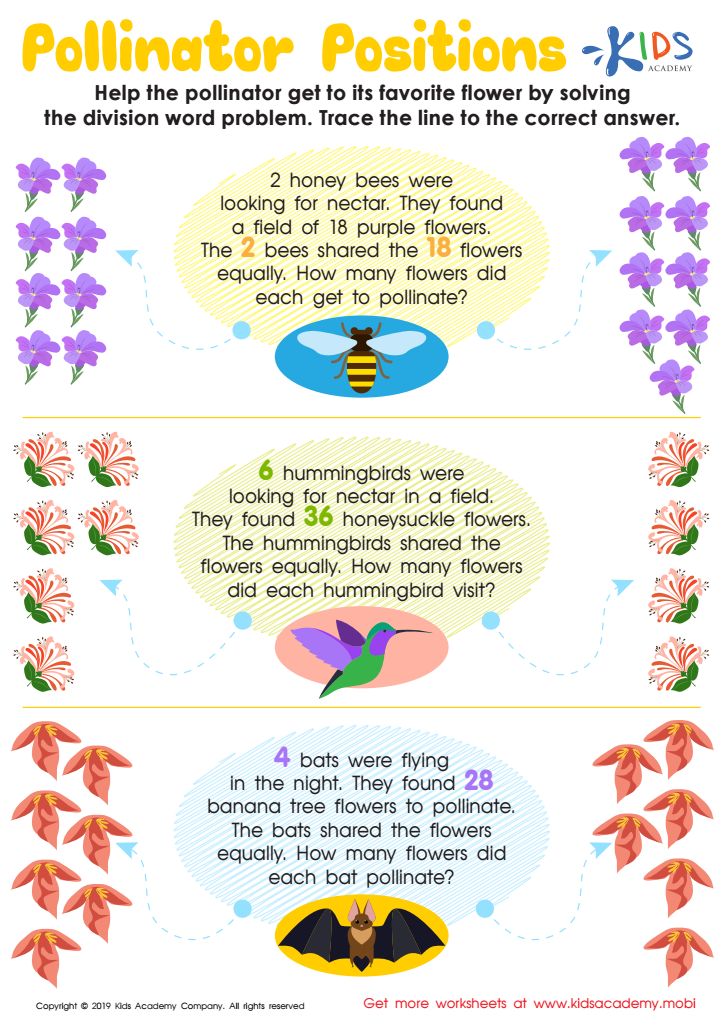
Pollinator Positions Worksheet
 Assign to My Students
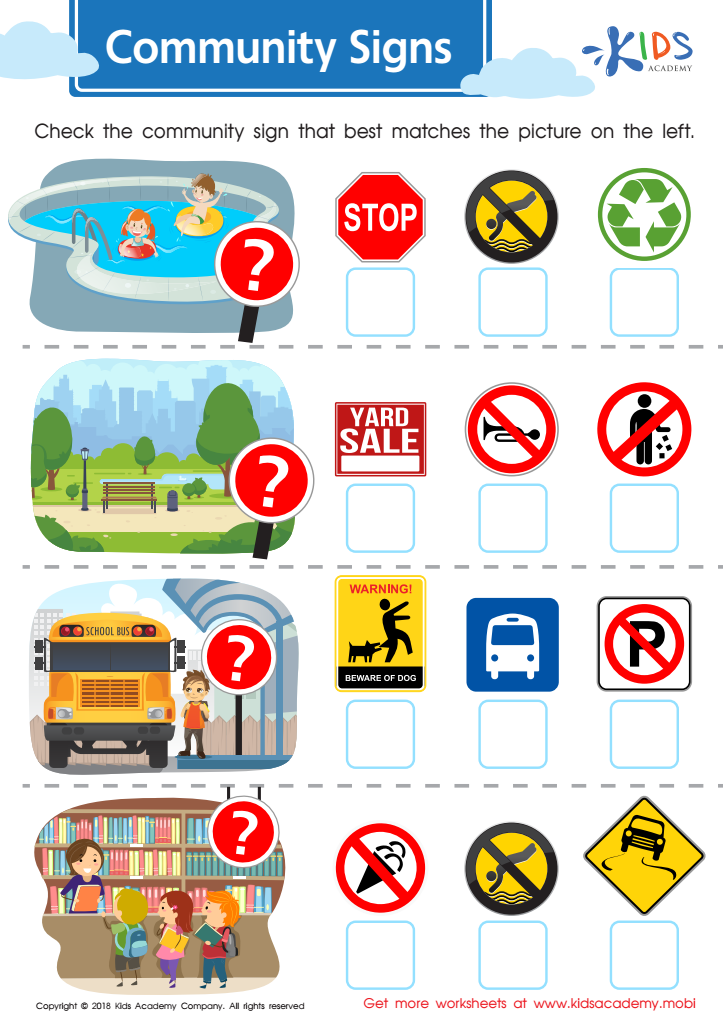
Community Signs Worksheet
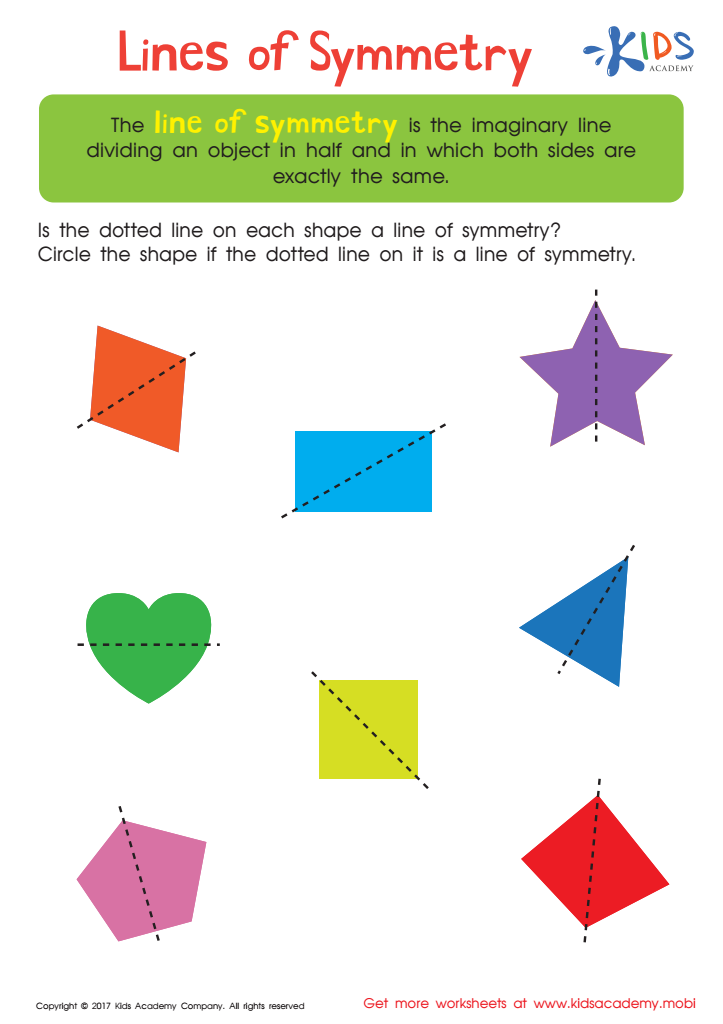
Lines of Symmetry Printable
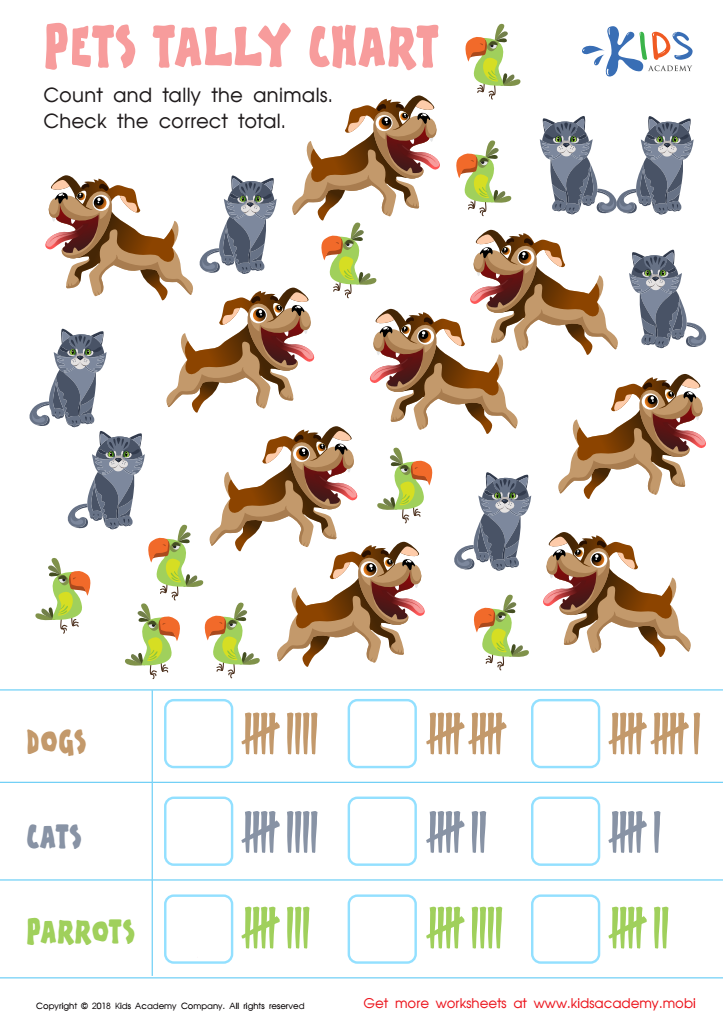
Pets Tally Chart Worksheet
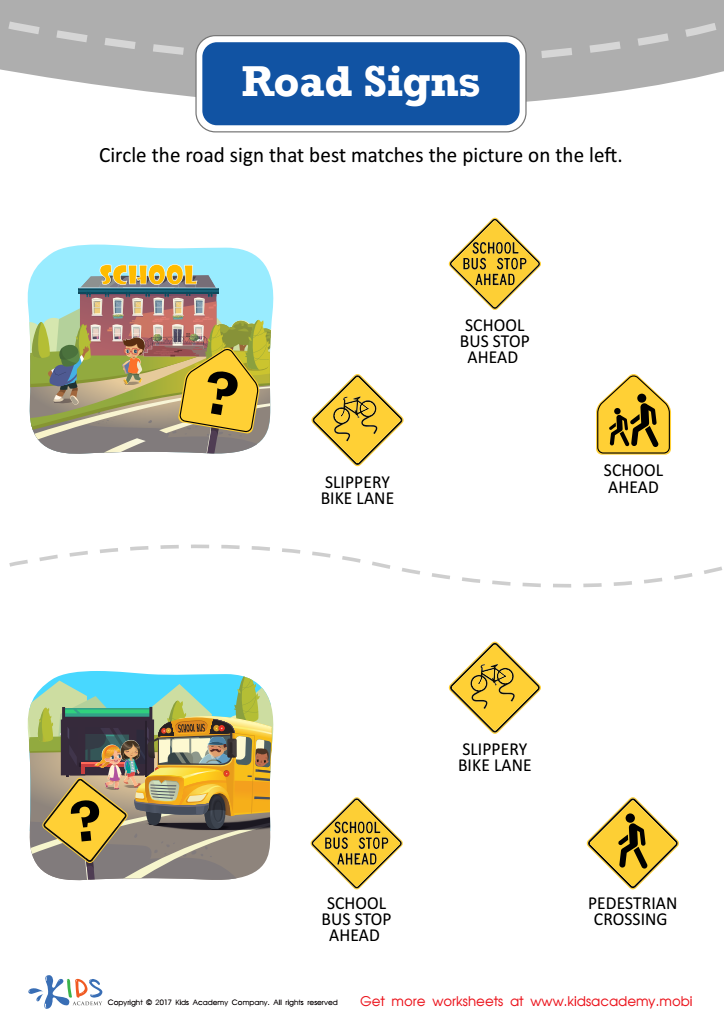
Road Signs (Part 1) Worksheet
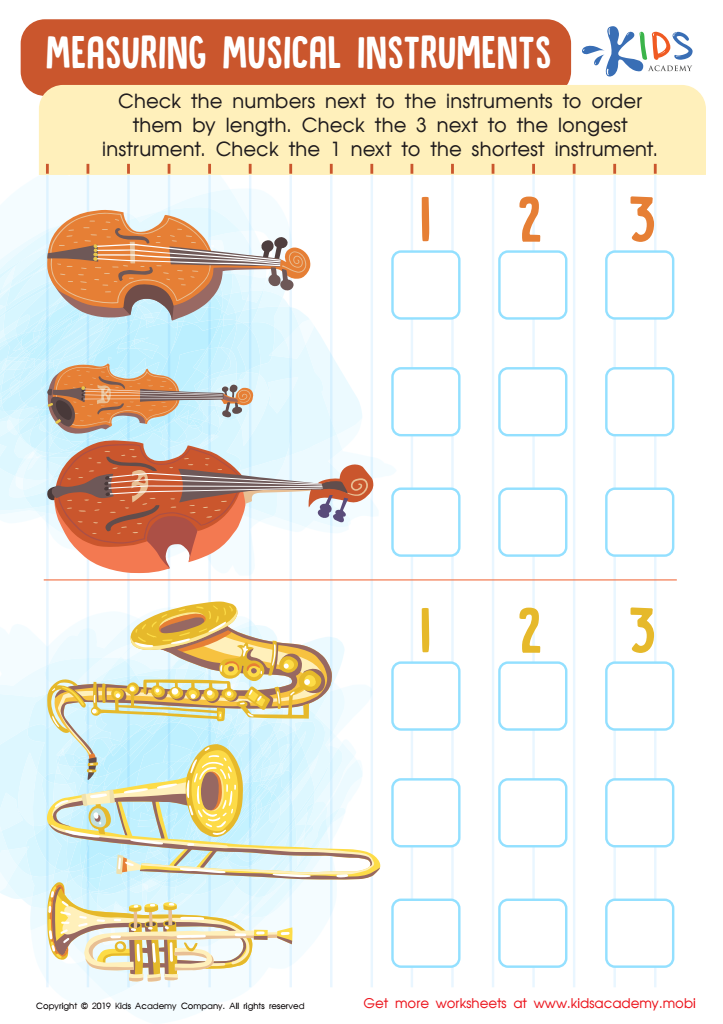
Measuring Musical Instruments Worksheet
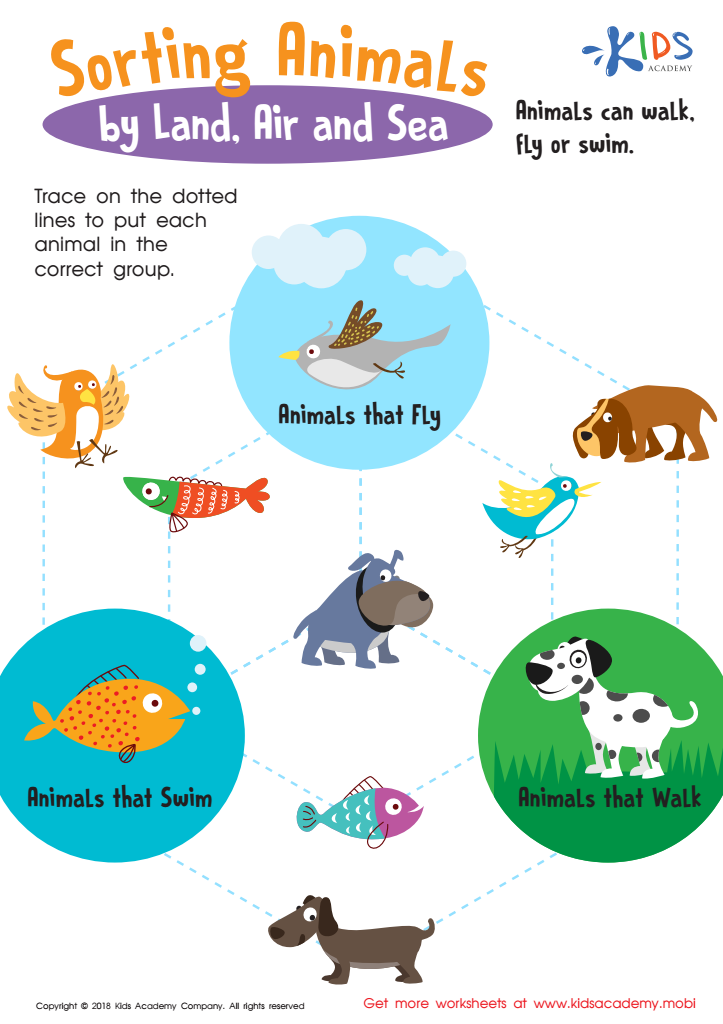
Sorting Animals by Land, Air and Sea Worksheet
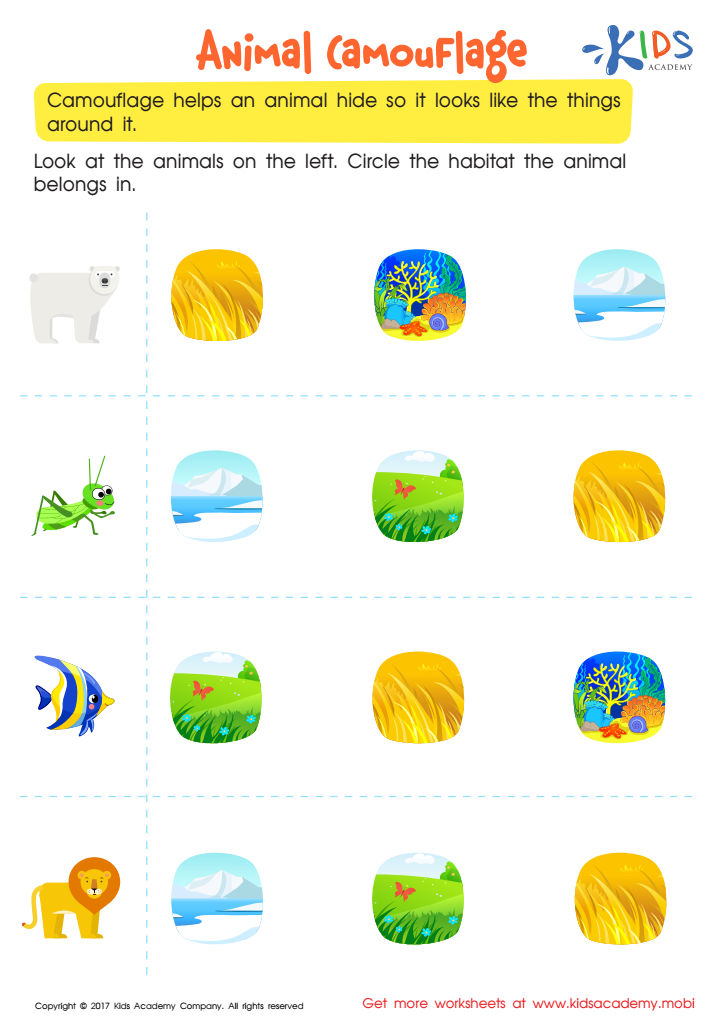
Animal Camouflage Worksheet
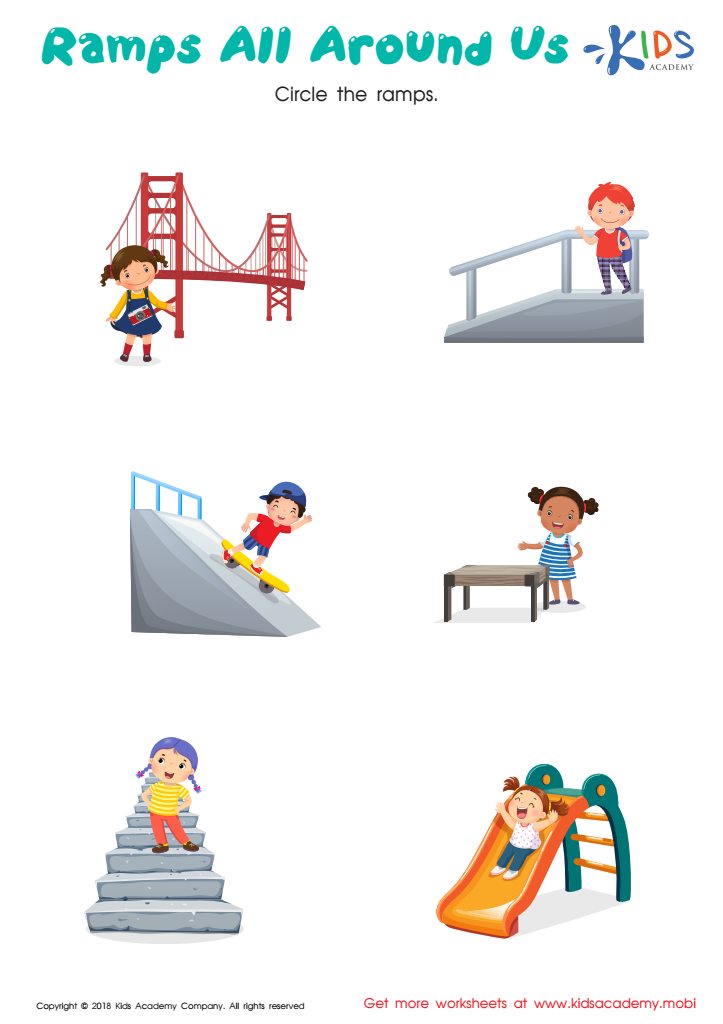
Ramps All Around us Worksheet
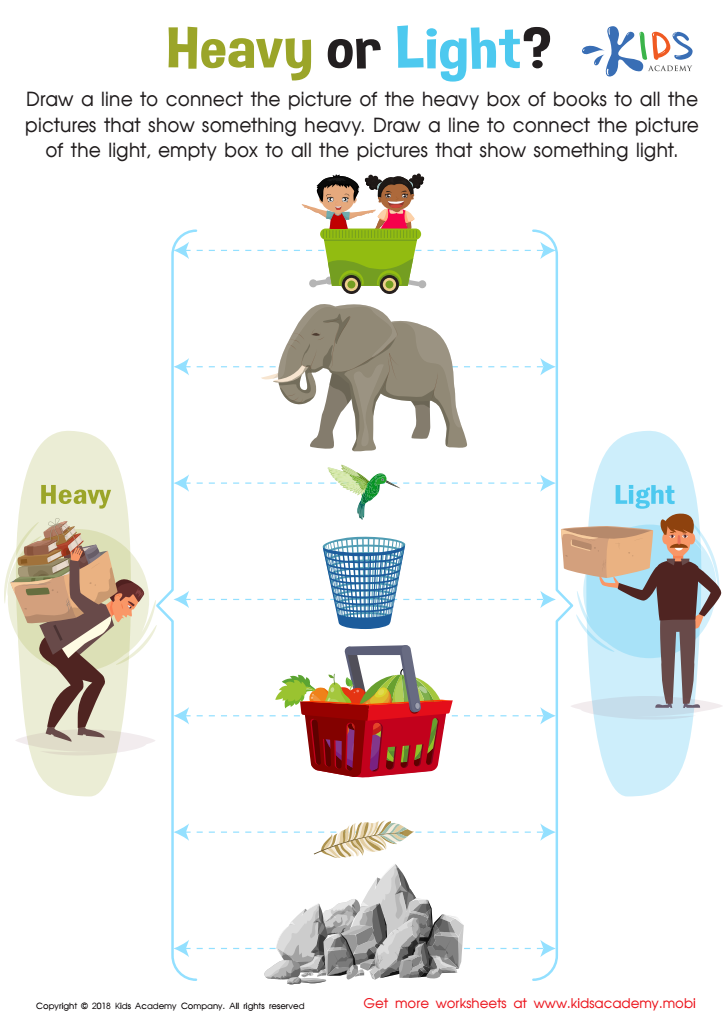
Heavy or Light? Worksheet
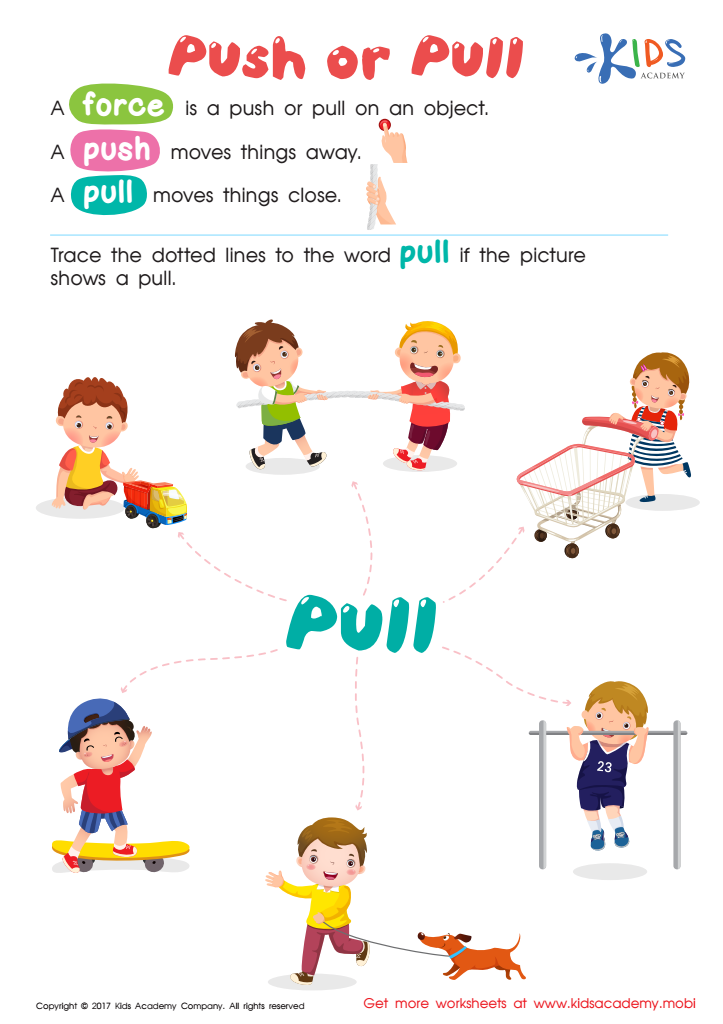
Pull or Push Worksheet
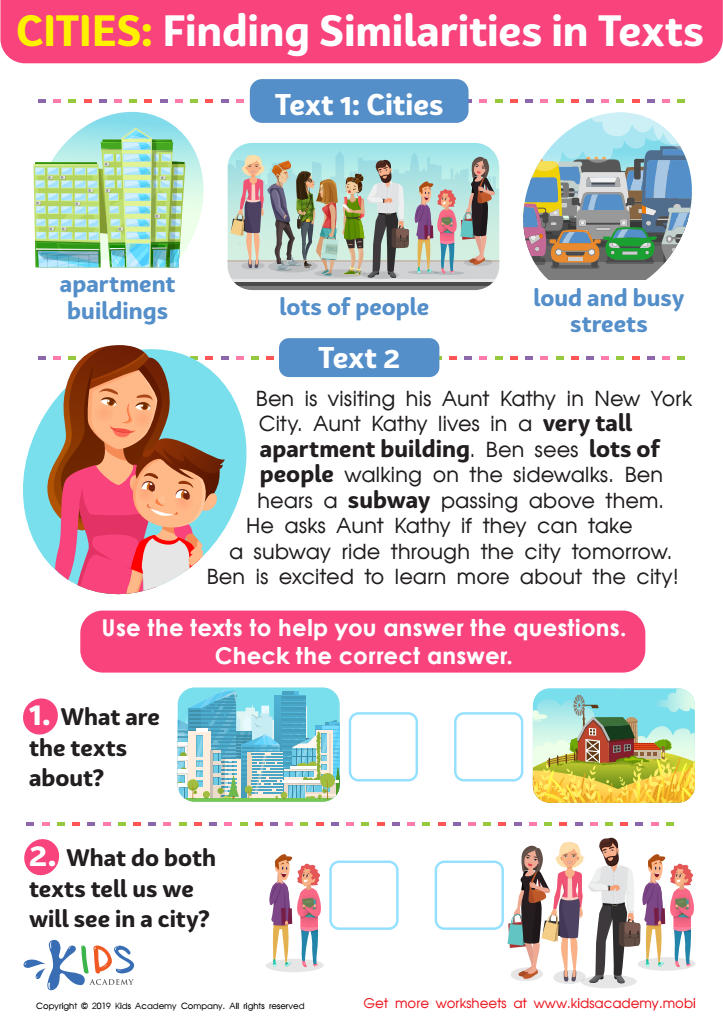
Cities: Finding Similarities Worksheet
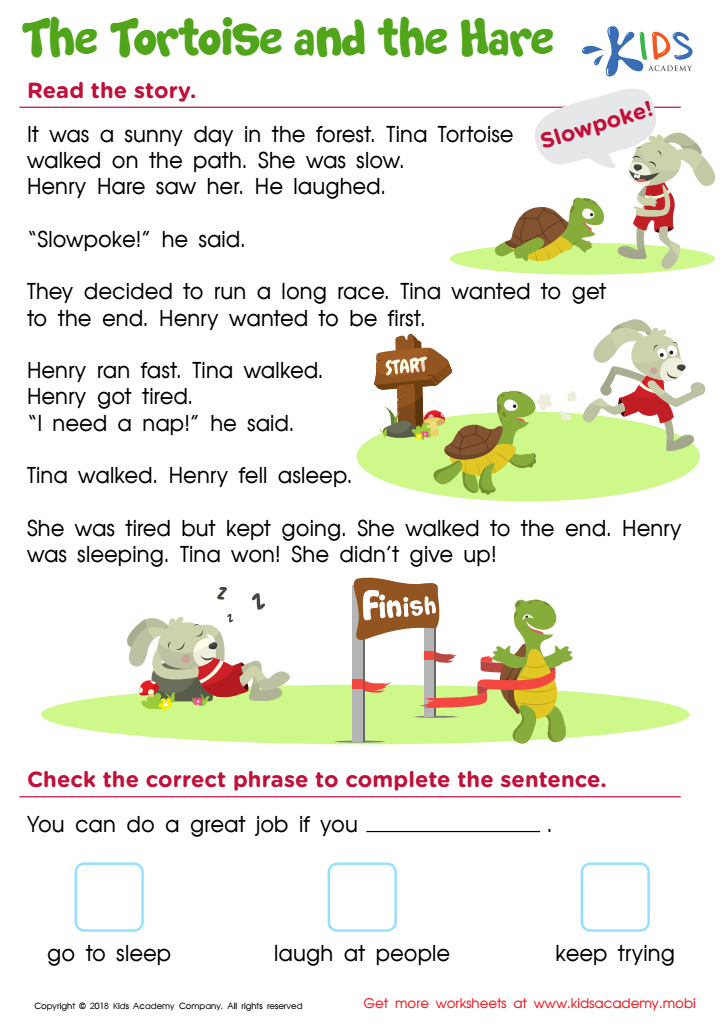
The Tortoise and the Hare Worksheet
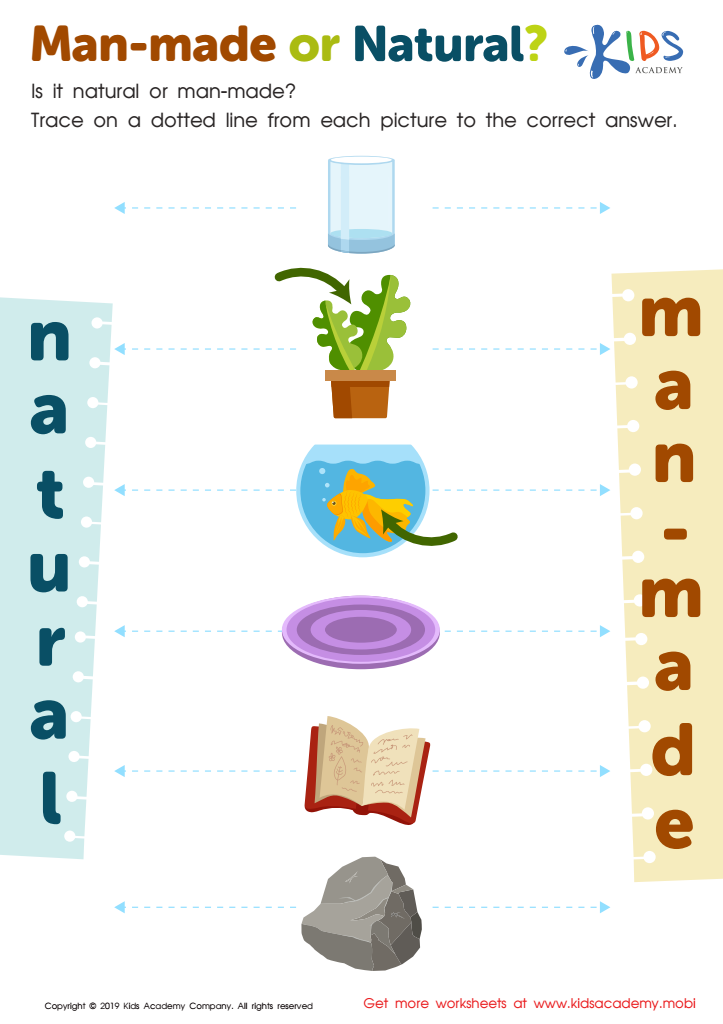
Man-Made or Natural? Worksheet
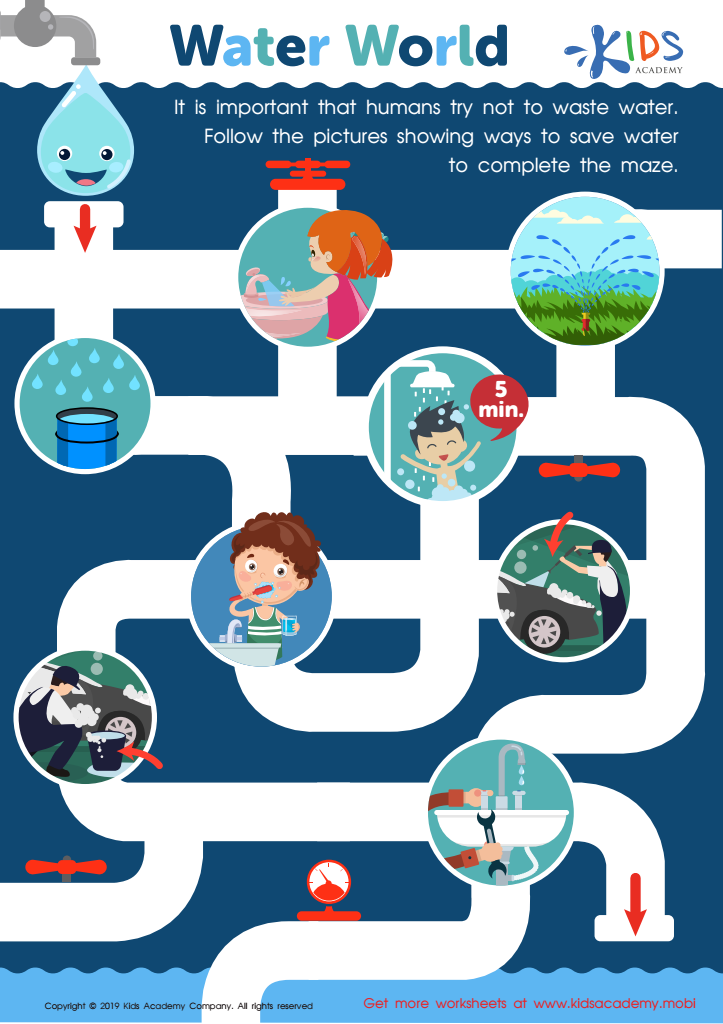
Water World Worksheet







Enhancing observation skills in 6-year-olds is crucial for their cognitive and social development. For one, strong observation skills lay the foundation for critical thinking and problem-solving. When children learn to notice details and differences in their environment, they become more adept at understanding how things work, which fuels their curiosity and desire to learn.
In the classroom, keen observation helps children follow instructions better and engage more deeply with learning materials. For example, when observing a science experiment, children who notice small changes or reactions are better equipped to grasp the concepts being taught. These skills are equally valuable in reading and math, where attentive observation can mean the difference between grasping key concepts and falling behind.
Beyond academics, good observation skills play a critical role in social development. Children who are attentive to social cues can navigate relationships more effectively, understanding when a peer is upset or when it's their turn to speak in a conversation. This fosters empathy and better relationships with their peers.
Parents and teachers can nurture these skills through activities that encourage mindful attention to surroundings, like nature walks, detailed storytelling, and interactive games. Doing so not only enhances their academic performance but also equips them with lifelong tools for empathy, safety, and adaptability in a complex world.








