Improve vocabulary Worksheets for 6-Year-Olds
3 filtered results
-
From - To
Discover our engaging Improve Vocabulary Worksheets for 6-Year-Olds, designed to enhance language skills while making learning fun! Tailored for early learners, these worksheets incorporate colorful illustrations and interactive activities that capture children's attention. Encouraging critical thinking and creativity, they cover a variety of vocabulary-building exercises, including word recognition, matching, and sentence formation. Parents and educators can easily access and print these resources to support at-home learning or classroom activities. Watch as little ones expand their vocabulary and develop a love for language through enjoyable, age-appropriate tasks. Start boosting your child's communication skills today with our expertly crafted worksheets!
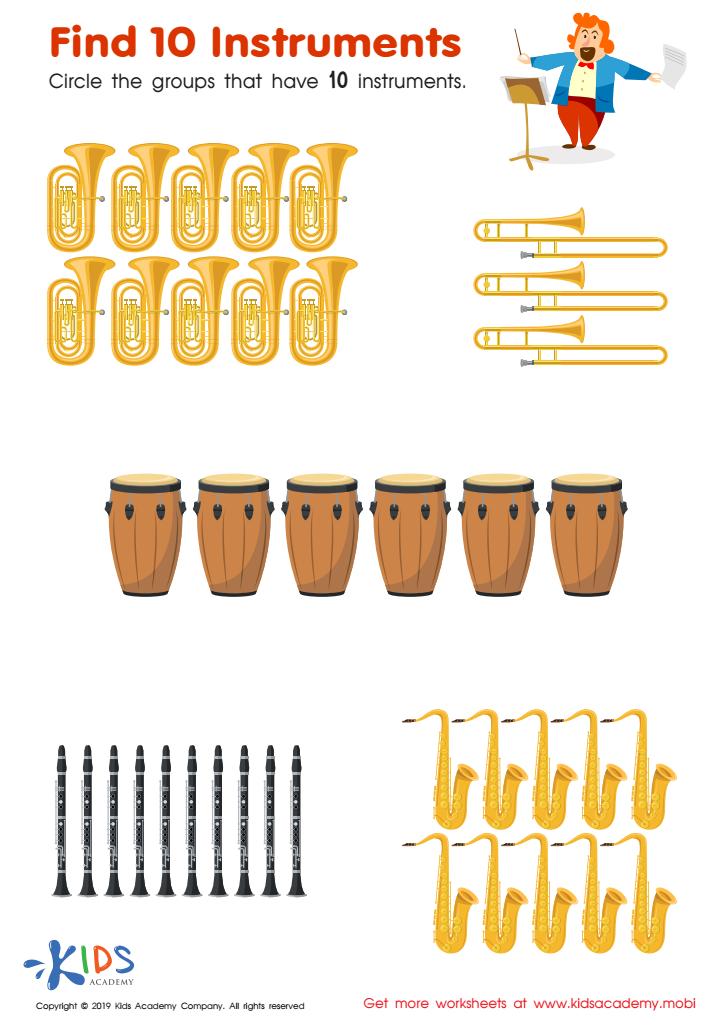
Find 10 Instruments Worksheet
 Assign to My Students
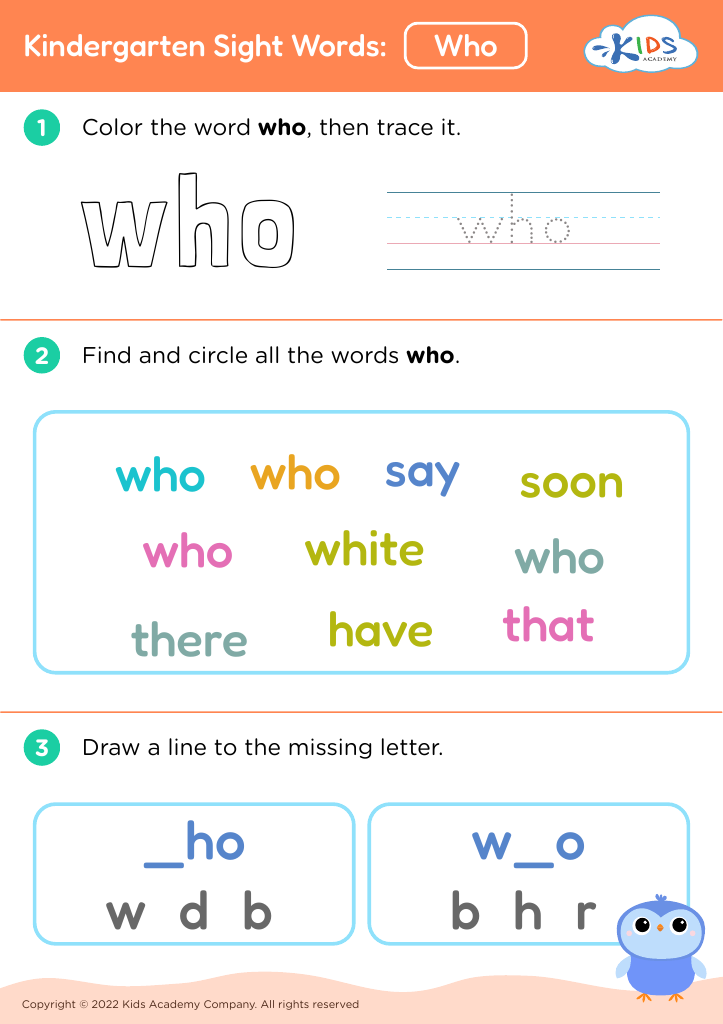








Improving vocabulary in 6-year-olds is crucial for several reasons. At this age, children are rapidly developing their language skills, and a rich vocabulary enhances their ability to communicate effectively. A strong vocabulary supports reading comprehension; children who can recognize and understand more words are better equipped to grasp the meaning of stories, discussions, and lessons. When parents and teachers focus on vocabulary development, they are laying the groundwork for academic success in future subjects.
Moreover, a well-developed vocabulary fosters critical thinking. As children learn new words, they can express their thoughts and ideas more precisely, encouraging creative expression and boosting self-confidence. Engaging in conversations, asking questions, and exploring new terms also enhances their social skills, allowing them to connect with peers and adults more meaningfully.
Additionally, nurturing vocabulary development can break down barriers to learning. Children with limited vocabulary may struggle to keep up with their peers in school, which can lead to frustration and decreased motivation. By actively promoting vocabulary enhancement through reading, interactive discussions, and practical word games, parents and teachers can enrich children's learning experiences and instill a lifelong love for language and learning. Ultimately, investing in vocabulary improvement positively impacts a child's overall development.








