Improving reading skills Worksheets for 6-Year-Olds
6 filtered results
-
From - To
Welcome to our "Improving Reading Skills Worksheets for 6-Year-Olds" page! Designed specifically for young learners, these engaging worksheets help cultivate essential reading skills in a fun and interactive way. Each activity focuses on phonics, vocabulary development, and comprehension, making it easier for children to grasp foundational concepts. Our thoughtfully crafted resources encourage independent practice while enabling parents and educators to track progress. With colorful illustrations and age-appropriate exercises, these worksheets are perfect for enhancing early literacy. Dive in and watch your child's reading abilities flourish as they embark on an exciting literacy journey! Start improving their skills today!

Community: Homes Worksheet
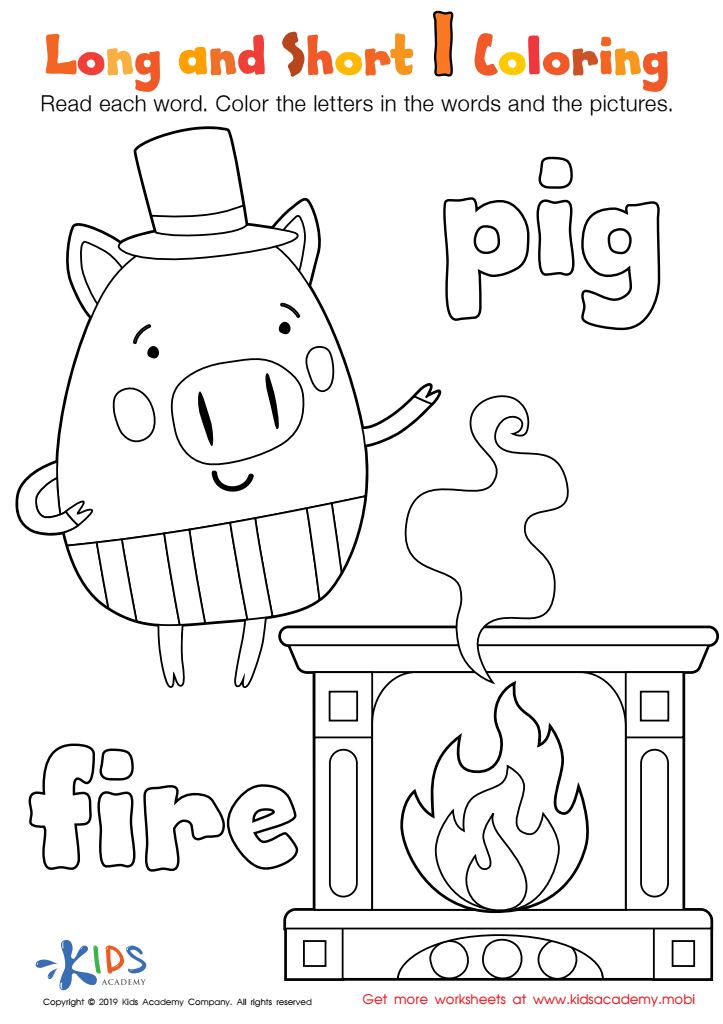
Long and Short I Worksheet
 Assign to My Students
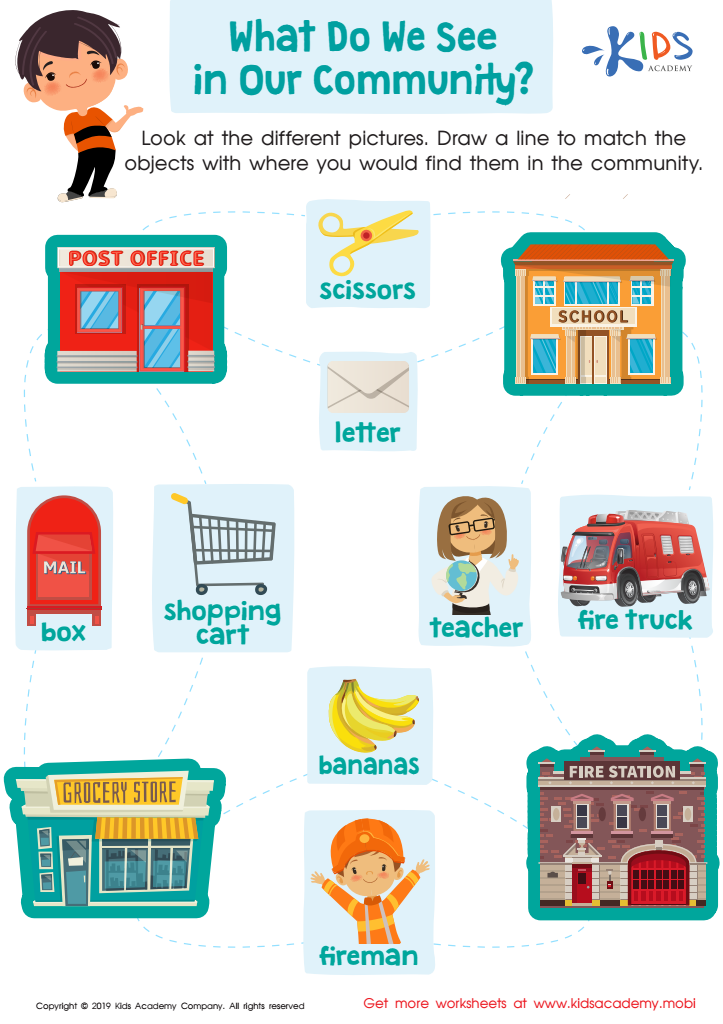
What Do We See in our Community? Worksheet
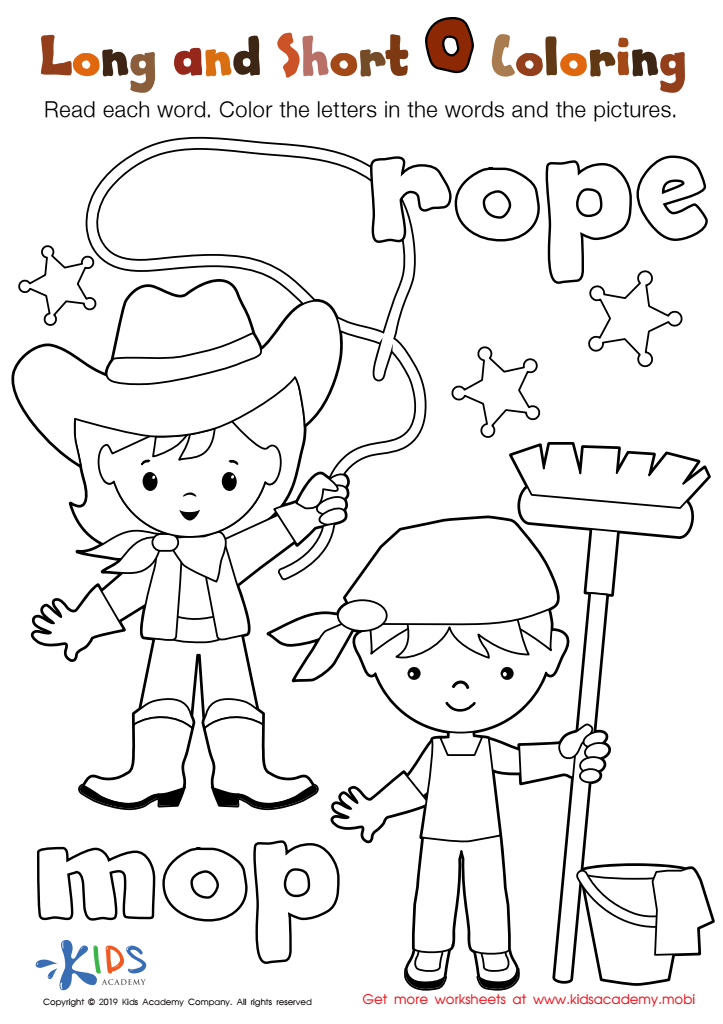
Long and Short O Worksheet
Assign to My Students
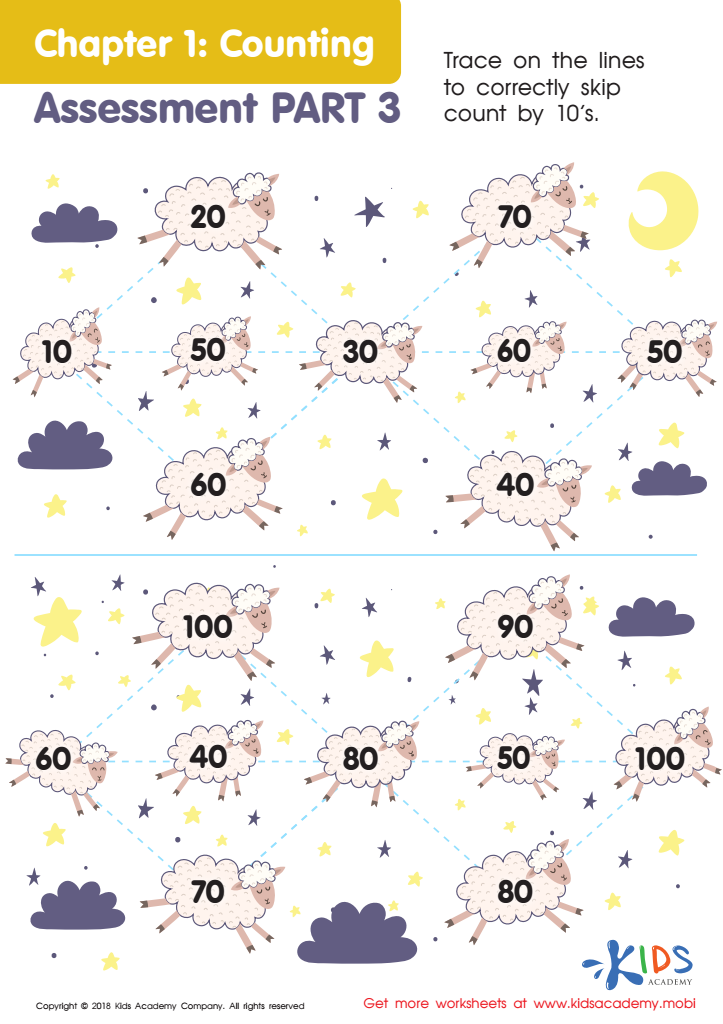
Counting: Assessment 3 Worksheet
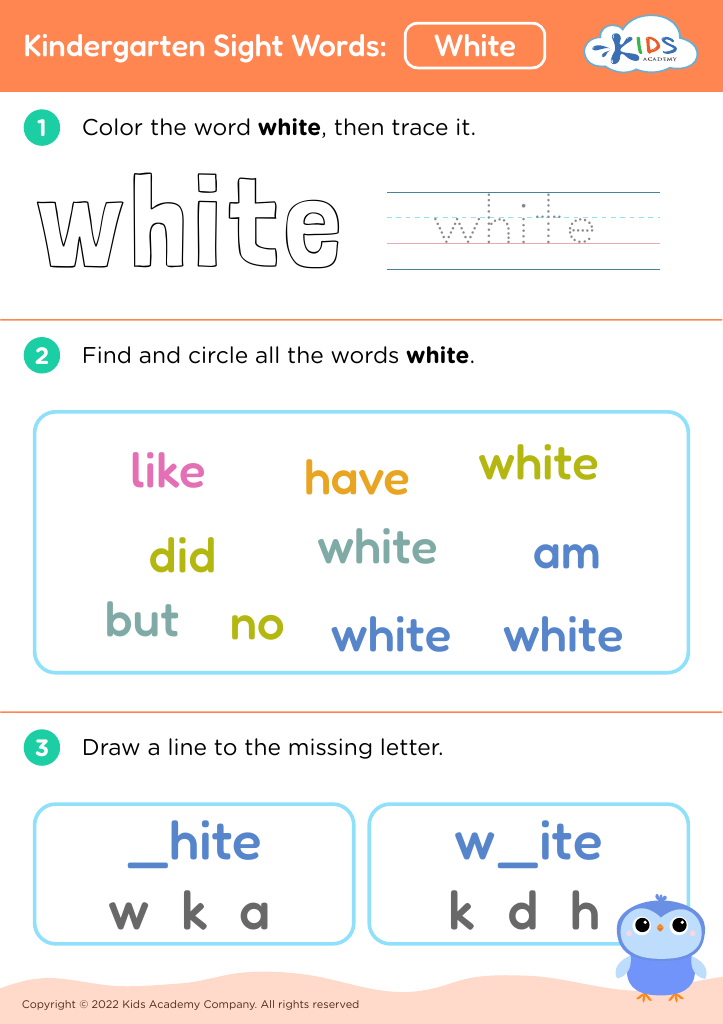








Improving reading skills in 6-year-olds is crucial for several reasons. First and foremost, reading is foundational for academic success across all subjects. As children progress in school, the ability to read fluently and comprehend texts becomes increasingly important. Early reading skills foster critical thinking, vocabulary development, and cognitive skills that are vital for all future learning.
Moreover, reading enhances a child's confidence and independence. When children can read on their own, they gain a sense of achievement and a desire to explore the world through books. This can nurture a lifelong love of reading, leading to enriched perspectives and improved critical thinking.
For parents and teachers, supporting reading development can also deepen connections through shared reading experiences. These moments not only help build skills but also strengthen the parent-child or teacher-student bond, promoting emotional support.
Finally, being proficient in reading helps children socializeles with their peers, as they can participate in discussions and play scenarios where stories and characters are involved. Thus, investing in reading skills at this young age lays the groundwork for social, emotional, and academic growth, making it an essential focus for both parents and educators.








