Sequencing events Worksheets for 6-Year-Olds
3 filtered results
-
From - To
Enhance your child's understanding of sequencing with our engaging "Sequencing Events Worksheets for 6-Year-Olds." These worksheets are designed to teach young learners the importance of order in storytelling and daily routines. Each worksheet features colorful illustrations and age-appropriate activities that encourage critical thinking skills as children arrange events and identify sequences. Ideal for home or classroom use, these resources promote reading comprehension and cognitive development. Spark your child's creativity while they practice sequencing with fun and interactive exercises! Download your printable worksheets today and watch your young learner thrive in understanding the flow of events!
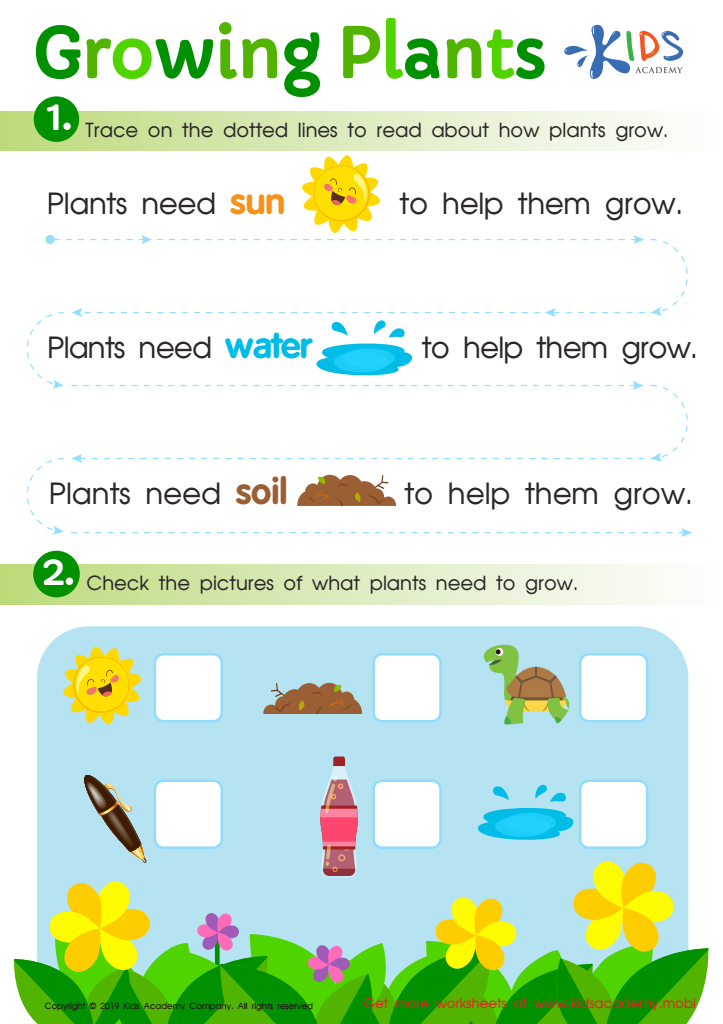
Growing Plants Worksheet
 Assign to My Students

Emperor Penguin Journey Worksheet

Cook Maze Worksheet


.jpg)

.jpg)

Sequencing events is a crucial foundational skill for 6-year-olds that significantly impacts their overall learning and development. At this age, children are beginning to understand narratives, both in literature and in daily life. By learning the order of events, children enhance their reading comprehension, enabling them to follow stories more easily and predict outcomes. This ability is not just limited to texts; it extends to their own experiences, helping them recount and organize daily happenings, which boosts their language skills and storytelling abilities.
Moreover, sequencing cultivates critical thinking and problem-solving skills. When children learn to arrange events logically, they develop an understanding of cause and effect, which is essential for making connections and drawing conclusions in various subjects, particularly in science and mathematics.
For parents and teachers, fostering sequencing skills in young learners also nurtures their independence. It equips them to plan activities, complete tasks efficiently, and manage time effectively. Engaging in activities that emphasize sequencing—such as crafting timelines, cooking tasks, or narrating stories—encourages collaboration between adults and children, fostering strong communication and relationship-building skills. Ultimately, prioritizing sequencing at this crucial stage lays the groundwork for a child's academic success and cognitive development in the future.








