Understanding citizenship Worksheets for 6-Year-Olds
6 filtered results
-
From - To
Explore our engaging "Understanding Citizenship Worksheets" designed specifically for 6-year-olds! These printable resources help young learners grasp the fundamental concepts of citizenship in a fun and interactive way. Through stimulating activities, children will discover the importance of being a good citizen, understanding community roles, and practicing kindness. Our worksheets encourage critical thinking and discussions on responsibilities, rights, and the value of helping others. Perfect for homeschoolers and classroom educators alike, these worksheets make learning about citizenship an enjoyable experience. Help your child build a strong foundation in civic understanding while fostering important social skills! Download now and watch them thrive!
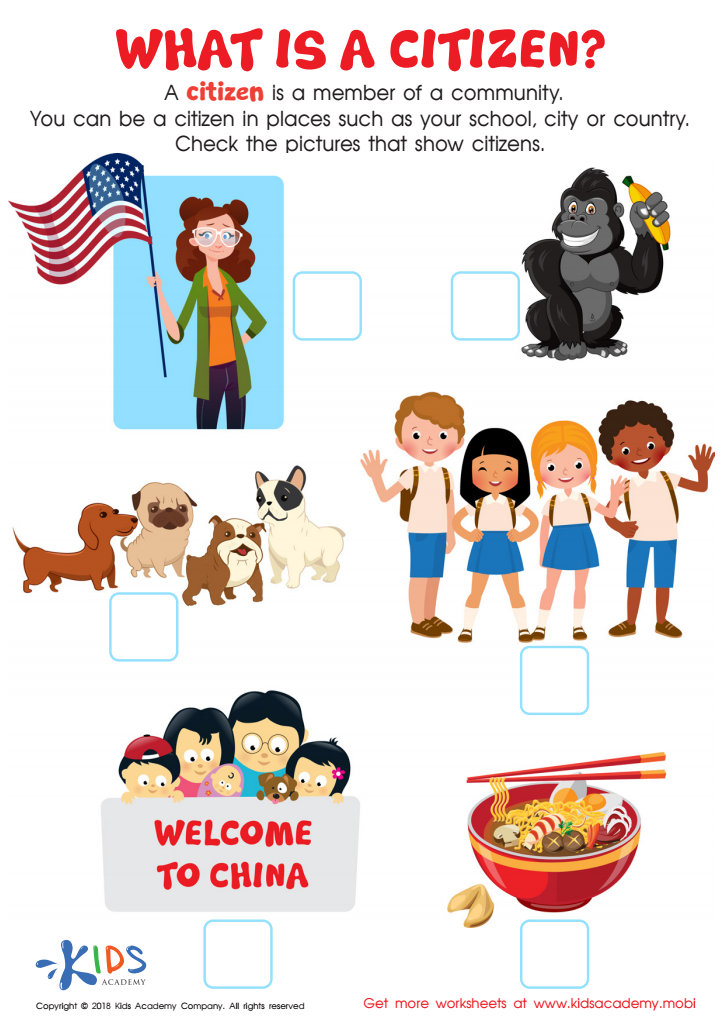
What is a Citizen? Worksheet
 Assign to My Students
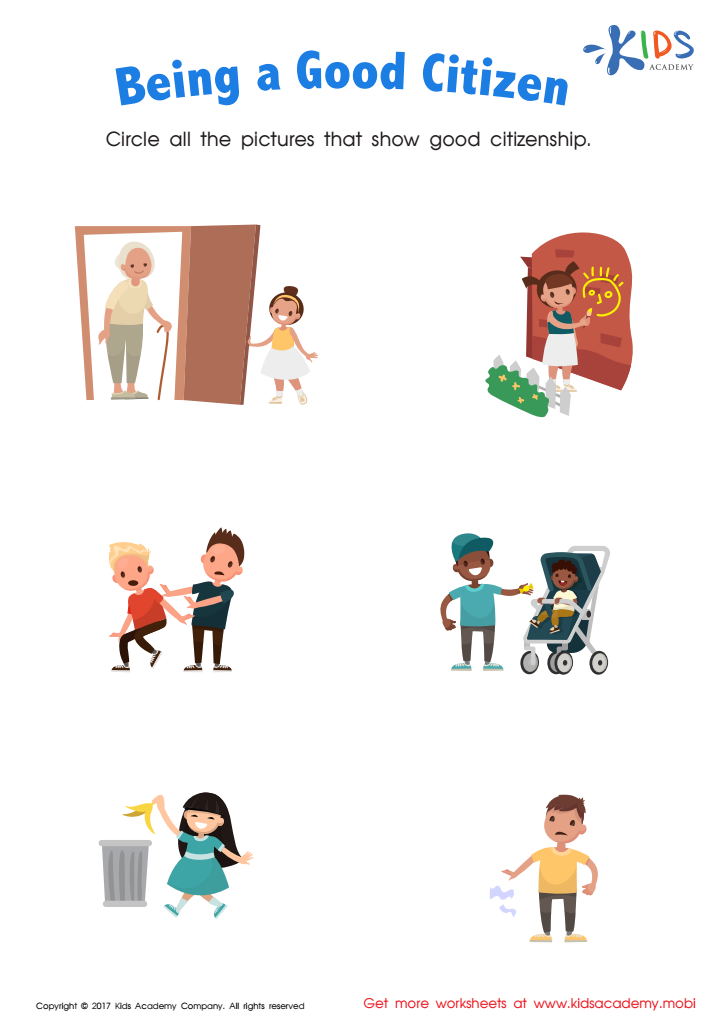
Being a Good Citizen Printable
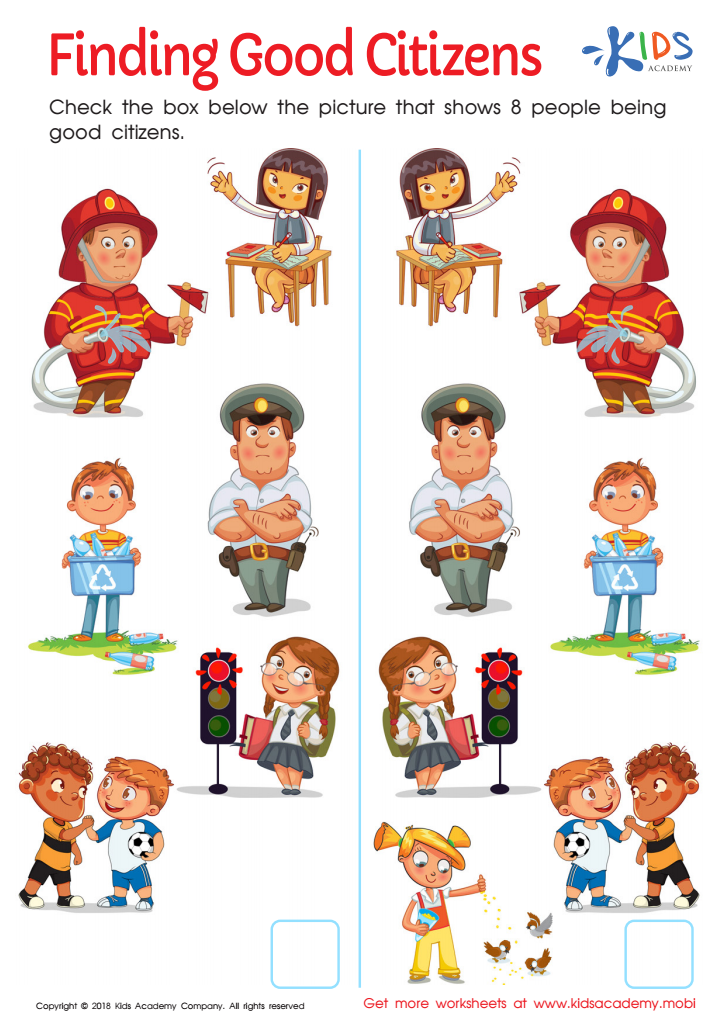
Finding Good Citizens Worksheet
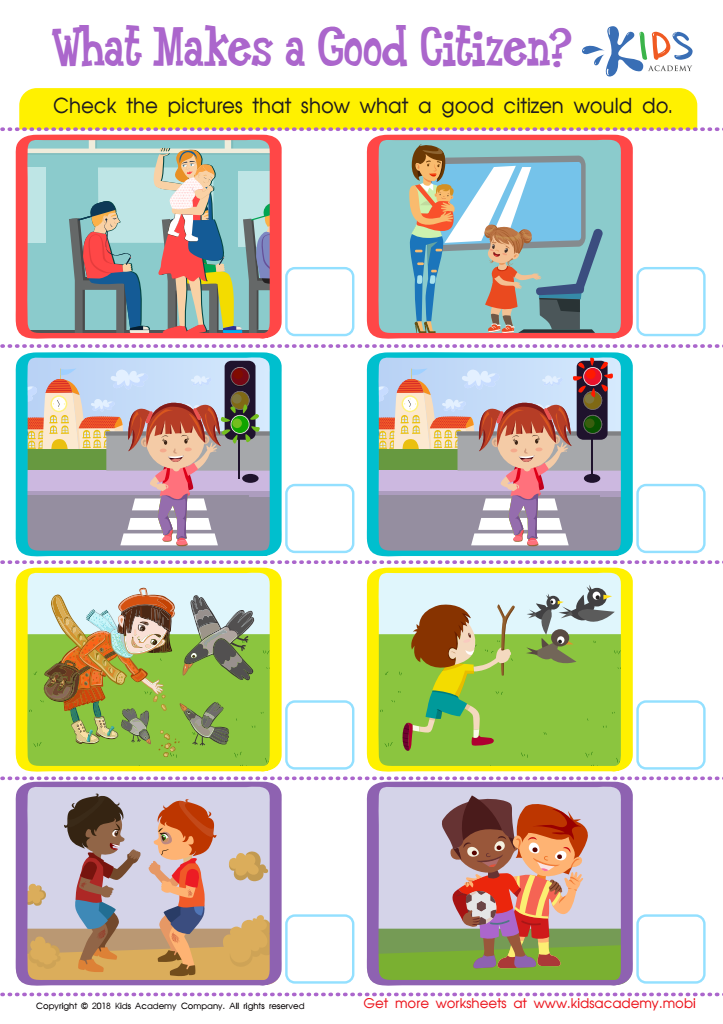
What Makes a Good Citizen? Worksheet
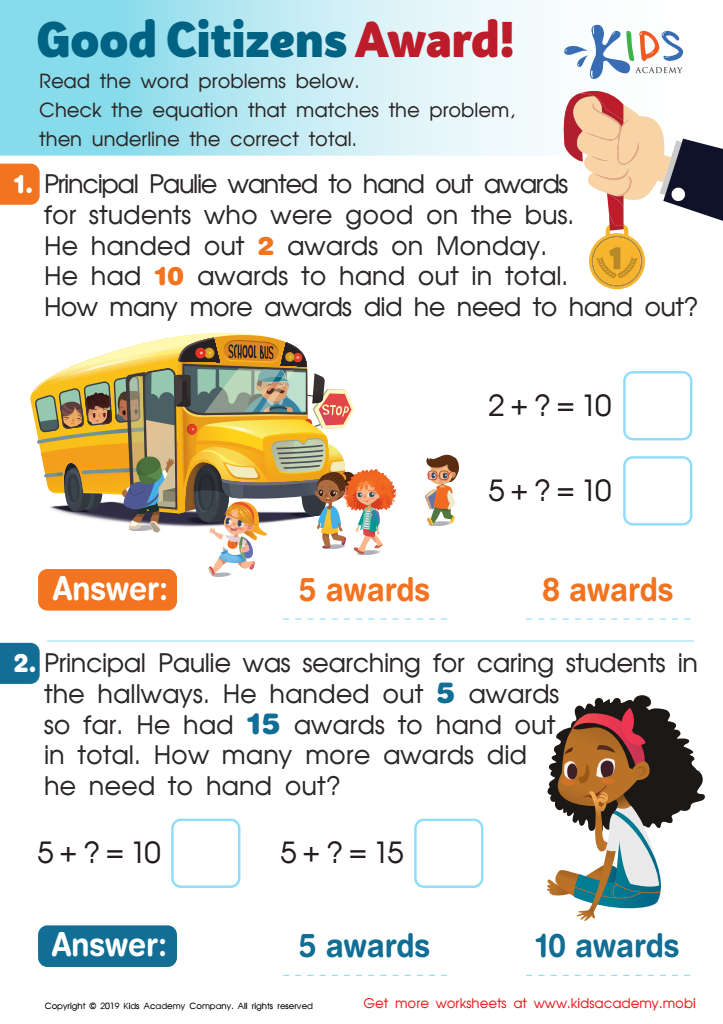
Good Citizens Award! Worksheet
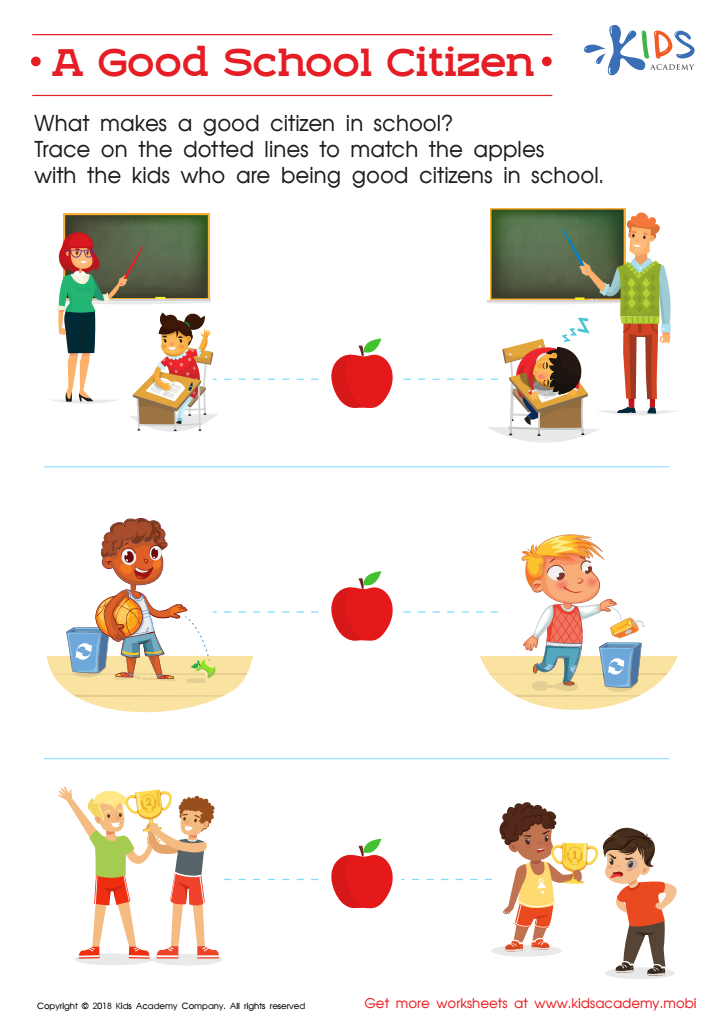
A Good School Citizen Worksheet


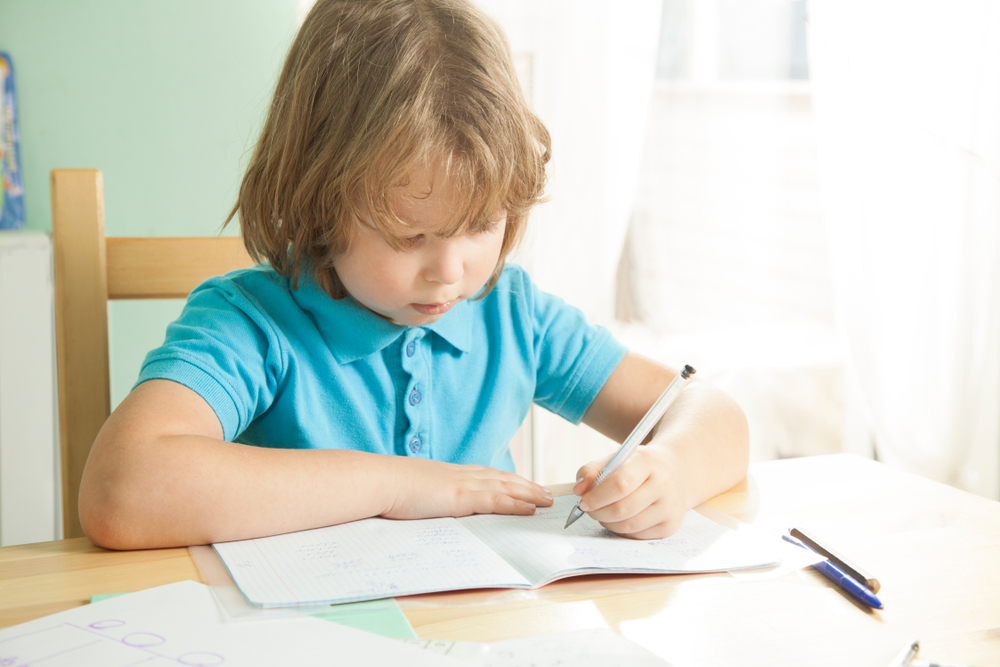

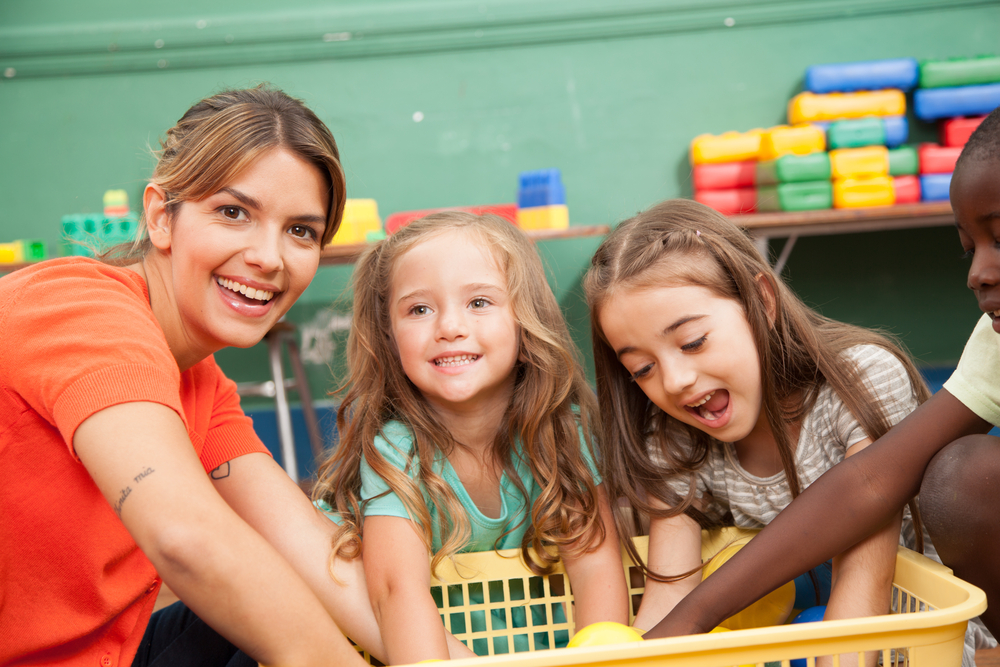



Understanding citizenship is crucial for six-year-olds as it lays the foundation for their social and emotional development. At this age, children are beginning to grasp their roles within their families, classrooms, and larger communities. Teaching citizenship encourages values such as respect, responsibility, and empathy, which are essential for harmonious living with others.
By introducing concepts of citizenship early on, parents and teachers can help children understand the significance of inclusion, cooperation, and the rights and responsibilities that come with being part of a community. For example, they can learn about sharing, fairness, and how to resolve conflicts, which sets the stage for positive social interactions.
Furthermore, cultivating a sense of belonging and community responsibility at a young age nurtures engaged and conscientious citizens. It primes children to be more aware of their surroundings, fostering a sense of pride and stewardship for their environment.
In essence, prioritizing citizenship education for young learners instills life skills that transcend academics, helping shape them into respectful and responsible individuals prepared to contribute meaningfully to society. Engaging in this process early empowers children to recognize their potential role in influencing positive change in their communities.








