Understanding skip-counting Worksheets for 6-Year-Olds
3 filtered results
-
From - To
"Understanding Skip-Counting Worksheets for 6-Year-Olds" focus on developing crucial math skills through engaging and thoughtfully designed activities. These worksheets help young learners grasp the concept of skip counting by 2s, 5s, and 10s, making math both fun and educational. Each page is filled with dynamic exercises that blend colorful illustrations with interactive tasks, ensuring kids stay captivated and eager to learn. By mastering skip counting, children lay a strong foundation for future math success, enhancing their ability to recognize patterns, improve mental calculation, and build confidence in their numerical abilities. Start your child's math journey here!
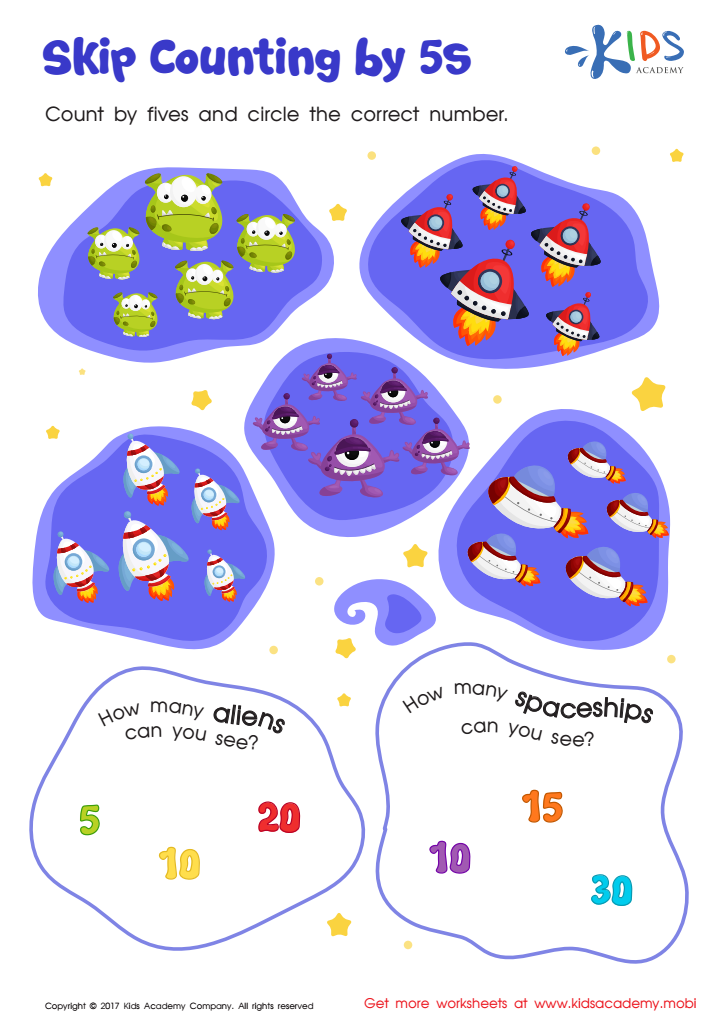
Skip Counting by 5s: Aliens and Spaceships Printable
 Assign to My Students
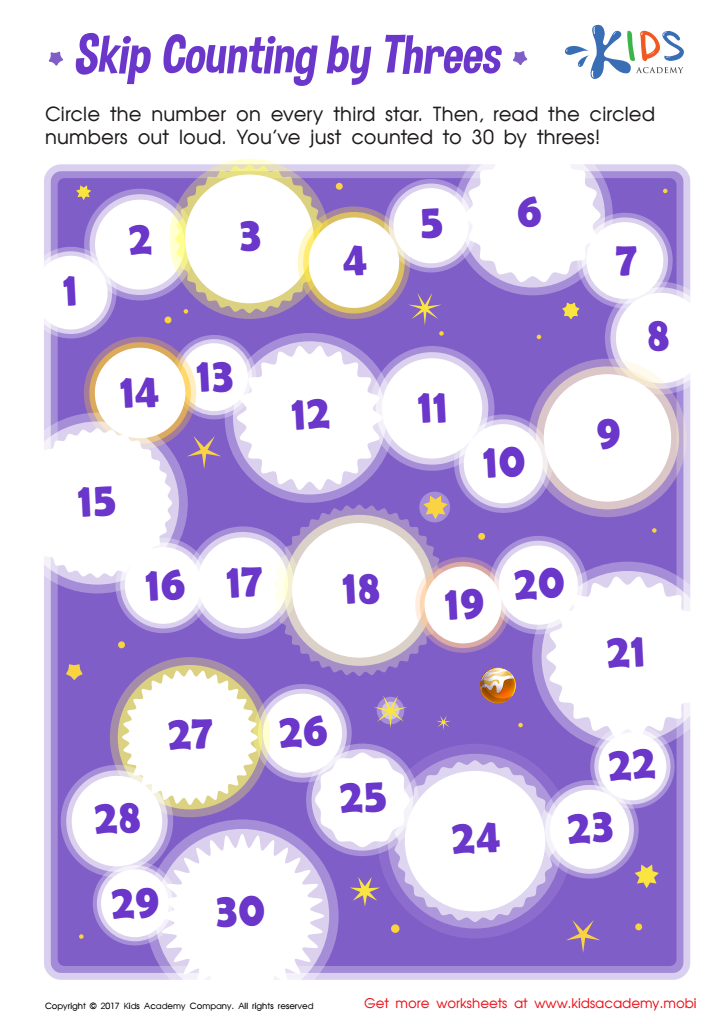
Skip Counting By Three Printable
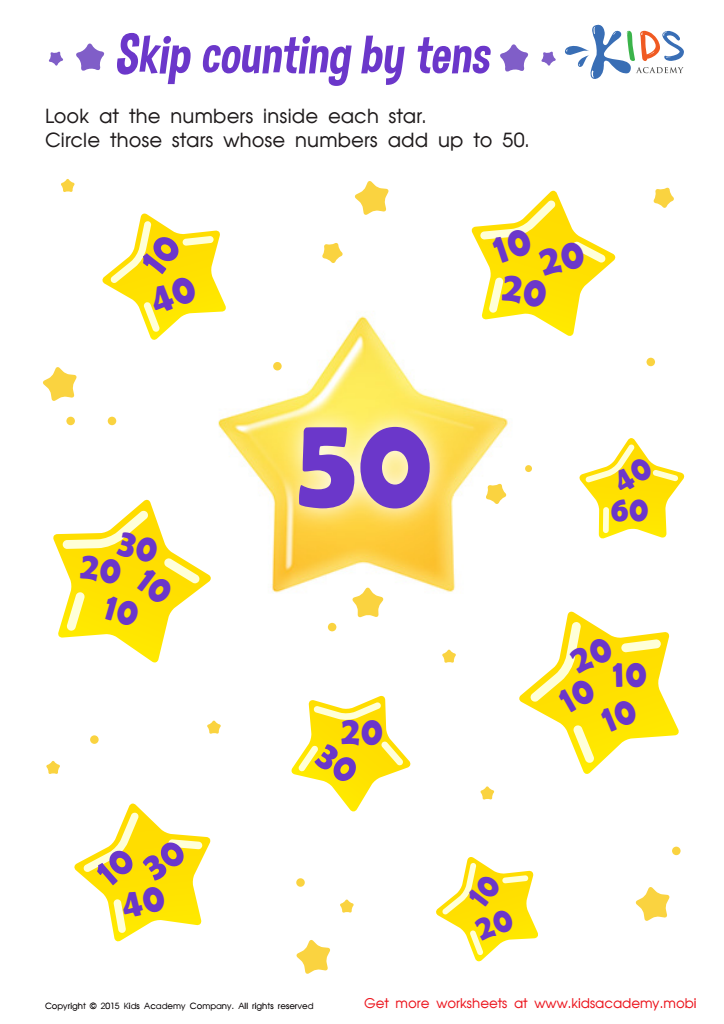
Learn Dozens: Skip Counting by Tens Printable






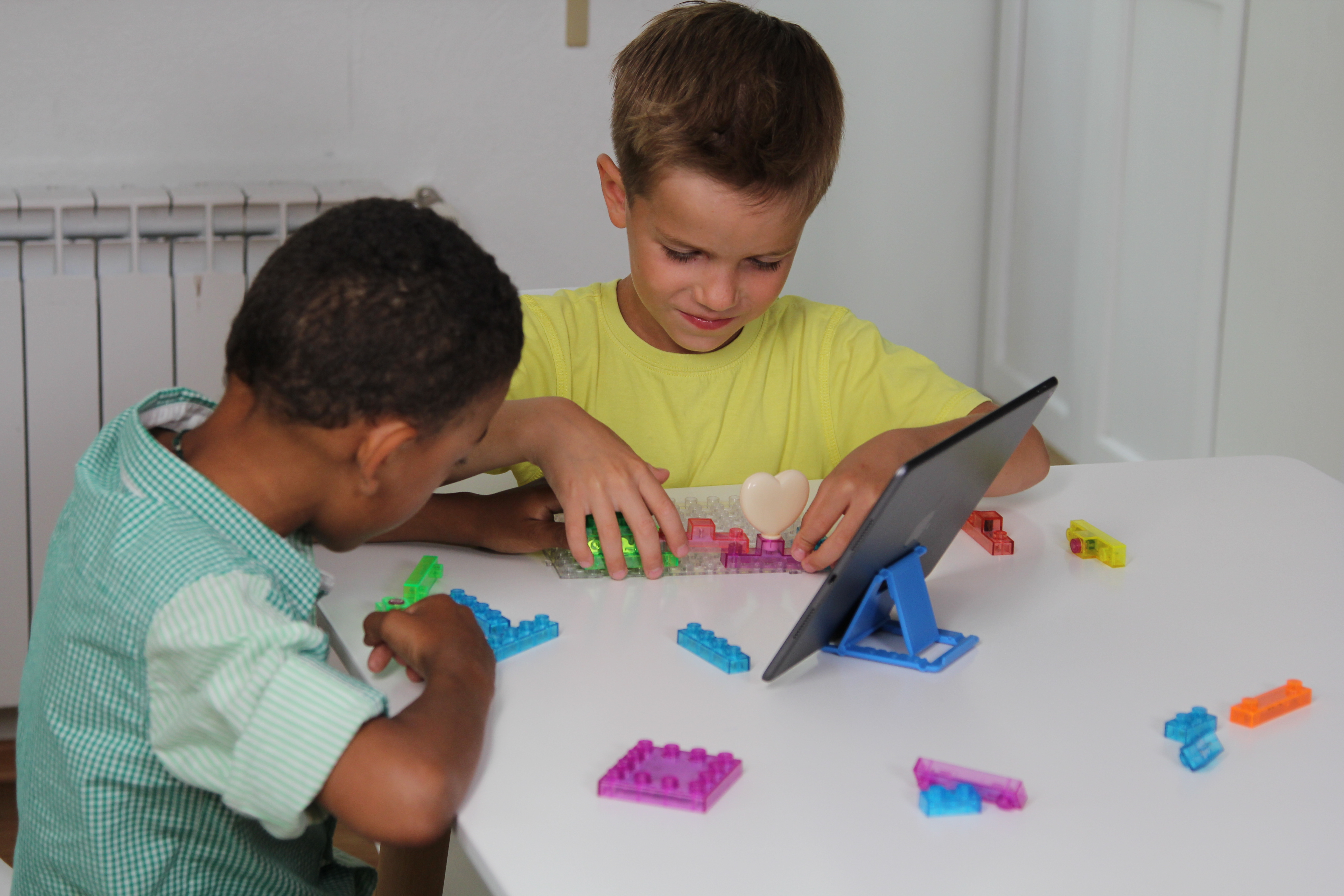

Skip-counting is a fundamental mathematical skill, crucial for young children's numeracy development. For 6-year-olds, understanding skip-counting lays the groundwork for more advanced arithmetic operations, including multiplication and division. When parents and teachers engage children in skip-counting activities, such as counting by twos, fives, or tens, they help solidify number sense, sequencing, and pattern recognition. These are key components in understanding how numbers work and their relationships to each other.
Moreover, skip-counting can make learning more interactive and fun. It helps children easily grasp the concept of grouping, which is essential when dealing with larger numbers. For instance, instead of counting objects one by one, children can count groups, making the process quicker and less error-prone. This skill is not only valuable in math but also in everyday situations like counting coins or sharing items evenly.
By prioritizing skip-counting in early education, parents and teachers ensure that children develop confidence in their mathematical abilities. They also foster critical thinking and problem-solving skills that are transferable across academic disciplines. Thus, investing time and effort in teaching skip-counting can lead to a strong mathematical foundation that benefits children throughout their educational journeys.








