Visual discrimination skills Worksheets for 6-Year-Olds
6 filtered results
-
From - To
Boost your child's cognitive development with our engaging Visual Discrimination Skills Worksheets designed specifically for 6-year-olds! These expertly crafted activities enhance crucial visual-perceptual abilities, aiding in the recognition of differences and similarities in shapes, patterns, and objects. Perfect for young learners, our worksheets provide a fun and educational way to strengthen attention to detail, improve reading skills, and build a strong foundation for future learning. Each printable sheet offers unique challenges tailored to captivate and stimulate young minds. Visit Kids Academy today to explore our collection and support your child’s growth and academic success!
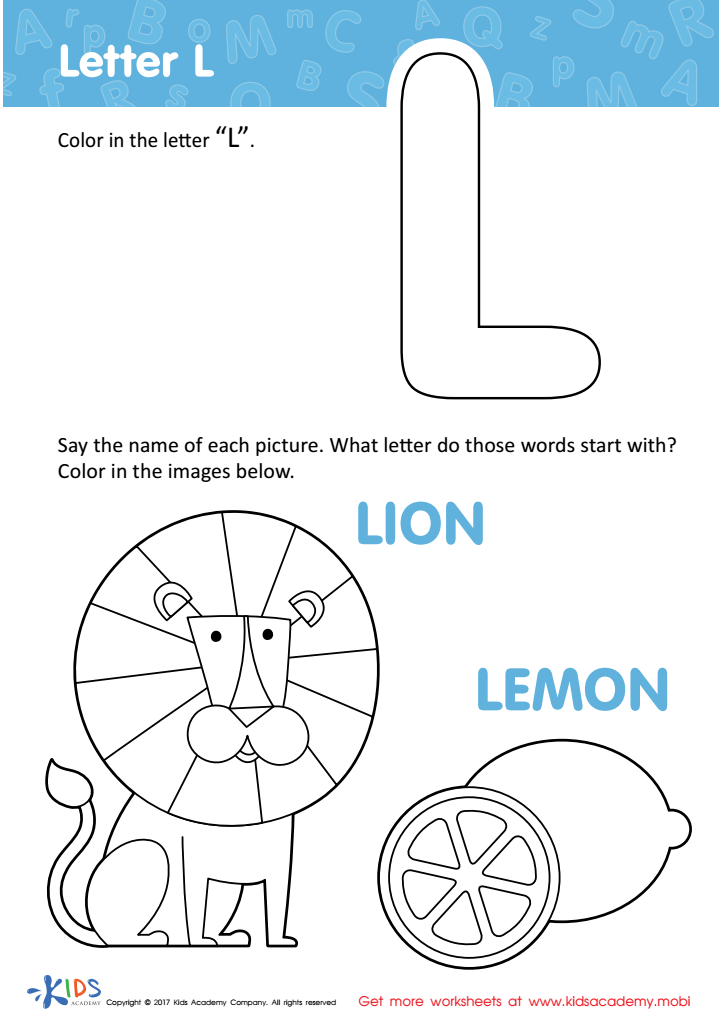
Letter L Coloring Sheet
 Assign to My Students

Find Uppercase Letters A, B, and C Worksheet
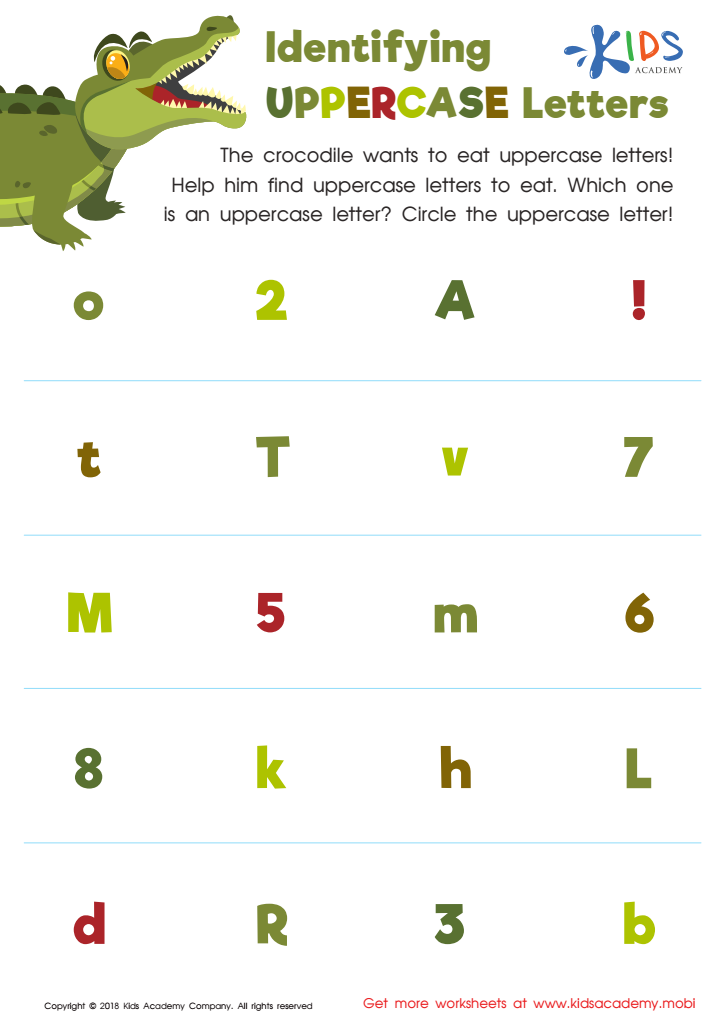
Identifying Uppercase Letters Worksheet
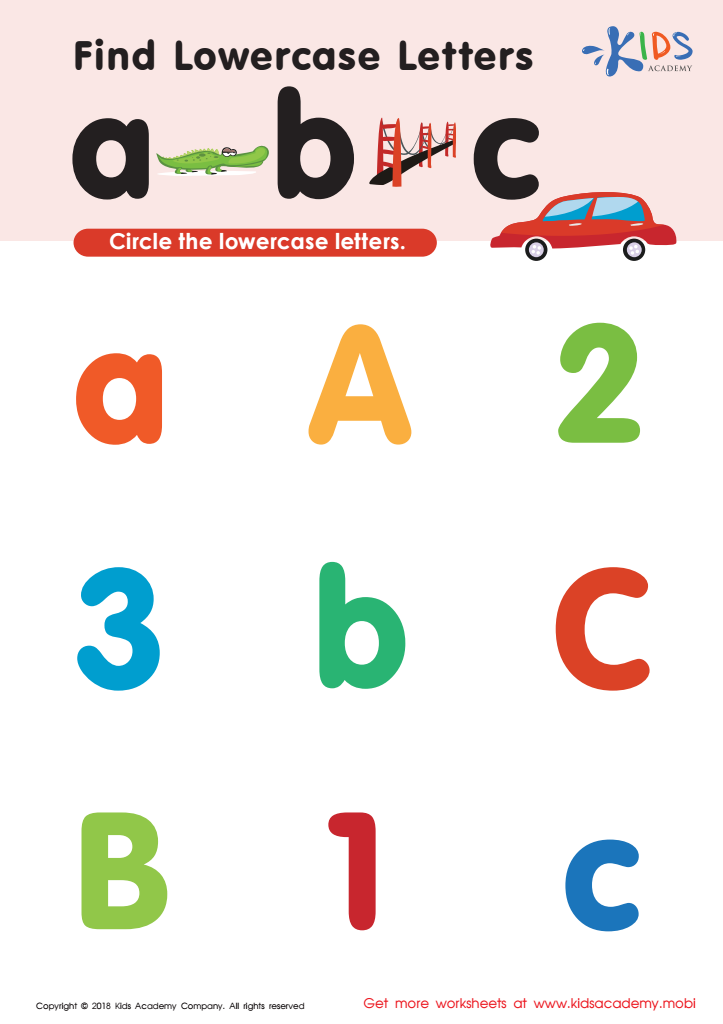
Find lowercase letters a b c Worksheet
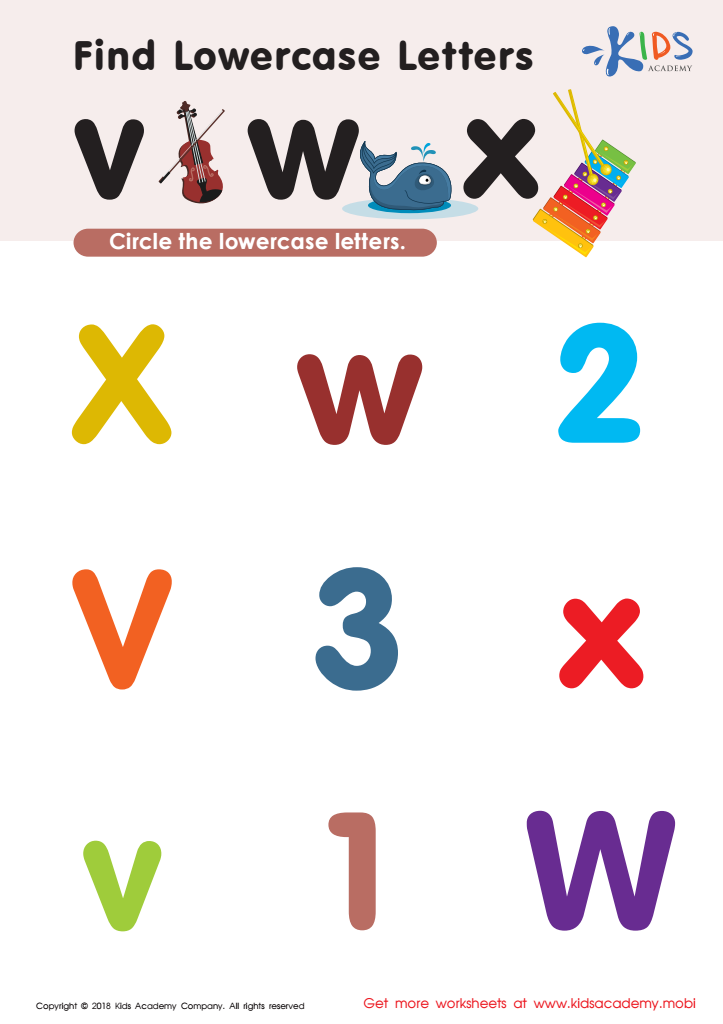
Find Lowercase Letters v w x Worksheet
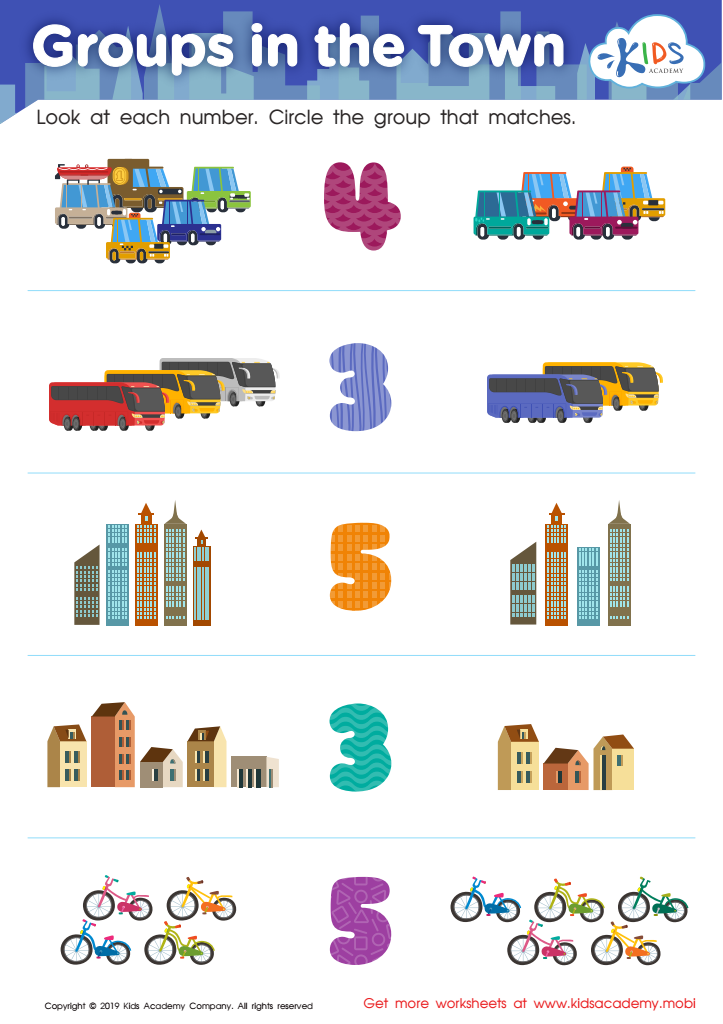
Groups in the Town Worksheet








Visual discrimination skills are the foundation for a child's ability to identify and understand the world around them through sight. For six-year-olds, developing these skills is crucial because they significantly impact academic performance and overall development. First and foremost, visual discrimination aids in reading and writing. It enables children to distinguish between different letters, words, and numerical symbols, key elements in literacy and math. For instance, the difference between 'b' and 'd' or '6' and '9’ are subtle but essential for correct reading and comprehension.
Moreover, visual discrimination is crucial in daily activities and problem-solving situations. Tasks such as sorting objects by shape, color, or size, which might appear simple, heavily rely on these skills. This ability also supports children in following instructions and completing puzzles, which enhance cognitive development.
Additionally, strong visual discrimination skills help boost a child's confidence and self-esteem. When children can easily recognize and understand visual information, they are more likely to participate and succeed in classroom activities, leading to a more positive school experience.
Without well-developed visual discrimination skills, children can face difficulties that may lead to frustration and hinder overall learning potential. Therefore, parents and teachers should prioritize activities that promote these skills to foster a solid educational foundation.








