Explore our engaging Visual Interpretation Worksheets designed specifically for 6-year-olds! These interactive resources help young learners develop essential skills in understanding and interpreting various visual cues. With fun activities featuring colorful images, simple diagrams, and relatable scenarios, children will boost their observational skills, critical thinking, and creativity. Each worksheet encourages kids to make connections between visuals and concepts, improving their comprehension in an enjoyable format. Perfect for both at-home learning and classroom use, these visual interpretation worksheets make learning an exciting adventure that fosters curiosity and enhances cognitive development. Dive into our collection today and watch your child thrive!

Check out this FREE "Visual interpretation" Trial Lesson for age 6!

Relationship Between Illustrations and the Story

Favorites
With answer key
Interactive
  • 6
  • Visual interpretation
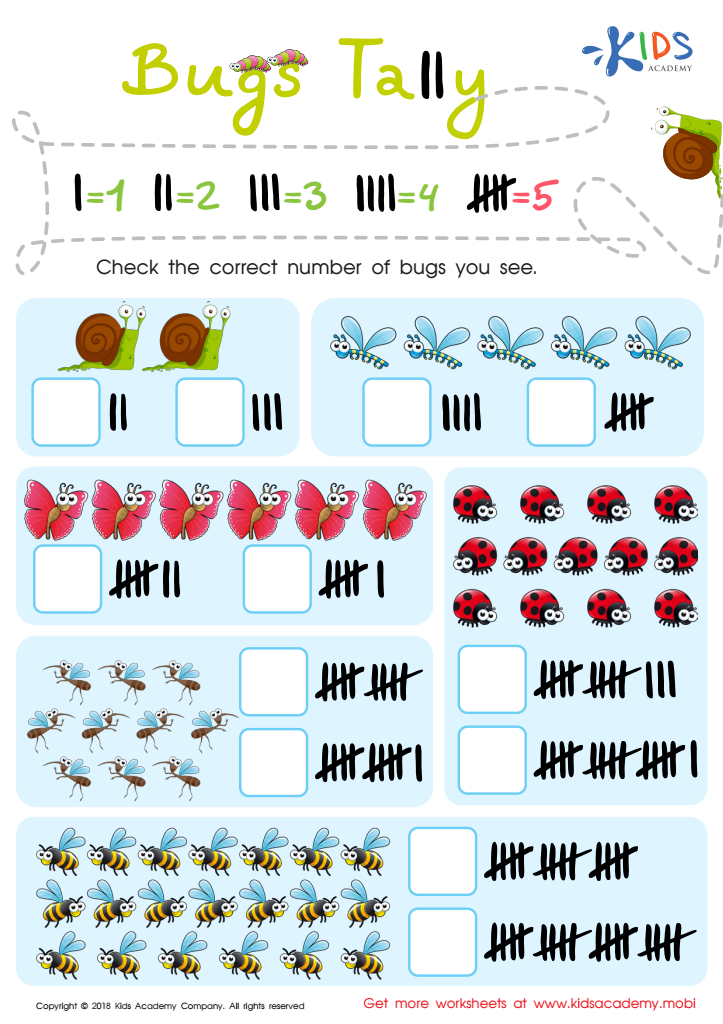
Bugs Tally Worksheet

Bugs Tally Worksheet

This fun worksheet uses friendly bugs to help young mathematicians learn numbers and tally marks. They'll gain real-world skills to help with adding, subtracting and counting. Representations will solidify number reasoning, aiding with game playing and more.
Bugs Tally Worksheet
Worksheet
Groups in the Park Worksheet

Groups in the Park Worksheet

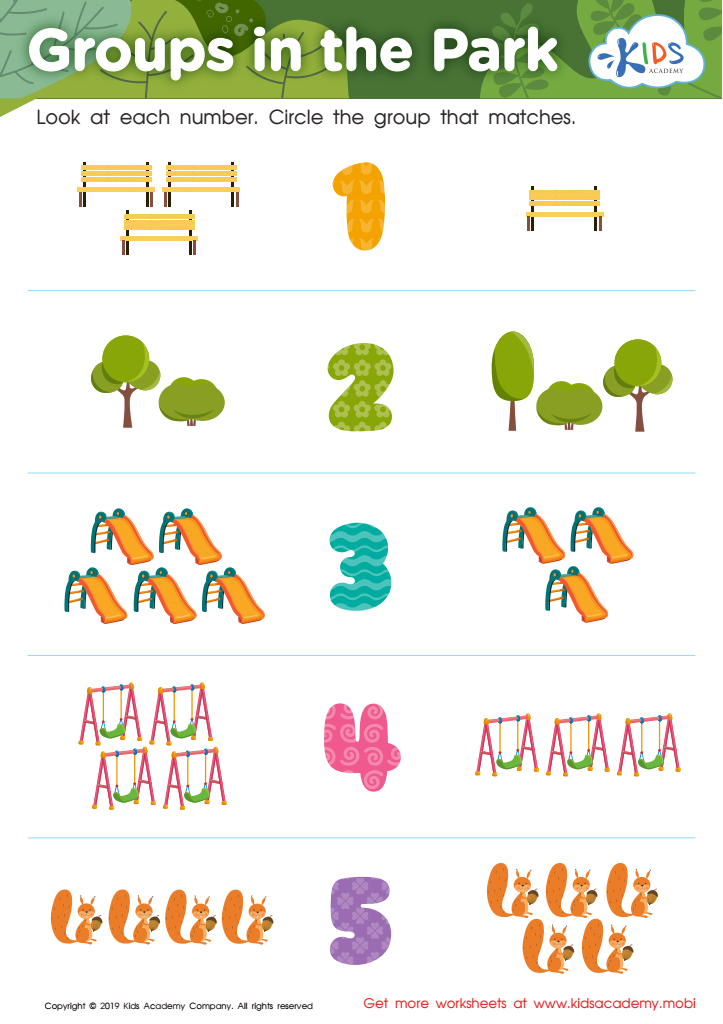
Take your kids to the park and let them enjoy the freedom to play! Ask them what they love doing most and study a picture together - name items and count objects in the sets, then circle the correct one. It's a fun way for your kids to learn.
Groups in the Park Worksheet
Worksheet
Little Red Riding Hood: Illustrations Worksheet

Little Red Riding Hood: Illustrations Worksheet

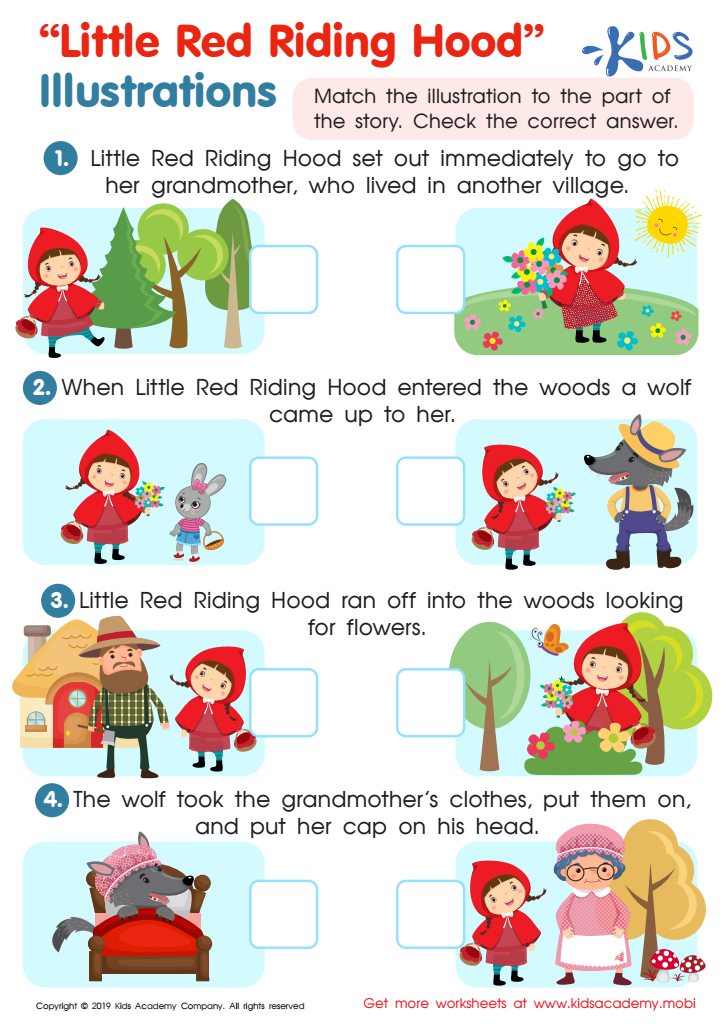
Comprehension is improved by having young readers recall and retell stories. This worksheet uses colorful illustrations of the fairytale Little Red Riding Hood. Children use their comprehension skills and strategy to match illustrations to the story parts, check off the appropriate boxes and use the pictures as clues.
Little Red Riding Hood: Illustrations Worksheet
Worksheet
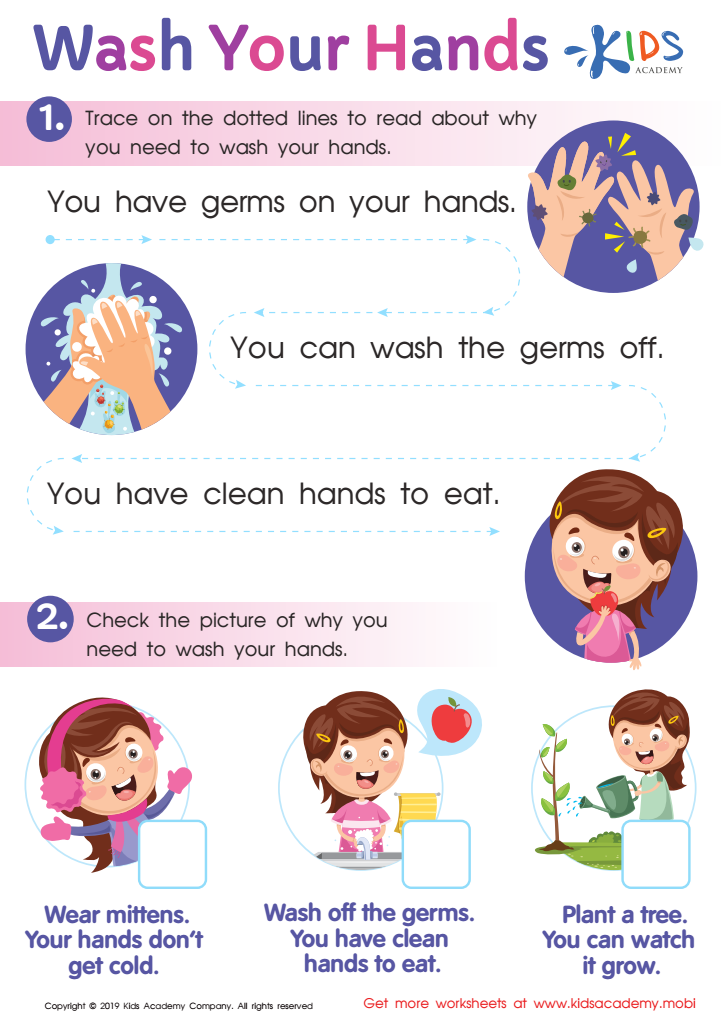
Wash Your Hands Worksheet

Wash Your Hands Worksheet

Kids learn best when they understand why they need to do something. This free worksheet uses traceable lines and pictures to teach them about germs and why washing hands is important. The child follows a left-to-right sequence and must check the correct picture to show they understand.
Wash Your Hands Worksheet
Worksheet
Puss in Boots Illustrations Worksheet

Puss in Boots Illustrations Worksheet

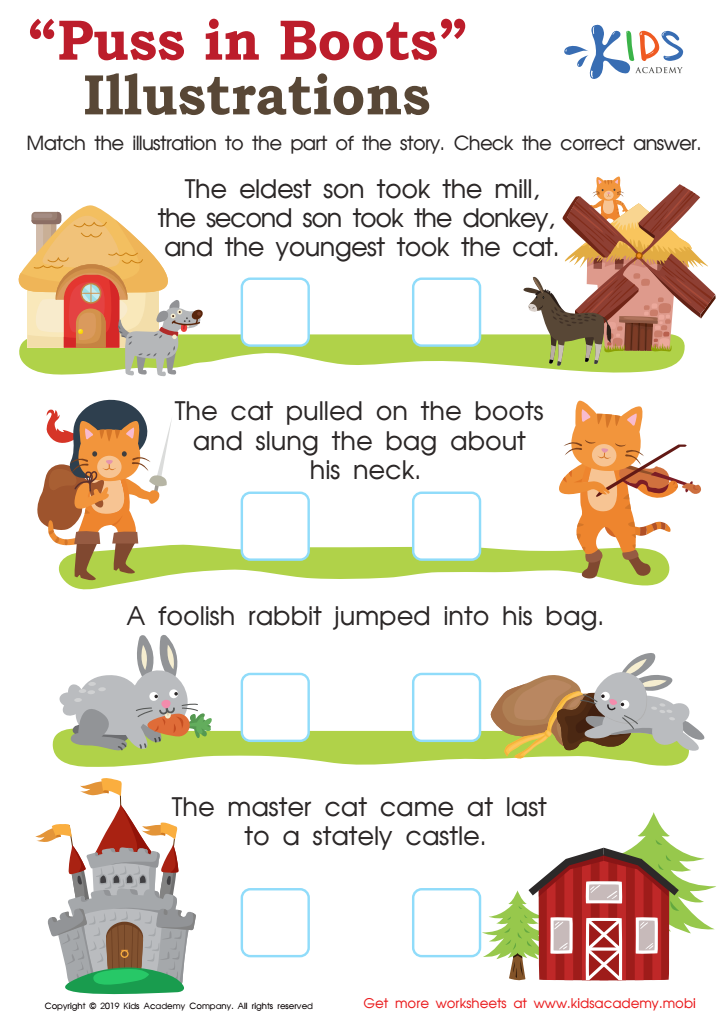
This Puss In Boots Illustrations worksheet is a great way to help kids learn about retelling stories. They'll match images to different parts of the story and check off the correct answer. As they recall events and put them in sequence they'll enjoy this fun and creative activity.
Puss in Boots Illustrations Worksheet
Worksheet
The Three Little Pigs and The Big Bad Wolf

The Three Little Pigs and The Big Bad Wolf Printable
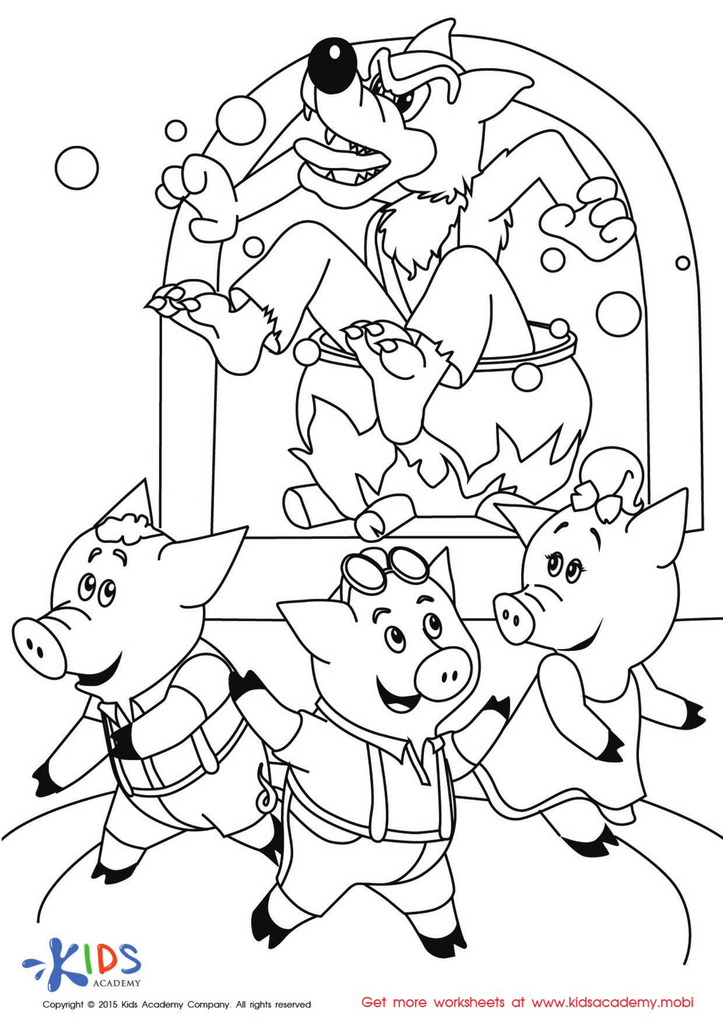
The Big Bad Wolf has learned his lesson: never bully little pigs! This free printable worksheet shows him falling into boiling water, while the three little pigs are safe and happy. Let your kids bring this scene to life by coloring it in whatever way they like. When they're done, ask them if they think the Big Bad Wolf will ever return.
The Three Little Pigs and The Big Bad Wolf Printable

Worksheet
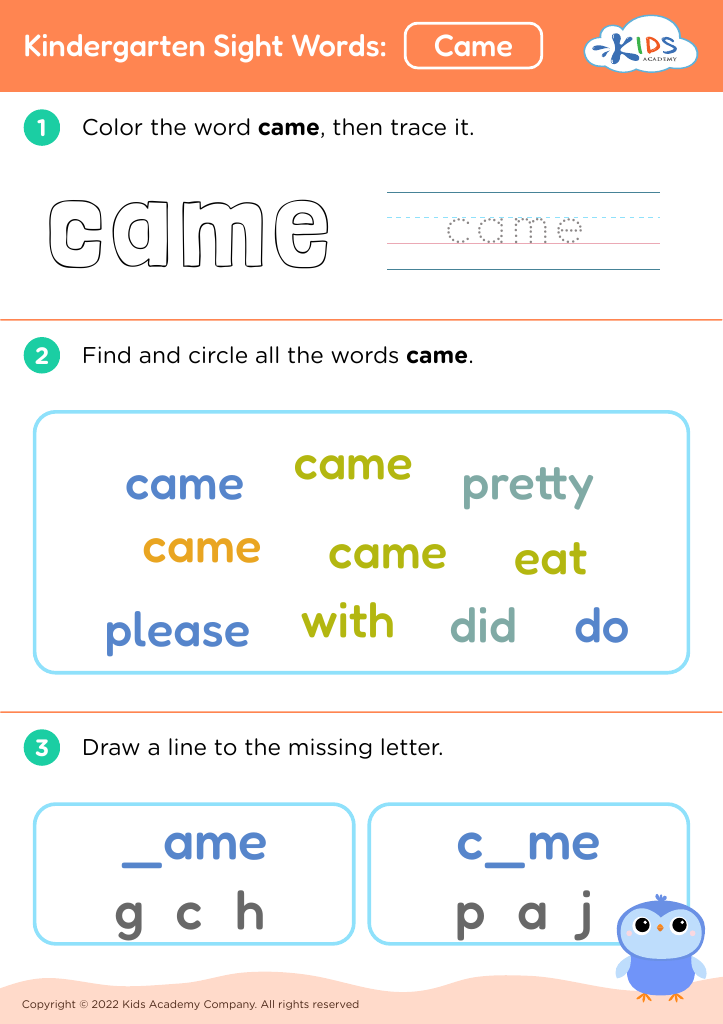
Kindergarten Sight Words: Came

Kindergarten Sight Words: Came

Kindergarten Sight Words: Came
Worksheet


Visual interpretation is a vital skill for 6-year-olds, as it lays the foundation for effective communication and critical thinking. At this age, children are developing their ability to understand and interact with the world around them. Teaching them to interpret visuals—such as pictures, diagrams, and charts—enables them to comprehend information more holistically and contextually. It fosters creativity and encourages them to express their thoughts and ideas in various ways.

Moreover, visual interpretation enhances literacy skills. As children read books with illustrations, they learn to connect text with images, improving comprehension and retention. This skill is particularly significant as it prepares them for more advanced learning in subjects like science and math, where visuals play a crucial role in explaining complex concepts.

Parents and teachers should prioritize visual interpretation not only for academic success but also for social development. Understanding visual cues helps children navigate social interactions and environments, fostering empathy and awareness. By encouraging visual literacy, caregivers can instill confidence in young learners that will benefit them throughout their education and daily life. Fostering these skills early on sets the stage for lifelong learning and adaptability in an increasingly visual world.