Visual-spatial skills Worksheets for 6-Year-Olds
3 filtered results
-
From - To
Enhance your child's visual-spatial skills with our engaging worksheets designed specifically for 6-year-olds! These resources promote critical thinking and help young learners develop an understanding of space, patterns, and objects. Our fun activities encourage children to explore concepts such as shape recognition, spatial awareness, and visual organization. Each worksheet offers a variety of exercises tailored to nurture cognitive development while keeping your child entertained. Perfect for at-home practice or classroom use, these worksheets are a valuable tool for building foundational skills that support later learning. Give your child the gift of creativity and confidence as they master visual-spatial concepts!
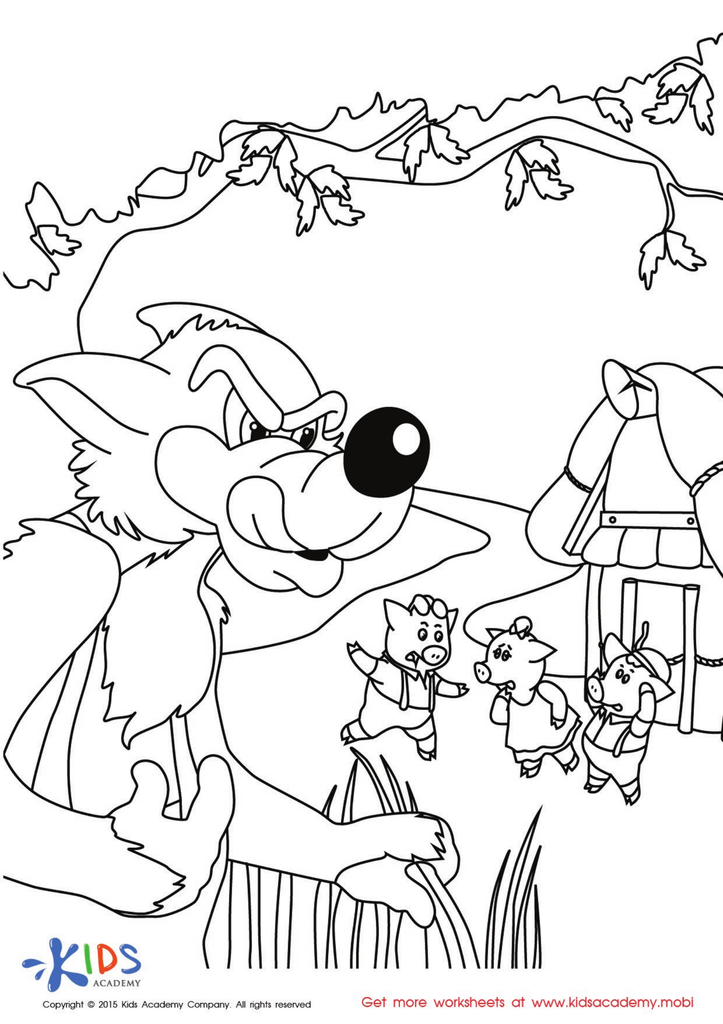
The Story of the Three Little Pigs Coloring Worksheet
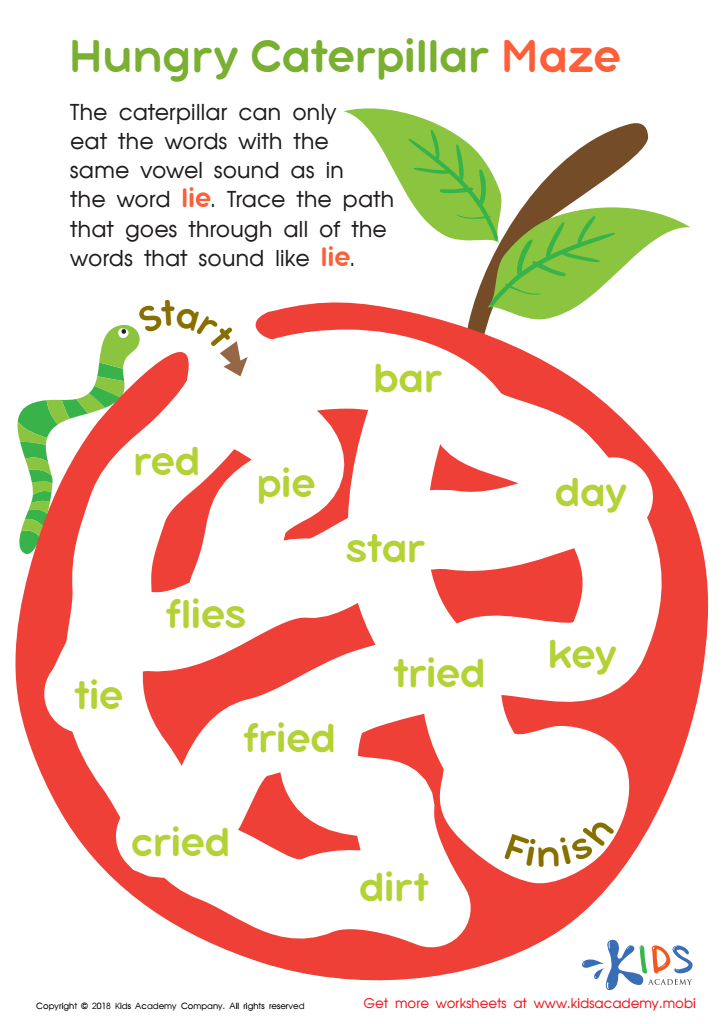
Hungry Caterpillar Maze Worksheet
 Assign to My Students
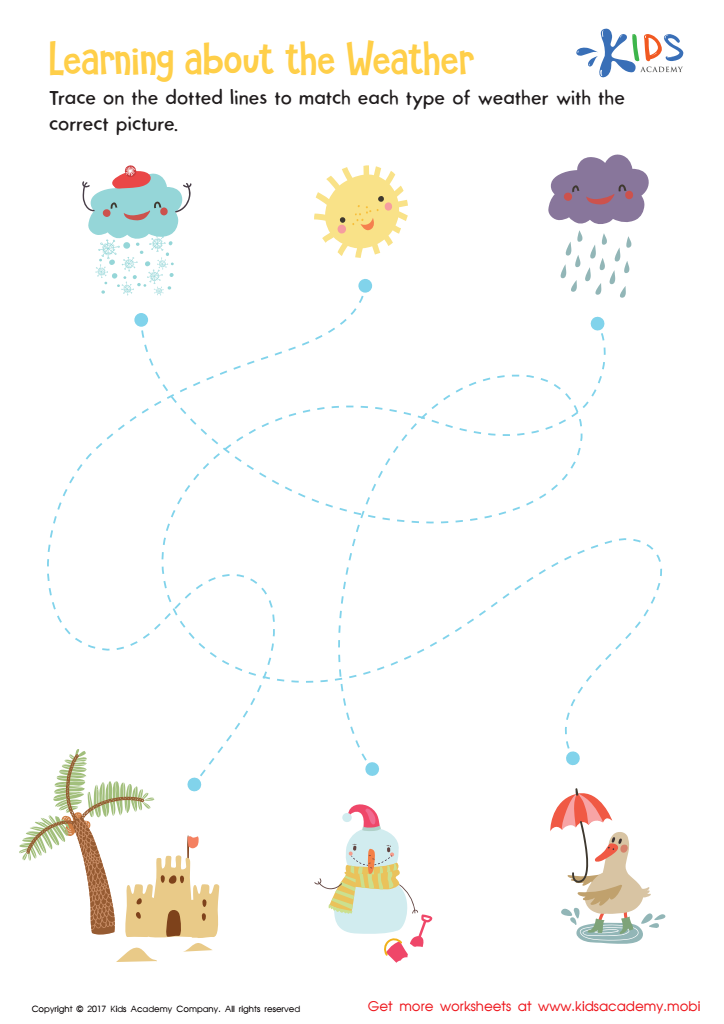







Visual-spatial skills are crucial for a child's cognitive development and play a significant role in their overall learning experience. For 6-year-olds, these skills involve the ability to understand and interpret visual information, recognize shapes, sizes, and spatial relationships, and visualize objects from different perspectives. Parents and teachers should care about these skills because they lay the foundation for critical academic abilities in subjects like mathematics, science, and even reading.
Developing strong visual-spatial skills helps children solve problems more effectively, enhances their creativity, and fosters independence in learning. These skills are important for tasks such as drawing, building with blocks, and navigating environments, which all require an understanding of space and form.
Moreover, children with strong visual-spatial skills may have better spatial awareness, which is important for future skills like map reading and geometry. Weak visual-spatial abilities can lead to challenges in learning and everyday activities, potentially causing frustration and disengagement. By nurturing these skills through games, puzzles, and activities that encourage exploration, parents and teachers can help children build confidence and succeed academically and socially, setting them up for a bright future.








