Writing practice Worksheets for 6-Year-Olds - Page 2
28 filtered results
-
From - To
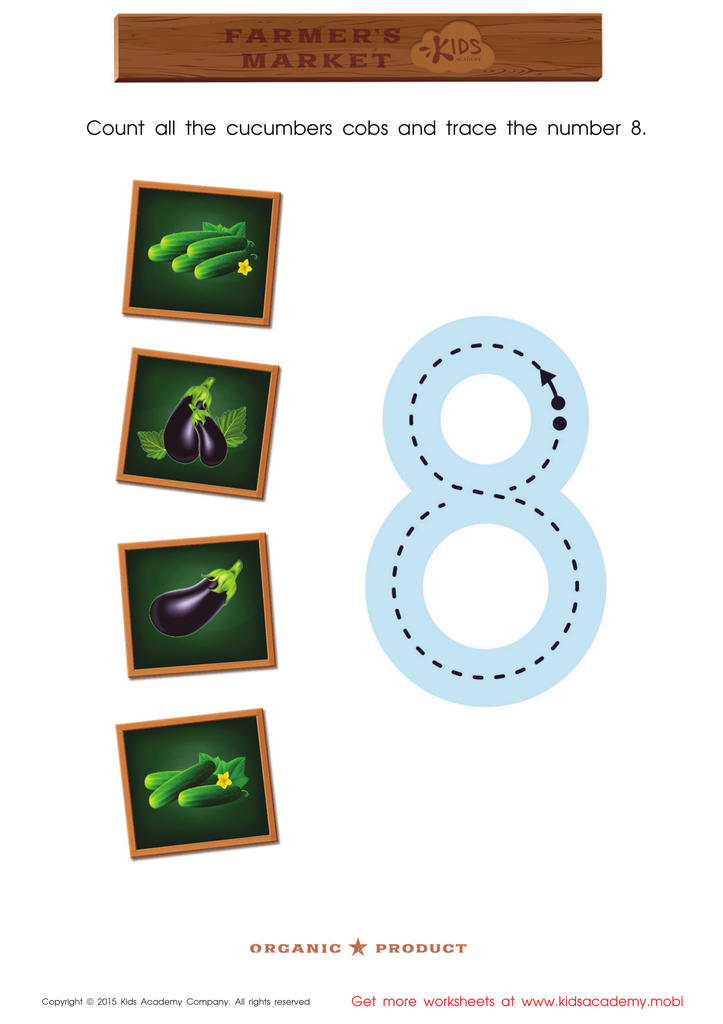
Count the Cucumbers and Trace the Number 8 Printable
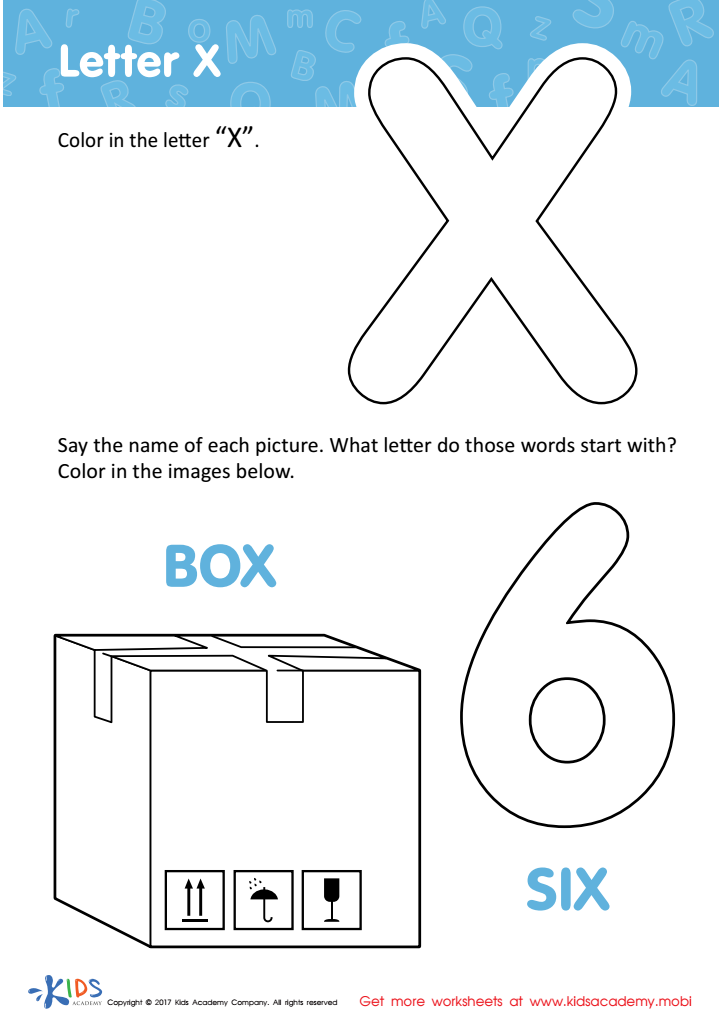
Letter X Coloring Sheet
 Assign to My Students
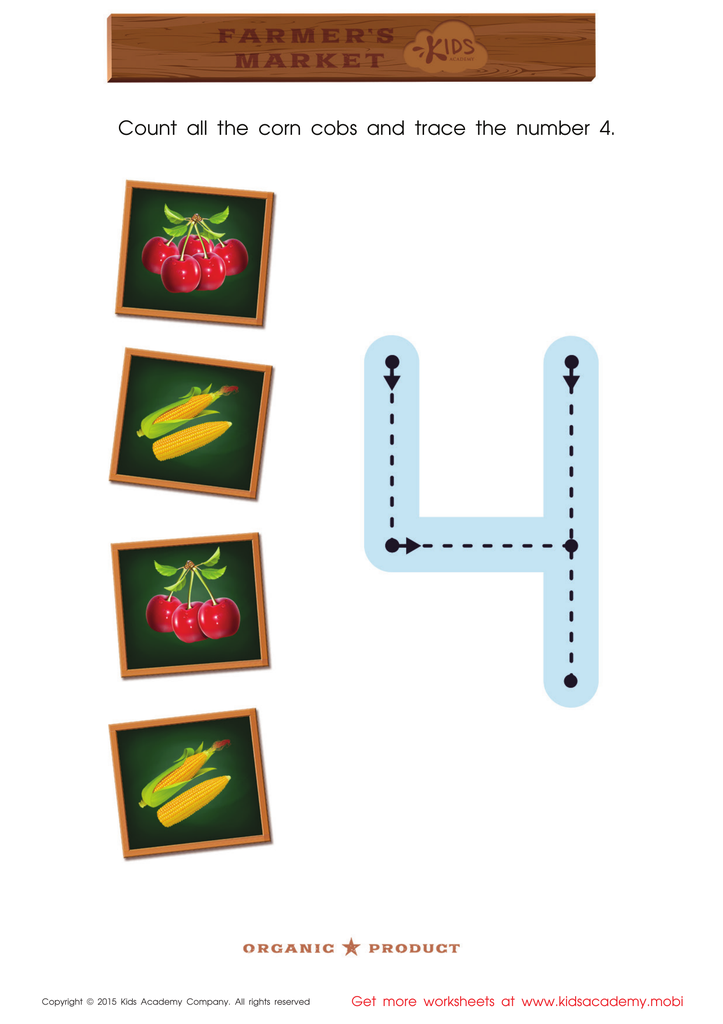
Count the Corncobs and Trace the Number 4 Worksheet








Writing practice for 6-year-olds is essential for several reasons that benefit both their academic and personal development. At this age, children undergo significant cognitive growth, and writing becomes a critical means for them to express their thoughts and emotions. Regular practice helps to improve their fine motor skills, as controlling a pencil and forming letters strengthens hand-eye coordination.
Moreover, writing enhances literacy skills, expanding vocabulary and grammar understanding. By engaging in writing activities, children learn to organize their thoughts coherently and develop their storytelling skills, which fosters creativity and imagination. It also encourages critical thinking as they become adept at structuring sentences and conveying ideas.
From a psychological perspective, writing allows children to express themselves and explore their feelings, aiding in emotional development. Positive reinforcement during this practice builds their self-esteem and confidence in their abilities.
Ultimately, when parents and teachers prioritize writing practice, they lay the foundation for successful communication skills that are vital in all areas of life. In an era where literacy is paramount to academic success and lifelong learning, consistent writing practice is indispensable for nurturing well-rounded, capable individuals.








