Addition Practice Math Worksheets for 6-Year-Olds - Page 4
74 filtered results
-
From - To
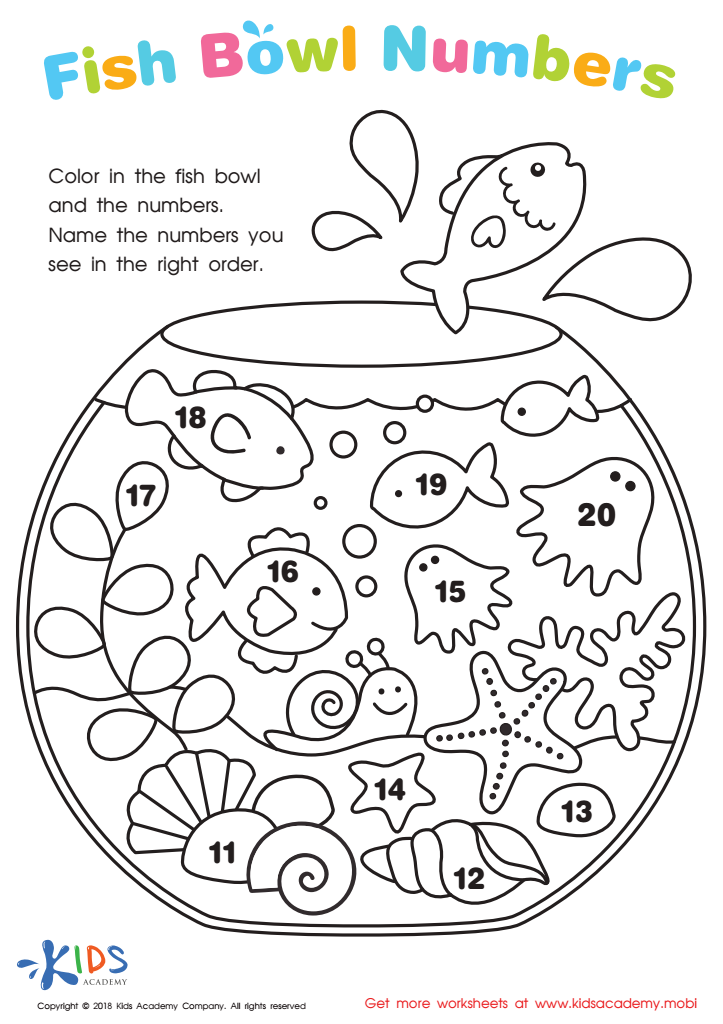
Fish Bowl Numbers Worksheet
 Assign to My Students
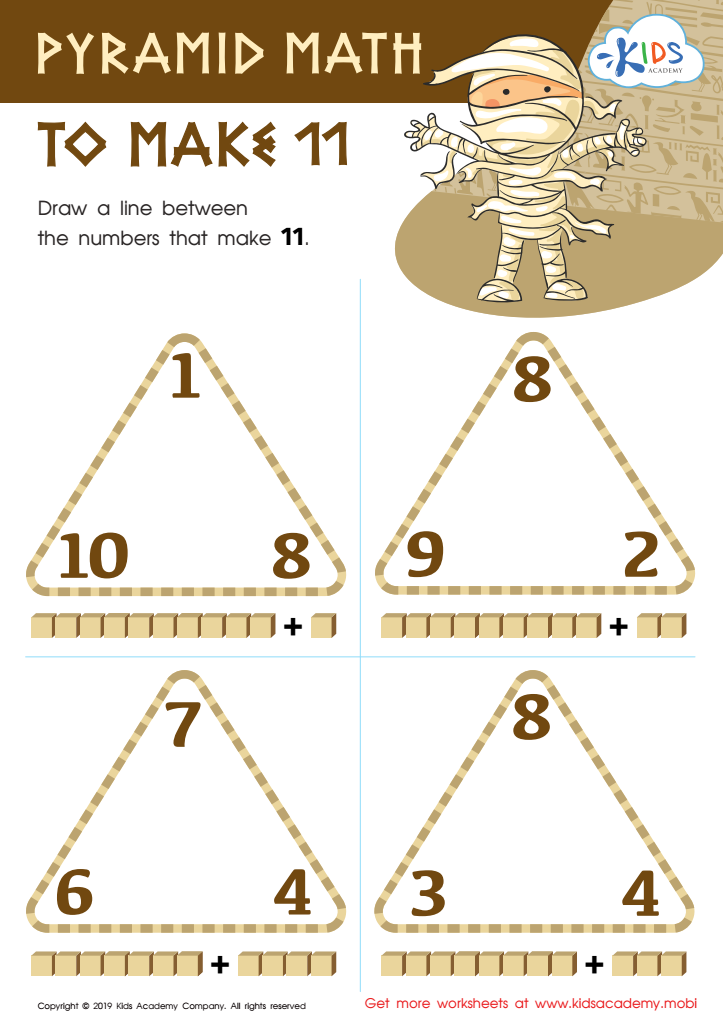
Pyramid Math to Make 11 Worksheet







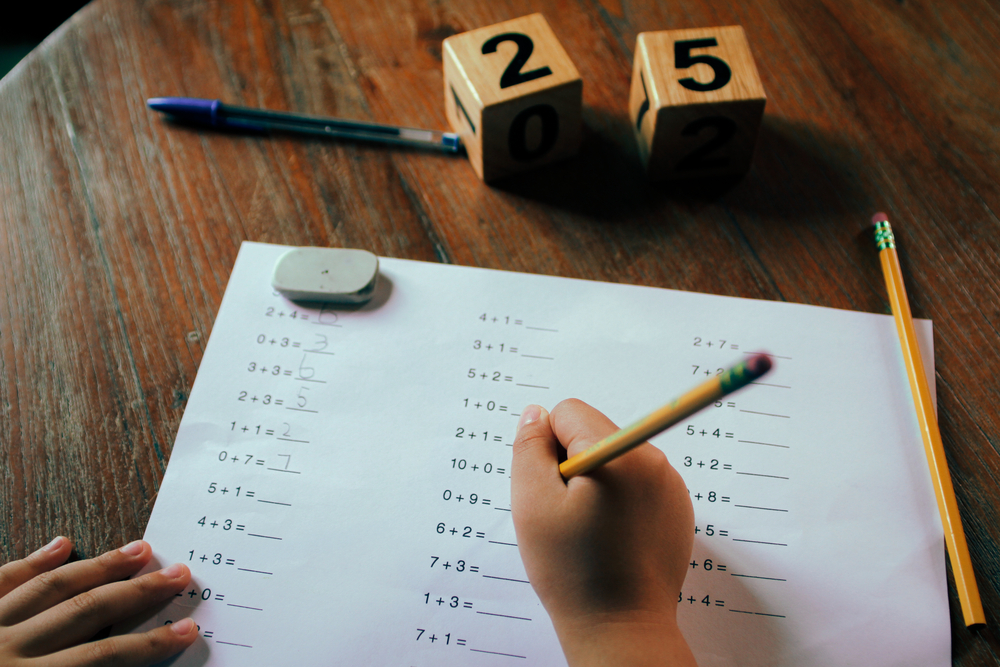
Addition practice for 6-year-olds is vital as it lays the foundation for a child's mathematical understanding and future learning. At this age, children are developing their cognitive skills and learning to identify numbers and patterns. By introducing addition through engaging activities, such as games, manipulatives, and real-life examples, parents and teachers can help children grasp the concept of combining quantities.
Mastering addition also boosts a child's confidence in math, encouraging a positive attitude towards the subject. As children become proficient in addition, they develop critical thinking skills and problem-solving abilities that extend beyond mathematics. Furthermore, strong foundational skills in addition are crucial for understanding more complex operations in the future, such as subtraction, multiplication, and division.
Additionally, consistent practice helps solidify memory retention, aiding quicker recall of basic facts. This fluency is essential as math becomes more intricate in later grades. Finally, addition practice can foster a bonding experience between parents and children, as they explore math concepts together in a fun, relaxed environment. Ultimately, prioritizing addition practice creates a supportive learning atmosphere that nurtures a child’s love for math and sets them up for long-term academic success.








