Comparative analysis Math Worksheets for 6-Year-Olds
3 filtered results
-
From - To
Explore our engaging comparative analysis math worksheets designed specifically for 6-year-olds! These fun and interactive activities help young learners grasp the concepts of comparison, measurement, and critical thinking. Each worksheet encourages children to compare quantities, sizes, and lengths through colorful imagery and relatable examples. Ideal for both classroom and home use, our printable resources aid in developing essential math skills while keeping students entertained. Perfect for reinforcing lessons, these worksheets cater to diverse learning styles and promote confidence in young mathematicians. Discover the joy of learning with our comprehensive collection, crafted to inspire curiosity and foundational math skills in every child!
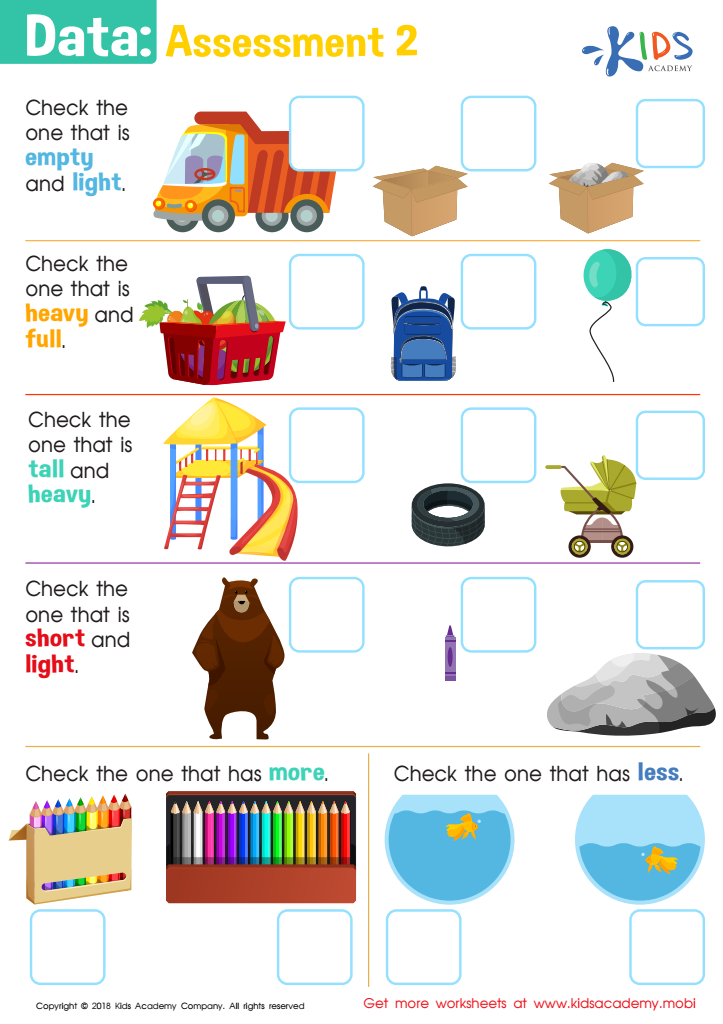
Data: Assessment 2 Worksheet
 Assign to My Students
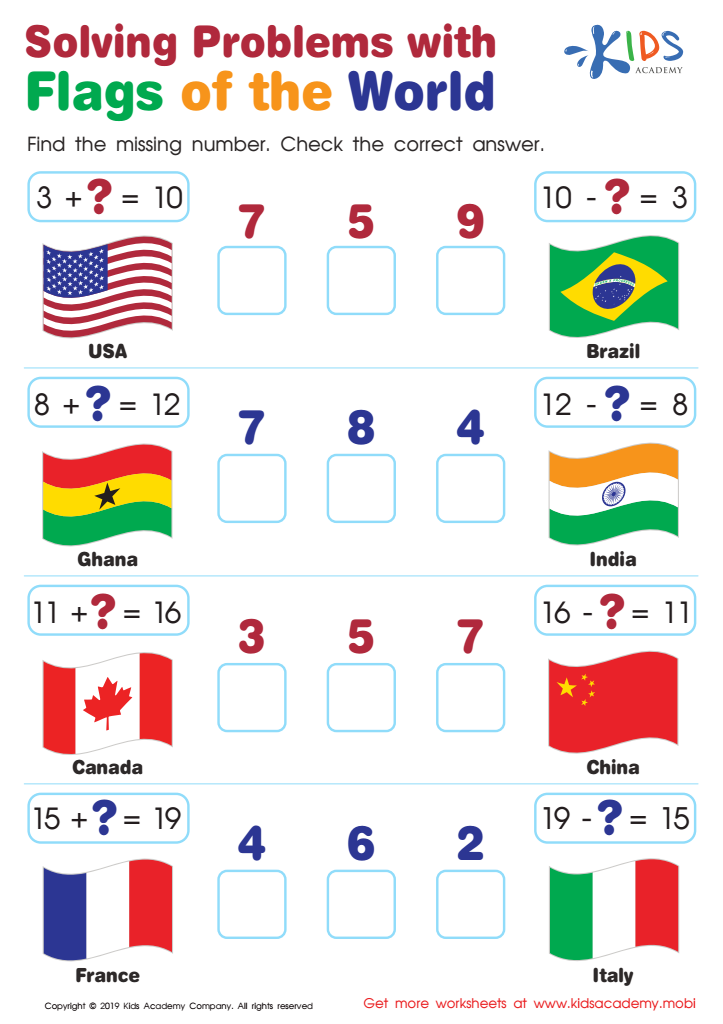
Solving Problems with Flags of the World Worksheet
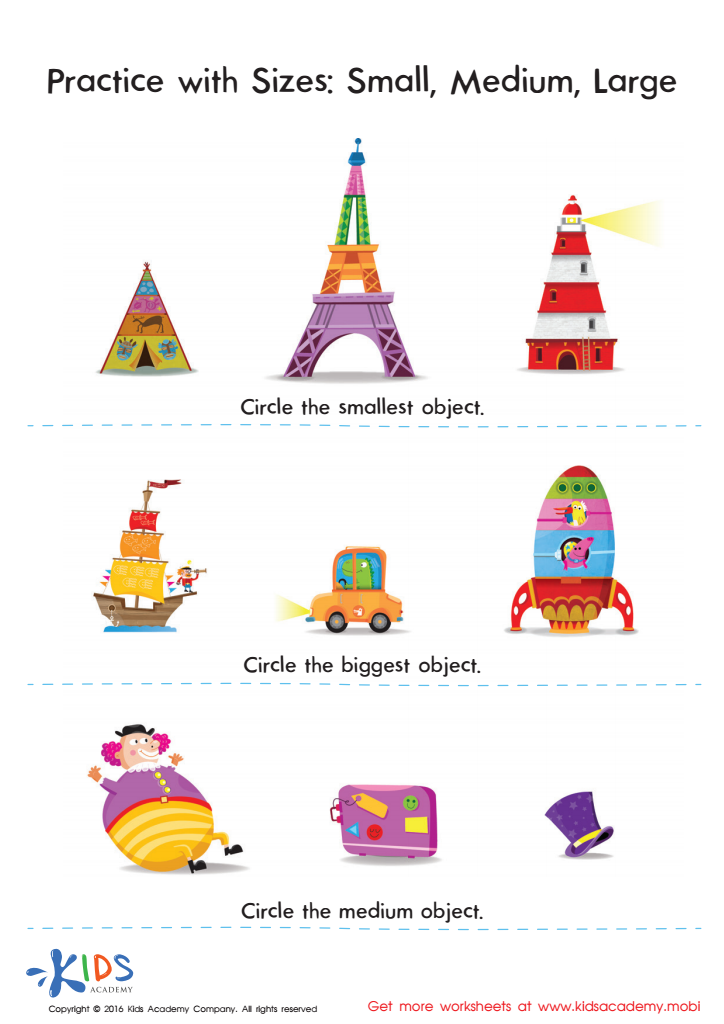







Comparative analysis in math for 6-year-olds is critical because it fosters essential cognitive skills that go beyond basic arithmetic. At this age, children are naturally curious and eager to explore relationships between numbers. Through comparative analysis, they learn to recognize differences and similarities, facilitating a deeper understanding of concepts such as more than, less than, and equal to. This foundational skill is integral to problem-solving and critical thinking.
Furthermore, this approach encourages active engagement in learning. By comparing quantities, children develop reasoning skills and learn to articulate their thought processes. It also helps them gain confidence in their abilities, as they justify their comparisons or decisions based on logical reasoning rather than rote memorization.
For parents and teachers, stressing comparative analysis creates opportunities for rich discussions around quantity, patterns, and relationships. It nurtures a growth mindset, inspiring children to embrace challenges and learn from mistakes rather than fearing failure. Moreover, fostering these analytical skills lays a strong groundwork for more advanced math concepts in the future while encouraging an inquisitive mindset that will benefit children across all areas of learning. Ultimately, understanding and applying comparative analysis in math benefits not just academic performance, but holistic child development.








