Understanding patterns Math Worksheets for 6-Year-Olds
10 filtered results
-
From - To
Our "Understanding Patterns" math worksheets for 6-year-olds make learning fun and engaging! Designed to enhance critical thinking and problem-solving skills, these colorful worksheets guide young learners through identifying and creating patterns with shapes, colors, and numbers. Perfect for at-home practice or classroom activities, these worksheets help children recognize patterns in everyday life, laying a strong foundation for future math concepts. Each sheet includes step-by-step instructions and age-appropriate challenges to ensure your child can follow along with ease. Support your child's math journey and watch their confidence soar with our understanding patterns math worksheets!
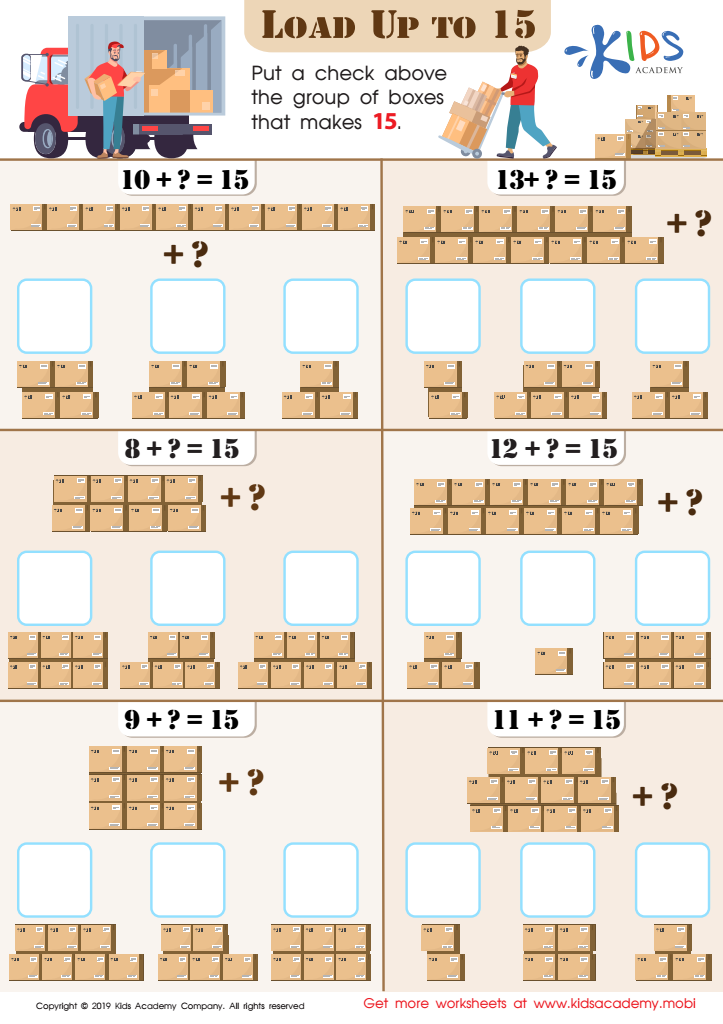
Load up to 15 Worksheet
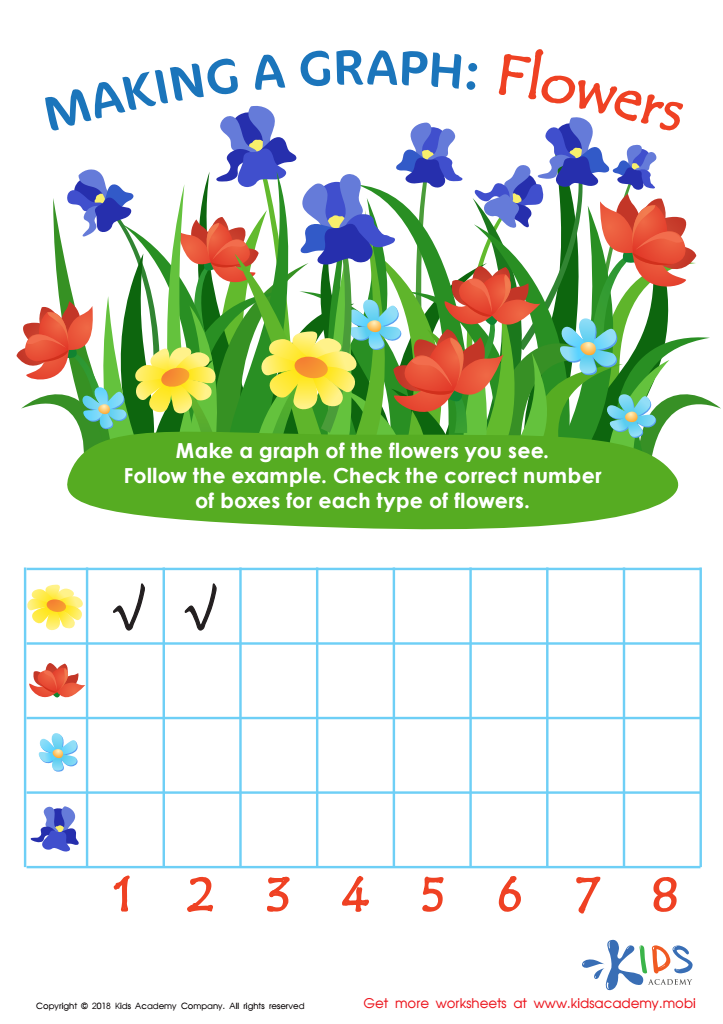
Making a Graph: Flowers Worksheet
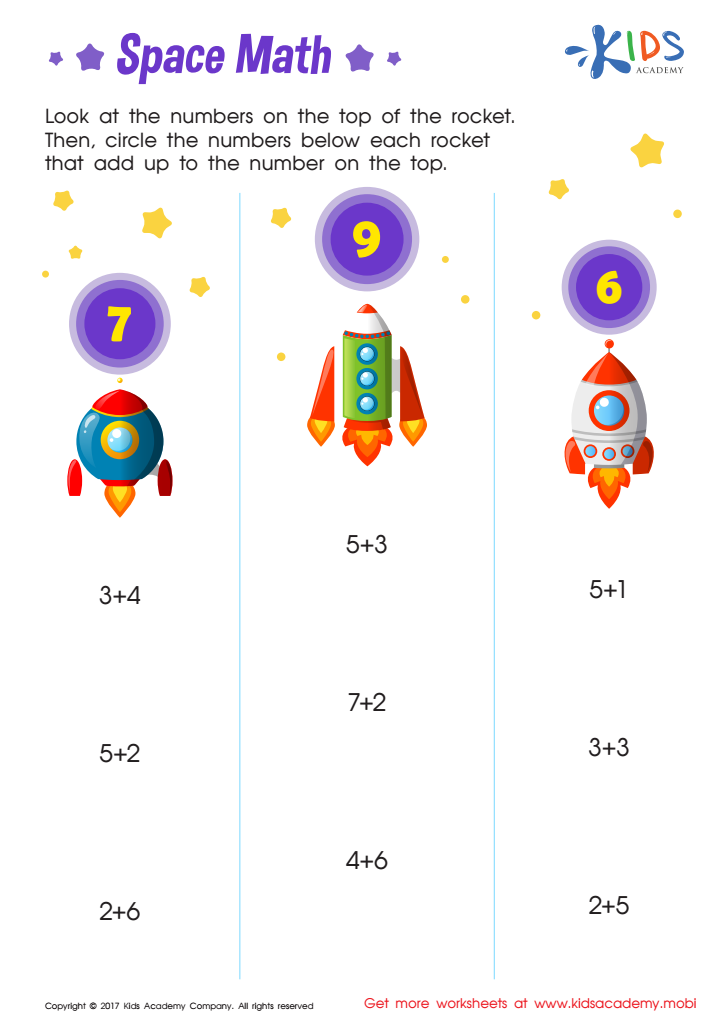
Addition: Space Math Worksheet
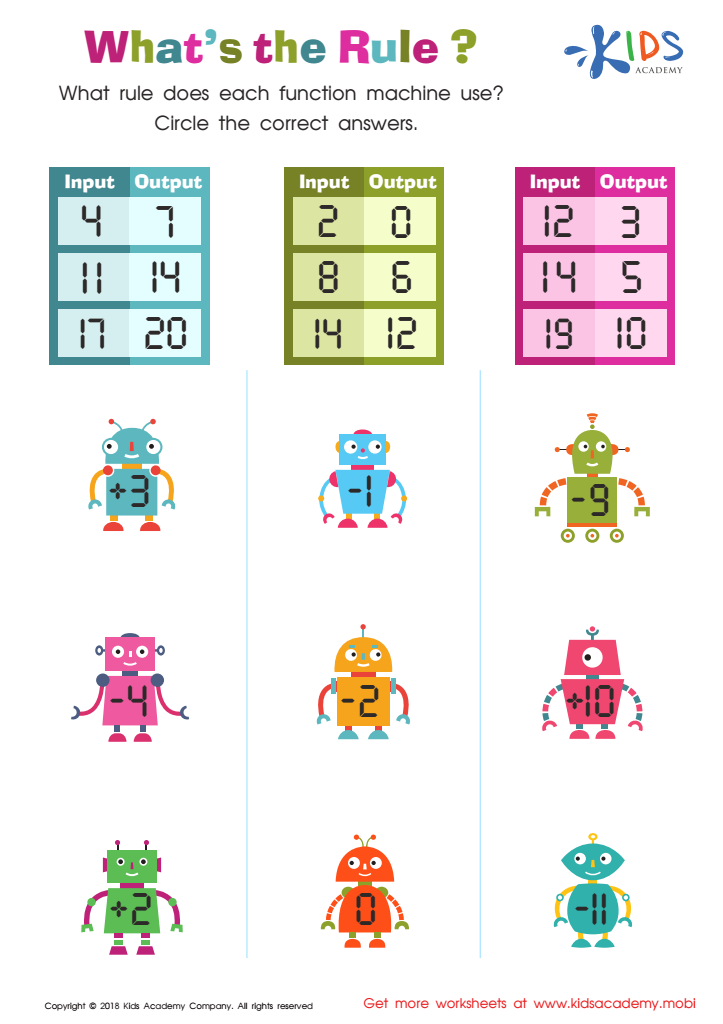
What's the Rule Worksheet
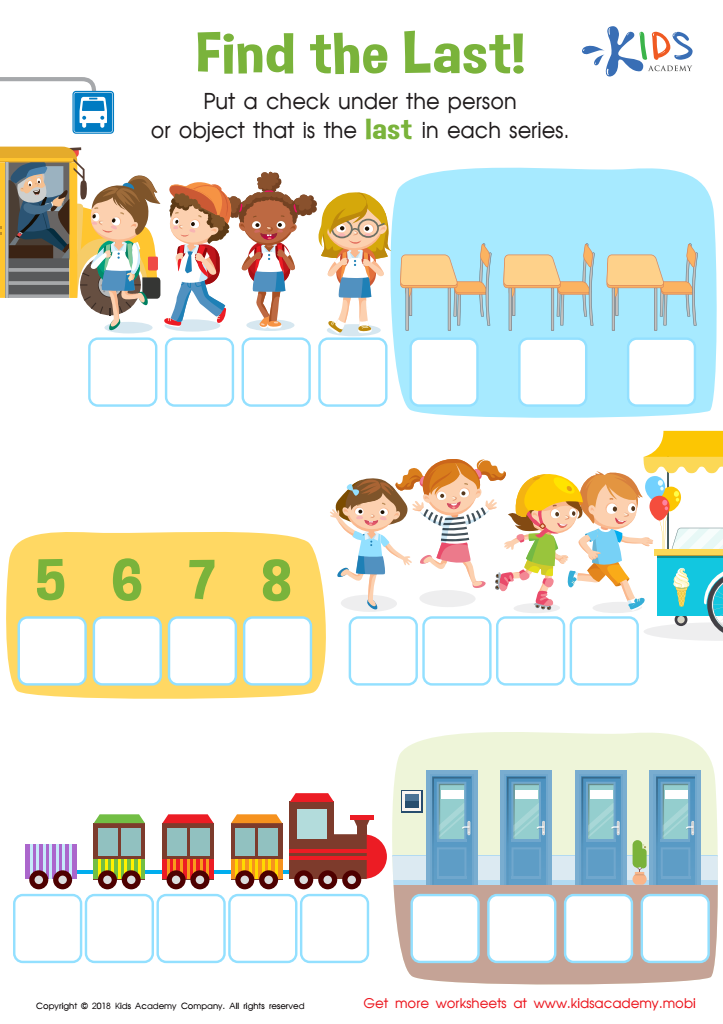
Find the Last! Worksheet
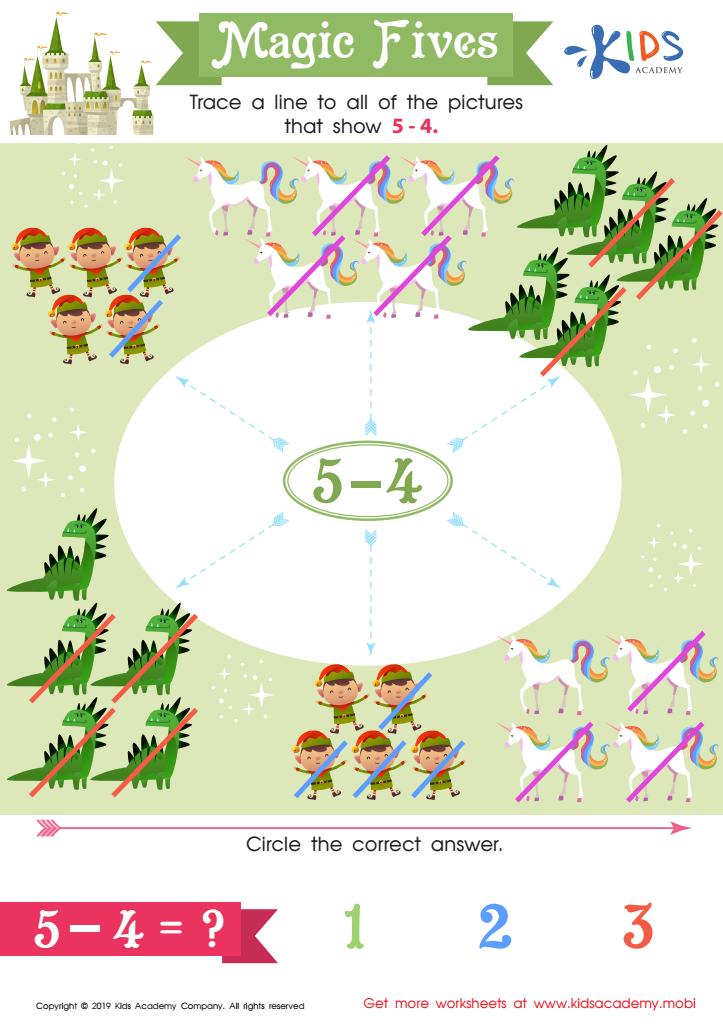
Magic Fives Worksheet
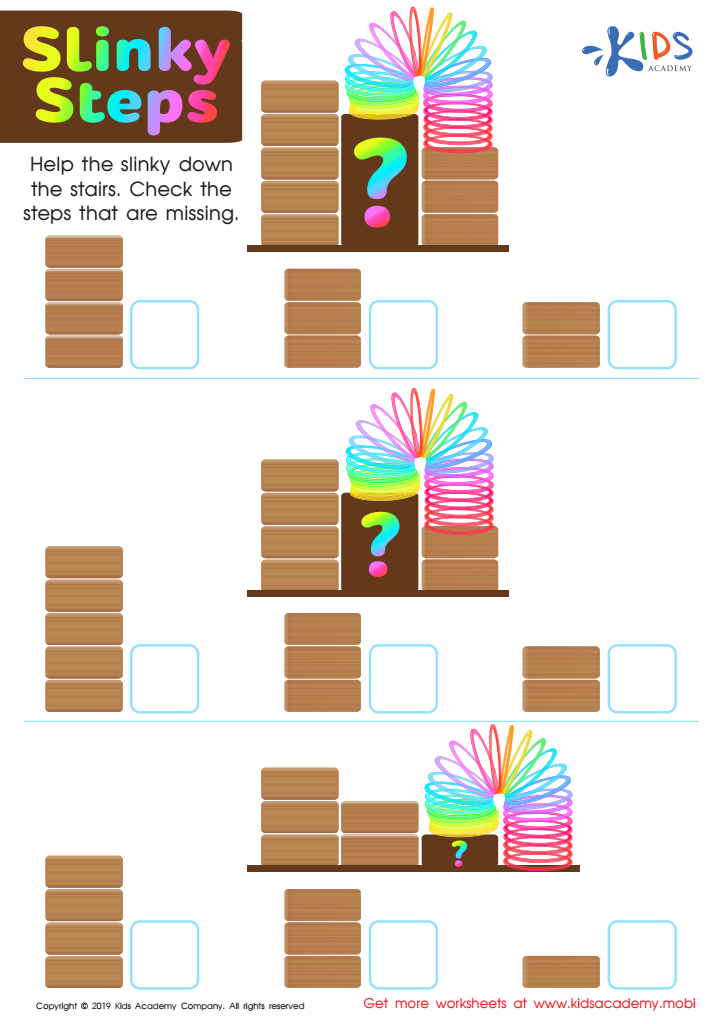
Slinky Steps Worksheet
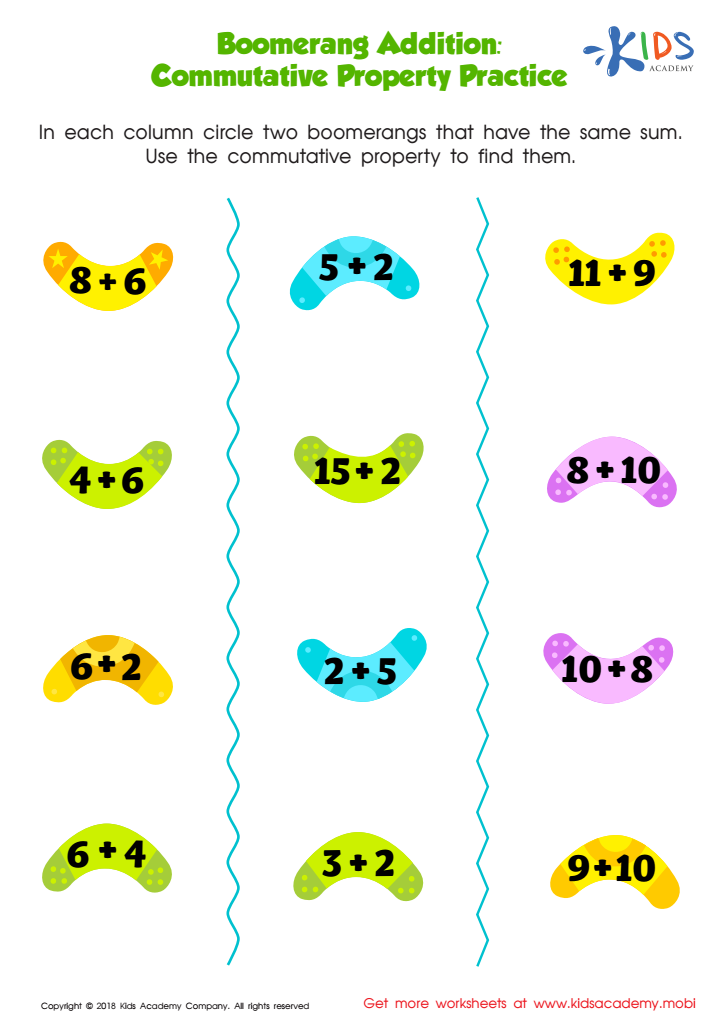
Boomerang Addition Worksheet
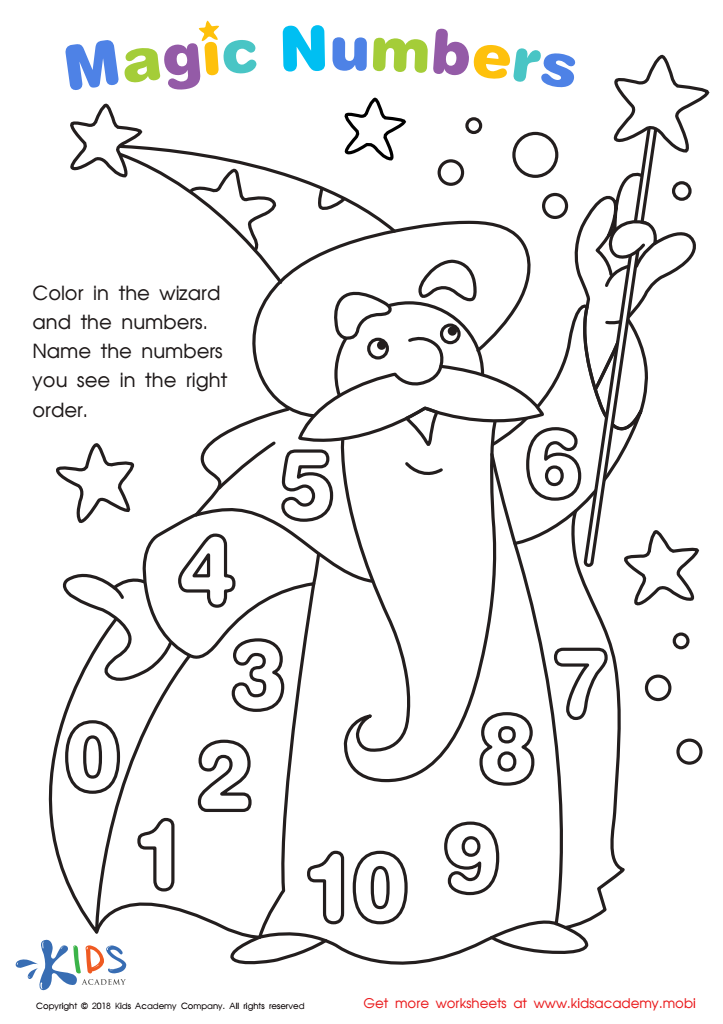
Magic Numbers Worksheet
 Assign to My Students
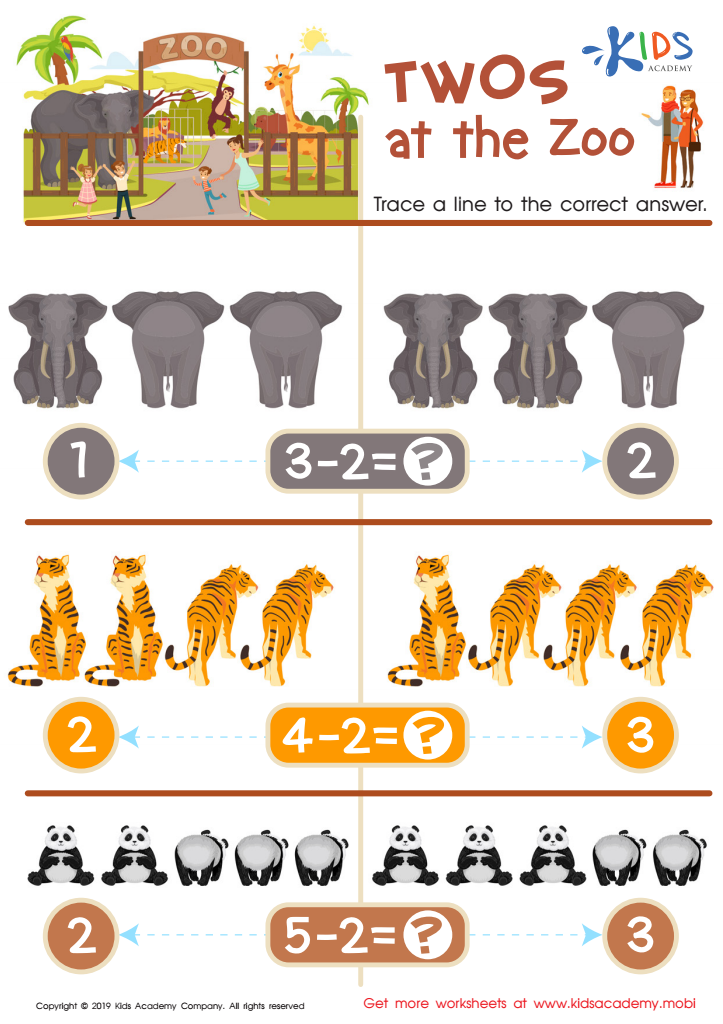
Twos at the Zoo Worksheet








Understanding patterns is crucial for 6-year-olds as it lays the foundation for mathematical thinking and problem-solving skills. At this developmental stage, children are naturally curious and have an innate ability to recognize patterns, whether it's in everyday objects, rhythms, or numbers. Fostering this skill can significantly impact their cognitive development and academic success.
When parents and teachers emphasize pattern recognition, they help children develop important skills such as categorization, sequencing, and logical thinking. These skills are not only vital in mathematics but also in reading and science. For instance, recognizing patterns in phonics can assist with literacy, while understanding sequences in science enhances comprehension of natural cycles.
Moreover, patterns provide a sense of predictability and order, which can boost a child's confidence and willingness to engage with more complex concepts. This early exposure establishes a solid math foundation, encouraging a positive attitude towards the subject that can last throughout their educational journey.
By incorporating activities that highlight patterns, such as sorting games, music, and art projects, parents and teachers can make learning interactive and enjoyable. This well-rounded approach ensures that children not only understand patterns but also appreciate their relevance in various aspects of life, setting them up for long-term academic and social success.








