Understanding quantity Math Worksheets for 6-Year-Olds
6 filtered results
-
From - To
Discover the essential "Understanding Quantity Math Worksheets for 6-Year-Olds" designed to build foundational math skills. These engaging and colorful worksheets help young learners grasp basic concepts of quantities, numbers, and counting. Perfect for classroom use or at-home learning, each worksheet offers fun exercises that stimulate critical thinking and problem-solving. Our expertly crafted materials ensure your child will enhance their understanding, preparing them for more complex mathematical concepts. Turn learning into an enjoyable adventure with these carefully created resources aimed at fostering a strong mathematical foundation for lifelong success.
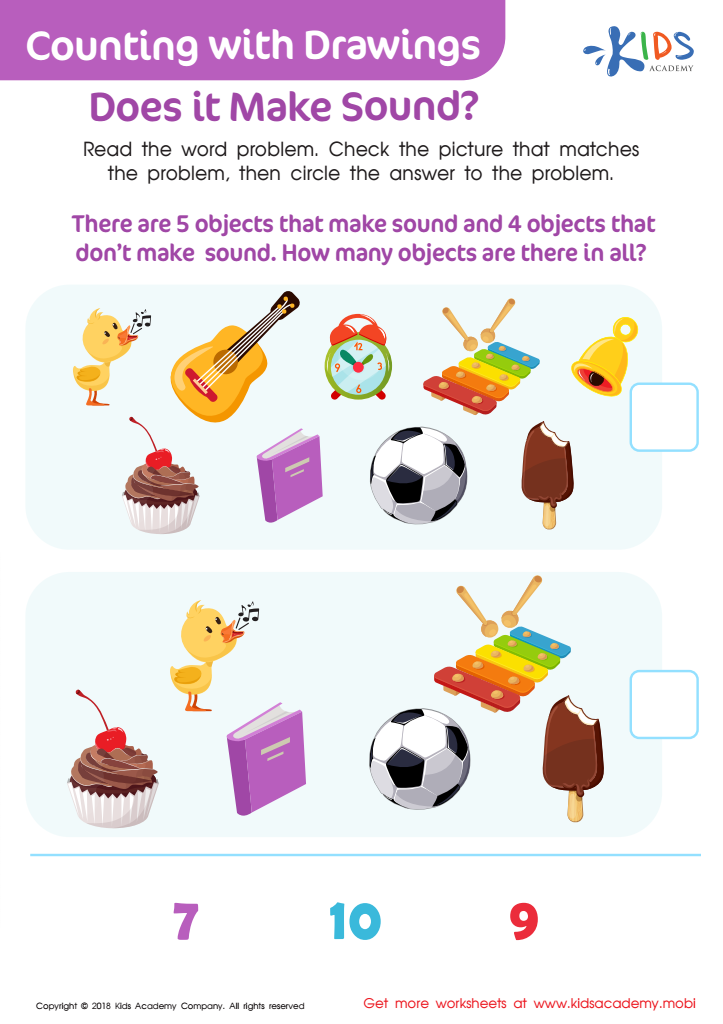
Counting With Drawings. Does It Make Sound? Worksheet
 Assign to My Students
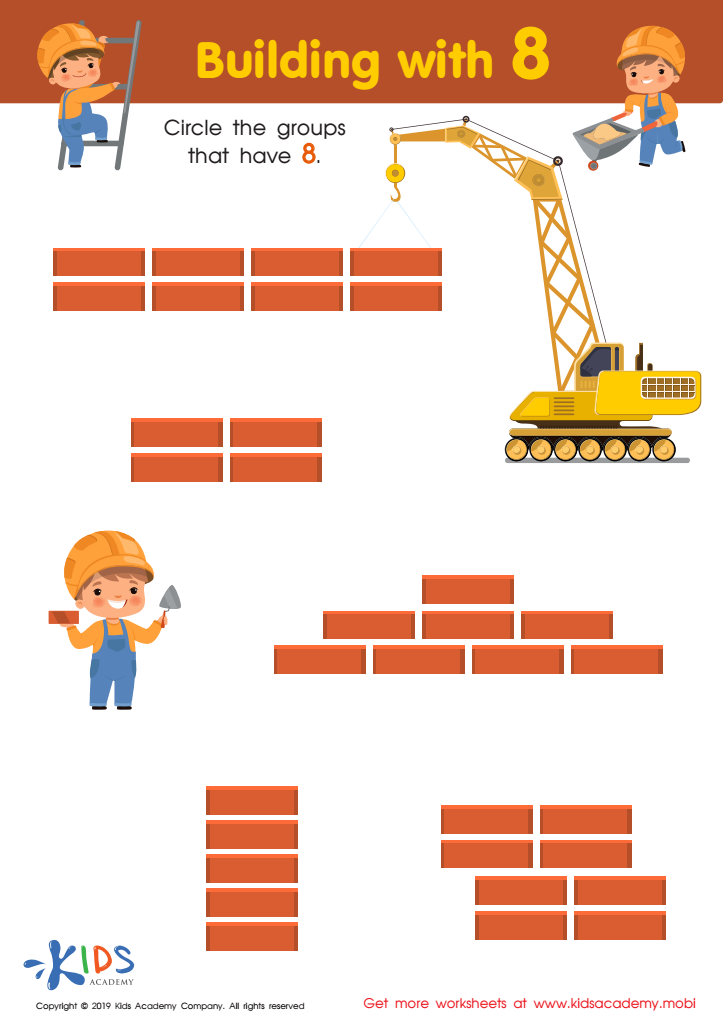
Building with 8 Worksheet
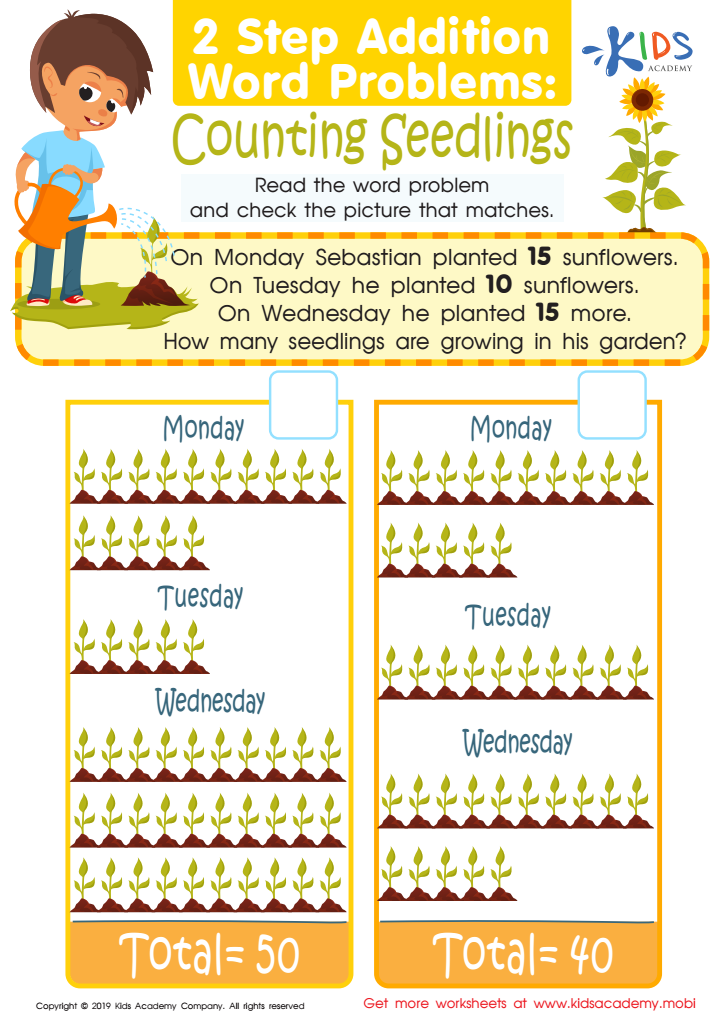
Counting Seedlings Worksheet
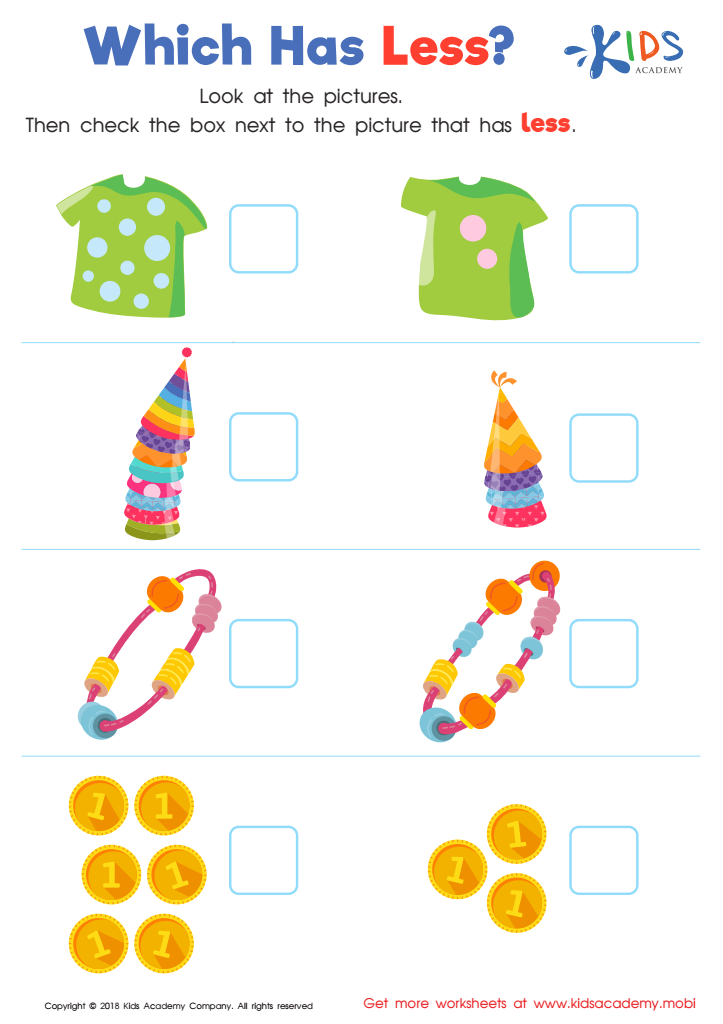
Which Has Less? Worksheet
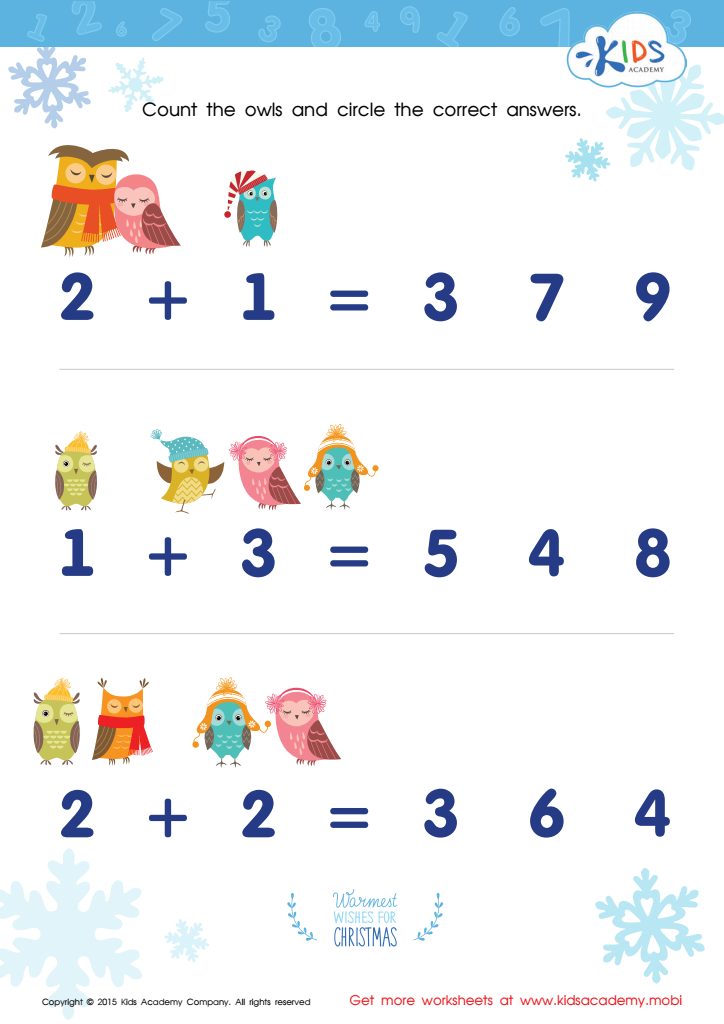
Count Little Owls Worksheet
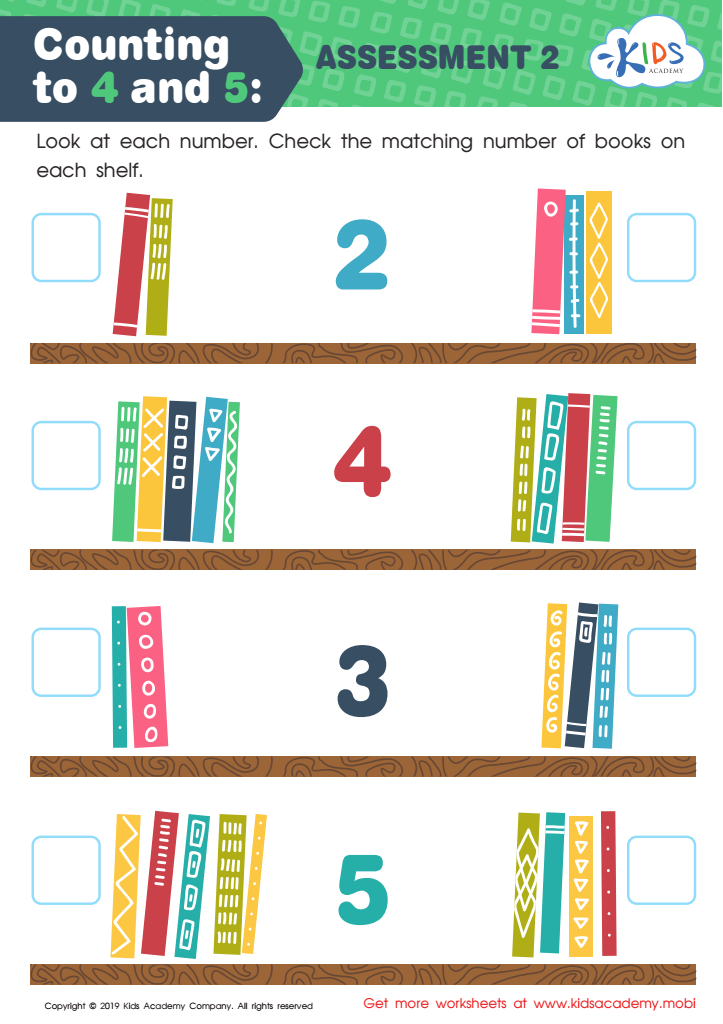
Counting to 4 and 5: Assessment 2 Worksheet







Understanding quantity in math is crucial for 6-year-olds as it lays down the foundation for future mathematical comprehension and everyday functioning. At this formative age, children are developing the cognitive abilities to grasp basic numerical concepts, which are essential for more advanced math skills like addition, subtraction, and problem-solving.
When children understand quantities, they can associate numbers with actual amounts, making abstract concepts concrete. This is important not only for academic success but also for practical applications in daily life, such as counting objects, understanding time, and managing money.
Parents and teachers should prioritize this aspect of learning because it enhances cognitive development, supports logical thinking, and encourages a positive attitude towards math. Interactive activities, such as counting games, visual aids, and hands-on experiences like grouping objects, help children recognize patterns and establish strong numeracy skills.
Additionally, early proficiency in quantity understanding can boost a child’s confidence, fueling a sense of achievement and motivating further learning. By engaging children in fun, relatable math activities, parents and teachers ensure that youngsters build a solid math foundation, which is critical for their academic journey and decision-making skills in later life.








