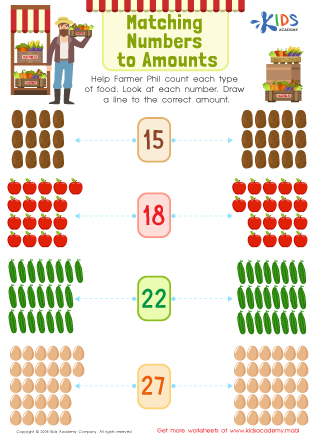
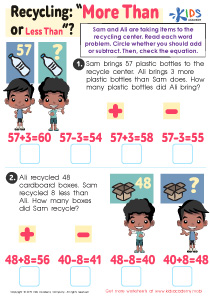
Understanding Quantities Numbers 0–10 Worksheets for 6-Year-Olds
3 filtered results
-
From - To
Discover our engaging "Understanding Quantities Numbers 0–10 Worksheets" designed specifically for 6-year-olds! These worksheets aim to enhance early math skills by helping children explore and comprehend the concept of quantity. With fun and interactive exercises, kids will practice counting, comparing, and identifying numbers in relatable contexts. Each worksheet is crafted to foster a strong numerical foundation, enabling young learners to visualize and grasp the relationship between numbers and their quantities. Ideal for home or classroom use, these resources provide a playful yet educational approach to mastering numbers 0–10. Start your child's mathematical journey with our vibrant and effective worksheets today!
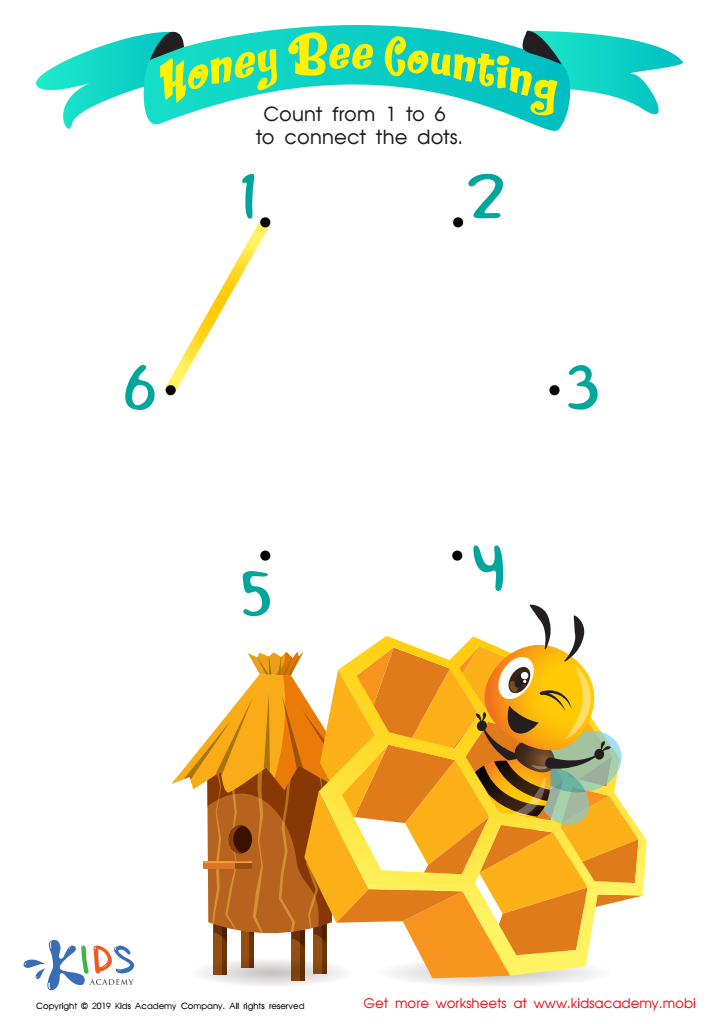
Honey Bee Counting Worksheet
 Assign to My Students
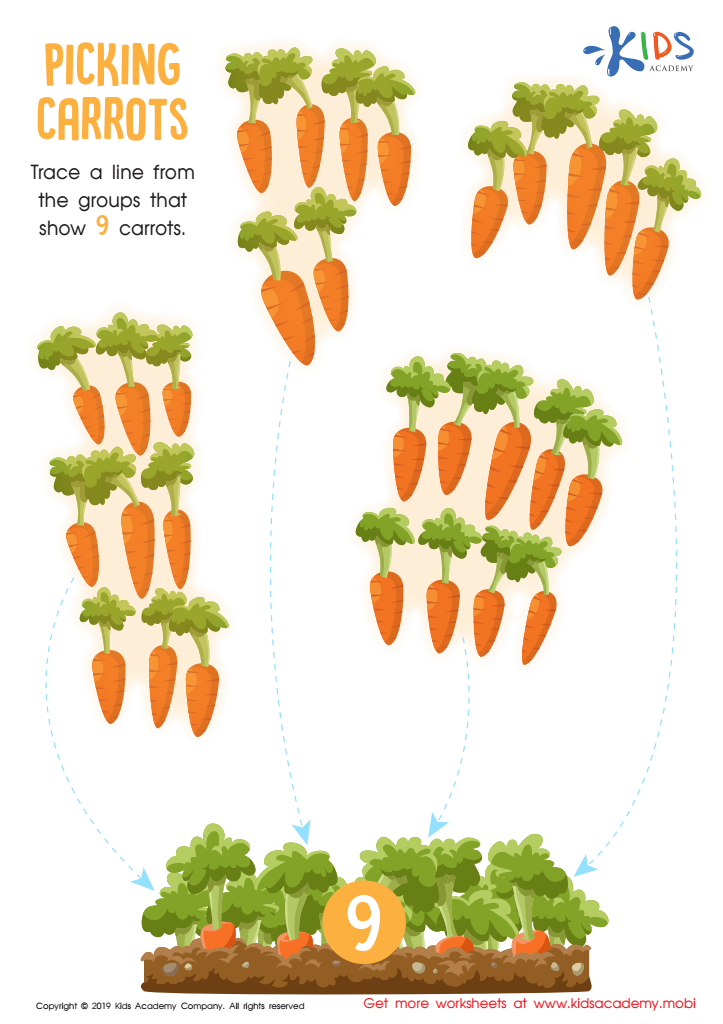
Picking Carrots Worksheet
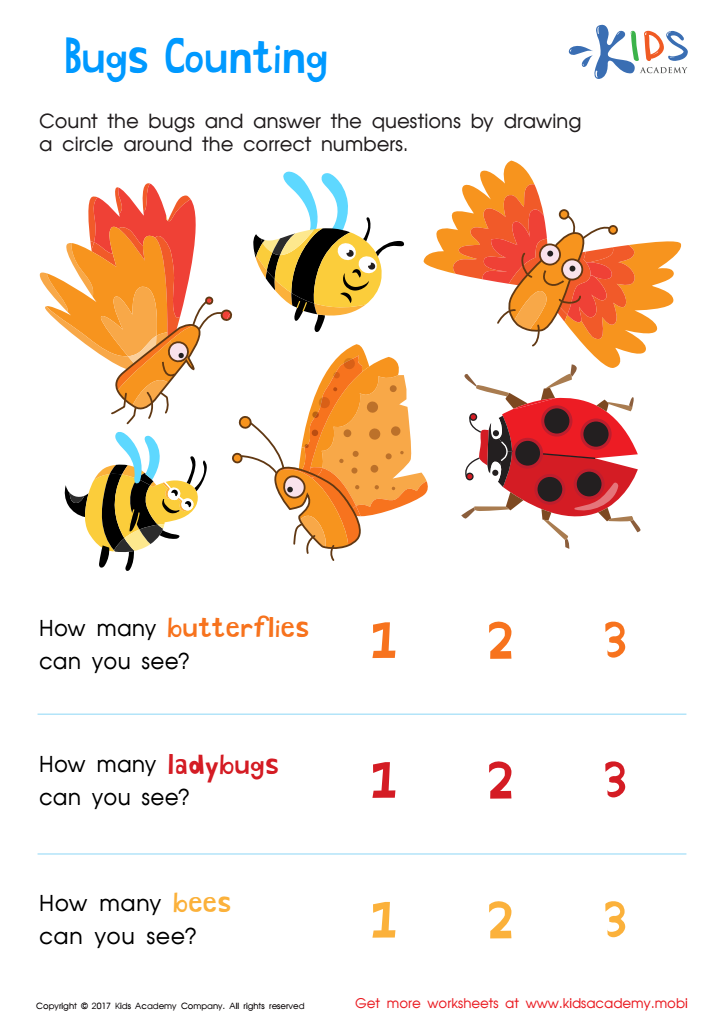
Bugs Counting Worksheet








Understanding quantities and numbers from 0 to 10 is crucial for 6-year-olds as it forms the foundation for their future mathematical learning. At this age, children are transitioning from basic recognition of numbers to understanding their meanings and relationships. Grasping these concepts helps develop critical foundational skills that impact problem-solving, logical thinking, and all areas of learning.
For parents and teachers, fostering a solid understanding of quantities lays the groundwork for both academic success and daily life skills. Children learn to recognize and manipulate numbers, enhancing their ability to count, compare amounts, and perform simple addition and subtraction. These skills are essential not just in math class but in various everyday contexts, such as shopping, cooking, and playing games.
Additionally, understanding early math concepts boosts children’s confidence and encourages a positive attitude towards learning. It allows them to explore and express their thought processes, paving the way for more complex mathematical concepts later on. By emphasizing these foundational skills, both parents and educators contribute to a child's overall cognitive development, enabling them to become proficient problem-solvers and capable individuals equipped for future challenges.