
Problem Solving Building Vocabulary Worksheets for 6-Year-Olds
3 filtered results
Difficulty Level
Grade
Age
-
From - To
Subject
Activity
Standards
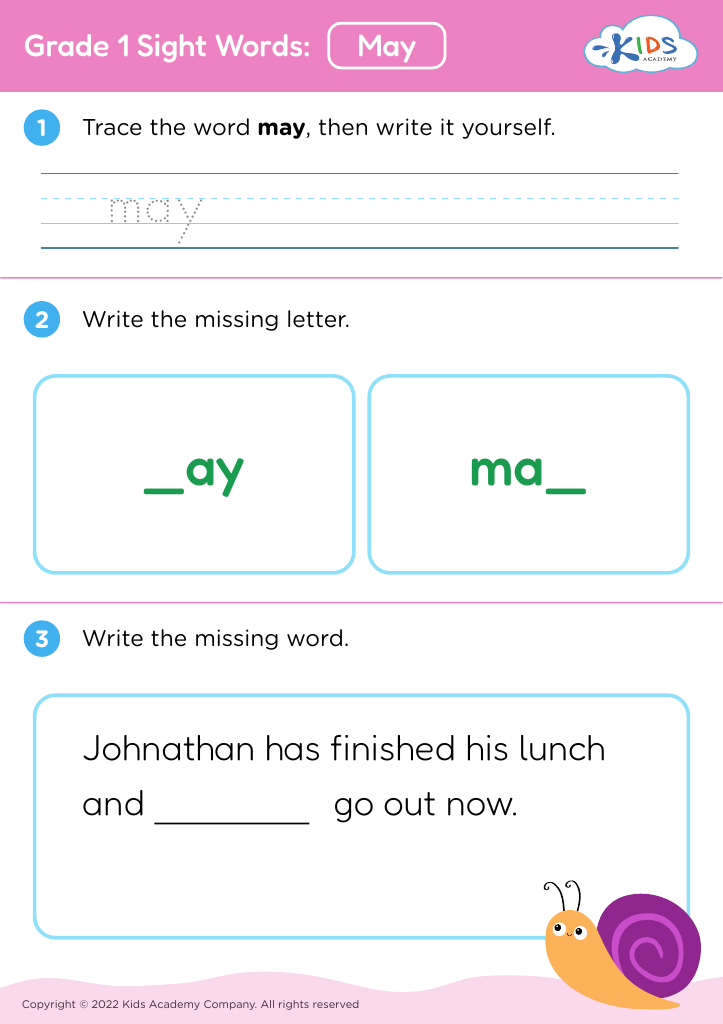
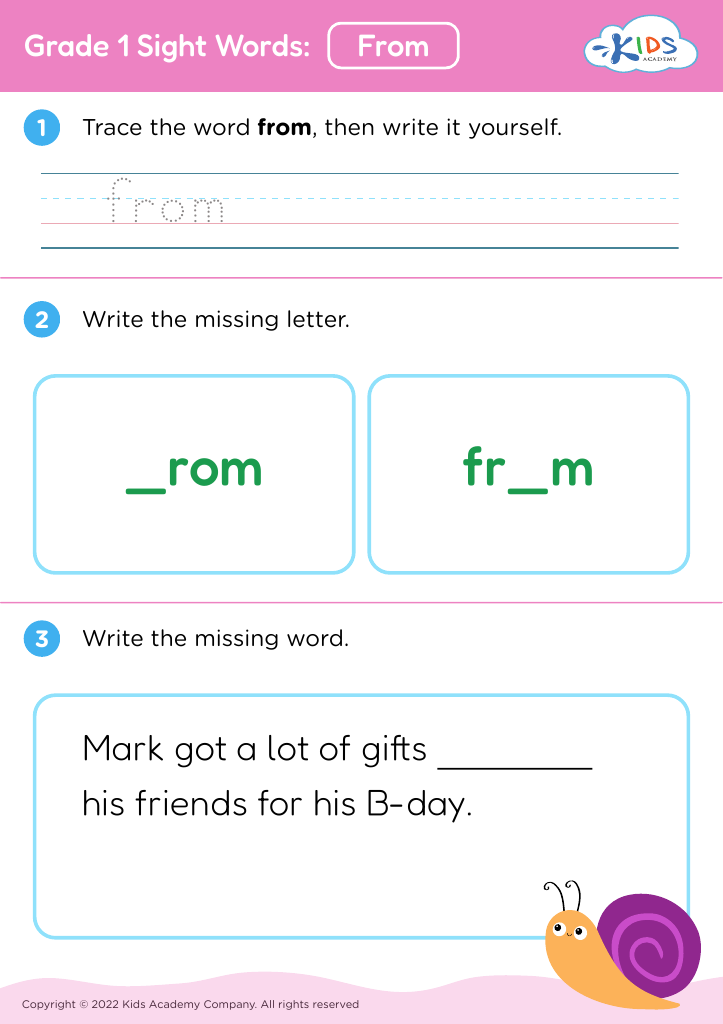
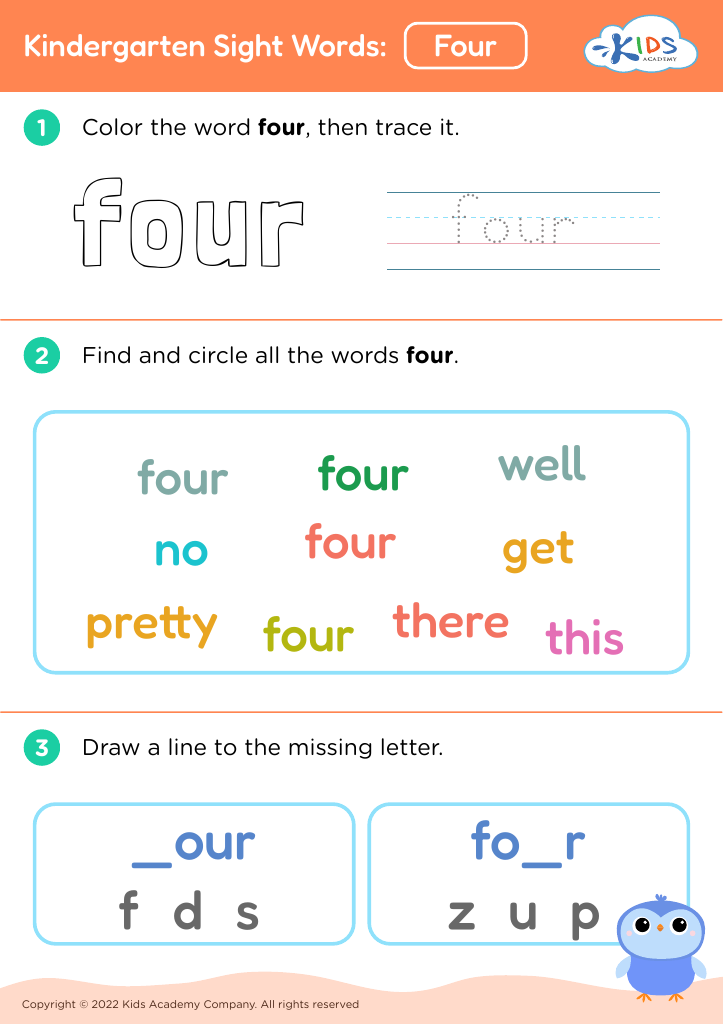
Our "Problem Solving Building Vocabulary Worksheets for 6-Year-Olds" combine fun and learning to enhance your child's developing skills. Designed for young learners, these engaging worksheets focus on expanding vocabulary while fostering critical thinking. Each activity presents scenarios that encourage students to read carefully, understand meanings, and use words in context to solve problems. Perfect for both classroom use and home practice, our worksheets nurture essential reading and comprehension skills, setting a strong foundation for future academic success. Unlock your child's potential with our expertly crafted vocabulary-building resources. Explore more at Kids Academy!
Favorites
With answer key
Interactive











Join Kids Academy for Free
Who is primarily going to use this learning content?








Parents and teachers should prioritize building problem-solving vocabulary for 6-year-olds because it's a vital component of early childhood development. Proficiency in problem-solving and its related terminology helps children articulate their thoughts, understand instructions, and engage more deeply with learning activities. When young learners grasp words like "analyze," "compare," "solution," and "sequence," they can more effectively navigate challenges both inside and outside the classroom.
Developing problem-solving vocabulary at this stage lays a foundation for critical thinking skills. Children learn to approach obstacles methodically by identifying problems, considering different solutions, and evaluating outcomes. This structured thinking promotes independence and resilience, essential traits for academic success and personal growth.
Additionally, effective communication is integral to social interactions. When children can express problems and solutions clearly, they build stronger relationships with peers and adults. Improved communication helps to reduce misunderstandings and fosters collaborative problem-solving, which is key in group learning settings.
Moreover, early exposure to problem-solving language can spark curiosity and a love for lifelong learning. These young minds become more confident and eager to explore new concepts, cultivating a sense of innovation and creativity. By emphasizing this aspect of vocabulary building, parents and teachers contribute significantly to holistic developmental growth during a critical learning period.








