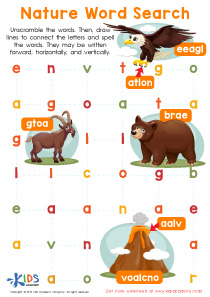
Understanding fractions Sight Words Worksheets for 6-Year-Olds
25 filtered results
-
From - To
Introducing our "Understanding Fractions Sight Words Worksheets for 6-Year-Olds," where young learners embark on a captivating journey of reading and math. These expertly designed worksheets combine essential sight words with engaging fractions activities, transforming learning into a fun adventure. As children recognize important words, they simultaneously grasp fundamental fractions concepts such as halves, thirds, and fourths. Through vibrant illustrations and interactive exercises, these worksheets foster a love for reading while building critical thinking and comprehension skills. Perfect for classrooms and homeschool settings, make learning fractions and sight words enjoyable and effective with our comprehensive worksheets. Ideal for age six!
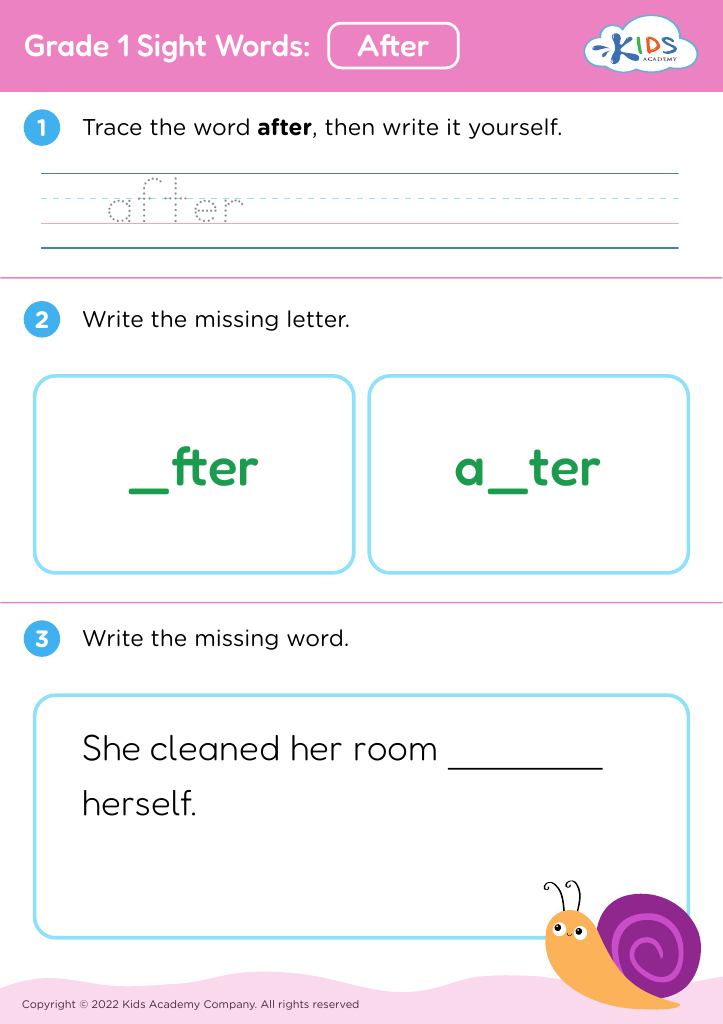


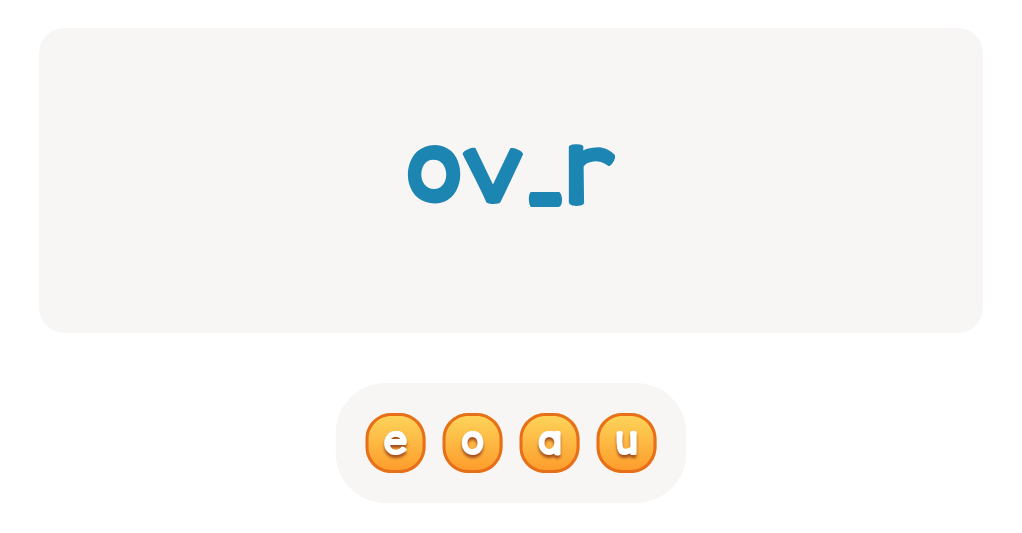
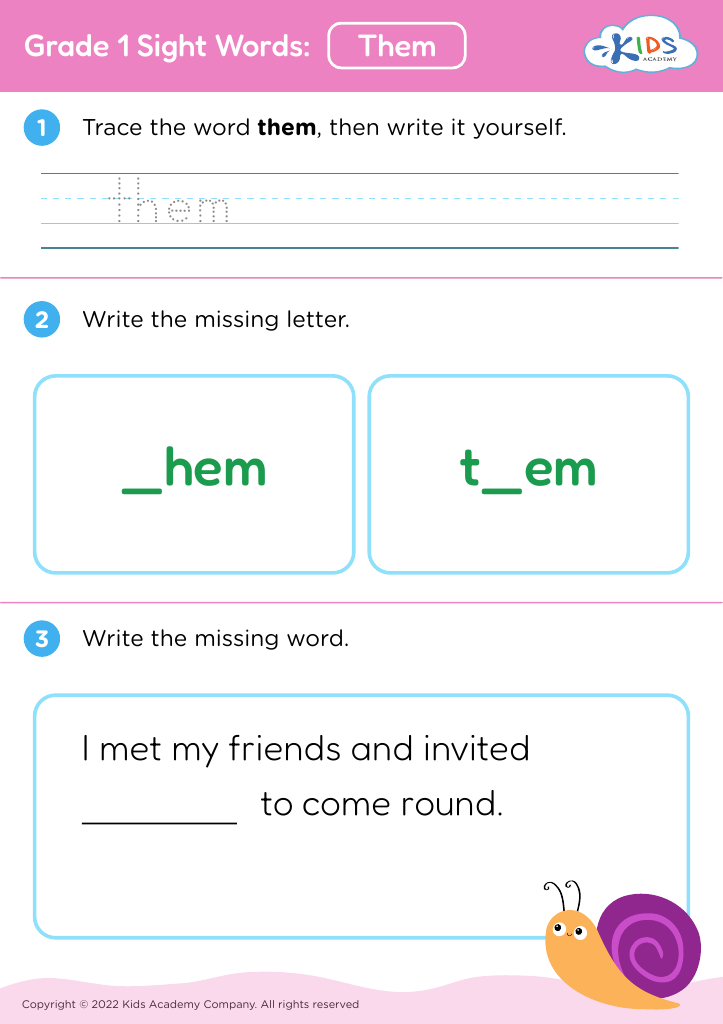
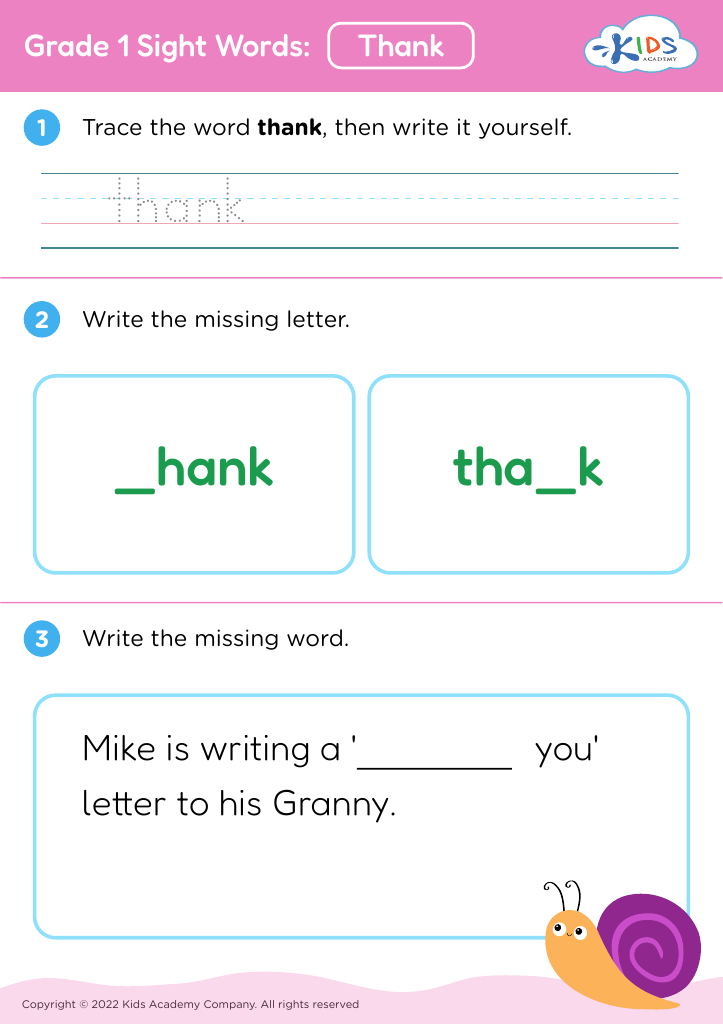
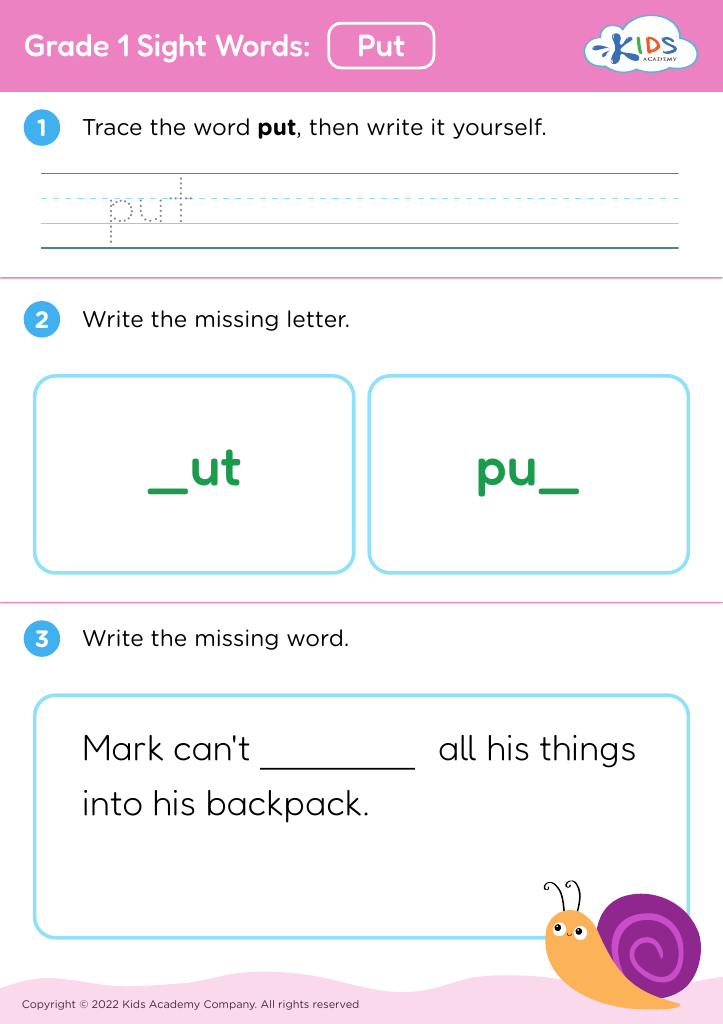
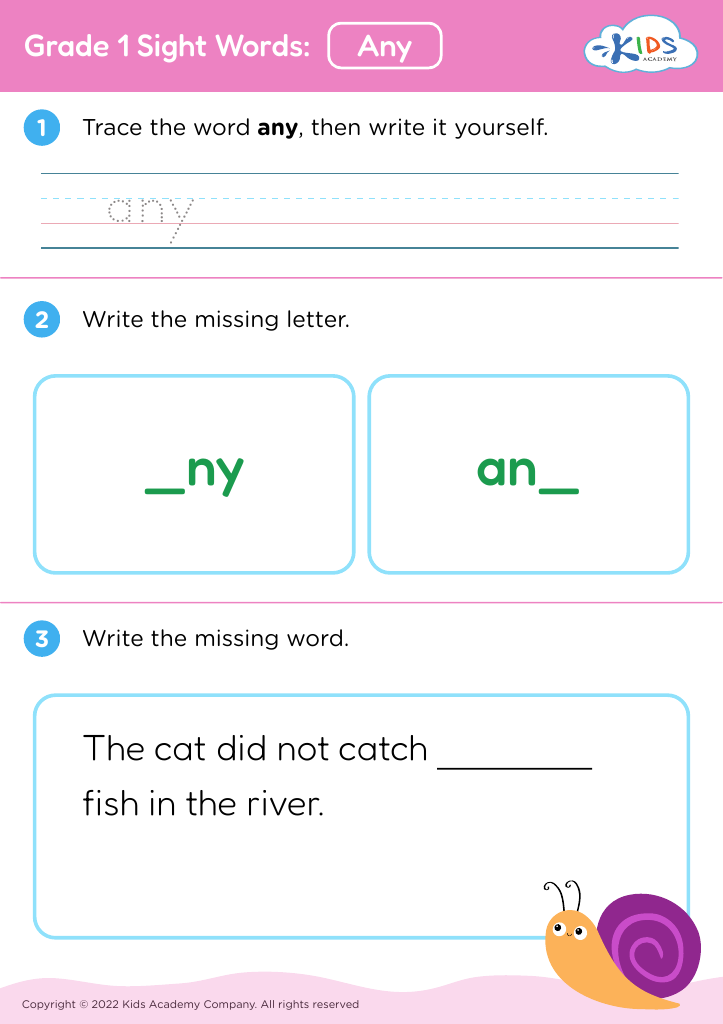
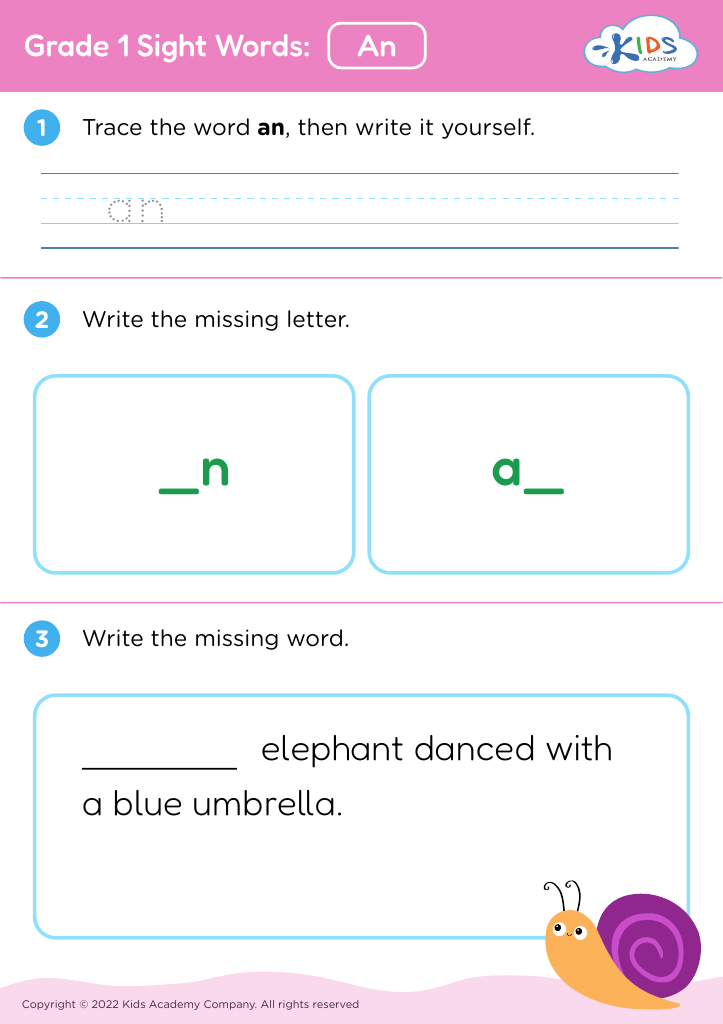
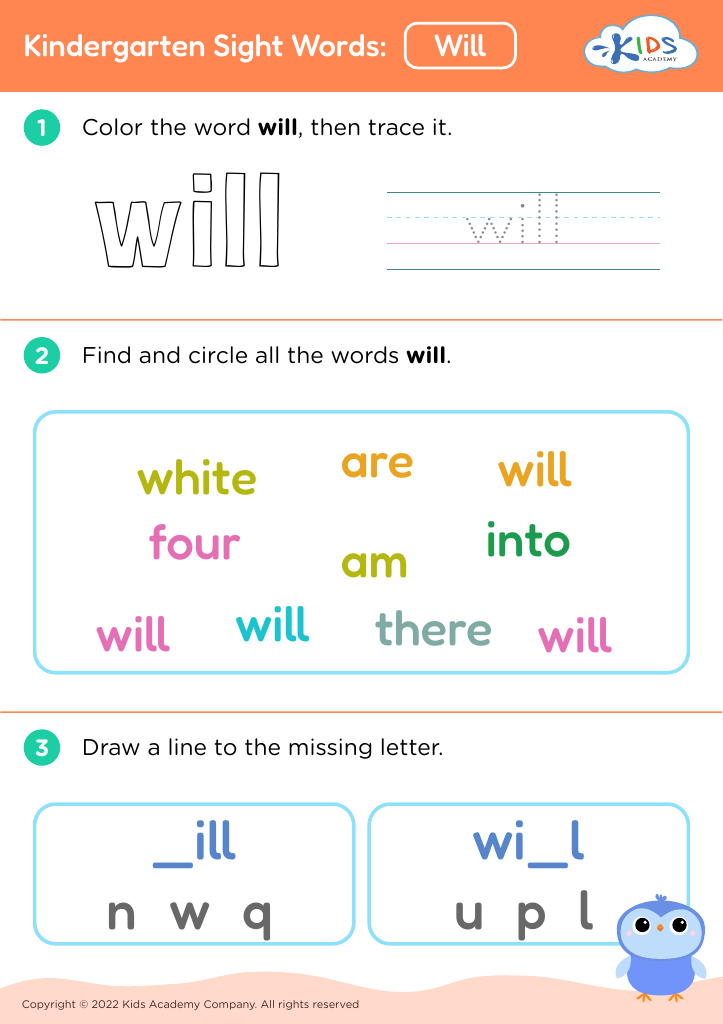
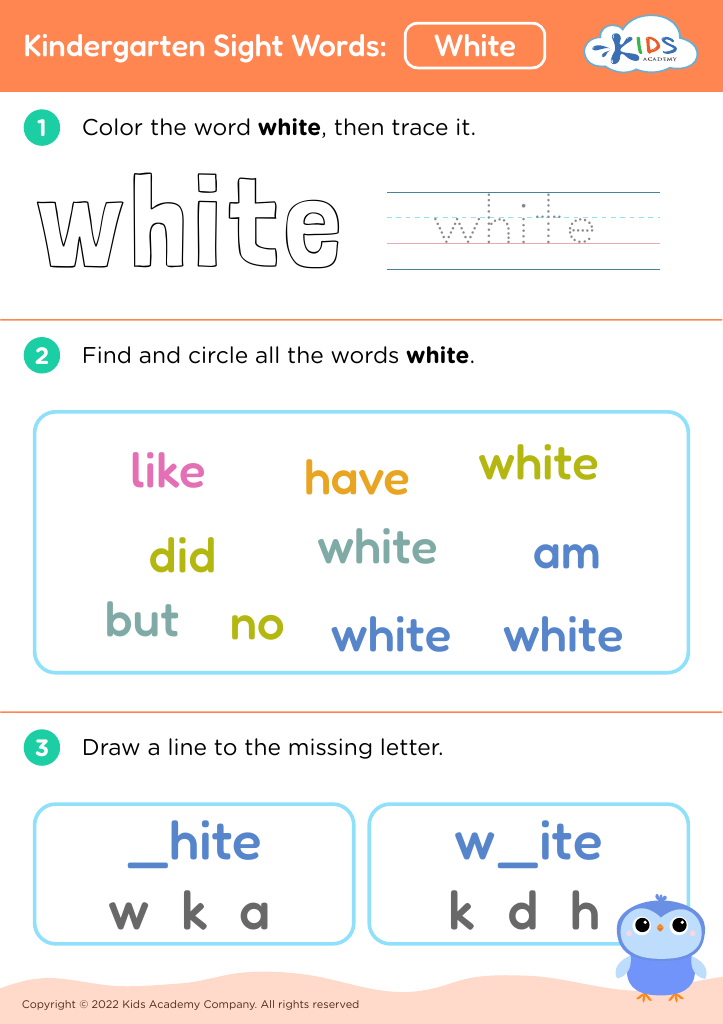
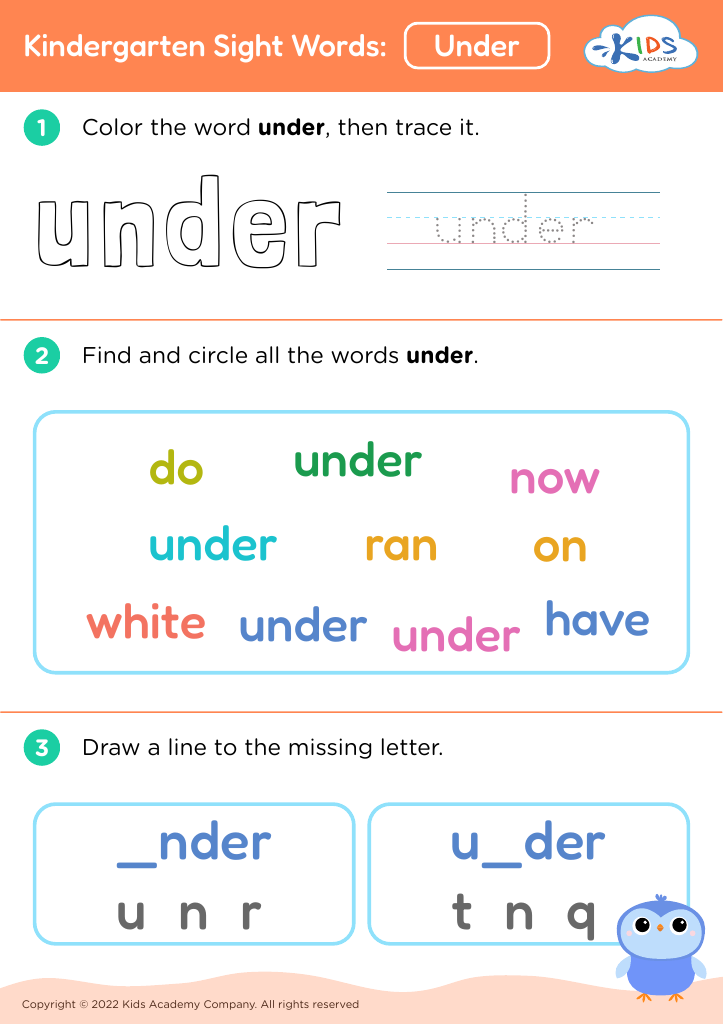
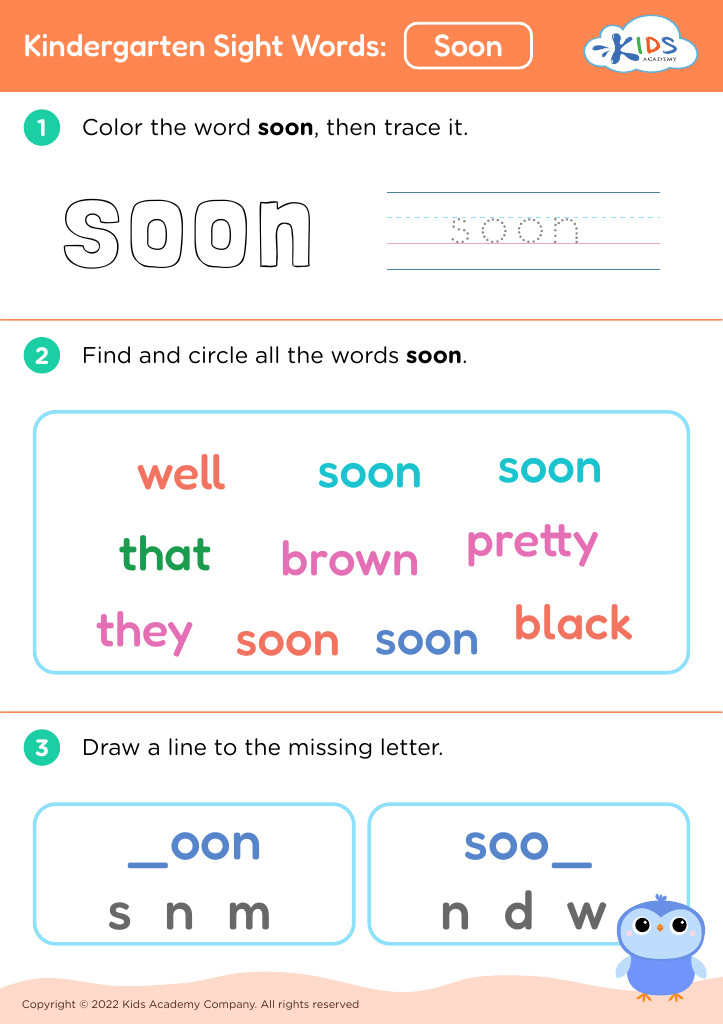
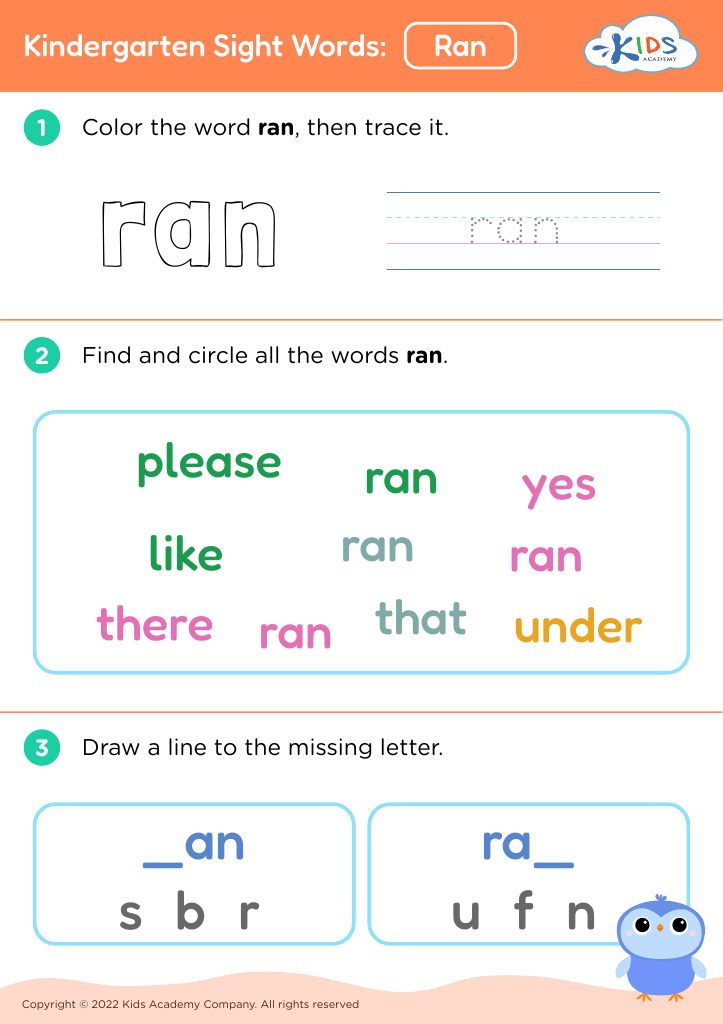
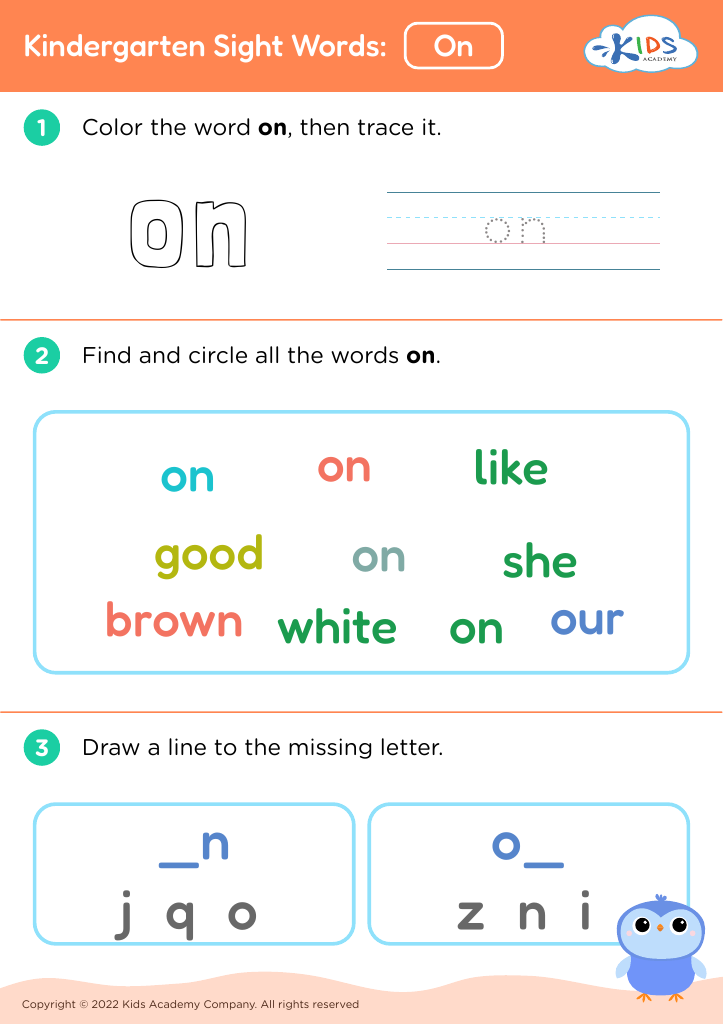
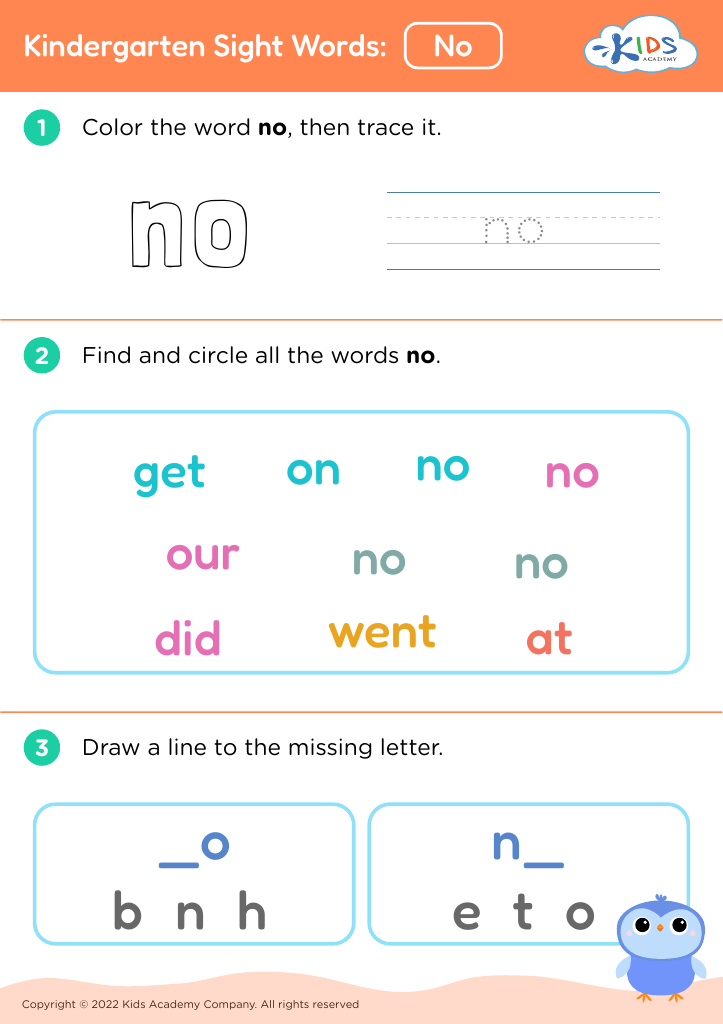
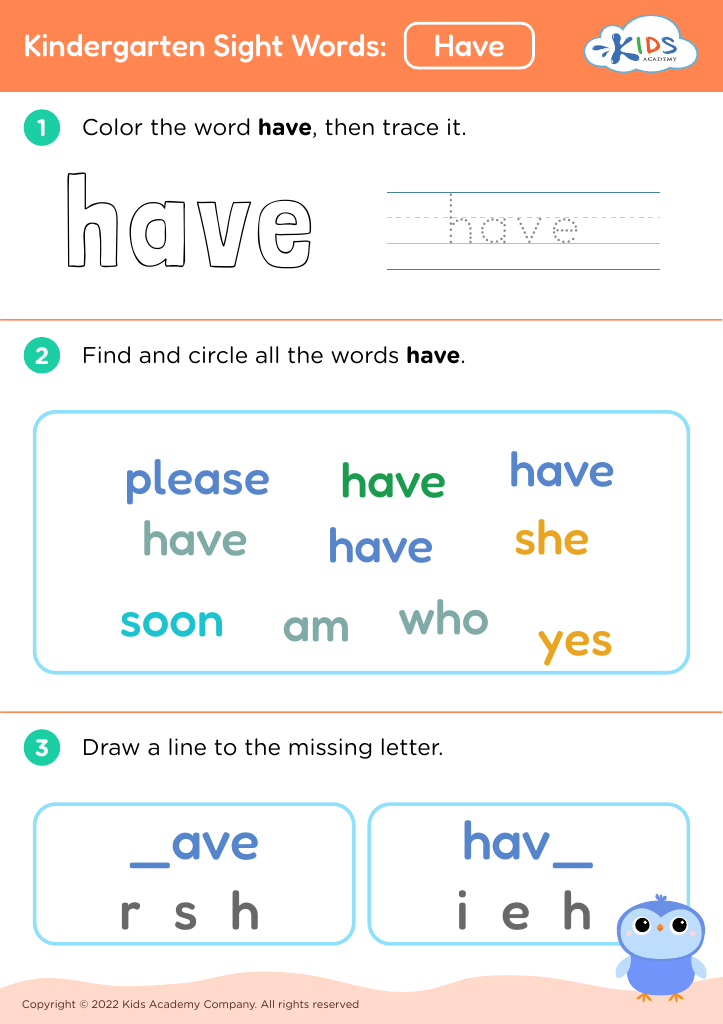
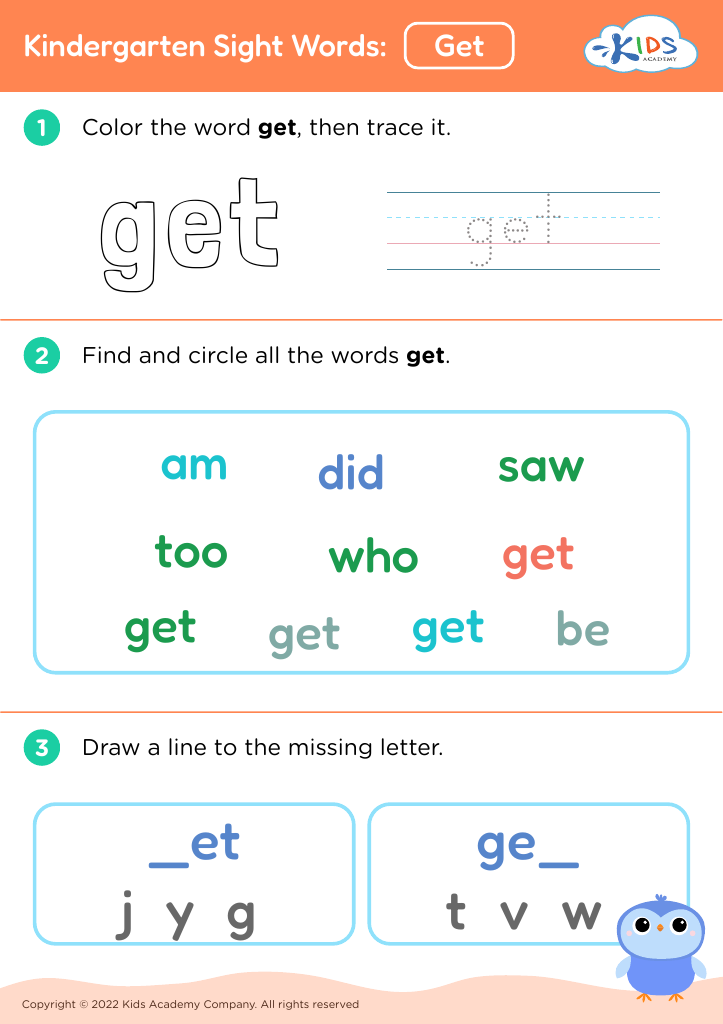
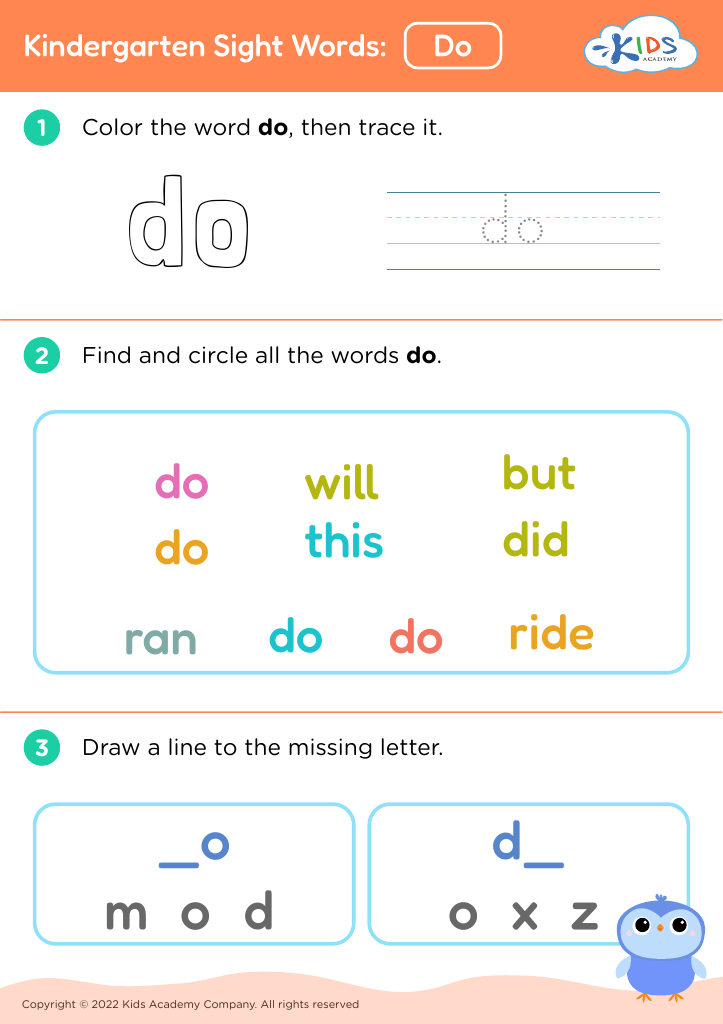
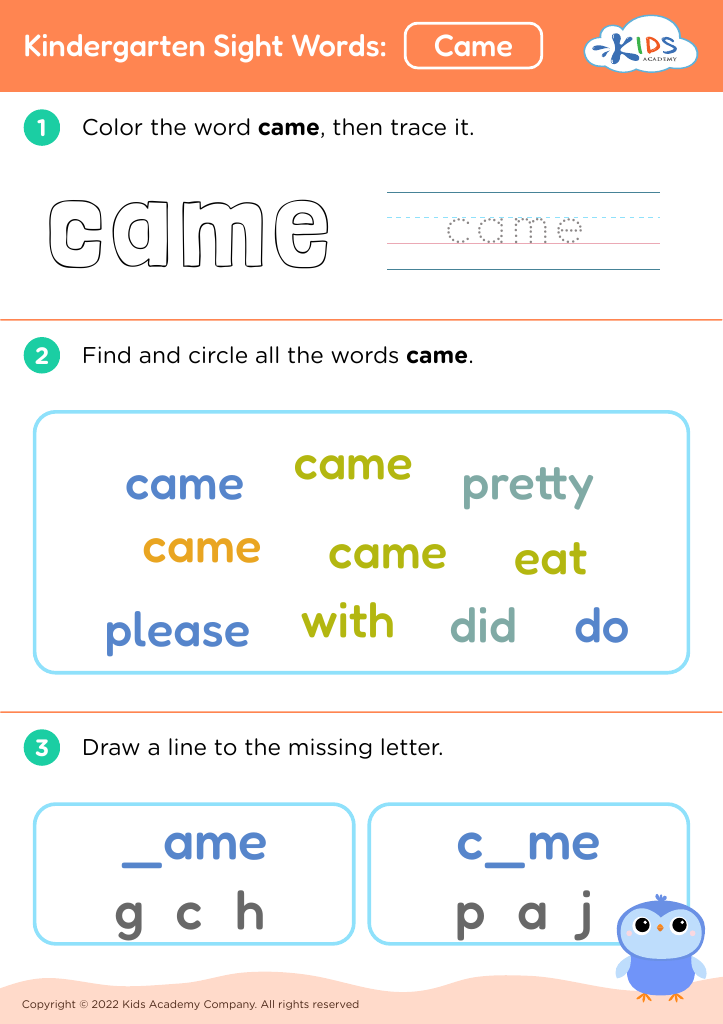
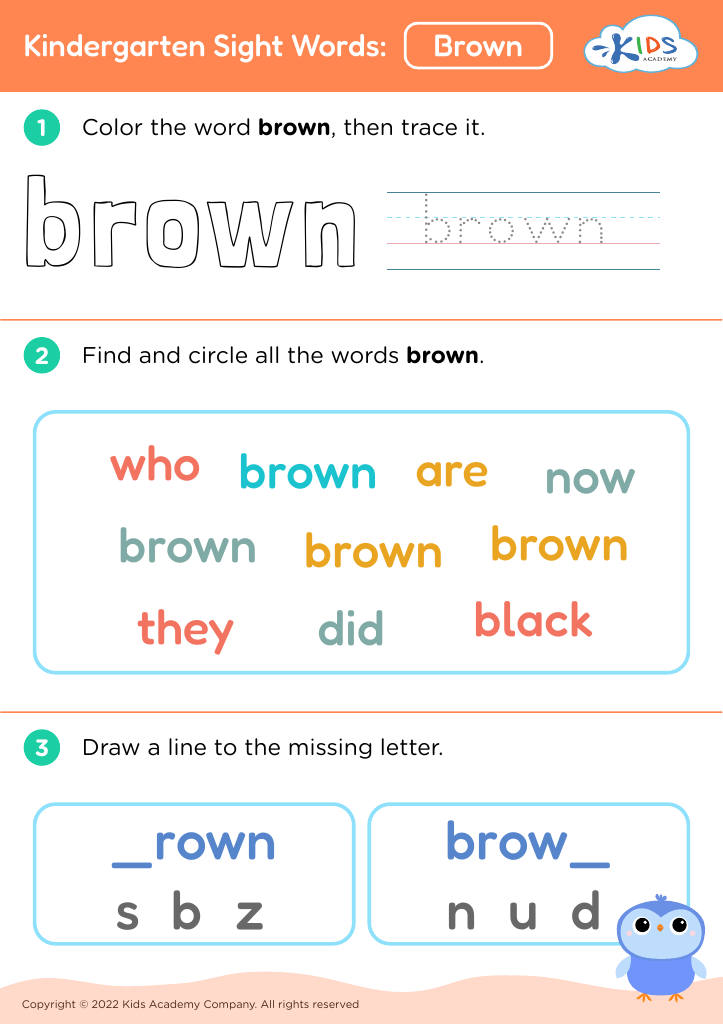
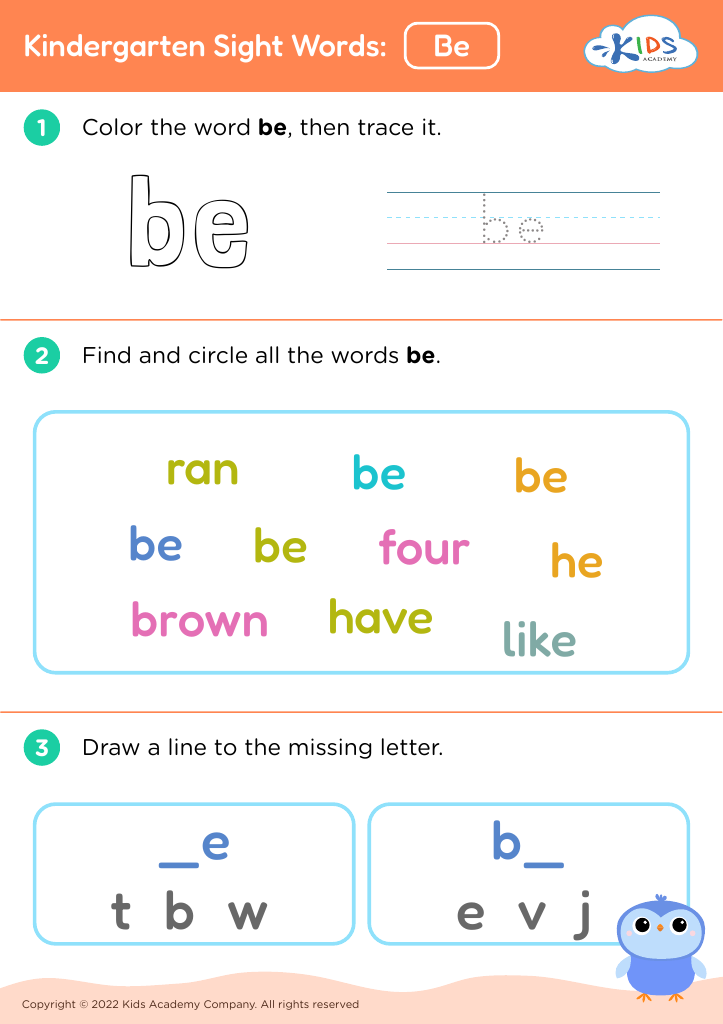
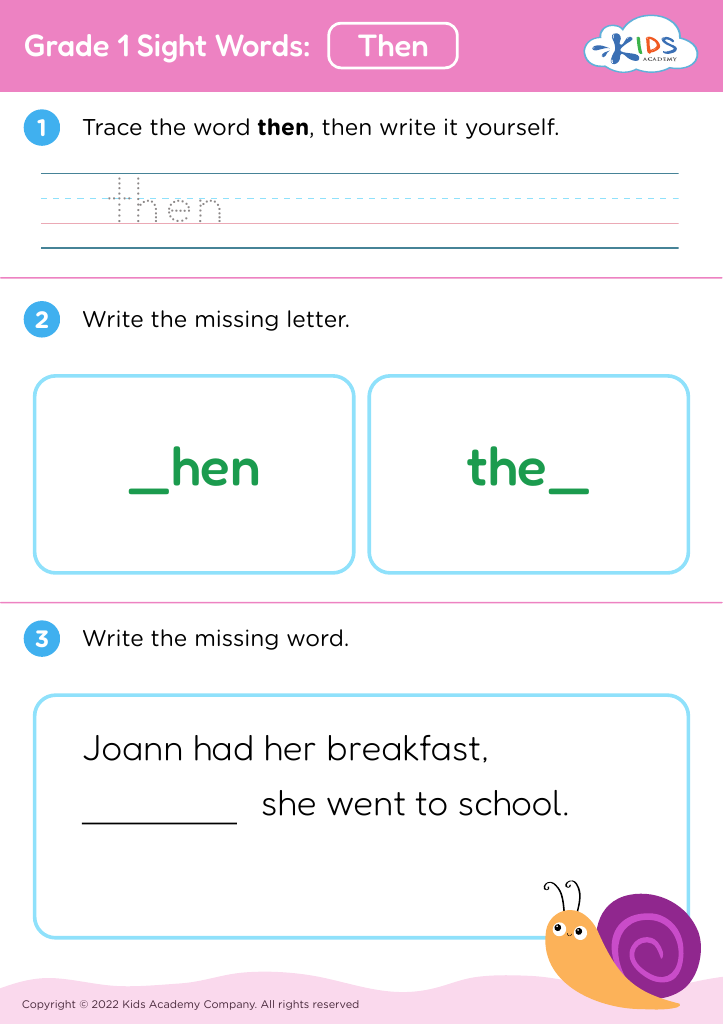








Understanding fractions and sight words are fundamental skills that significantly impact a child's academic journey, especially at a young age like six. Fractions introduce early mathematical concepts that are crucial for developing problem-solving and critical thinking skills. By grasping fractions, children begin to make sense of parts and wholes, laying the groundwork for more complex mathematical operations they'll encounter later. For instance, understanding that 1/2 is the same as two 1/4 pieces helps children comprehend division and ratios, driving their overall mathematical literacy forward.
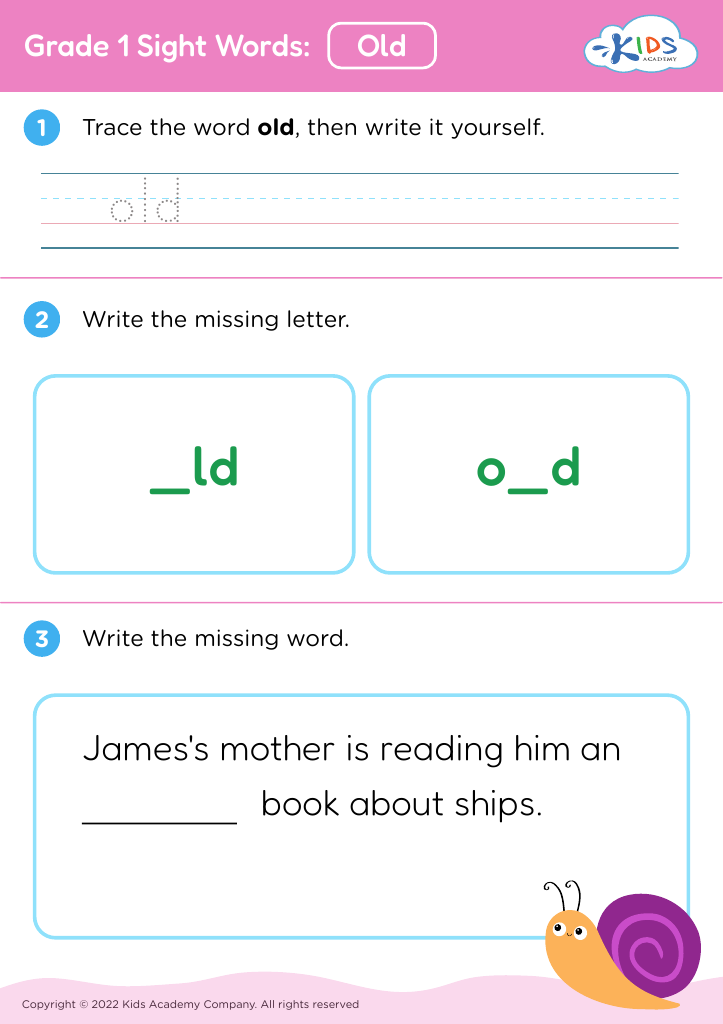
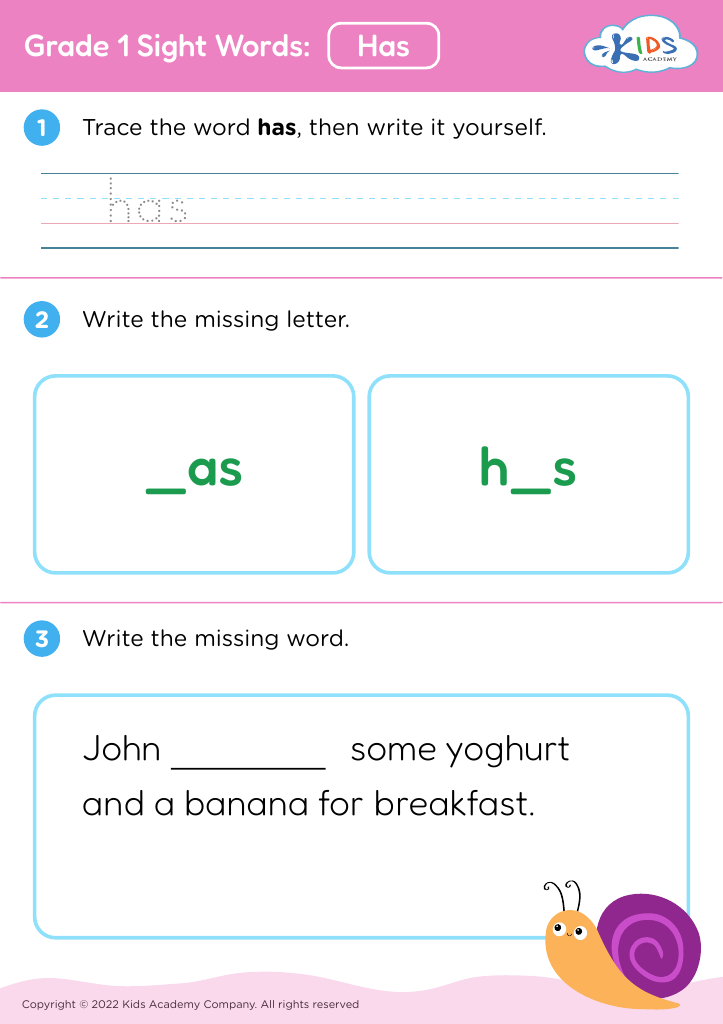
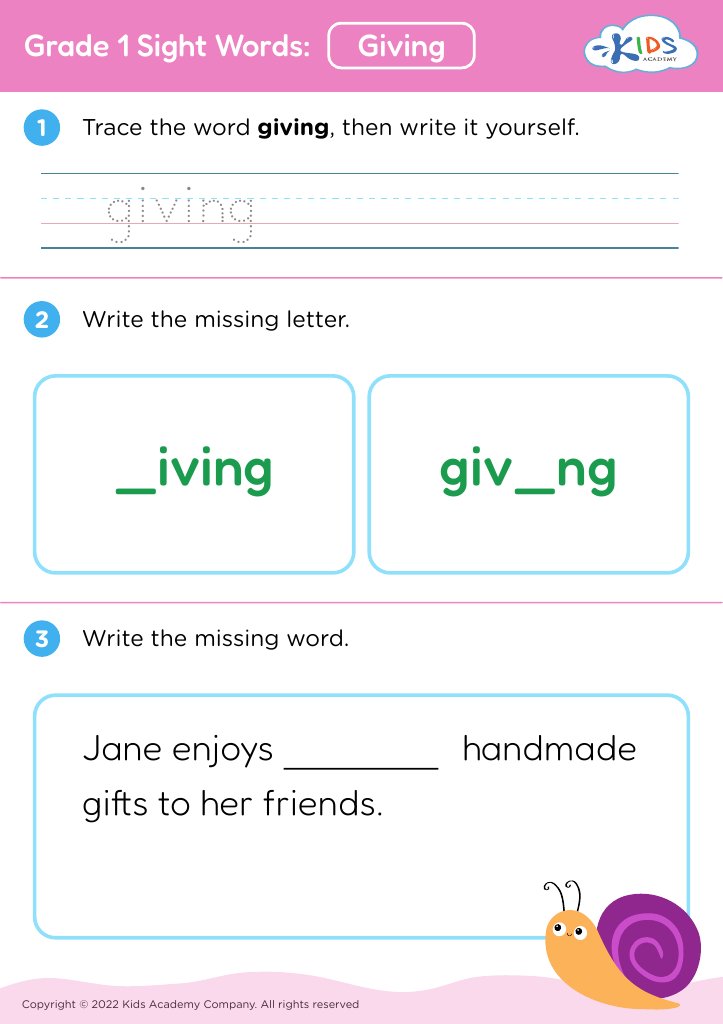
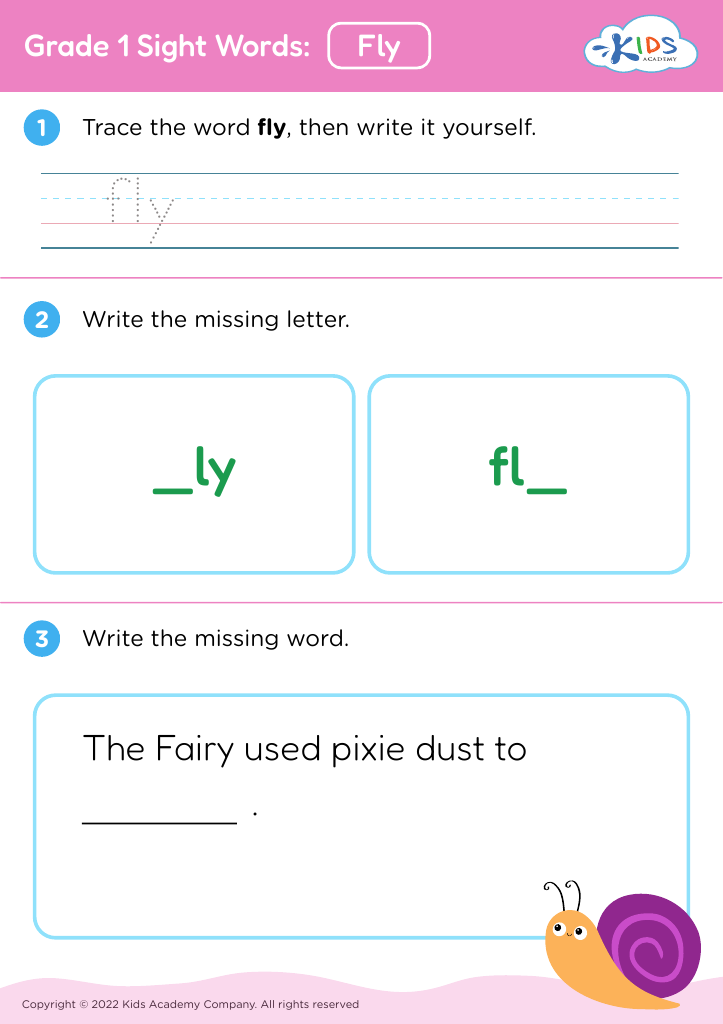
Sight words, on the other hand, pertain to literacy skills. These are common words that children are encouraged to recognize instantly without having to decode them. Mastery of sight words accelerates reading fluency, which is the ability to read with speed, accuracy, and proper expression. Being fluent in reading through sight words allows children to shift their focus from figuring out individual words to understanding and interpreting the text, thus enhancing their comprehension skills.
Both fractions and sight words underpin vital educational frameworks. A strong grasp of these concepts aids young learners in overcoming initial academic challenges, setting the stage for more advanced educational achievements. Therefore, parents and teachers should prioritize these foundational elements to boost a child's confidence and pave the way for future academic success.