Categorization skills Animals Worksheets for 6-Year-Olds
3 filtered results
-
From - To
Boost your 6-year-old's understanding of the animal kingdom with our engaging Categorization Skills Animals Worksheets. Designed specifically for young learners, these worksheets enhance critical thinking and science skills by helping children classify animals into various groups based on characteristics such as habitat, diet, and type. Each colorful and interactive worksheet encourages curious minds to explore and organize the natural world, making learning a fun and educational adventure. Perfect for supplementing classroom lessons or enhancing at-home study, our worksheets provide a solid foundation in categorization and animal science. Explore today and make learning a roaring success!
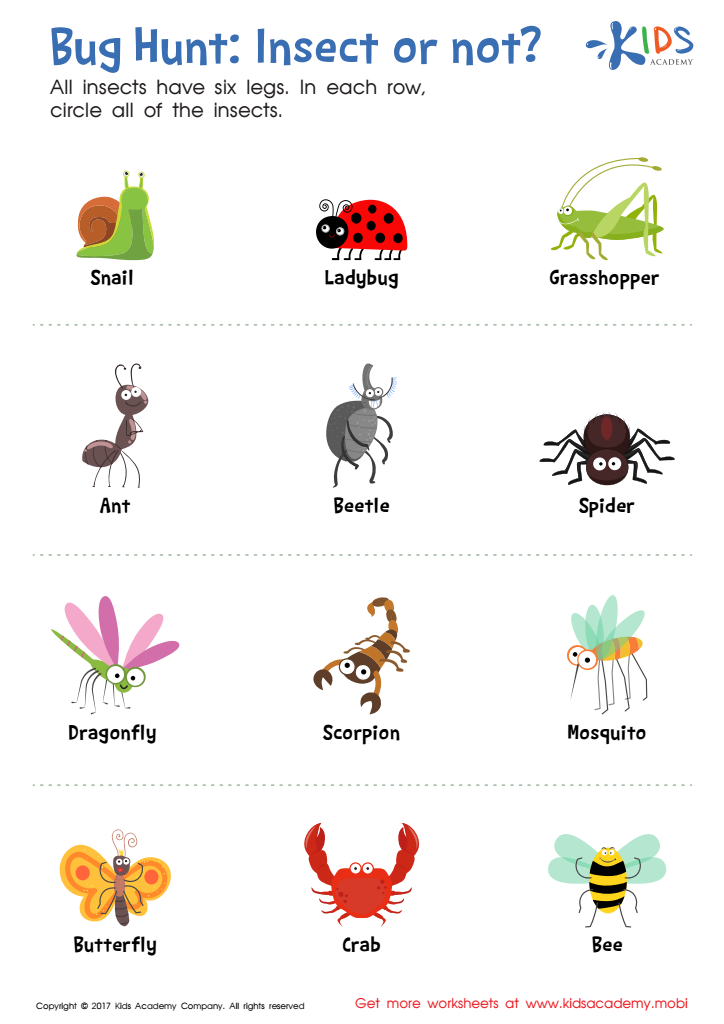
 Assign to My Students
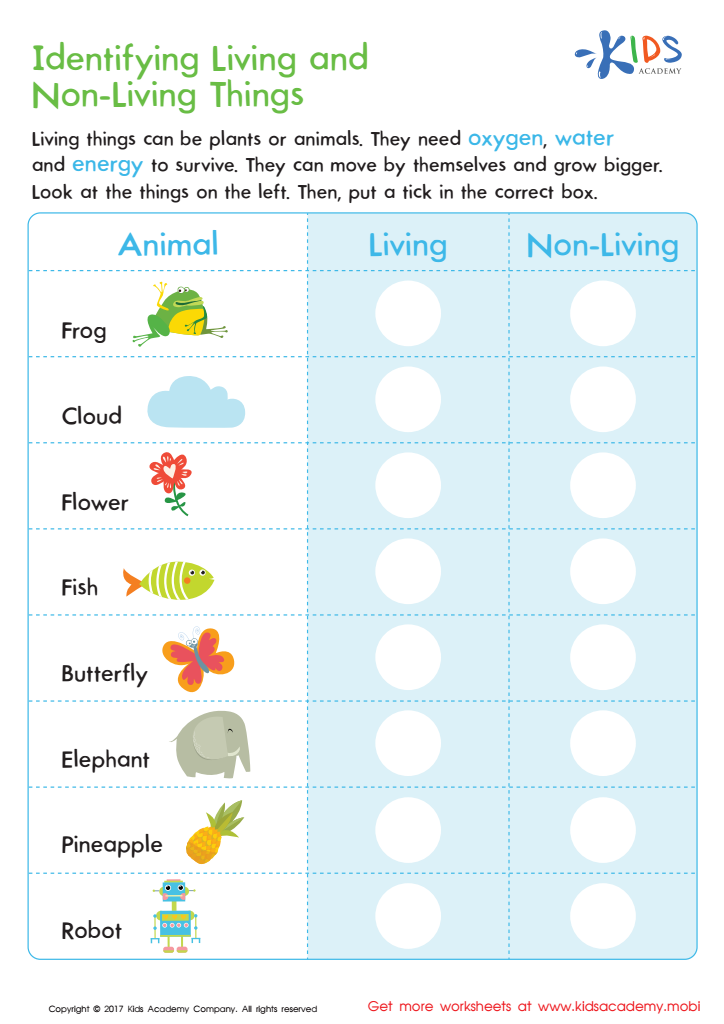
Identifying Living or Non–living Worksheet
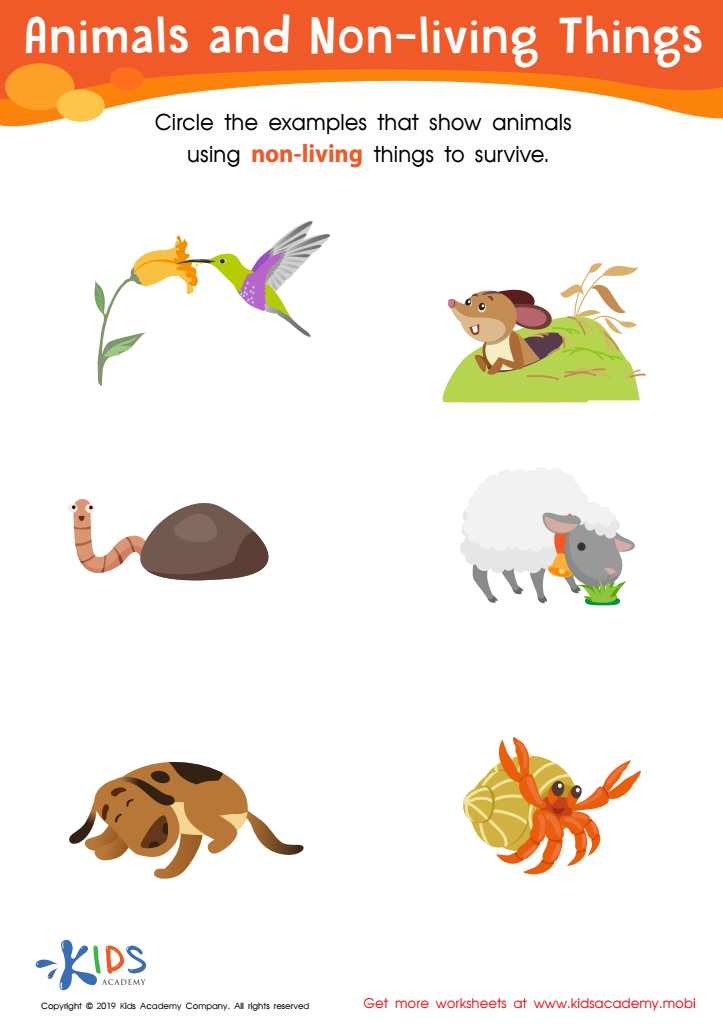
Animals and Non-Living Things Worksheet








Categorization skills, especially in contexts like sorting animals, are crucial cognitive building blocks for 6-year-olds. For parents and teachers, fostering these skills can bring significant educational benefits. Firstly, categorization enhances children's ability to organize knowledge, making it easier for them to retrieve and apply information when needed. By sorting animals into different groups based on criteria such as habitat, diet, or species, children not only learn about animal diversity but also grasp foundational concepts in biology and ecology.
Moreover, categorization promotes critical thinking and analytical skills. It encourages children to discern similarities and differences, leading to deeper comprehension and insight. This analytical mindset is essential for problem-solving and logical reasoning, skills that extend beyond academic settings and into everyday decision-making.
Additionally, learning to categorize animals can improve language development. It introduces new vocabulary related to animal classification, habitats, and characteristics, thus expanding their word bank and enhancing their descriptive language abilities.
Finally, this activity can foster a sense of curiosity and a love for learning about the natural world. It sets the stage for children to become more observant and engaged explorers of their environment, fueling a lifelong interest in science and discovery. Hence, parents and teachers have compelling reasons to support the development of categorization skills in young learners.








