Alphabet Recognition ABC Letters Worksheets for Ages 7-8 - Page 2
27 filtered results
-
From - To
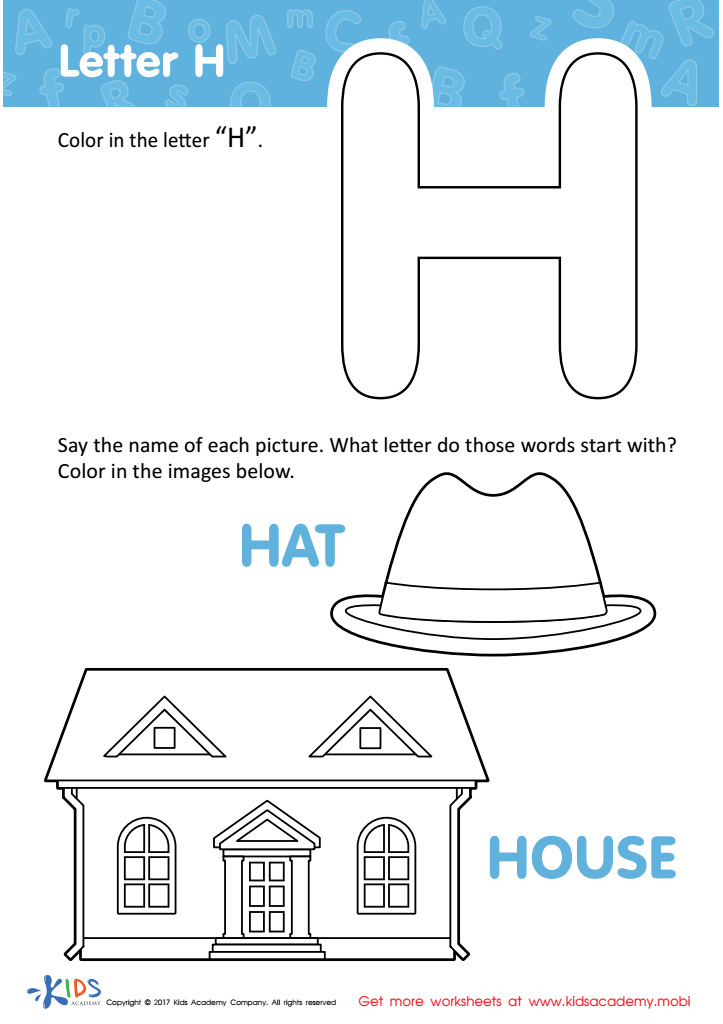
Letter H Coloring Sheet
 Assign to My Students





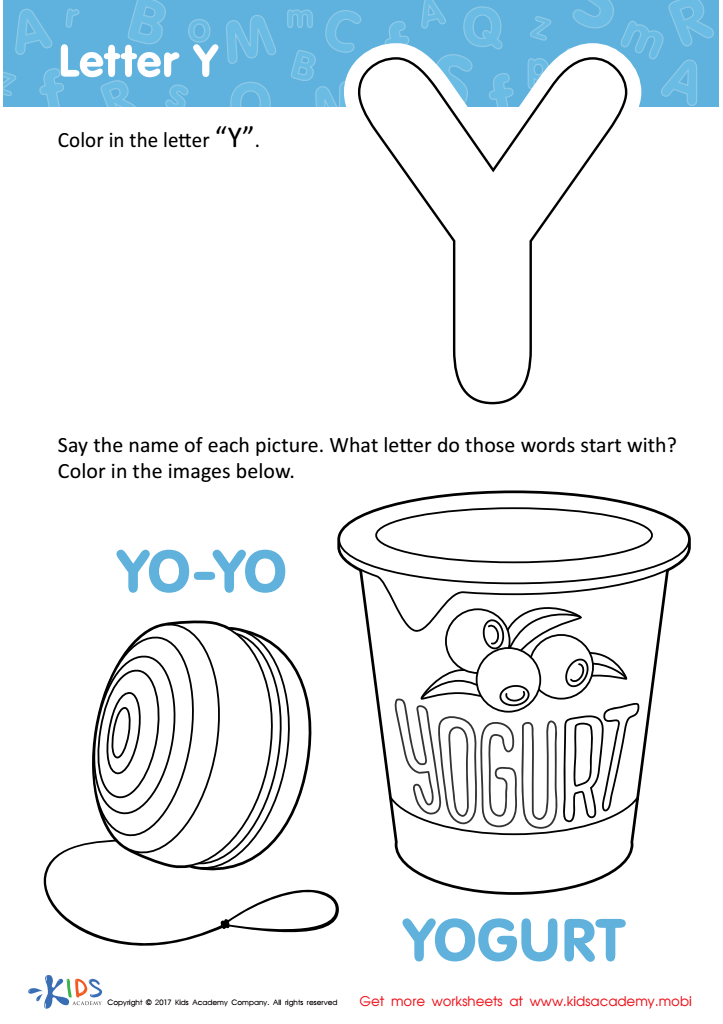
Letter Y Coloring Sheet
Assign to My Students
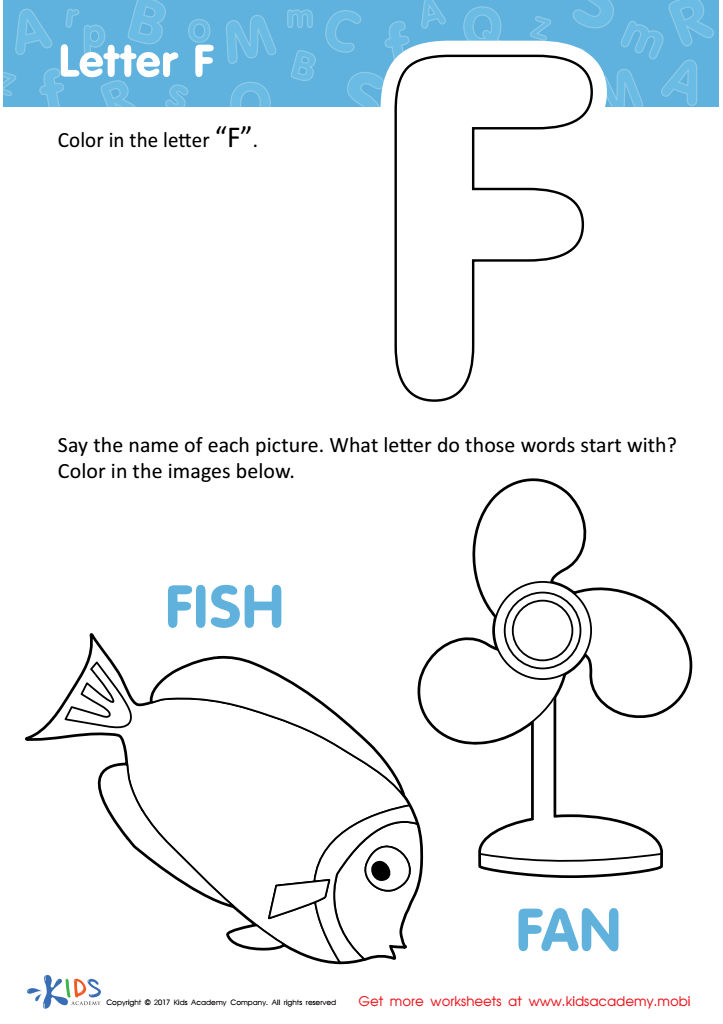
Letter F Coloring Sheet
Assign to My Students







Alphabet recognition is crucial for children aged 7-8 as it is foundational for literacy development, enabling effective communication, reading, and writing skills. When children can recognize letters, they develop phonemic awareness—the ability to hear, identify, and manipulate phonemes, which are the smallest units of sound. This skill is critical for decoding words while reading and influences spelling accuracy, vocabulary growth, and overall reading comprehension.
Moreover, alphabet recognition supports cognitive development. It enhances memory, visual and auditory processing, and language patterns, all of which are building blocks for more complex literacy skills. As children become proficient in identifying letters and their corresponding sounds, they gain confidence in reading and writing activities. This confidence translates to a greater enthusiasm for learning and fosters a positive attitude towards education.
For teachers and parents, supporting alphabet recognition offers a structured pathway to monitor and guide children’s literacy progress. Engaging children with alphabet-related games, activities, and consistent practice helps solidify their understanding and makes learning enjoyable. Given its fundamental importance, strong alphabet skills in early grades lay the groundwork for academic success and lifelong learning. Therefore, prioritizing alphabet recognition for children ages 7-8 is essential for their well-rounded educational development.







