Letter tracing skills ABC Letters Worksheets for Ages 7-8
3 filtered results
-
From - To
Boost your child's writing confidence with our engaging ABC Letter Tracing Worksheets, specially designed for ages 7-8! These interactive resources focus on enhancing letter formation and fine motor skills through fun tracing activities. Each worksheet features clear, colorful guides for uppercase and lowercase letters, ensuring an enjoyable learning experience. Your child can practice essential handwriting techniques while developing their vocabulary and spelling abilities. Whether at home or in the classroom, our worksheets provide valuable reinforcement for early literacy skills. Help your young learner master the alphabet and set the foundation for their writing journey with our delightful letter tracing worksheets!
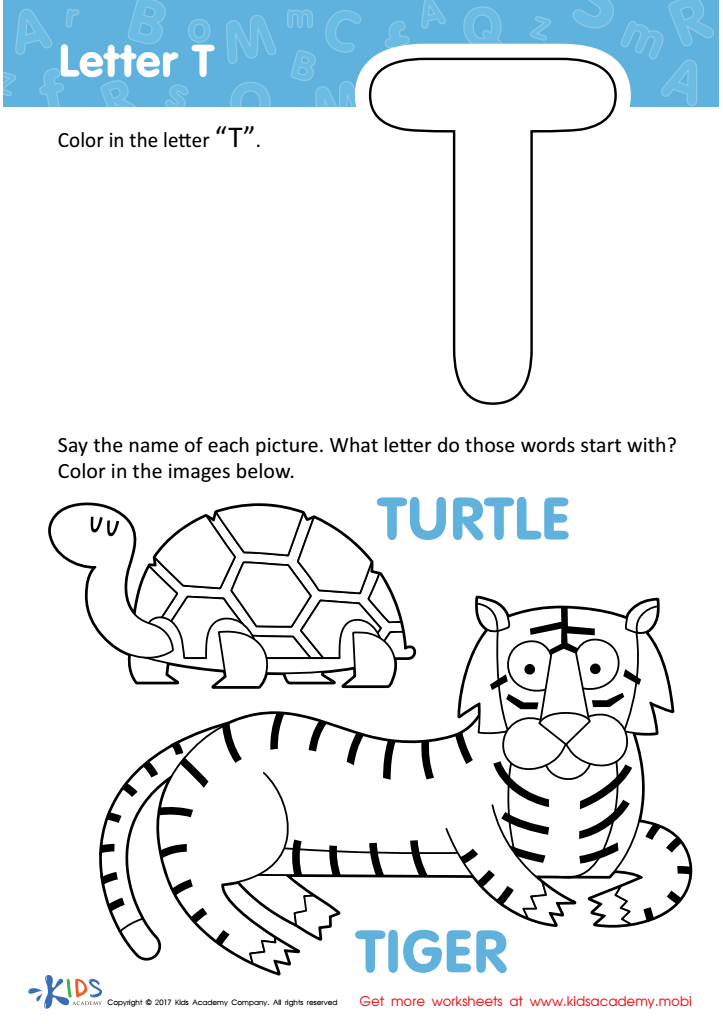
Letter T Coloring Sheet
 Assign to My Students



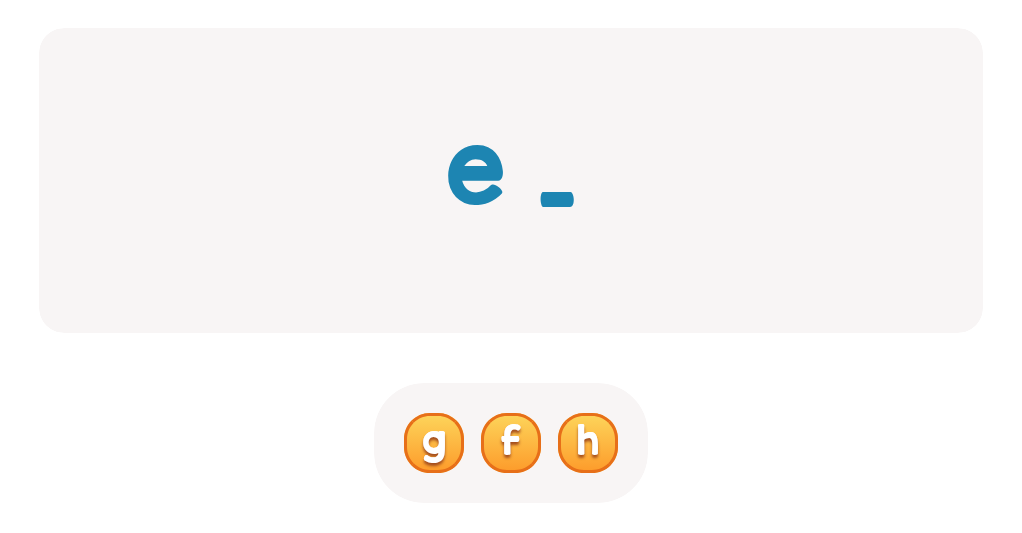
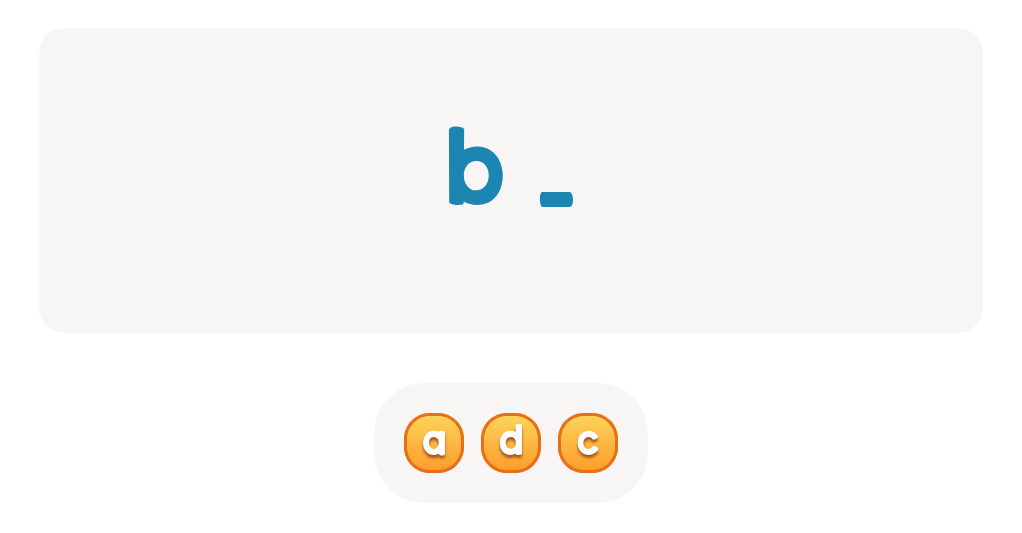

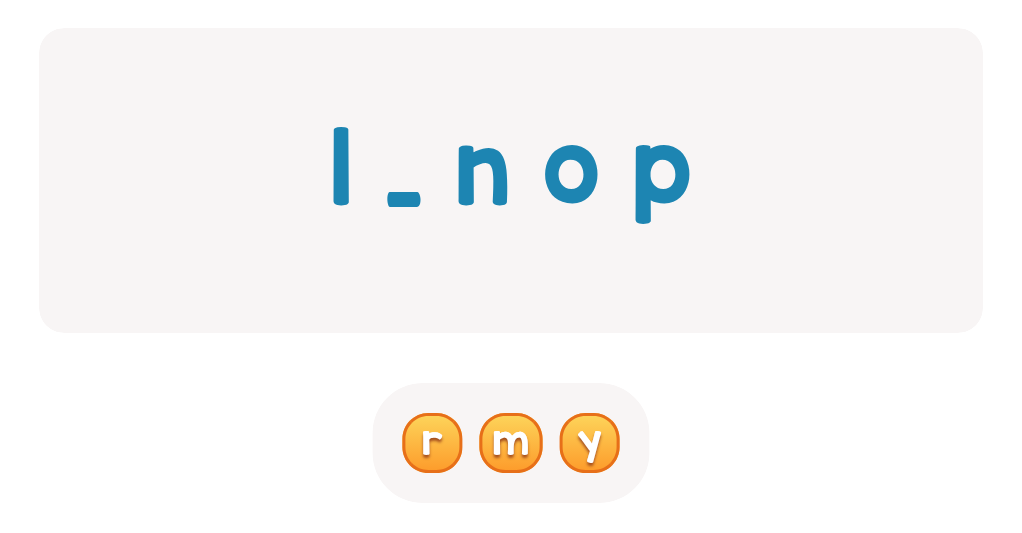



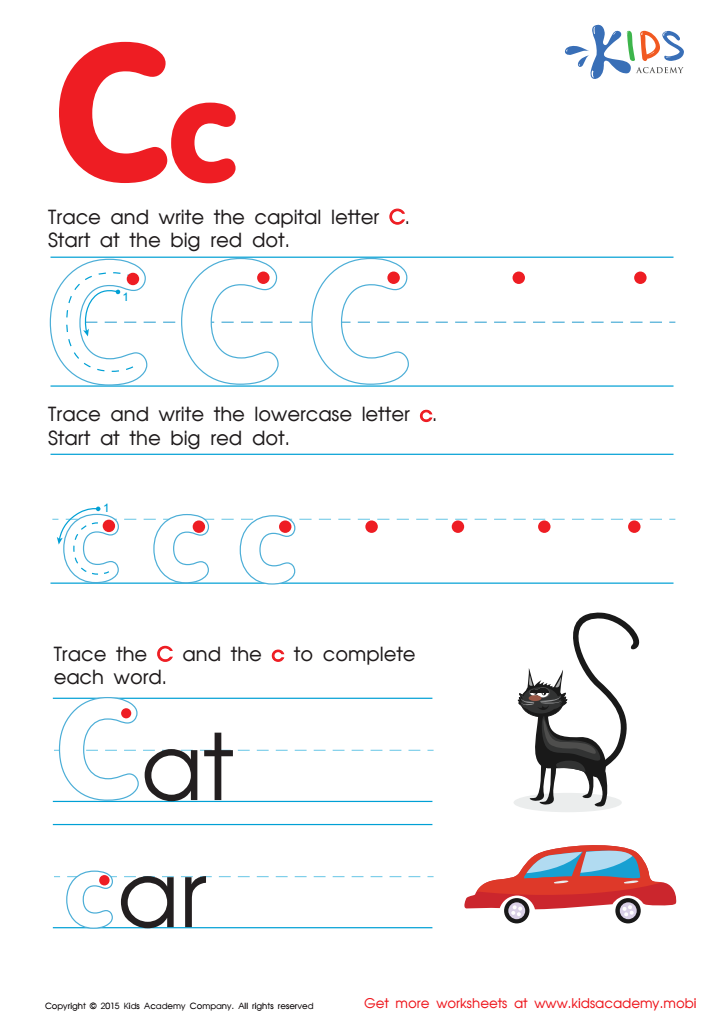
Letter C Tracing Page
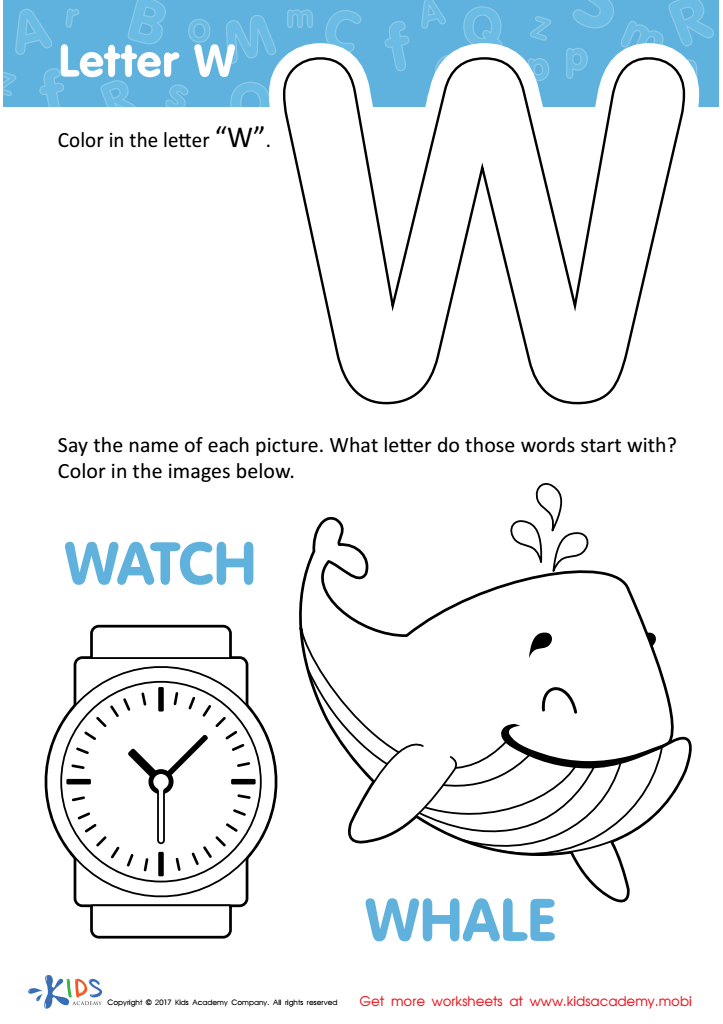
Letter W Coloring Sheet
Assign to My Students







Letter tracing skills are crucial for children aged 7-8 as they form the foundation for effective writing, reading, and overall literacy development. At this age, children are refining their motor skills, and practicing letter tracing helps strengthen the fine motor control necessary for writing neat and legible letters. This skill can increase their confidence and reduce frustration when they encounter writing tasks in school.
Additionally, mastering letter formation reinforces the connection between phonetics and letter shapes, assisting with reading readiness. By tracing letters, children begin to internalize their sounds and shapes, paving the way for fluent reading and spelling.
Moreover, engaging in letter tracing fosters concentration and discipline. It can serve as a calming activity that enhances focus and patience, which are essential traits for academics. This practice also promotes a sense of achievement, leading to positive self-esteem regarding academic abilities.
For teachers and parents, encouraging letter tracing during these formative years is not just about writing; it's about laying the groundwork for future learning. Cultivating strong literacy skills early on supports overall academic success and sets children on a path of lifelong learning. Therefore, investing time in letter tracing is invaluable for their educational journey.







