Alphabet Learning Alphabet Worksheets for Ages 7-8
3 filtered results
-
From - To
Nurture your child's literacy skills with our engaging Alphabet Learning Worksheets for Ages 7-8. Designed to make learning fun and effective, these worksheets help young learners master the alphabet through a variety of exercises, including letter tracing, matching, and writing practice. Our comprehensive collection ensures that children can confidently recognize and write both uppercase and lowercase letters. Each activity is crafted to enhance fine motor skills, reinforce letter-sound relationships, and boost reading readiness. Perfect for classroom use or additional practice at home, our resources are an essential tool for fostering a strong foundation in early literacy.
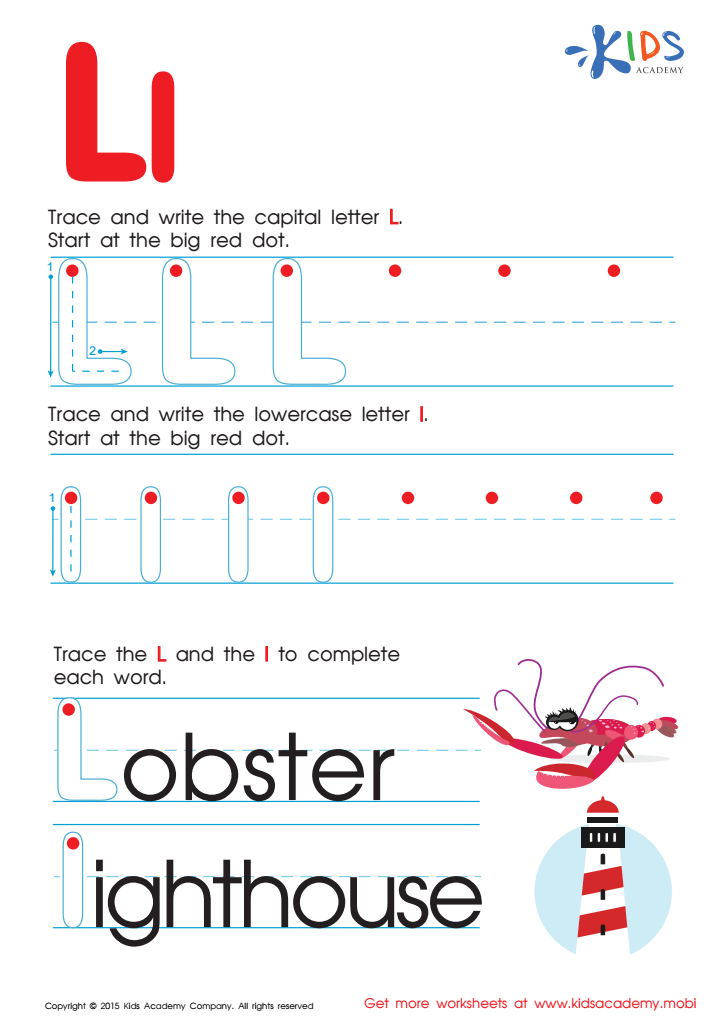
Letter L Tracing Page
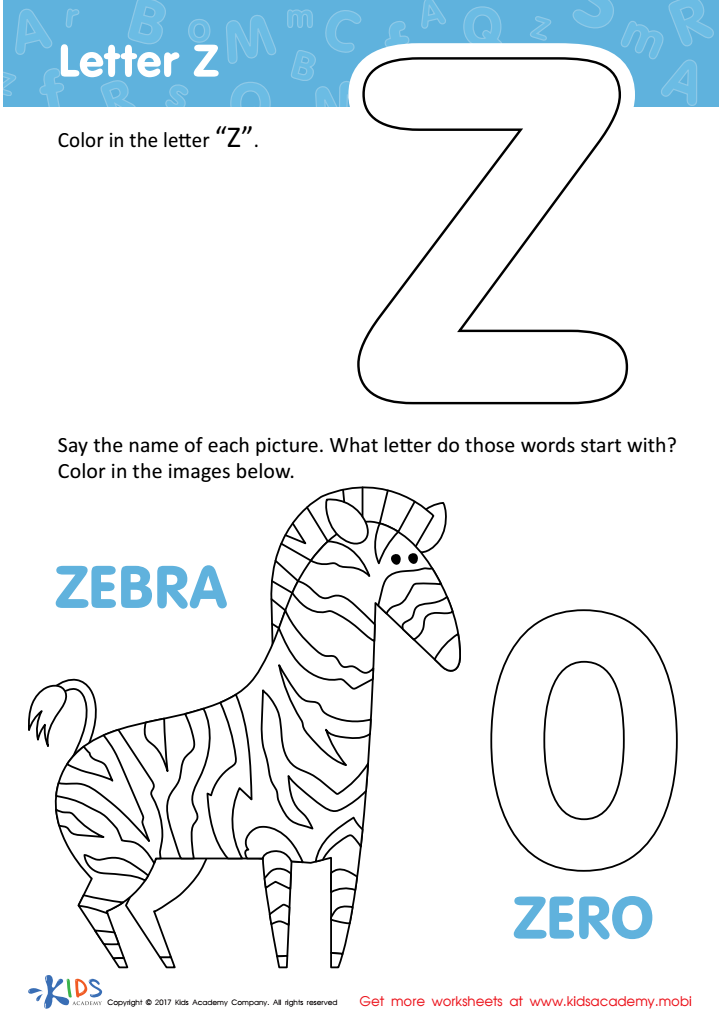
Letter Z Coloring Sheet
 Assign to My Students
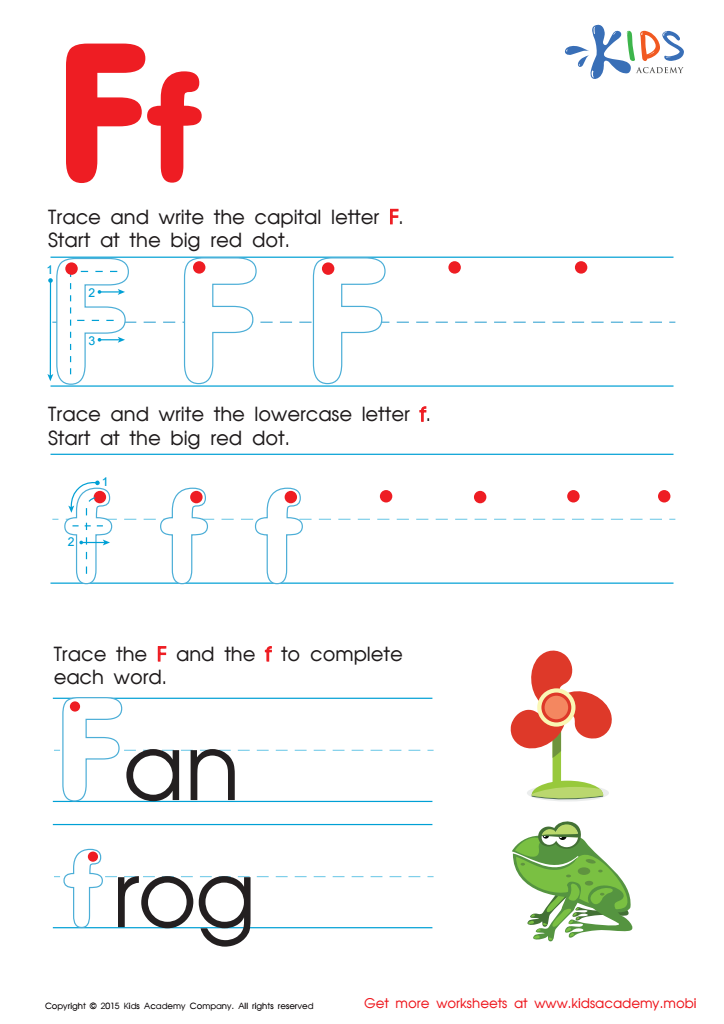
Letter F Tracing Page







Ensuring that children aged 7-8 have a strong grasp of the alphabet is essential for their overall literacy and educational development. For kids in this age group, understanding the alphabet goes beyond simply recognizing letters; it involves mastering the foundational skills of reading and writing that will support their future learning experiences.
Parents and teachers should prioritize alphabet learning because it helps children decode words, understand phonics, and build vocabulary. When young learners are confident in identifying letters and their corresponding sounds, they can more easily blend those sounds to form words, aiding in fluency and comprehension. This stage is crucial as it transitions them from learning to read to reading to learn.
Moreover, proficiency with the alphabet boosts a child's self-esteem and confidence in academic settings. It sets a positive trajectory for their ability to tackle more complex reading and writing tasks in higher grades. Having these solid foundational skills reduces frustration and enhances a child's enthusiasm for learning.
In a broader sense, early literacy skills are predictive of future academic success and lifelong learning. By caring about alphabet learning, parents and teachers provide children with the tools they need to thrive academically and develop a lifelong love for reading and learning.







