Handwriting practice Alphabet Worksheets for Ages 7-8 - Page 2
33 filtered results
-
From - To
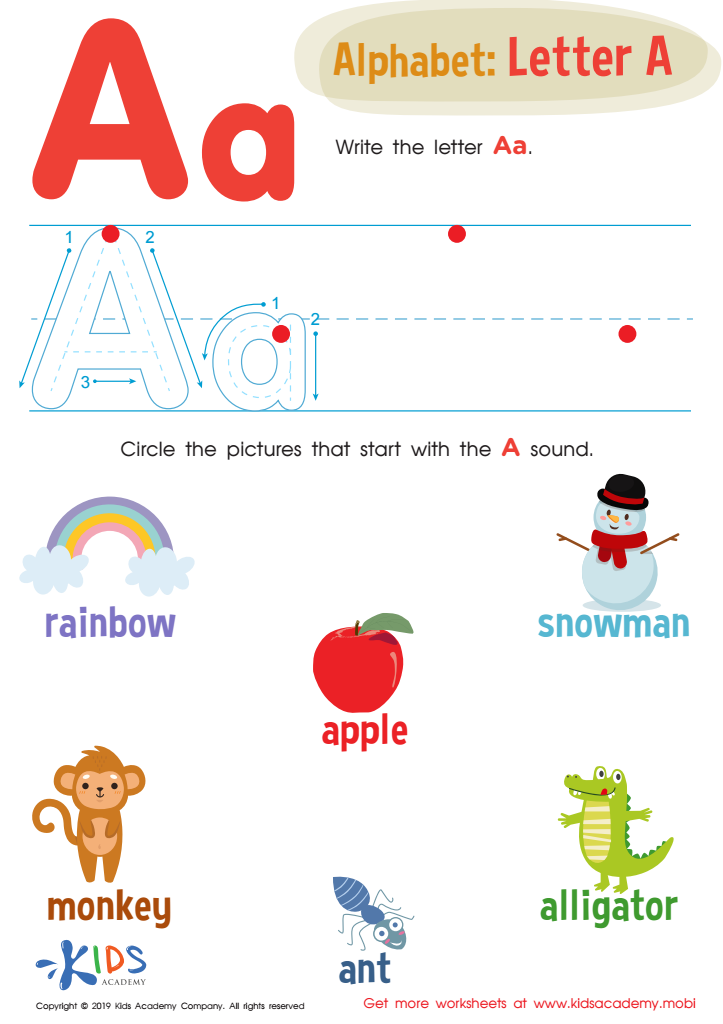
Letter A Tracing Worksheet
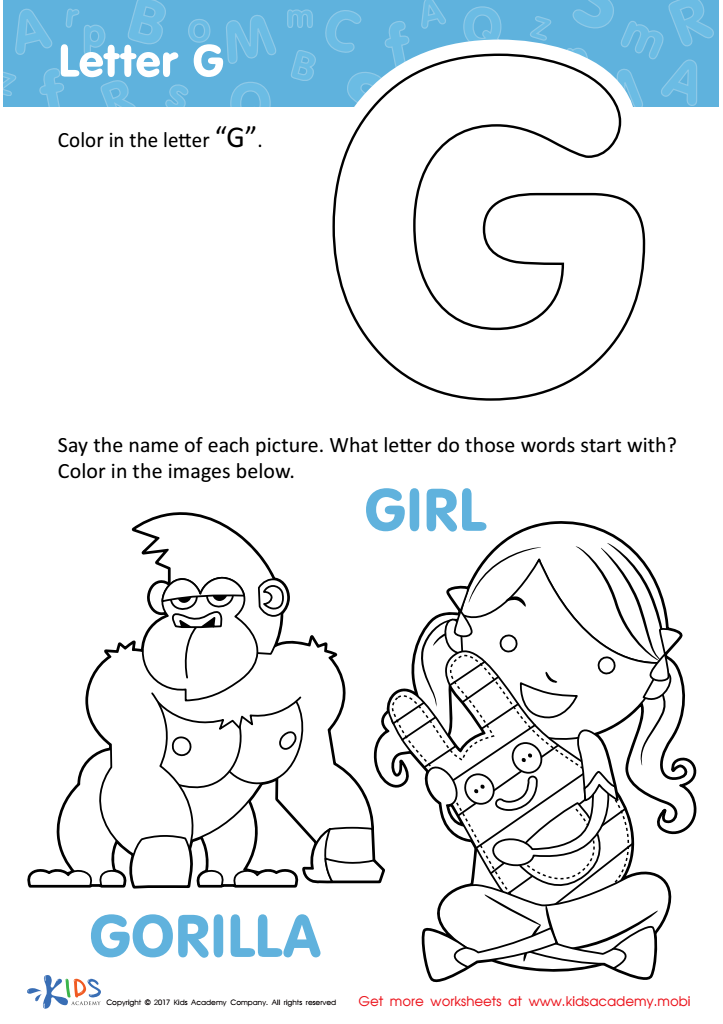
Letter G Coloring Sheet
 Assign to My Students
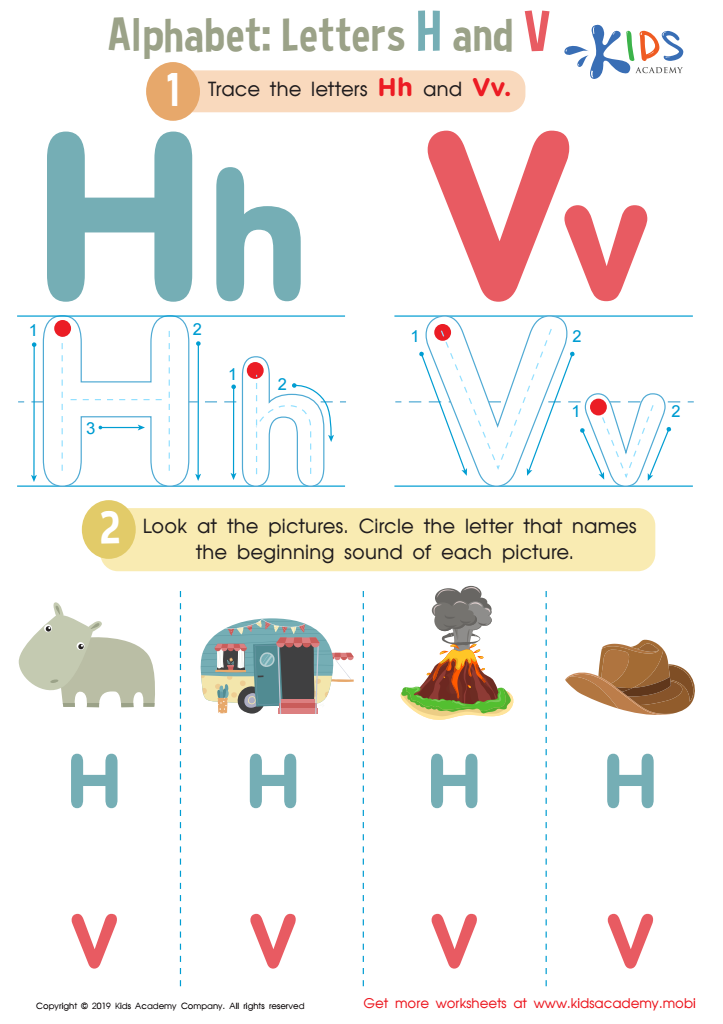
Letters H and V Tracing Worksheet
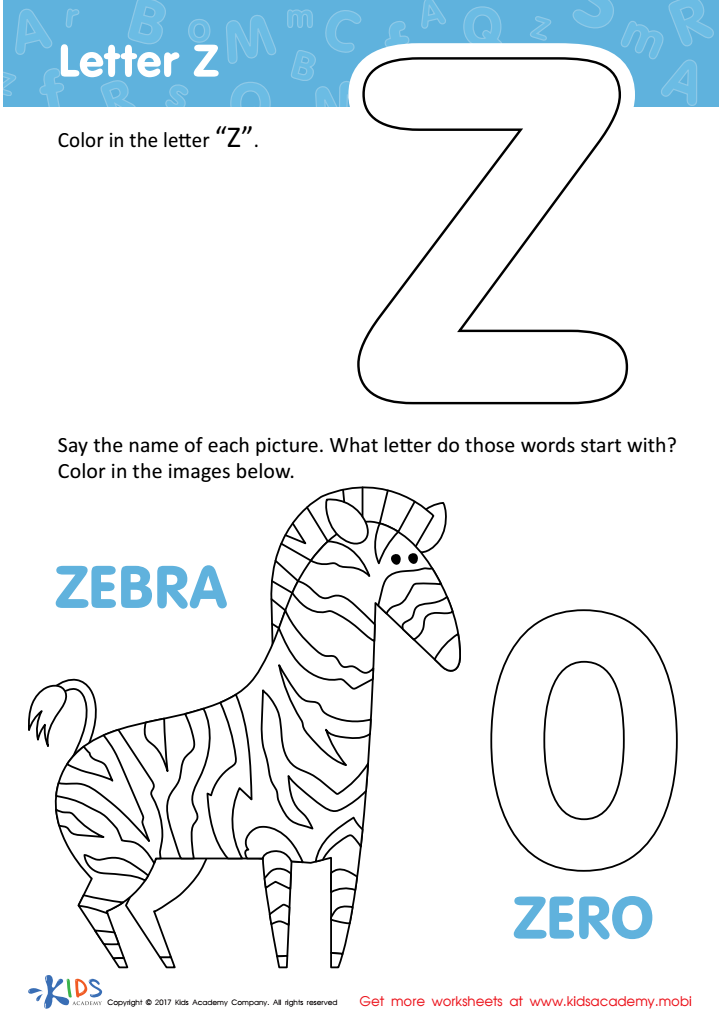
Letter Z Coloring Sheet
Assign to My Students
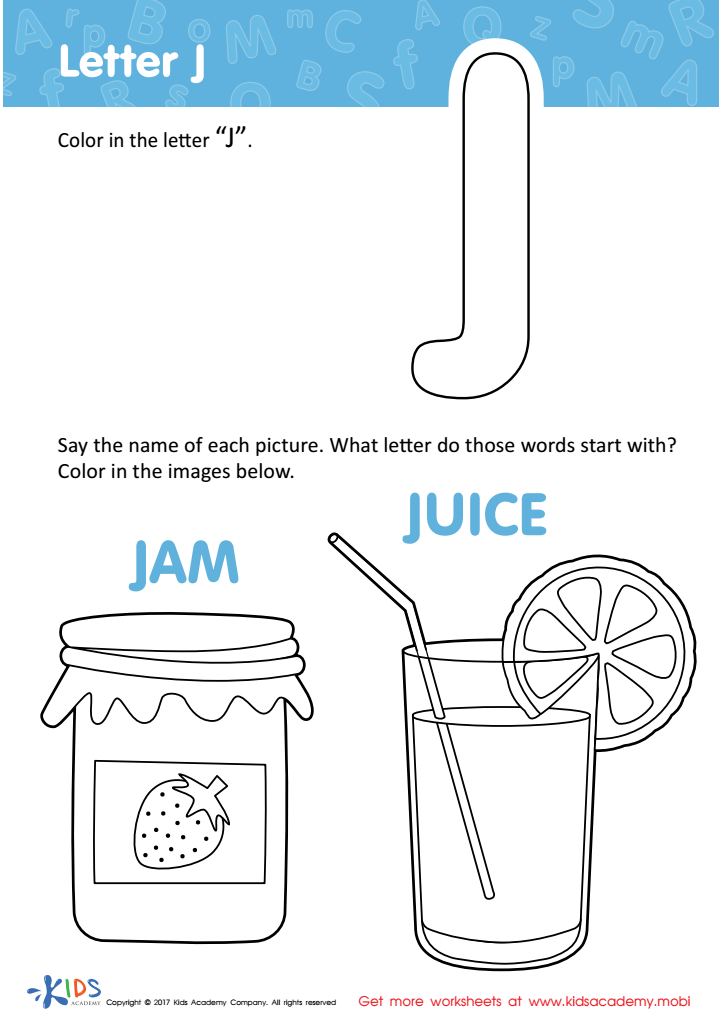
Letter J Coloring Sheet
Assign to My Students
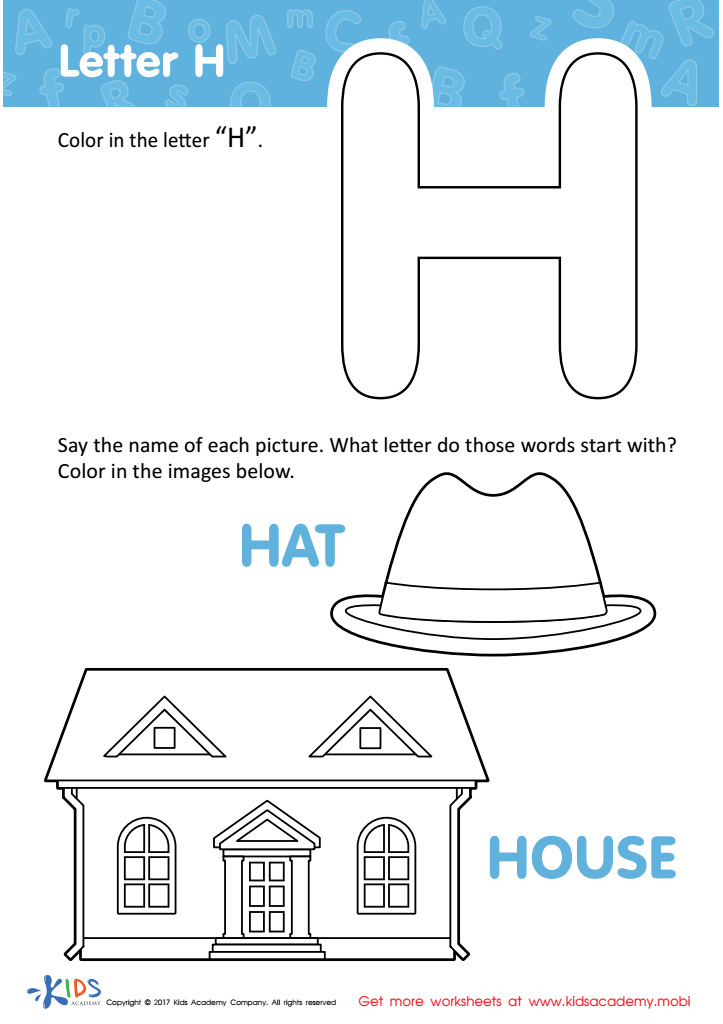
Letter H Coloring Sheet
Assign to My Students
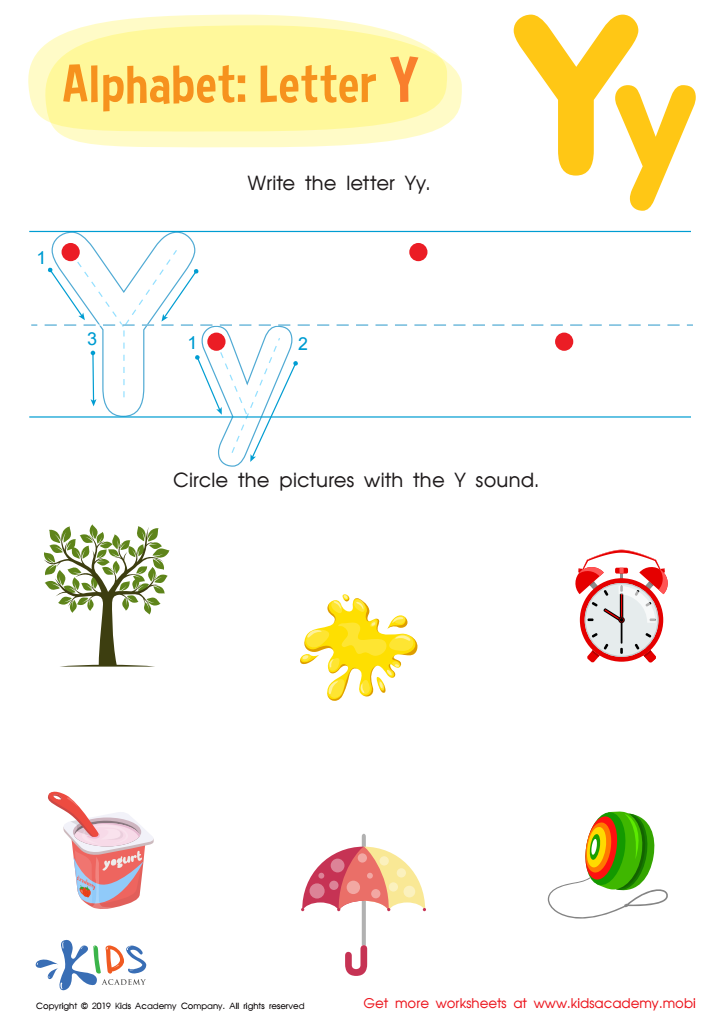
Letter Y Tracing Worksheet
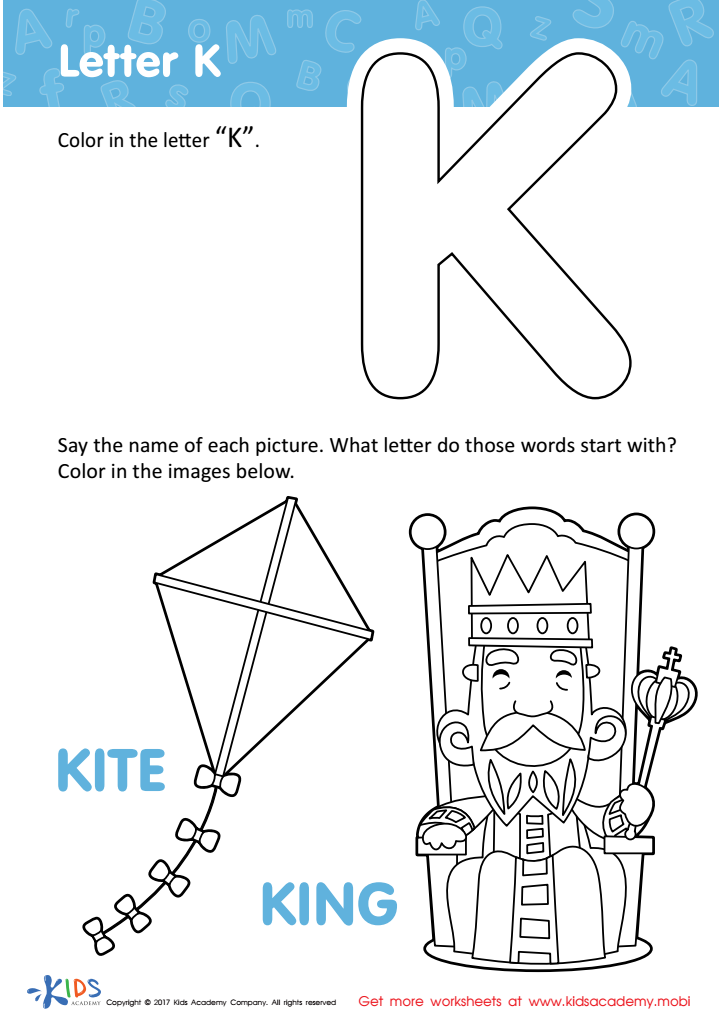
Letter K Coloring Sheet
Assign to My Students
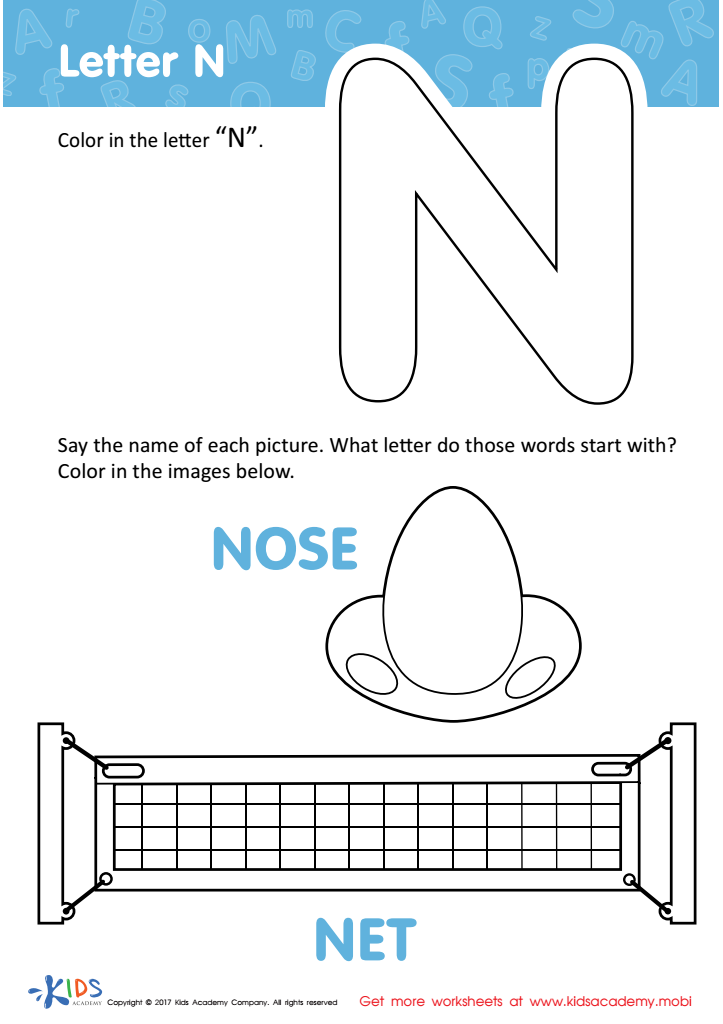
Letter N Coloring Sheet
Assign to My Students







Parents and teachers should prioritize handwriting practice, particularly with the alphabet, for children aged 7-8 for several crucial reasons. First, handwriting enhances fine motor skills, as it requires precise control and coordination of hand muscles. This development is fundamental for other daily tasks, such as dressing and playing musical instruments.
Secondly, handwriting practice reinforces letter recognition and literacy. Children who routinely write letters become more familiar with their shapes and sounds, which directly improves their reading skills. Moreover, the act of writing itself enhances memory retention and understanding of written language.
Handwriting is also essential for cognitive development. Focusing on proper letter formation encourages attention to detail and fosters discipline and patience. This practice stimulates brain development areas linked to critical thinking and problem-solving abilities.
Socially and emotionally, neat handwriting boosts a child's confidence. Clear, legible writing allows children to communicate their thoughts and knowledge, which is vital in both academic settings and everyday interactions.
Overall, establishing strong handwriting skills at an early age lays a foundation for academic success and functional independence. Therefore, embracing regular and structured handwriting practice for children ages 7-8 is a fundamental step in fostering their educational and personal growth.







