Phonics enhancement Alphabet Worksheets for Ages 7-8
3 filtered results
-
From - To
Boost your child's reading skills with our Phonics Enhancement Alphabet Worksheets for Ages 7-8! Designed to make phonics learning fun and effective, these printable worksheets are perfect for developing essential reading foundations. Each activity focuses on letter recognition, phonemic awareness, and sound-symbol relationships, all tailored to engage young learners aged 7-8. Whether for classroom use or home learning, these worksheets turn learning into a playful adventure. Help your child build strong literacy skills, improve their pronunciation, and enjoy the journey of reading with our expertly crafted resources at Kids Academy. Download now and start learning today!
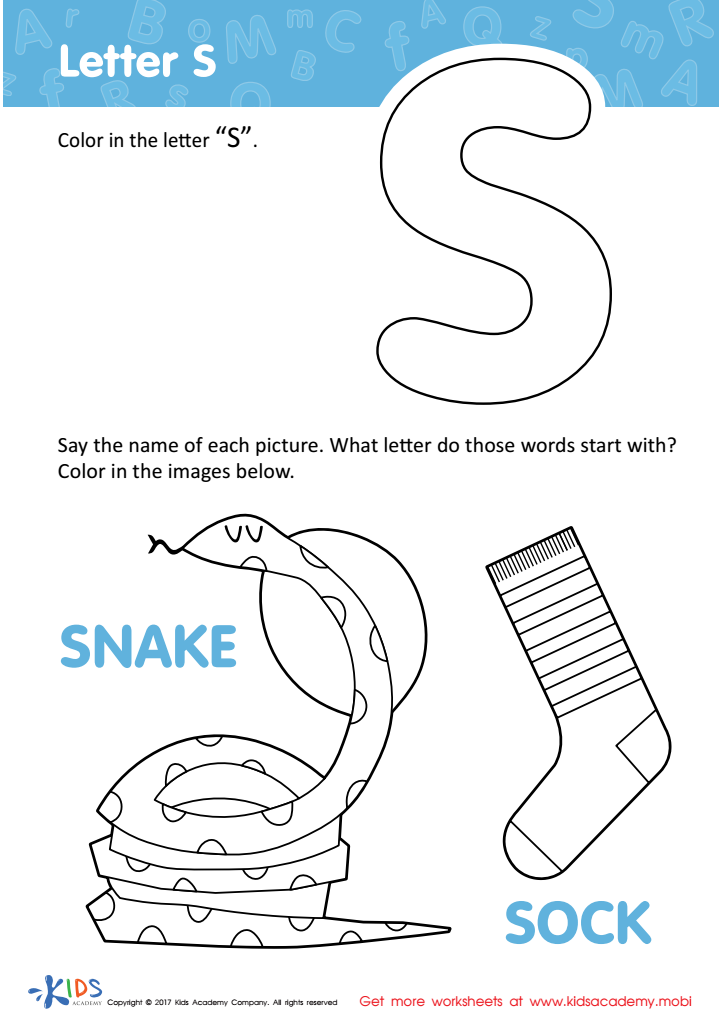
Letter S Coloring Sheet
 Assign to My Students
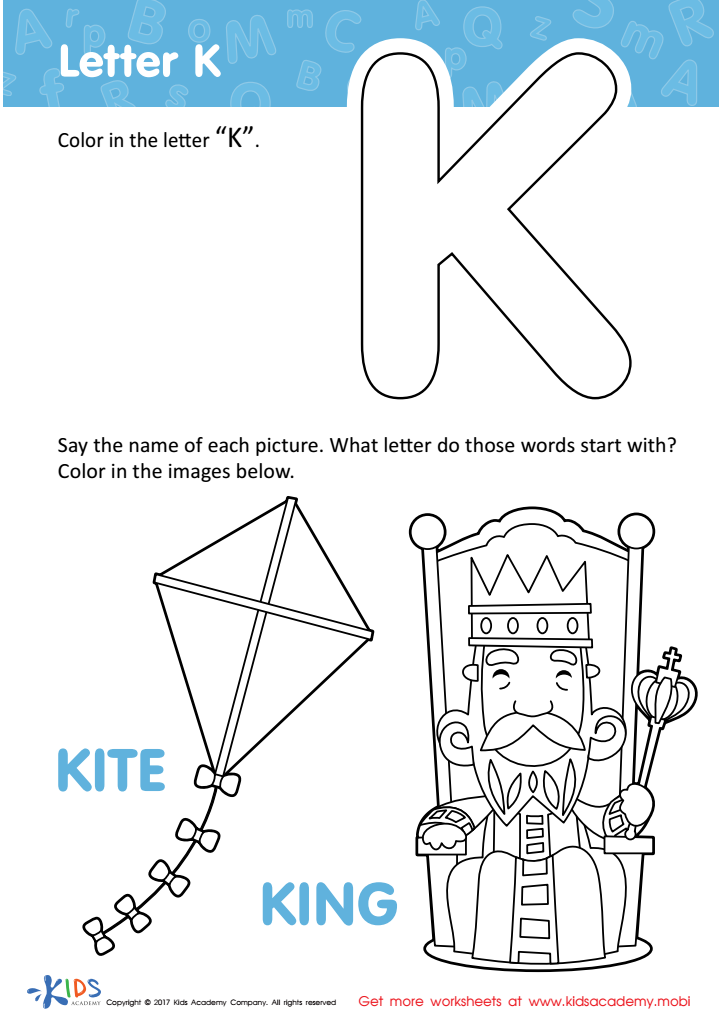
Letter K Coloring Sheet
Assign to My Students
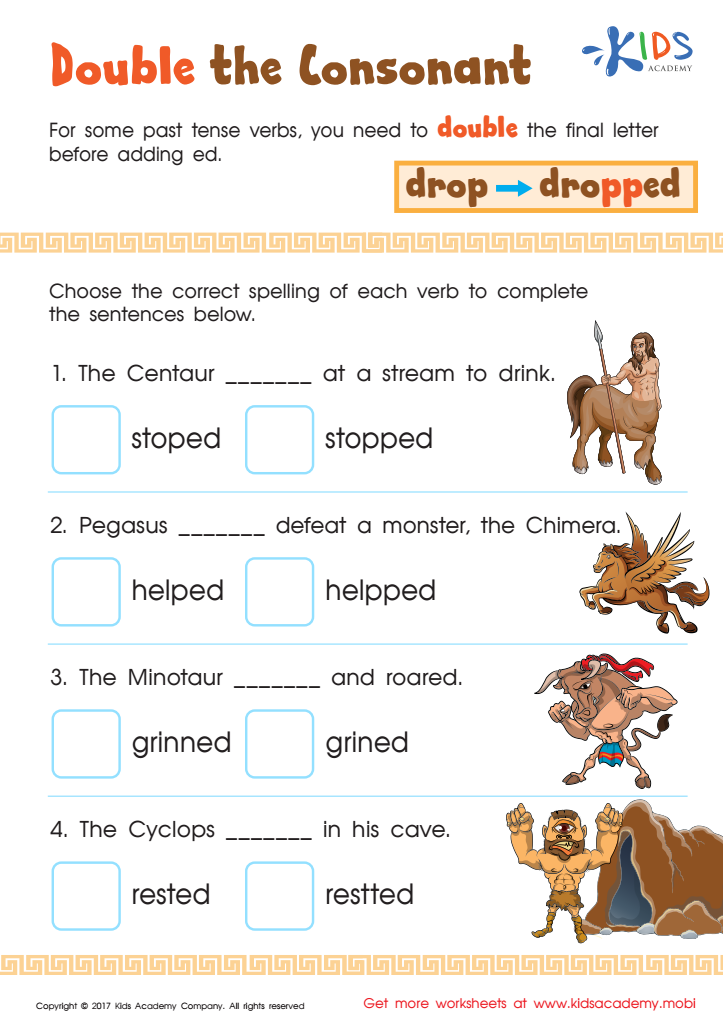
Double Consonant Spelling Worksheet








Phonics enhancement is crucial for children aged 7-8 because it significantly influences their reading and literacy development. Phonics, the relationship between letters and sounds, lays the foundation for reading fluency. At this critical age, children transition from learning to read to reading to learn. Phonics skills empower them to decode unfamiliar words independently, bolstering both comprehension and confidence.
For parents and teachers, focusing on phonics enhancement means providing children with essential tools for academic success. Children who master phonics tend to read more accurately and confidently, reducing frustration and increasing their enjoyment of reading activities. This, in turn, can foster a lifelong love for reading, opening doors to endless learning opportunities.
Moreover, strong phonics skills aid spelling and writing proficiency, contributing to overall literacy. For teachers, incorporating phonics in their curriculum ensures a structured approach to reading education, addressing individual student needs effectively. Parents supporting phonics at home complement school efforts, reinforcing learning in a consistent, supportive environment.
In summary, emphasizing phonics enhancement for 7-8 year-olds equips children with crucial literacy skills, fosters independent readers, and heightens educational success. Engaging both educators and parents in this initiative creates a collaborative effort that significantly benefits students’ academic growth.







