Alphabet tracing Letter Recognition Worksheets for Ages 7-8
8 filtered results
-
From - To
Discover our engaging Alphabet Tracing Letter Recognition Worksheets designed specifically for children aged 7-8. These worksheets enable young learners to enhance their letter recognition skills while practicing proper handwriting. Through fun and interactive activities, children trace both uppercase and lowercase letters, reinforcing their understanding of the alphabet. Our age-appropriate exercises make learning enjoyable, boosting confidence and literacy foundational skills. Perfect for use at home or in the classroom, these worksheets cater to diverse learning styles. Help your child master the alphabet and spark a love for learning with our thoughtfully crafted resources. Download and watch their skills flourish today!
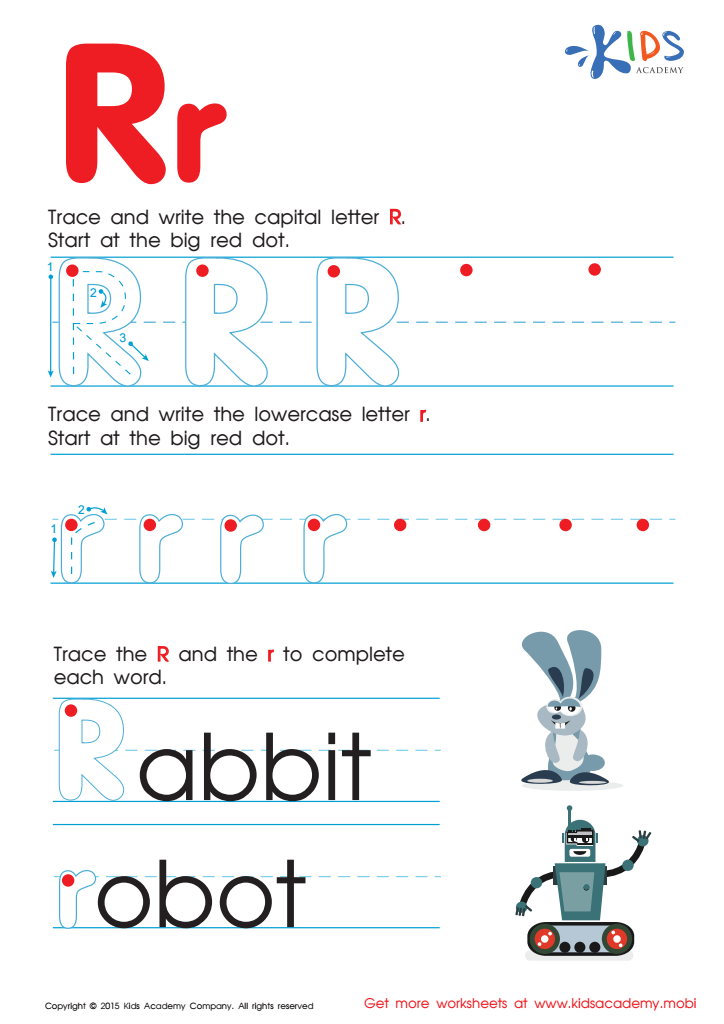
Letter R Tracing Page

Letter P Tracing Page
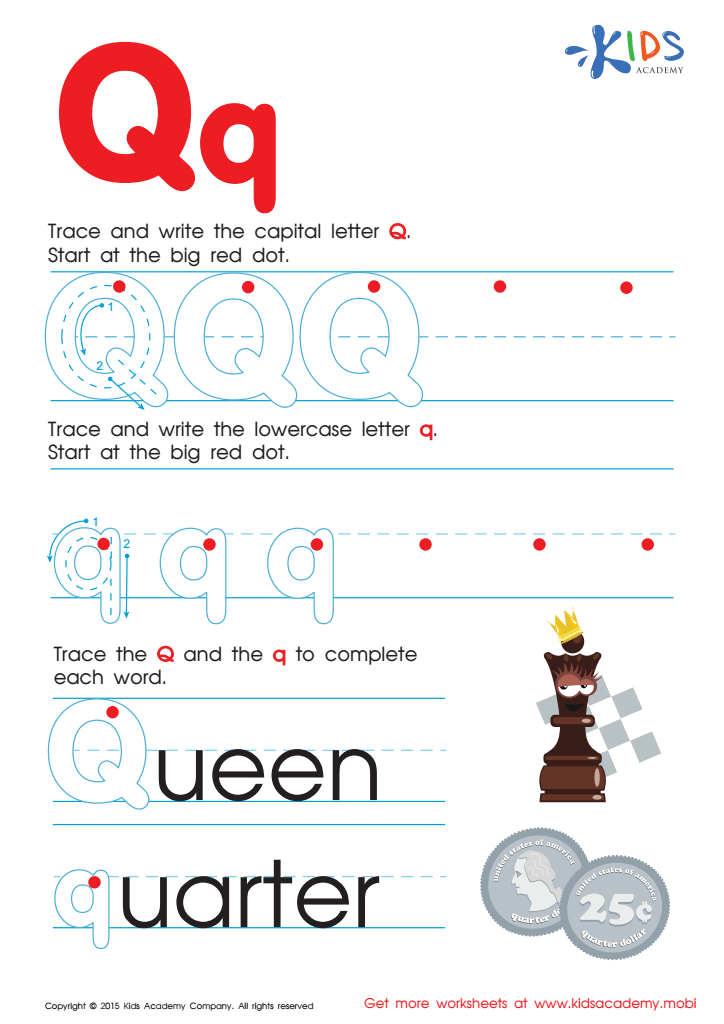
Letter Q Tracing Page

Letter H Tracing Page
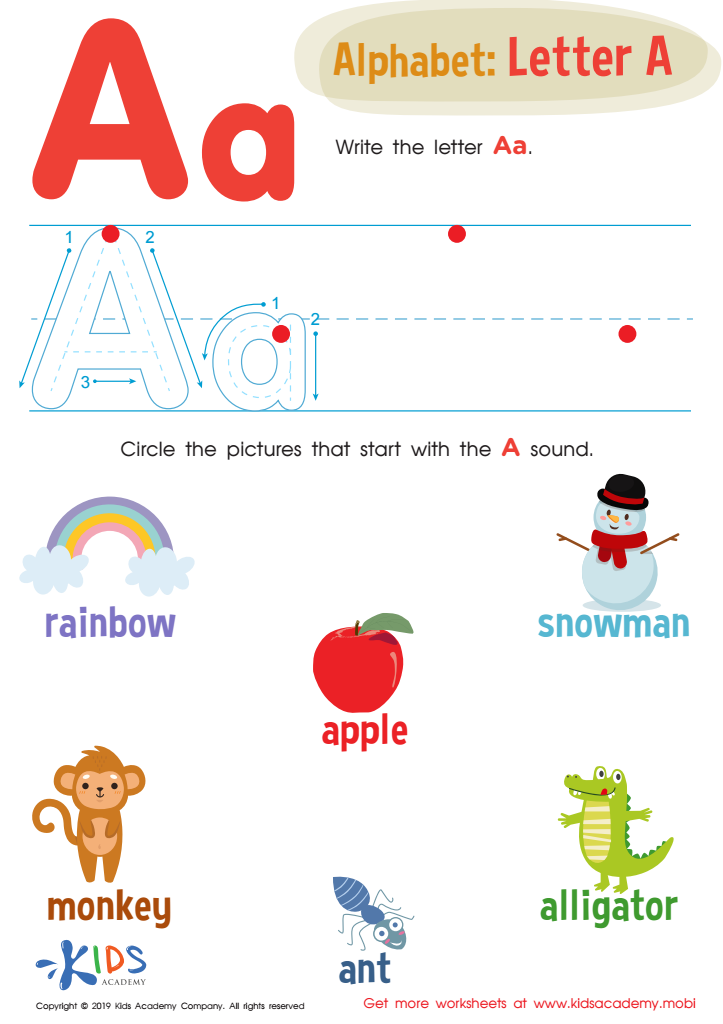
Letter A Tracing Worksheet
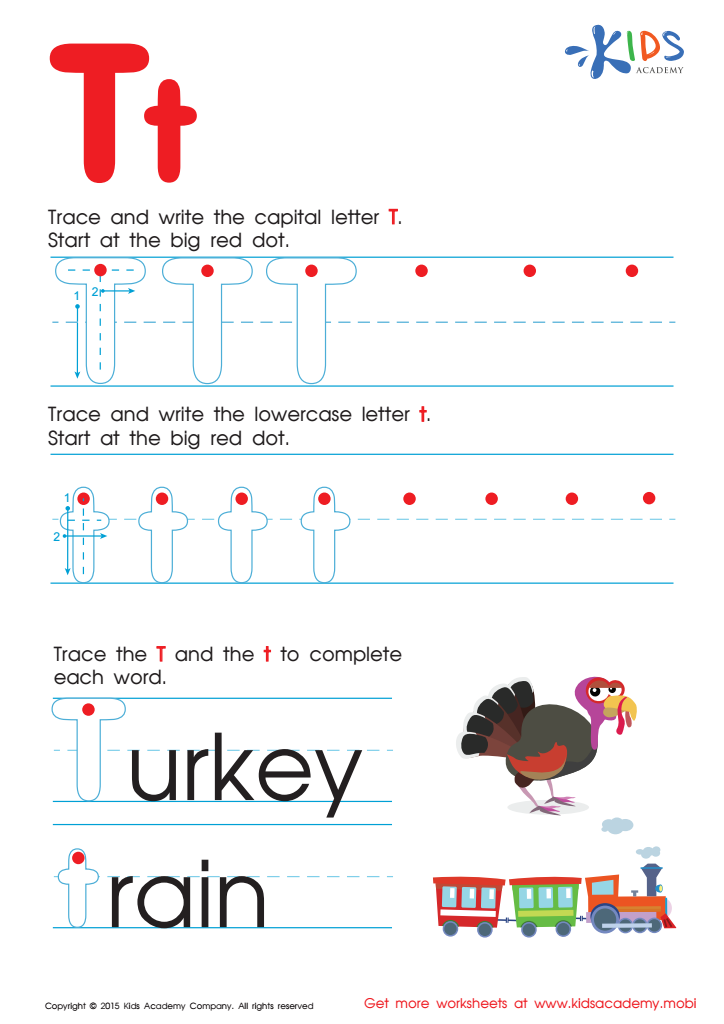
Letter T Tracing Page
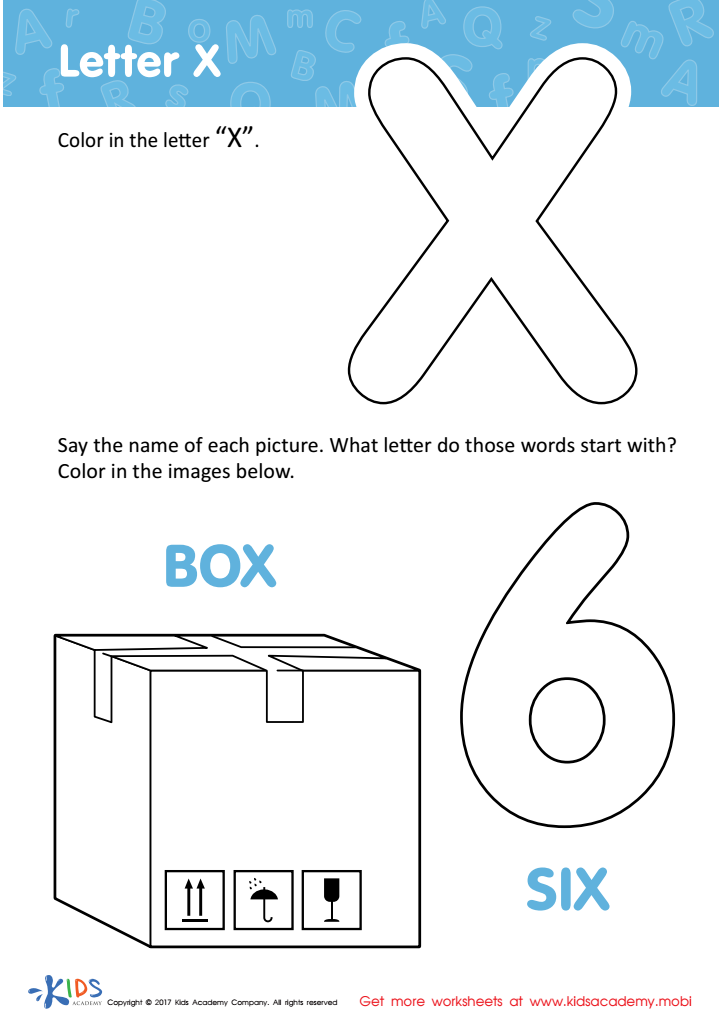
Letter X Coloring Sheet
 Assign to My Students
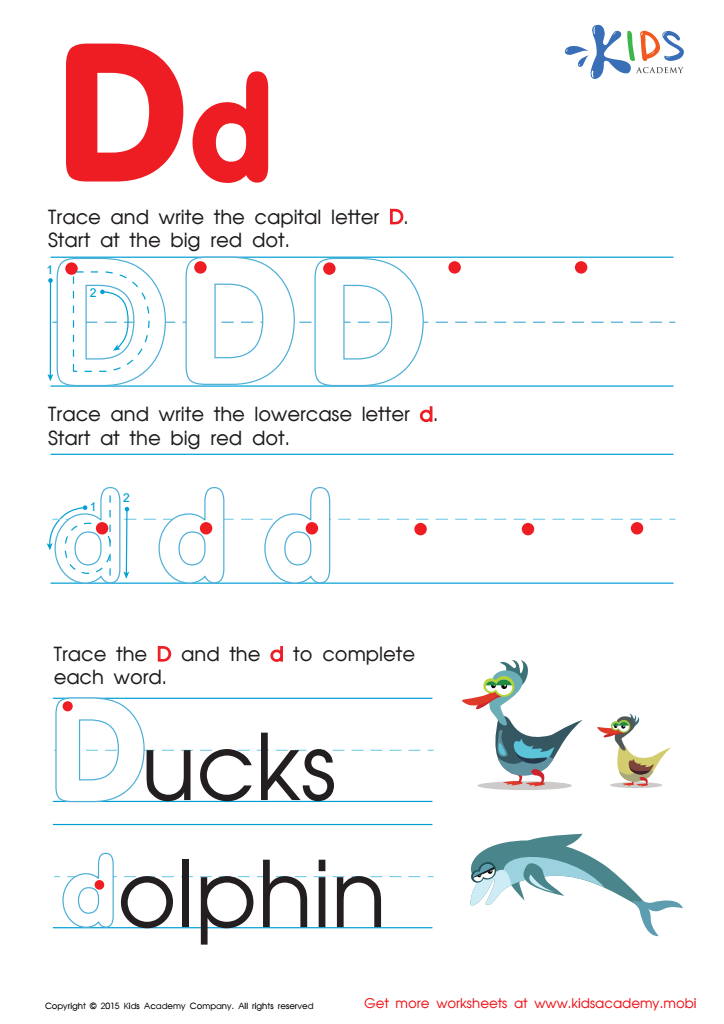
Letter D Tracing Page








Alphabet tracing and letter recognition are crucial components of literacy development for children aged 7-8. At this stage, students are transitioning from learning to read to reading to learn. Mastery of letter shapes, sounds, and associations sets a solid foundation for their literacy skills, fostering confidence and enthusiasm for reading and writing.
Parents and teachers should prioritize alphabet tracing because it engages multiple senses, enhancing muscle memory and cognitive connections. Tracing letters helps children internalize their formation, facilitating smoother handwriting and a better understanding of phonics. Additionally, as children encounter new words, solid recognition skills enable fluency and comprehension, which are key benchmarks in their academic journey.
Moreover, fostering these skills early not only supports literacy but can also positively impact children's self-esteem and motivation. Children who feel proficient in reading and writing are more likely to participate actively in class and choose to engage with books outside of school. Both parents and teachers play vital roles in creating a supportive environment that encourages practice through fun activities, ensuring that children develop these essential skills for lifelong learning. By focusing on letter recognition and tracing, adults can help pave the way for successful literacy experiences.







