Reading comprehension Long And Short Vowel Worksheets for Ages 7-8
5 filtered results
-
From - To
Enhance your child's reading skills with our engaging long and short vowel worksheets designed for ages 7-8! These printable resources focus on developing reading comprehension through fun activities that challenge young learners. Each worksheet offers a variety of exercises that help kids identify and differentiate between long and short vowel sounds in words. By improving their understanding of vowels, children will boost their overall reading fluency and comprehension. Perfect for both classroom and at-home learning, our worksheets are an excellent way to make reading enjoyable and effective. Help your child become a confident reader today with our specialized vowel exercises!
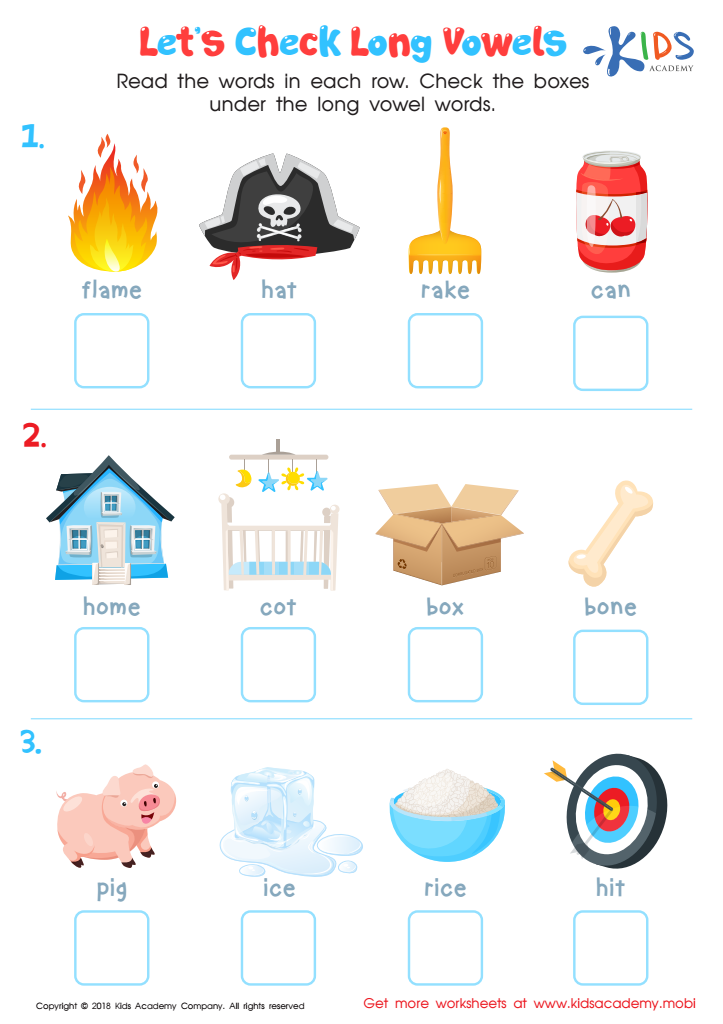
Let's Check Long Vowels: Assessment Worksheet
 Assign to My Students
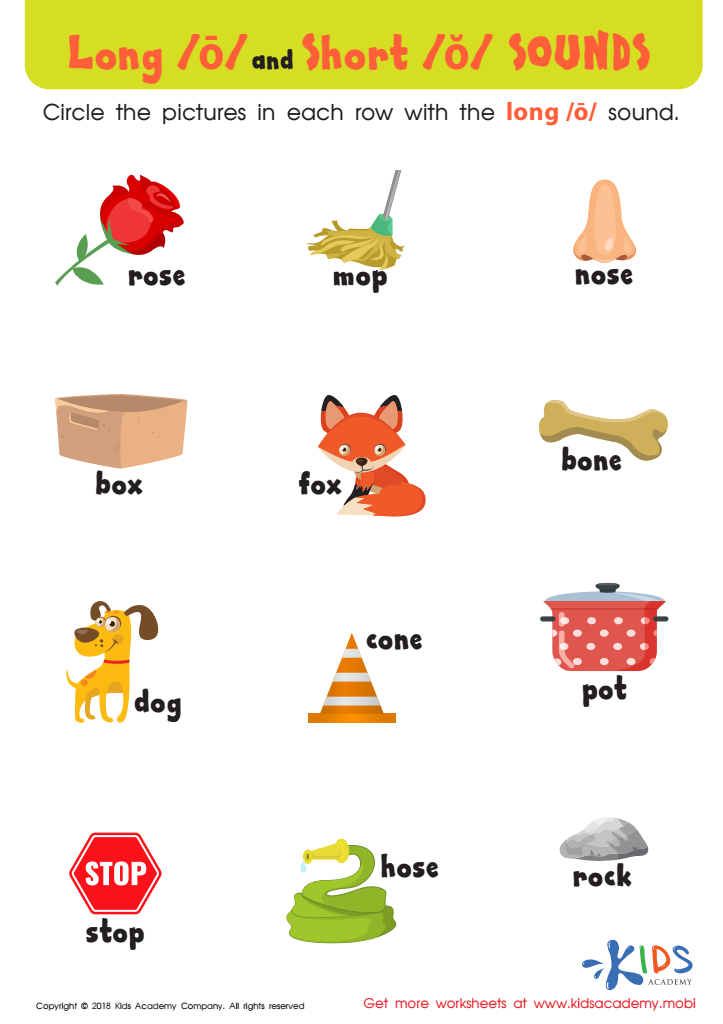
Reading: Long O and Short O Sounds Worksheet
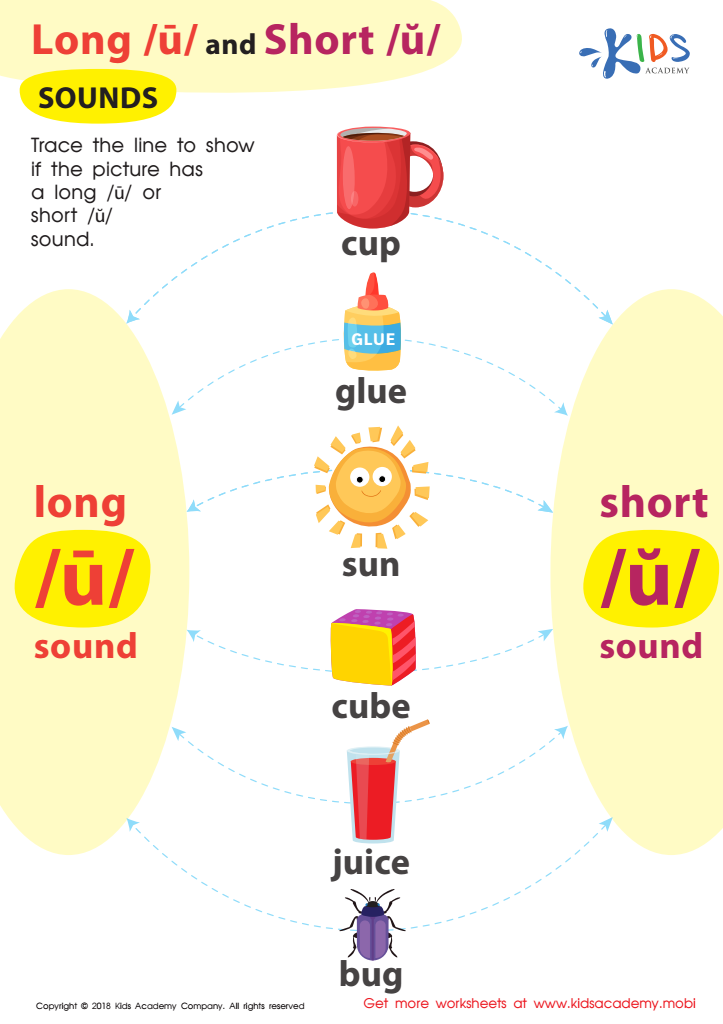
Reading: Long U and Short U Sounds Worksheet
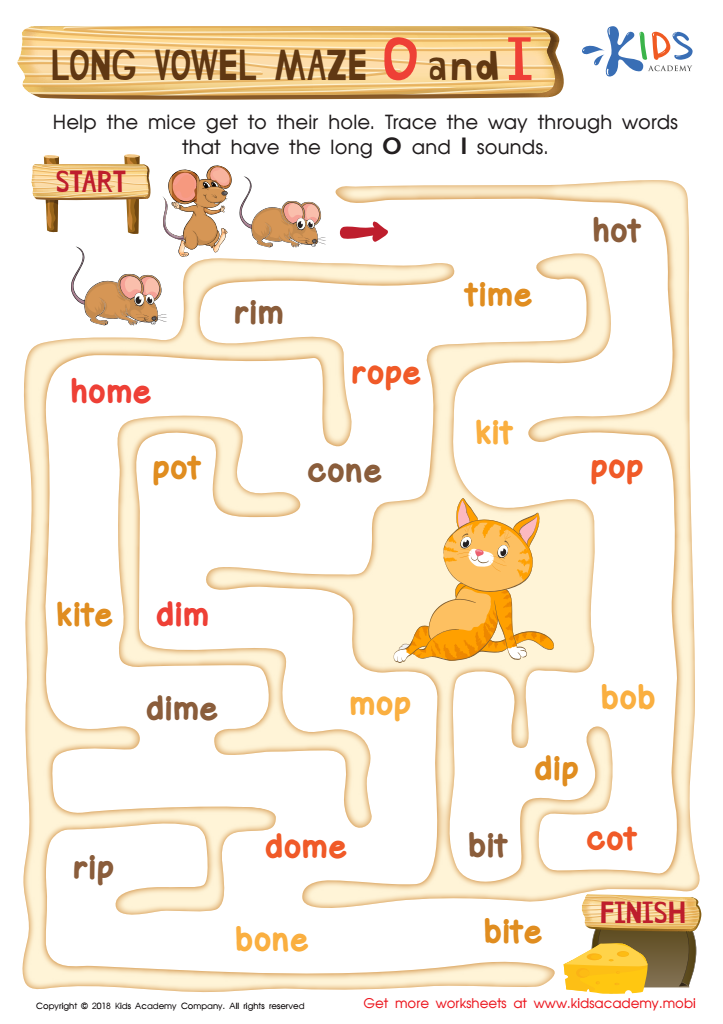
Long Vowel Maze /o/ and /i/ Worksheet
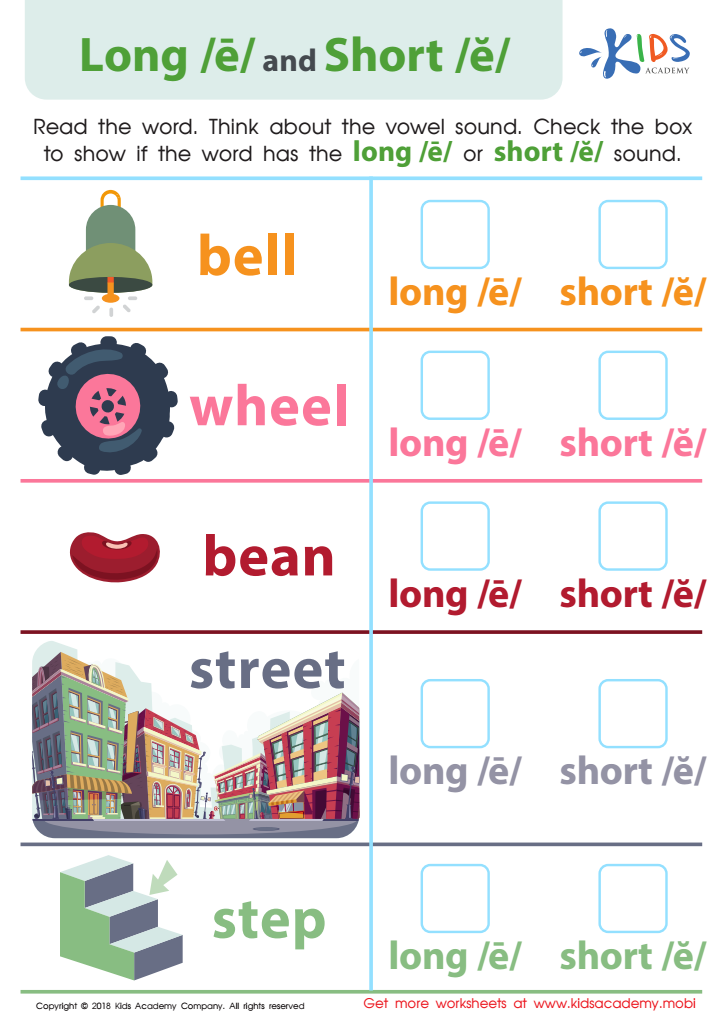
Reading: Long E and Short E Worksheet




Reading comprehension is a foundational skill for children ages 7-8, and understanding both long and short vowel sounds is crucial in developing this ability. At this age, students are transitioning from learning to read to reading to learn. Mastery of vowel sounds enhances their phonemic awareness, which is essential for decoding new words, broadening their vocabulary, and ultimately improving comprehension.
Encouraging this understanding helps students make connections between sounds and their corresponding letters, enabling them to tackle unfamiliar words with confidence. Long and short vowel recognition plays a significant role in word families and spelling patterns, which further boosts reading fluency and comprehension. Without this knowledge, students may struggle with reading passages, leading to frustration and challenges in expressing their understanding of text.
Furthermore, strong reading skills positively influence all areas of learning. Students who confidently decode and comprehend texts can engage more deeply in subjects across the curriculum, from science to social studies. For parents and teachers, fostering vowels knowledge not only enhances pupils' academic success but also instills a love for reading and learning that lasts a lifetime. By prioritizing this skill, caregivers support children's overall development as critical thinkers and effective communicators.








