Hand-eye Coordination Phonics Worksheets for Ages 7-8
5 filtered results
-
From - To
Enhance your child’s learning experience with our engaging Hand-eye Coordination Phonics Worksheets designed specifically for ages 7-8. These worksheets combine fundamental phonics skills with fun, interactive activities that promote hand-eye coordination, essential for developing fine motor skills. Children will practice letter recognition and sound association while engaging in exciting tasks that keep them motivated. Our resource supports early literacy through dynamic exercises that cater to diverse learning styles, making phonics mastery enjoyable and effective. Ideal for home or classroom use, these worksheets lay a solid foundation for your child's reading success. Download today and watch their skills flourish!
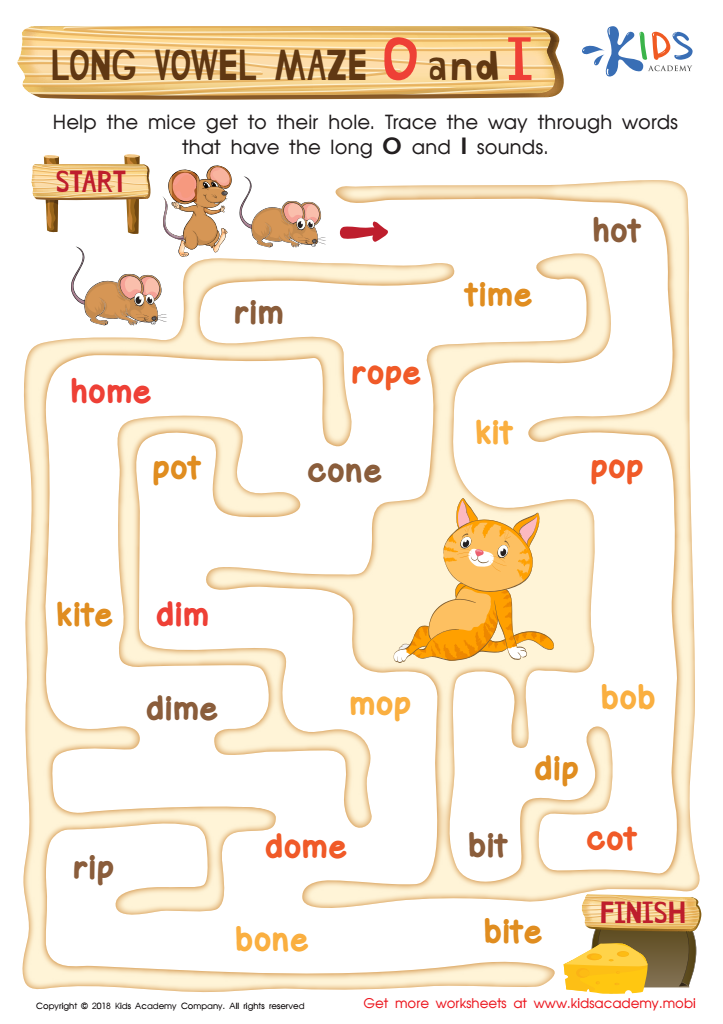
Long Vowel Maze /o/ and /i/ Worksheet
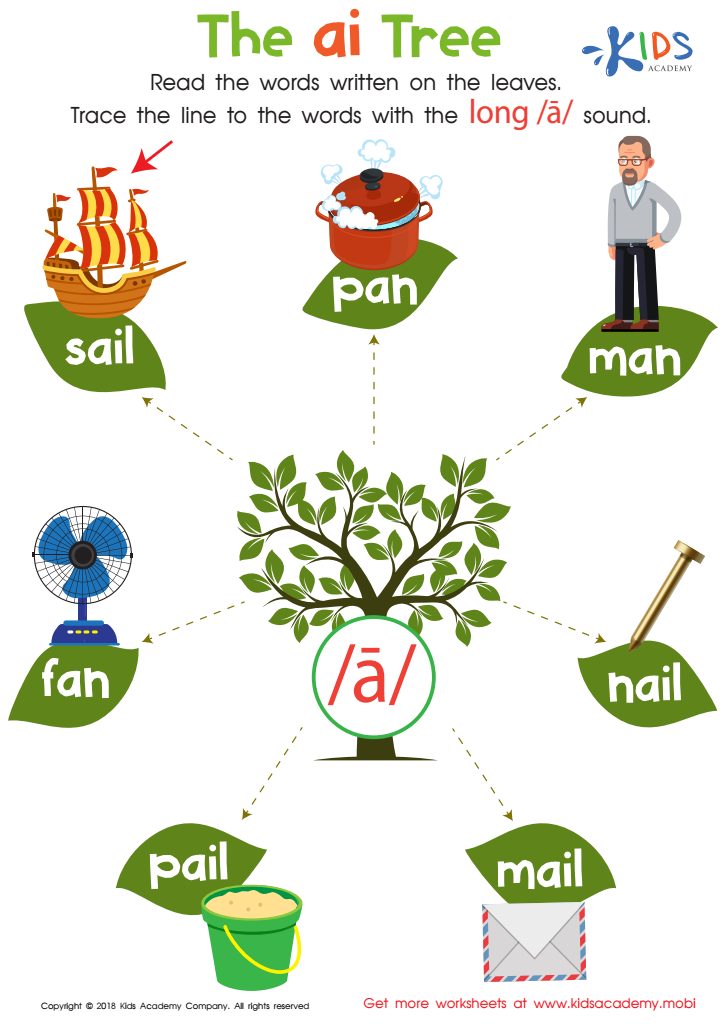
The AI Tree Worksheet
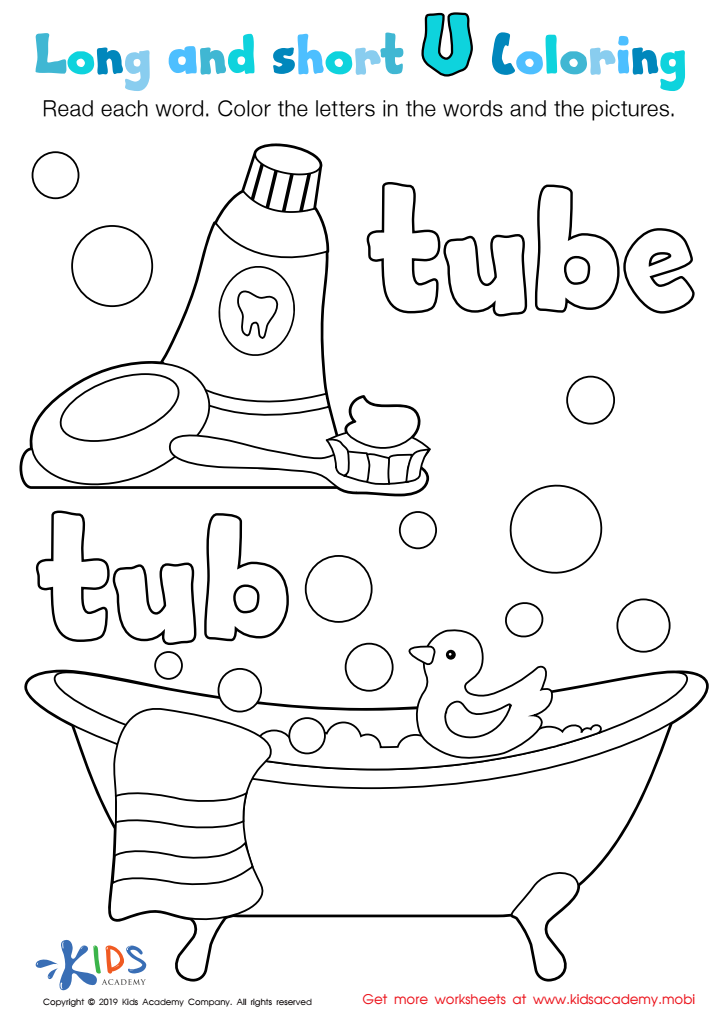
Long and Short U Worksheet
 Assign to My Students
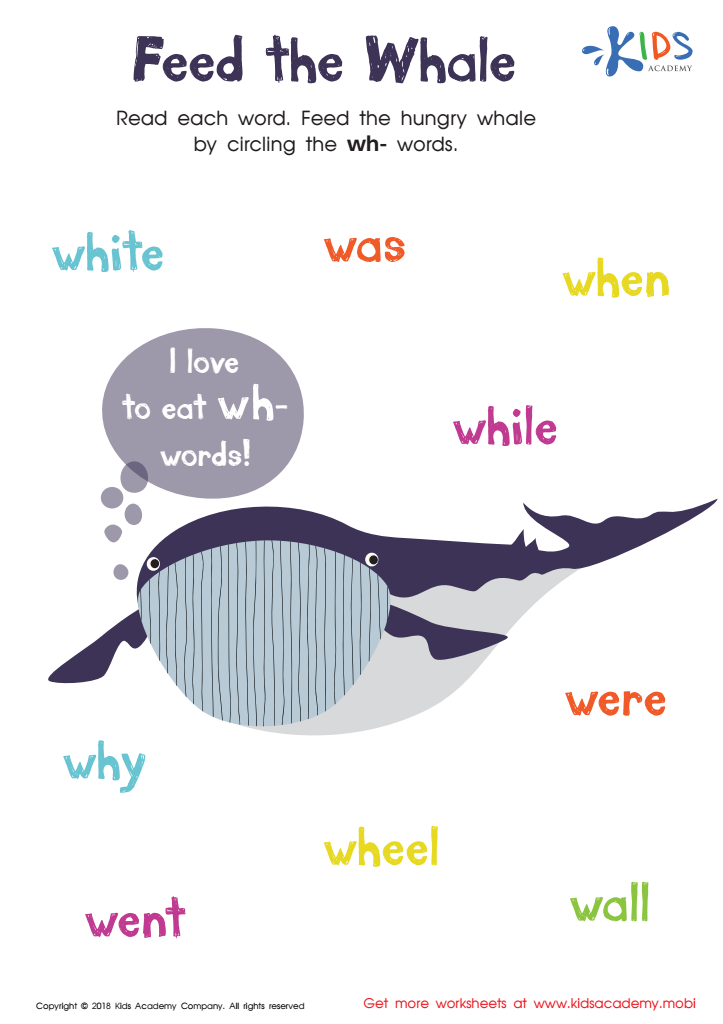
Feed the Whale Worksheet
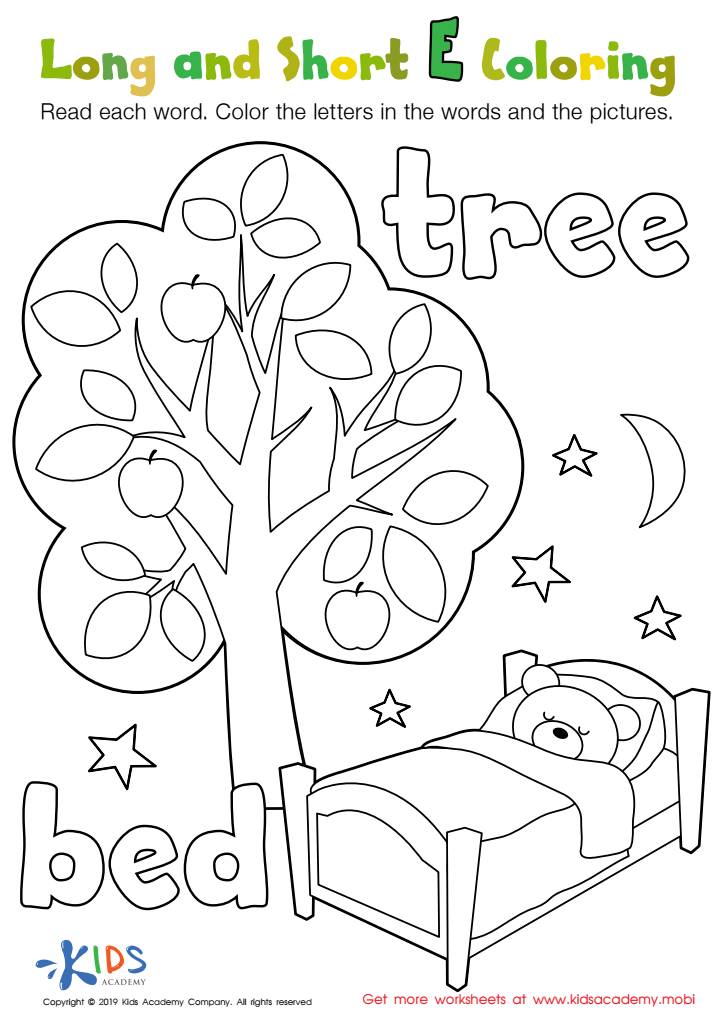
Long and Short E Worksheet
Assign to My Students








Hand-eye coordination phonics is crucial for children aged 7-8 as it directly supports their literacy development and overall learning. At this age, children are transitioning from learning to read to reading to learn, making phonics skills particularly vital. Hand-eye coordination, which refers to the ability to synchronize visual input with motor actions, enhances children's ability to write, manipulate letters and sounds, and engage in structured learning activities that require physical interaction, such as forming letters or using educational games.
Improving hand-eye coordination through phonics activities can increase confidence in reading and writing tasks, making them more enjoyable and less overwhelming for young learners. These skills also foster better communication abilities, enabling children to express themselves more clearly in both verbal and written forms.
Additionally, the integration of movement and phonics supports various learning styles, helping kinesthetic learners absorb information more effectively. As teachers and parents engage children in phonics activities emphasizing hand-eye coordination—like tracing letters or using letter tiles—they not only strengthen foundational literacy skills but also promote cognitive development, fine motor skills, and the joy of learning through play, setting the stage for lifelong learning and success in academics.







