Letter recognition Phonics Worksheets for Ages 7-8
4 filtered results
-
From - To
Ignite your child's reading journey with our "Letter Recognition Phonics Worksheets for Ages 7-8." Designed to enhance their phonics skills, these vibrant, engaging worksheets boost letter recognition by combining fun activities with educational principles. Each worksheet provides opportunities for practice in identifying, sounding out, and writing letters. Perfect for classroom or at-home learning, these resources are crafted to stimulate young minds and foster a love for reading. Parents and teachers alike will appreciate the clear instructions and the ease with which these worksheets integrate into any learning regimen, guiding students towards reading success!
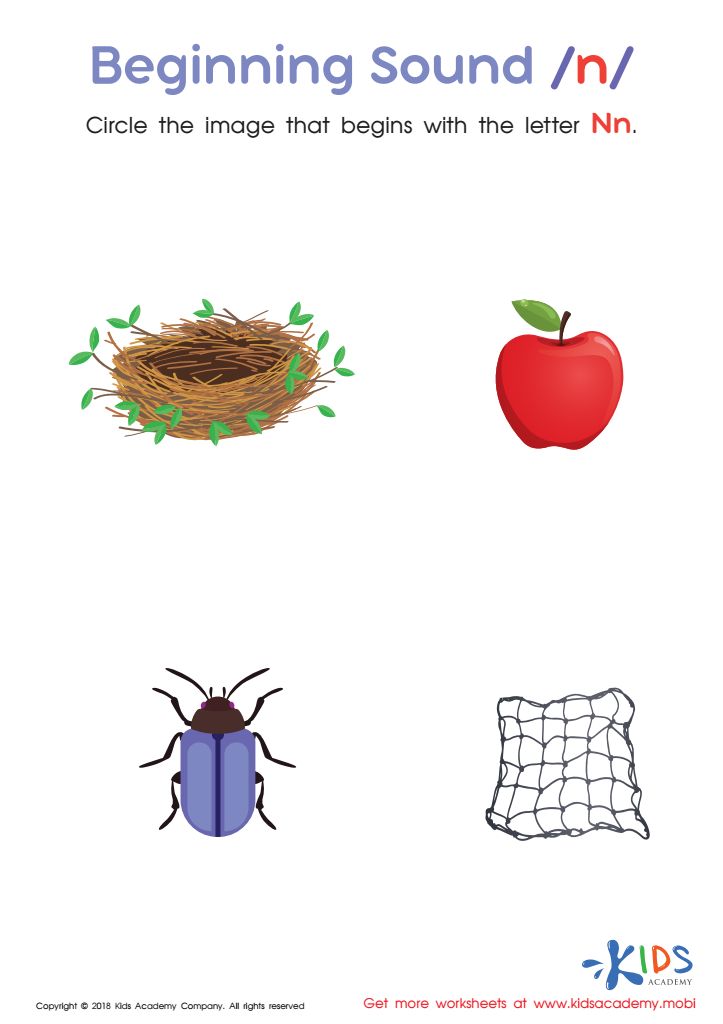
Beginning Sound «n» Worksheet

Long and Short U Worksheet
 Assign to My Students
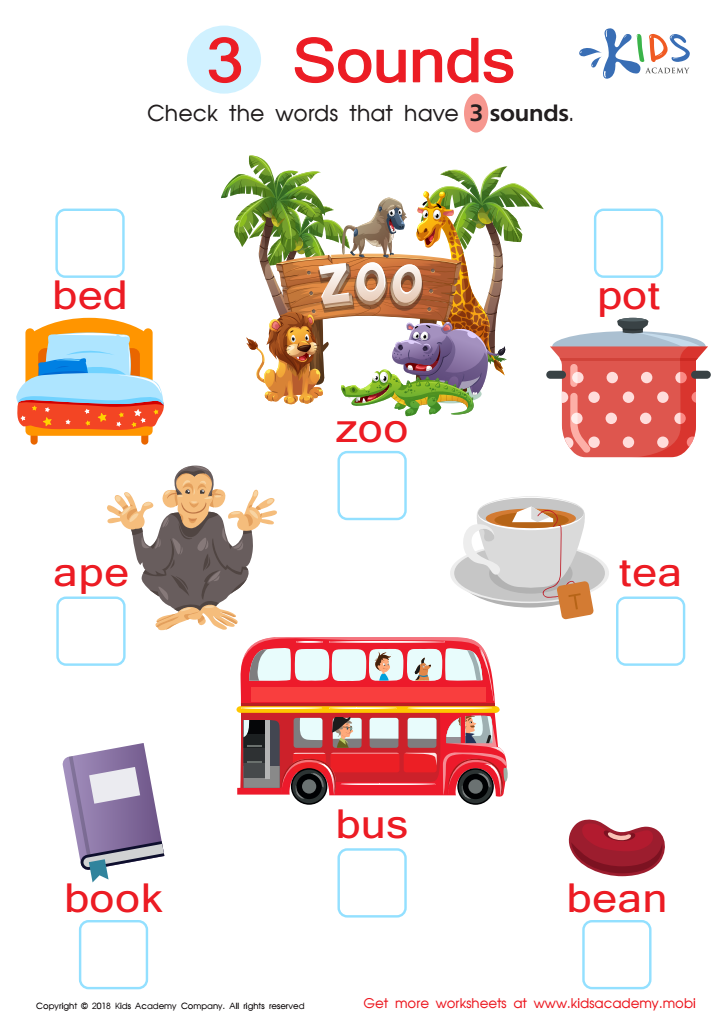
3 Sounds Worksheet
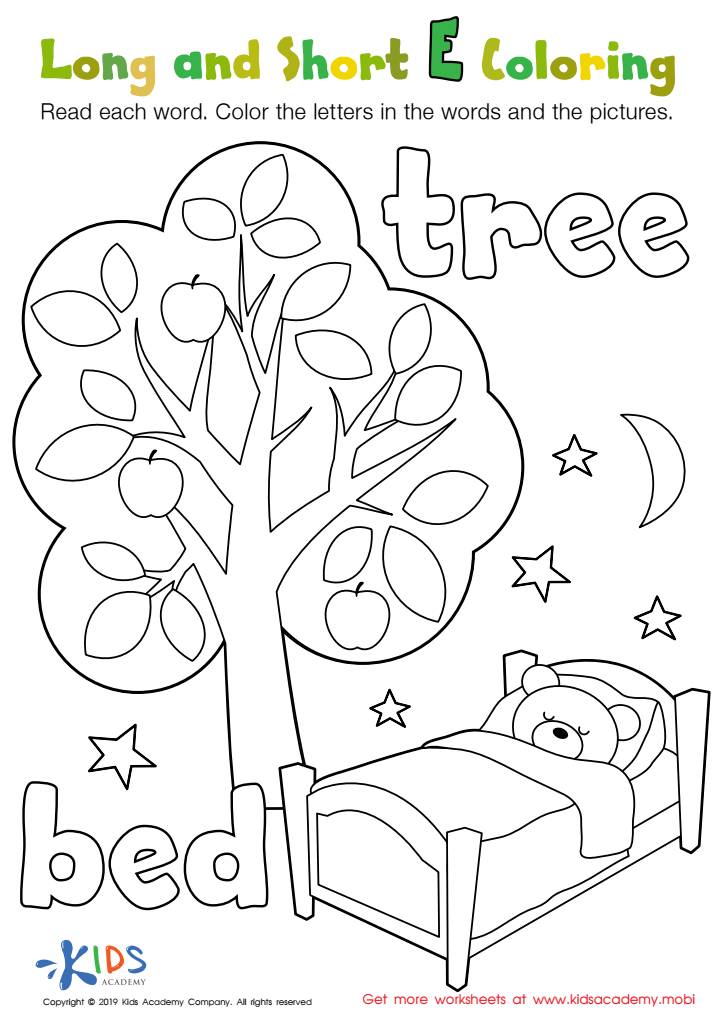
Long and Short E Worksheet
Assign to My Students








Letter recognition and phonics are fundamental aspects of early literacy that lay the groundwork for a child's future academic success. For children aged 7-8, mastery of these skills is crucial for several reasons.
Firstly, proficient letter recognition enables children to swiftly identify and understand written symbols, a necessary precursor to reading fluently. This quick recognition aids in reducing cognitive load, allowing children to focus on comprehending the reading material rather than deciphering individual letters.
Phonics, on the other hand, bridges the gap between letters and their corresponding sounds, empowering children to decode unfamiliar words. By understanding the relationship between phonemes (sounds) and graphemes (letters), children can "sound out" words independently. This skill is vital for reading unfamiliar text and contributes to the development of a sizable reading vocabulary.
Moreover, strong letter recognition and phonics skills boost a child’s confidence and foster a love for reading. Children who find reading easier are more likely to enjoy it, leading to more practice and, consequently, better reading skills. This creates a positive feedback loop that supports continuous improvement.
In conclusion, parents and teachers should prioritize letter recognition and phonics because they are the building blocks of reading. Strengthening these skills in early childhood sets the stage for successful learning and nurtures lifelong literacy.







