Handwriting improvement Tracing Letters Worksheets for Ages 7-8
3 filtered results
-
From - To
Enhance your child's handwriting with our "Handwriting Improvement Tracing Letters Worksheets" designed specifically for ages 7-8. These engaging worksheets provide a fun and interactive way for children to practice tracing letters, helping to refine their motor skills and develop neat, legible handwriting. Each worksheet features a variety of letters and activities that cater to different learning styles, ensuring your child stays motivated while mastering the alphabet. Ideal for both classroom and home use, these resources support ongoing handwriting improvement, boost confidence, and set a strong foundation for future writing success. Download now and help your child excel in their handwriting journey!
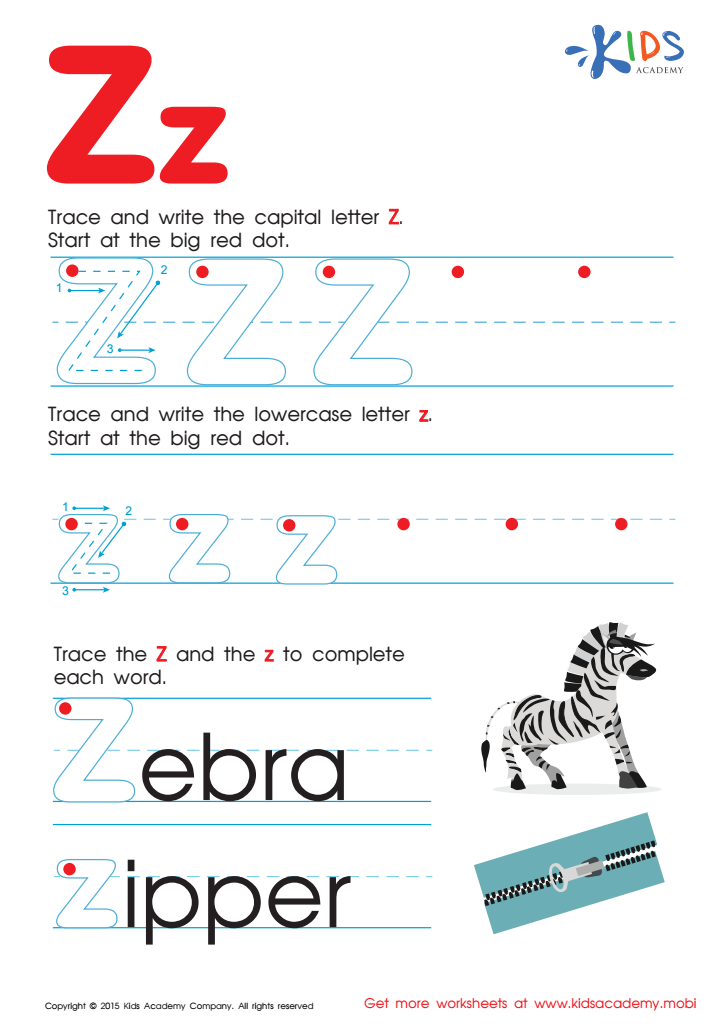
Letter Z Tracing Page
 Assign to My Students
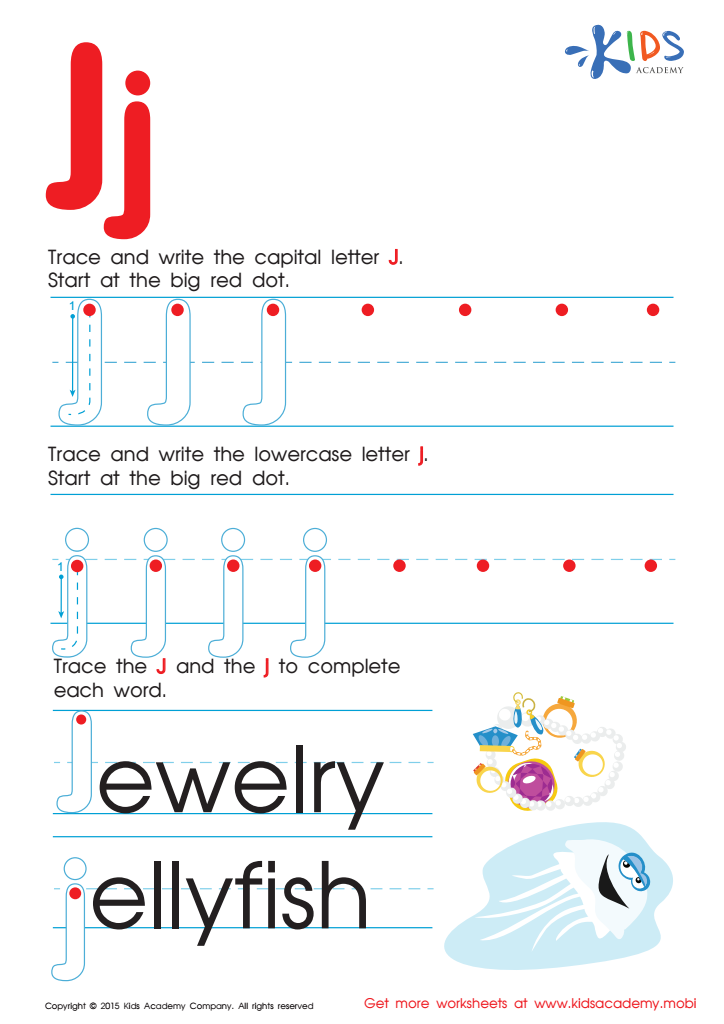
Letter J Tracing Page
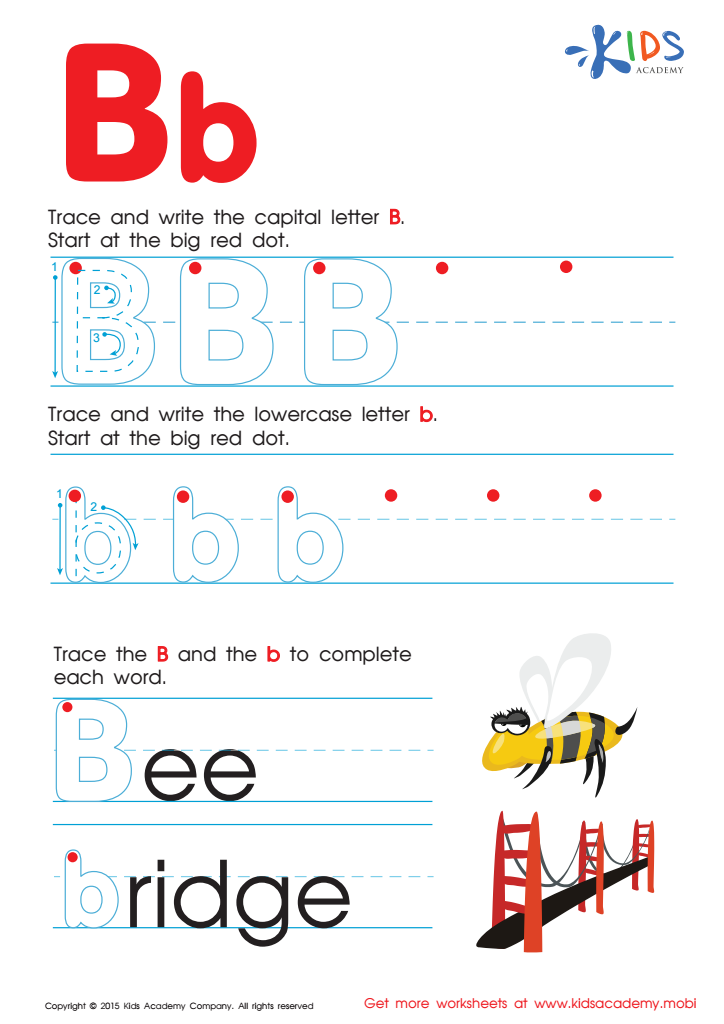
Letter B Tracing Page








Handwriting improvement, particularly through tracing letters, is crucial for children aged 7-8 as they transition into more complex writing tasks. At this age, fine motor skills are still developing, and tracing can help enhance their dexterity and control over writing instruments. This foundational skill lays the groundwork for clear and legible handwriting, which is essential for effective communication.
Additionally, improved handwriting can boost a child’s confidence. When children see the improvement in their writing, they feel a sense of achievement, which encourages them to engage more in written assignments. This is pivotal as they begin to tackle more intensive writing tasks in school, helping them convey their thoughts clearly and accurately.
Teachers and parents should also focus on handwriting improvement because of its correlation with academic success. Clarity in writing impacts a student’s ability to demonstrate knowledge in subjects like math and language arts. Moreover, children who struggle with handwriting may develop negative attitudes towards writing, affecting their overall engagement in learning.
In summary, investing time in handwriting improvement through exercises like tracing letters provides not only skill development but also emotional support, paving the way for successful academic experiences.








