Letter Tracing Practice English for Beginners Worksheets for Ages 7-8
3 filtered results
-
From - To
Boost your child's writing skills with our engaging Letter Tracing Practice English for Beginners Worksheets, tailored for ages 7-8. These worksheets are designed to make learning enjoyable while helping children master letter formation, improve fine motor skills, and enhance their English language proficiency. Perfect for young learners, each sheet focuses on tracing both uppercase and lowercase letters, providing ample practice to build confidence. With fun and educational exercises, our worksheets are ideal for parents and teachers looking to support their students in developing essential writing skills. Download now and watch their handwriting and English abilities soar!
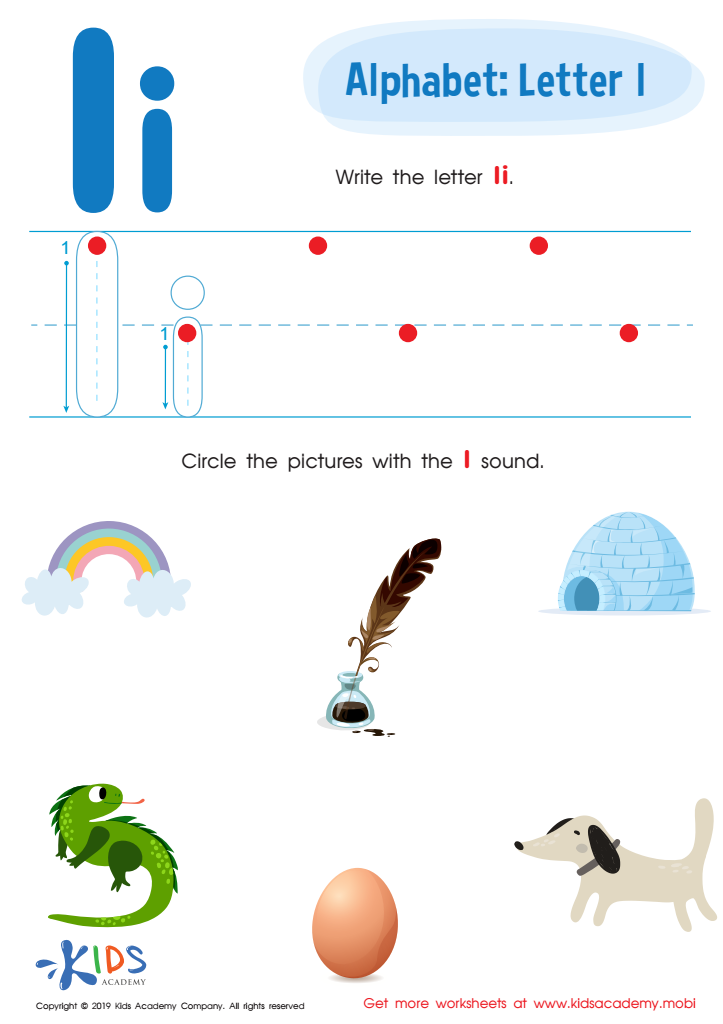
Letter I Tracing Worksheet
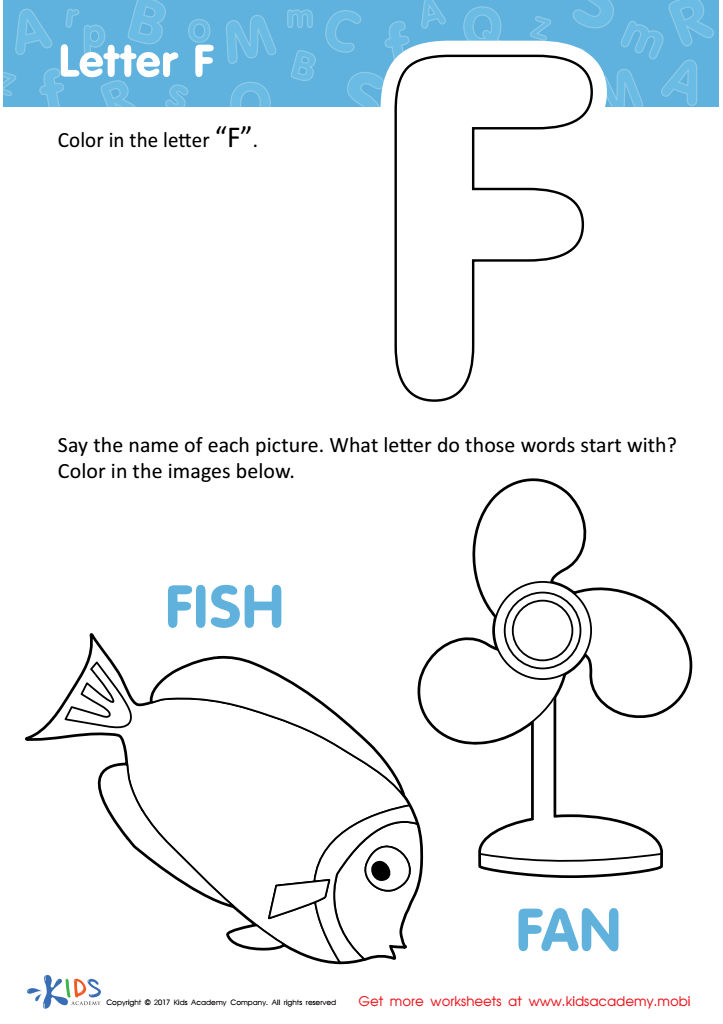
Letter F Coloring Sheet
 Assign to My Students
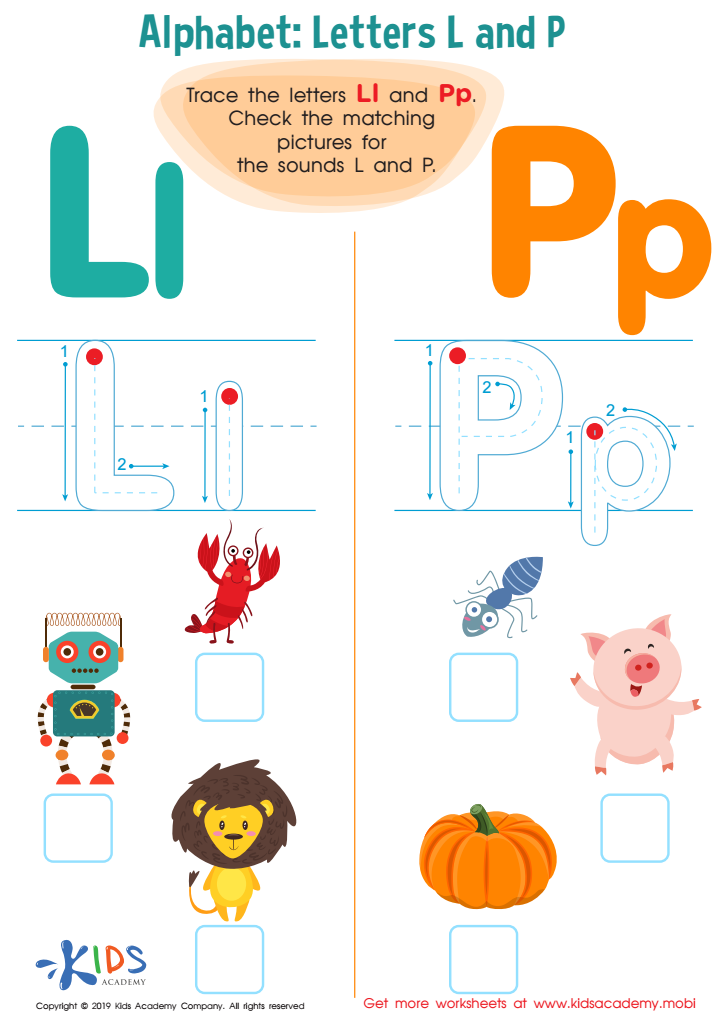
Letter L and P Tracing Worksheet





Parents and teachers should prioritize Letter Tracing Practice for English beginners aged 7-8 because it plays a crucial role in the development of foundational literacy skills. At this age, children are honing their fine motor skills and hand-eye coordination, both of which are essential for effective writing. Letter tracing helps reinforce the correct formation of letters, ensuring that children develop clear and legible handwriting, which is fundamental for their future academic success.
Additionally, letter tracing is an excellent way to familiarize children with the alphabet, both upper and lower case, in a structured and engaging manner. It lays the groundwork for phonetics, helping children understand the relationship between sounds and corresponding letters—an essential step in learning to read. This practice enhances cognitive development by strengthening memory retention and concentration, as tracing involves repeated exposure and tactile engagement.
Furthermore, it builds confidence. Success in letter tracing gives a sense of achievement that motivates children to persevere in more complex literacy tasks. By providing structured practice, parents and teachers create a supportive learning environment that makes learning enjoyable and effective. Investing time in letter tracing for beginners ensures children are equipped with the tools they need to excel in reading and writing, forming a strong foundation for lifelong learning.