
Artistic creativity Worksheets for Ages 7-8
4 filtered results
Difficulty Level
Grade
Age
-
From - To
Subject
Activity
Standards
Unlock your child's artistic potential with our engaging Artistic Creativity Worksheets for ages 7-8! Designed to inspire imagination and cultivate creative skills, these worksheets feature a variety of fun activities including drawing, coloring, and crafting. Your young artists will explore essential concepts while expressing themselves through vibrant art projects. Each worksheet encourages critical thinking and encourages children to think outside the box, ensuring a holistic learning experience. Perfect for at-home learning or classroom use, our expertly crafted materials will help children develop their creative abilities while having fun. Explore our wide range of worksheets and watch your child's creativity blossom!
Favorites
With answer key
Interactive
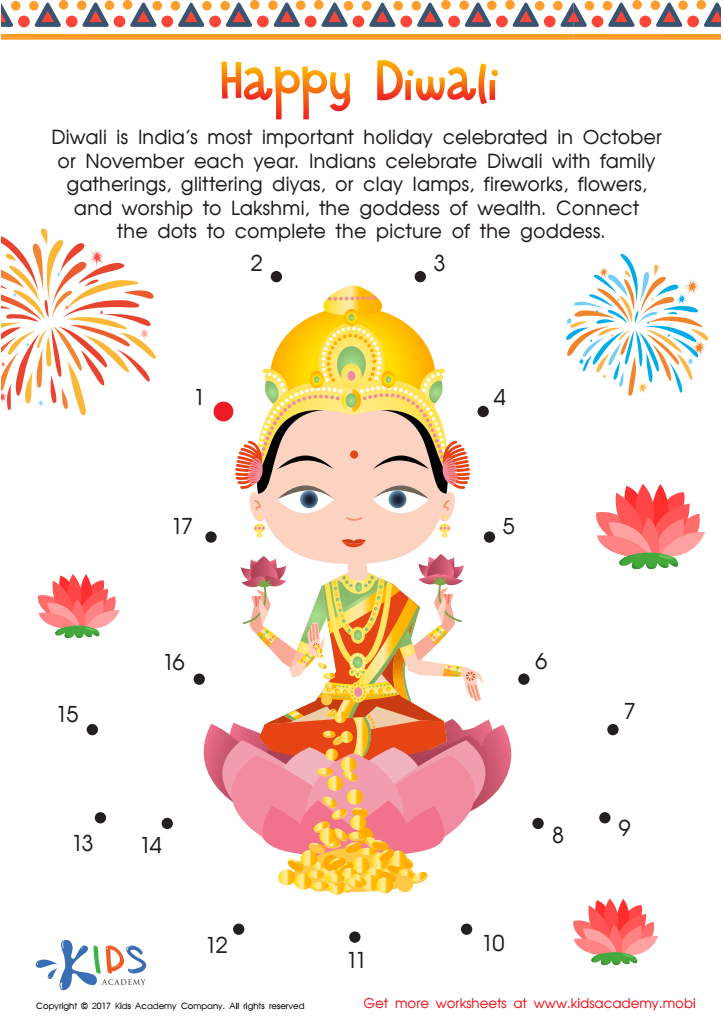
Happy Diwali Printable
Explore India this Diwali! Learn about India's most significant holiday, Diwali, with this fun-filled printable activity for kids. Your child can gain an appreciation for Indian culture with this Diwali dot to dot worksheet.
Happy Diwali Printable
Worksheet
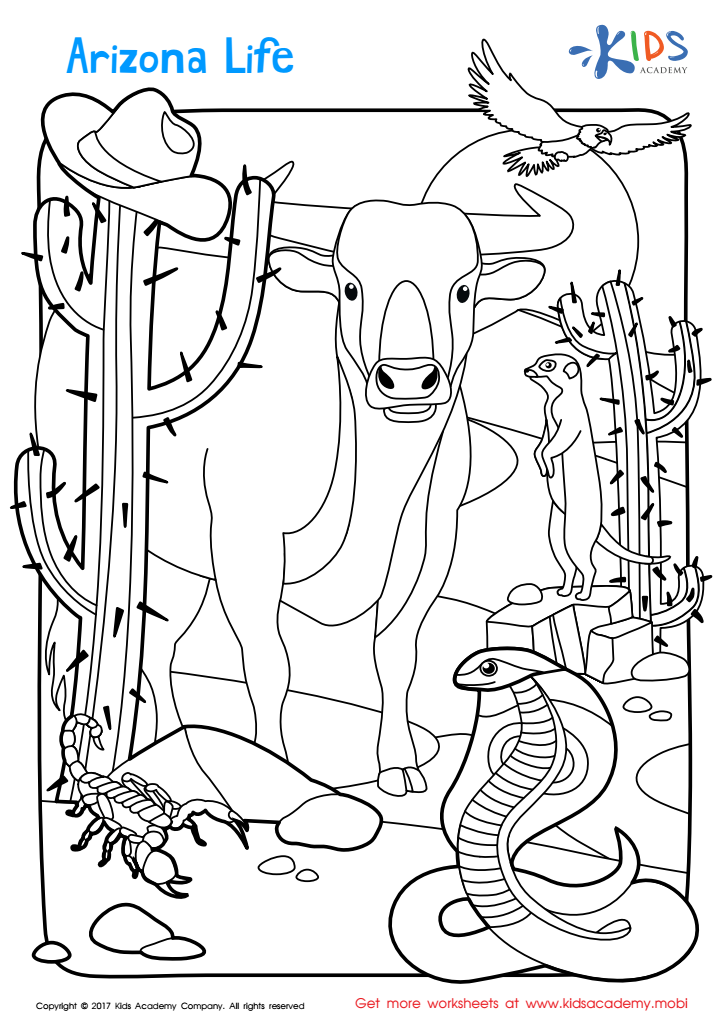
Arizona Coloring Page Worksheet
Heading to Arizona with this fun coloring page! Your kid will have a great time coloring the rattle snake and cacti, and learn about Arizona's distinct climate and wildlife along the way.
Download (PDF)
 Assign to My Students
Assign to My Students
Arizona Coloring Page Worksheet
Worksheet
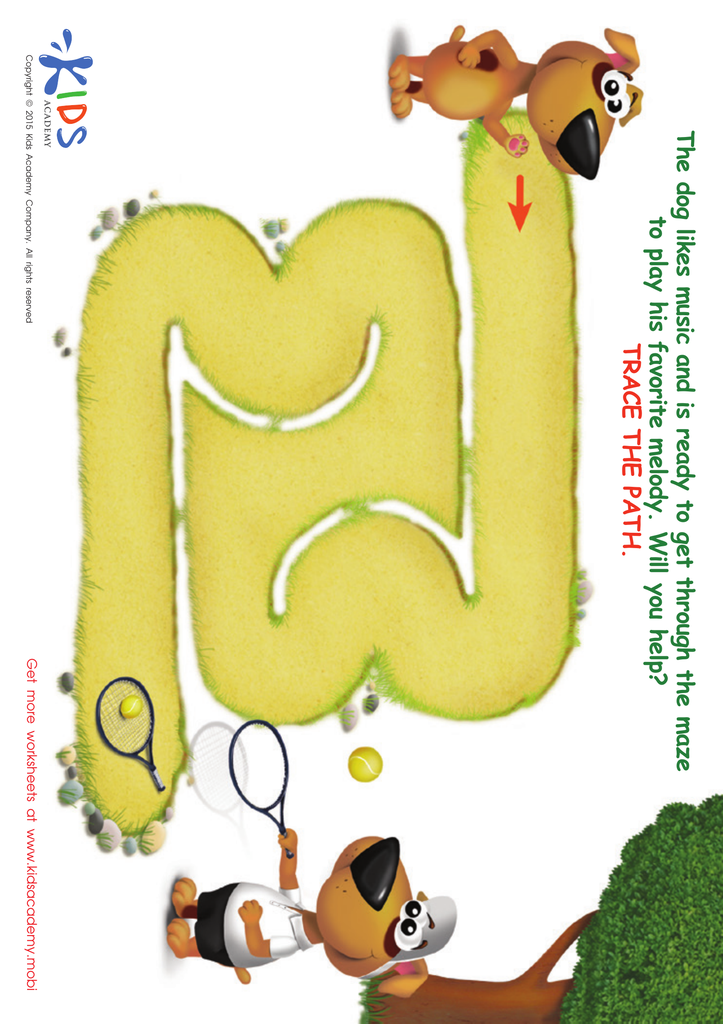
Tennis Player Maze Worksheet
Get them now and play together with your kids! Trace paths and help the dog find the racquets and balls. Fun and learning await.
Tennis Player Maze Worksheet
Worksheet
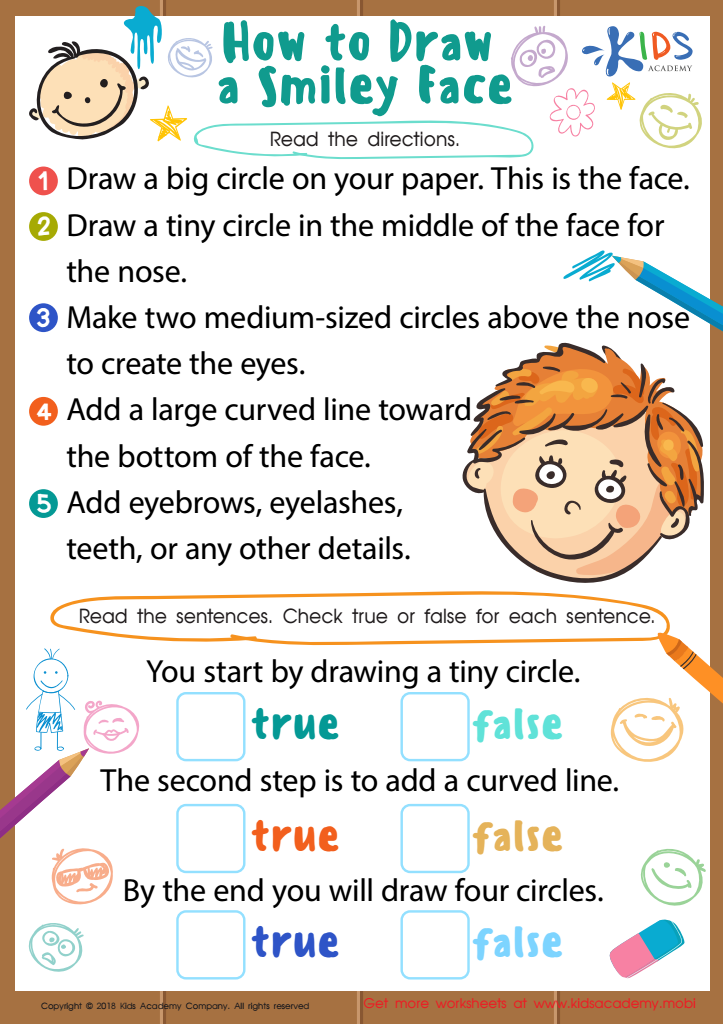
How to Draw a Smiley Face Worksheet
Can your students draw a smiley face? Simplify the process with this worksheet, which provides step-by-step instructions. Ask them to follow the directions, then check True or False for each sentence at the bottom of the page. A great way to teach kids how to easily draw a smiley face!
How to Draw a Smiley Face Worksheet
Worksheet
Join Kids Academy for Free
Who is primarily going to use this learning content?







Artistic creativity is crucial for children aged 7-8 as it significantly contributes to their overall development. At this age, children are beginning to express themselves more freely and explore their identity. Fostering artistic creativity allows them to communicate thoughts and feelings that may be difficult to articulate verbally. This form of self-expression is essential for emotional development and can enhance confidence and self-esteem.
Moreover, engaging in artistic activities promotes critical thinking and problem-solving skills. When children create art, they make decisions about colors, materials, and tools, encouraging them to think creatively and develop innovative solutions. This cognitive engagement helps lay a foundation for future learning across various subject areas.
Additionally, artistic creativity enhances fine motor skills as children manipulate various tools and materials. This can improve their dexterity and coordination.
Collaboration in artistic projects also teaches valuable social skills, such as sharing, empathy, and teamwork. As children work together, they learn to respect different perspectives and develop communication skills.
Overall, supporting artistic creativity in children age 7-8 enriches their social, emotional, and cognitive development, making it essential for parents and teachers to prioritize in their curricula and support systems.








