Categorization skills Worksheets for Ages 7-8
12 filtered results
-
From - To
Our "Categorization Skills Worksheets for Ages 7-8" are designed to nurture critical thinking and organizational abilities in young learners. These engaging activities help children understand relationships between items, enhancing their cognitive development. Through sorting, matching, and classifying exercises, kids can improve their logic and problem-solving skills. Designed by education experts, these worksheets align with school curriculums and make learning fun and interactive. Perfect for classroom use or at-home practice, our resources support teachers and parents in fostering essential categorization skills, laying a strong foundation for academic success. Encourage your child to thrive with our expertly crafted categorization worksheets!
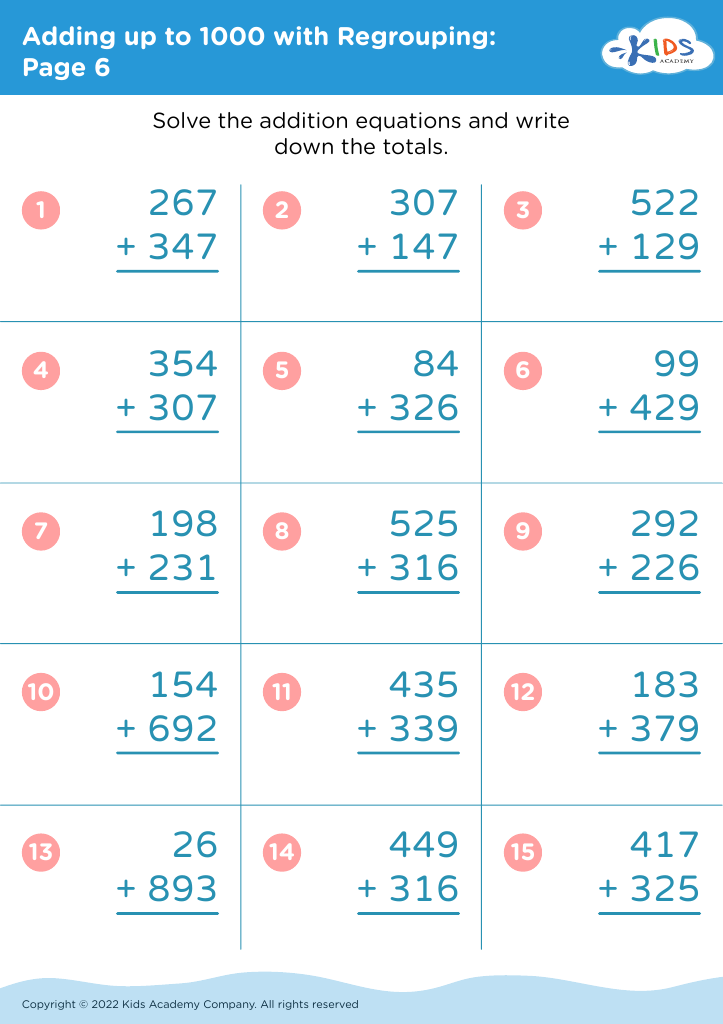
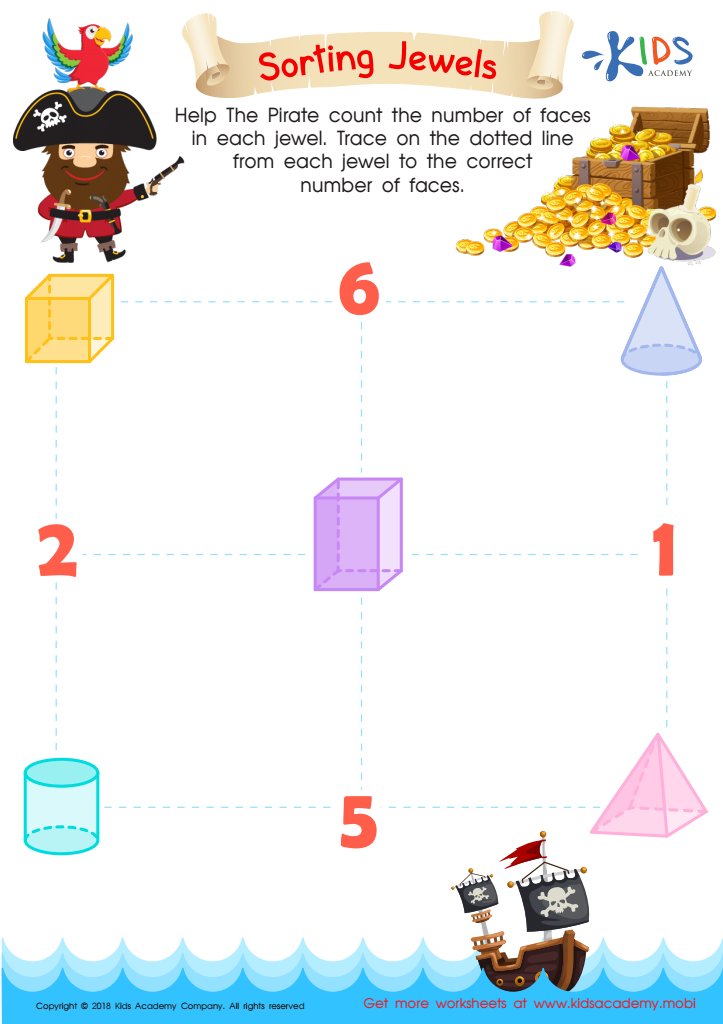
Sorting Jewels Worksheet
 Assign to My Students
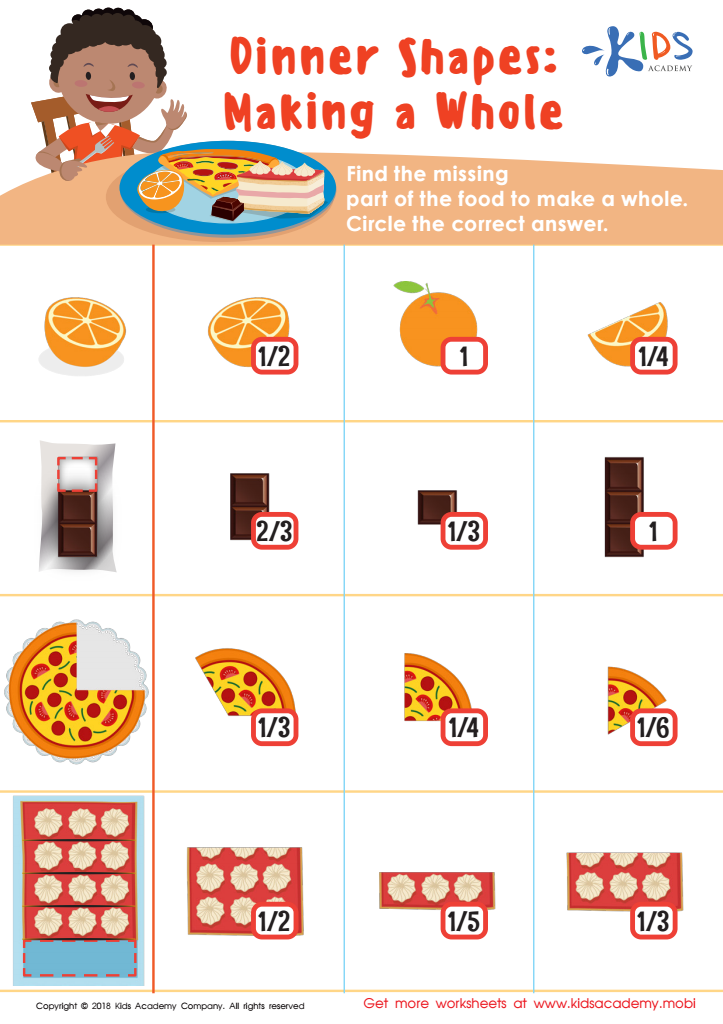
Dinner Shapes: Making a Whole Worksheet
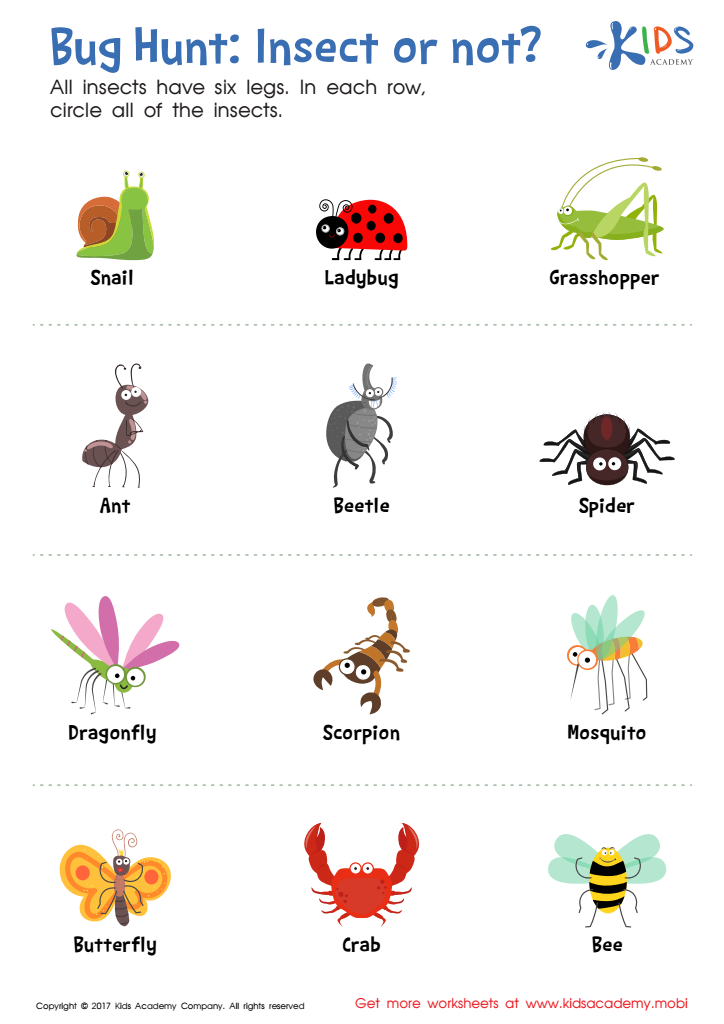
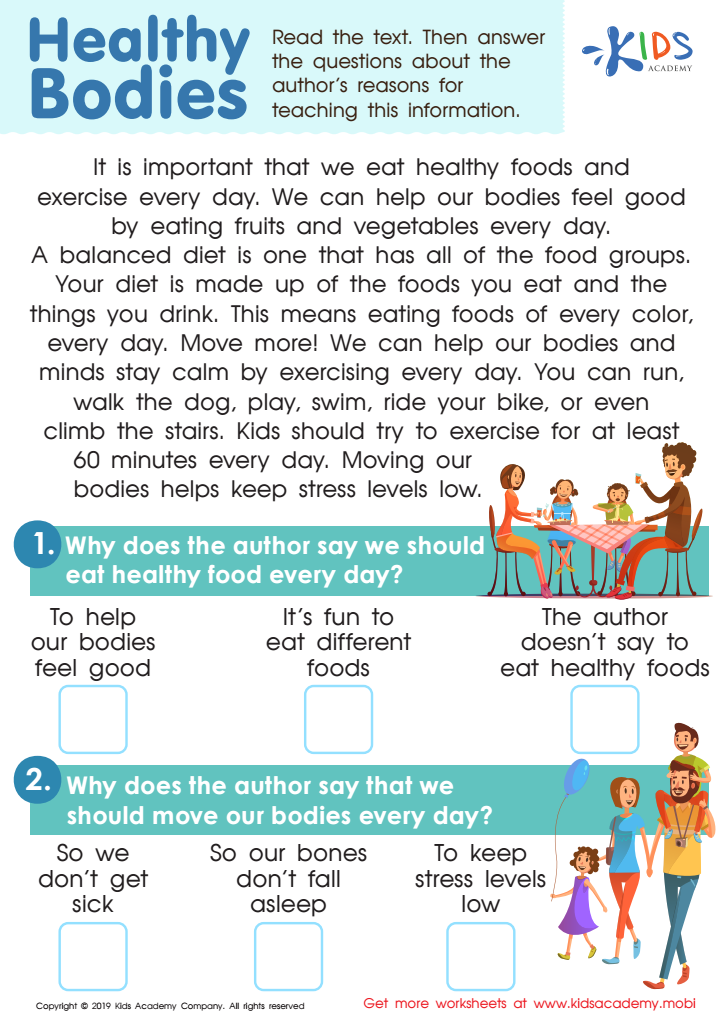
Healthy Bodies Worksheet
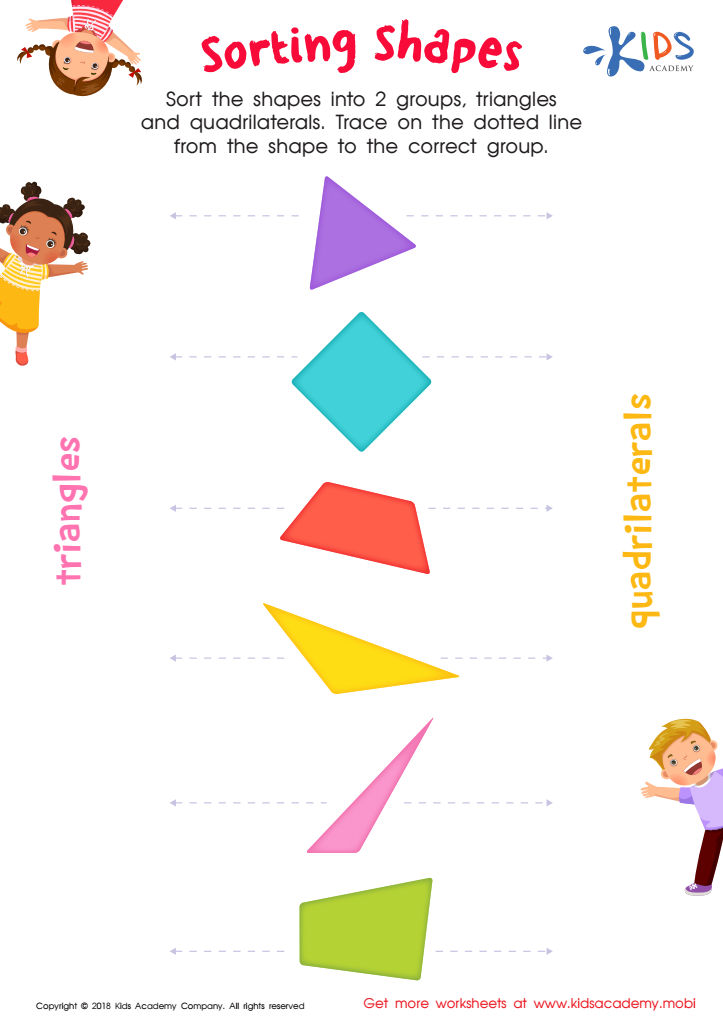
Sorting Shapes Worksheet
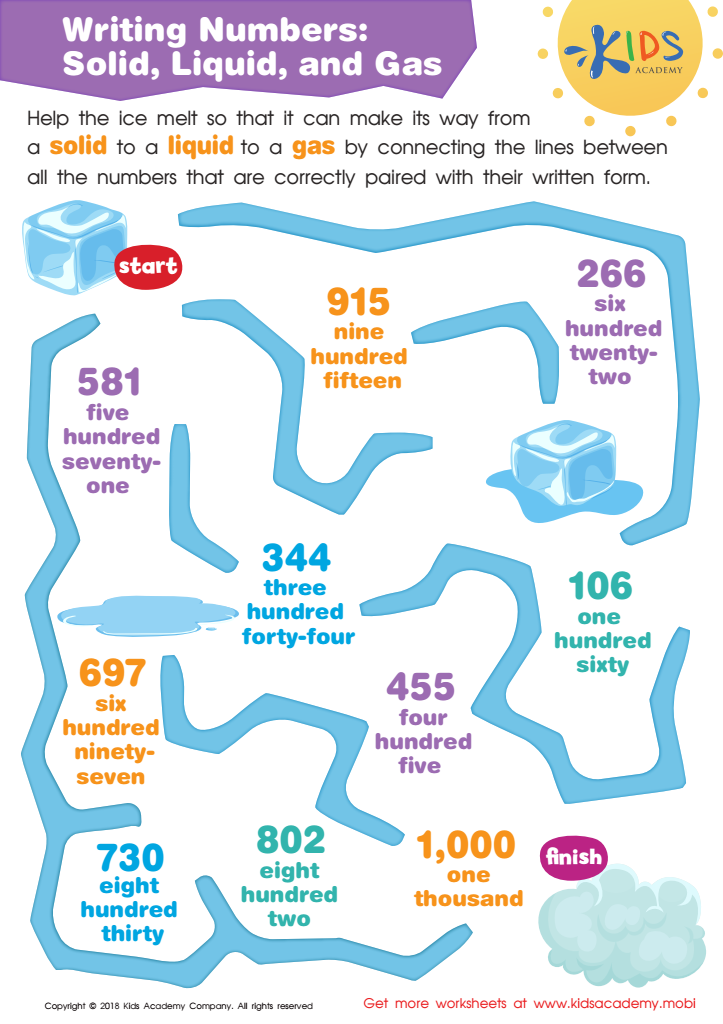
Solid, Liquid, and Gas Writing Numbers Worksheet
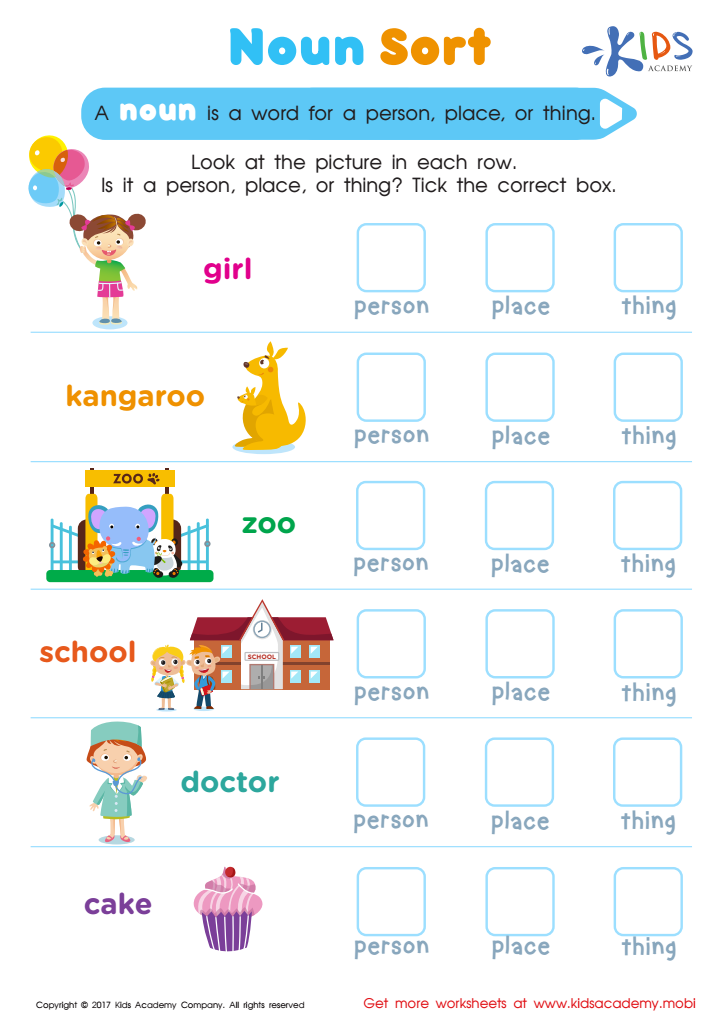
Noun Sort Printable
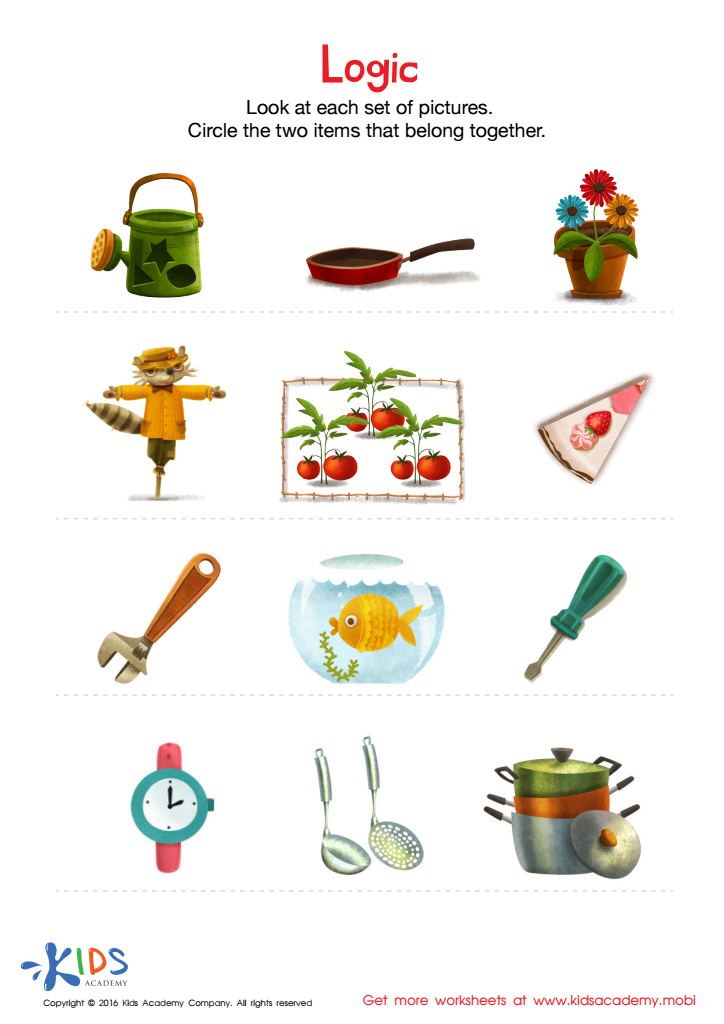
Logic Game Sorting Worksheet
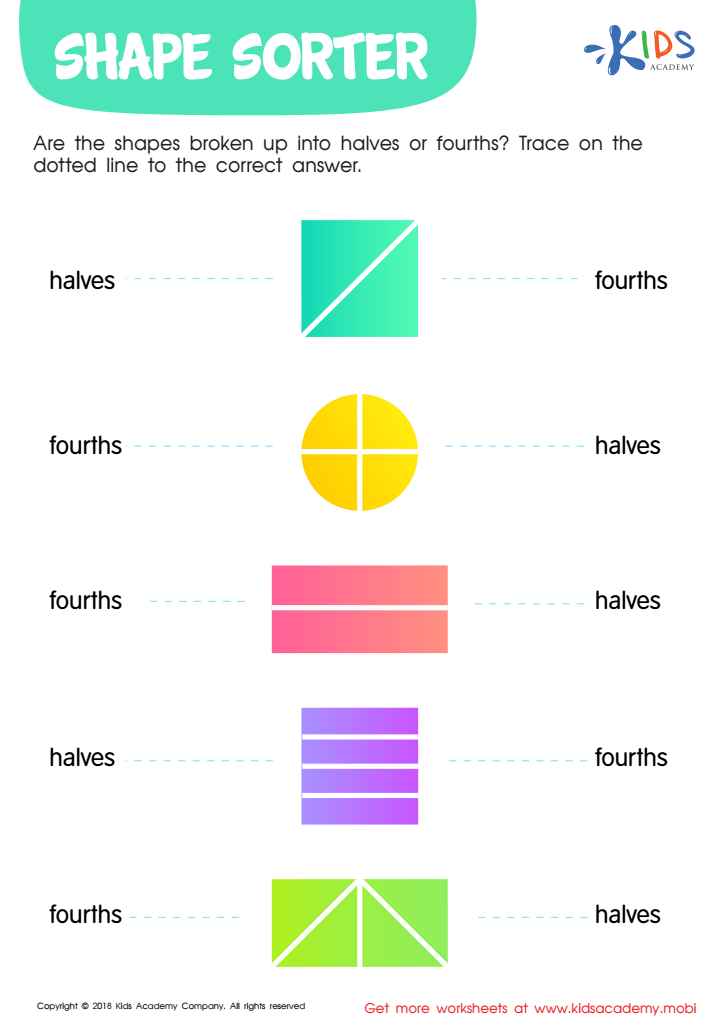
Shape Sorter Worksheet

Identifying Living or Non–living Worksheet







Categorization skills are essential for children aged 7-8 because they form the foundation for cognitive development and academic success. During these years, children transition from concrete to more abstract thinking, and categorization helps streamline their understanding of the world. When kids learn to sort and group objects, ideas, or information based on common attributes, they develop critical thinking and problem-solving skills.
For parents and teachers, fostering these skills is important because they overlap with essential academic subjects. In math, categorization aids in understanding numerical concepts and geometric shapes; in language arts, it enhances vocabulary and reading comprehension by allowing children to identify story elements and contextual clues. Furthermore, categorization supports scientific inquiry, enabling children to observe, classify, and make sense of natural phenomena.
Moreover, strong categorization skills boost organizational abilities and memory retention. Children learn to file information in a structured way, which reduces cognitive overload and makes recall more efficient. Socially, it helps them understand relationships and make connections, fostering positive interactions and empathy.
By nurturing categorization skills, parents and teachers equip children with the tools necessary for ongoing learning and adaptation in a complex, ever-changing world. Ensuring activities that emphasize sorting, classifying, and grouping can thus have long-lasting benefits on children’s educational journeys and beyond.








