Unlock your child's analytical skills with our engaging Comparative Analysis Worksheets designed for ages 7-8! These printable resources help young learners explore differences and similarities, enhancing their critical thinking and observation abilities. Through fun activities, students will compare attributes, categorize information, and strengthen their reasoning skills. Perfect for classroom use or at-home learning, these worksheets provide a valuable opportunity for children to practice making comparisons in a variety of contexts. Foster a love for learning while building essential skills that will benefit your child's academic journey. Start their development today with our interactive and educational worksheets!

Check out this FREE "Comparative analysis" Trial Lesson for age 7-8!

Categorizing Shapes

Favorites
With answer key
Interactive
  • 7-8
  • Comparative analysis
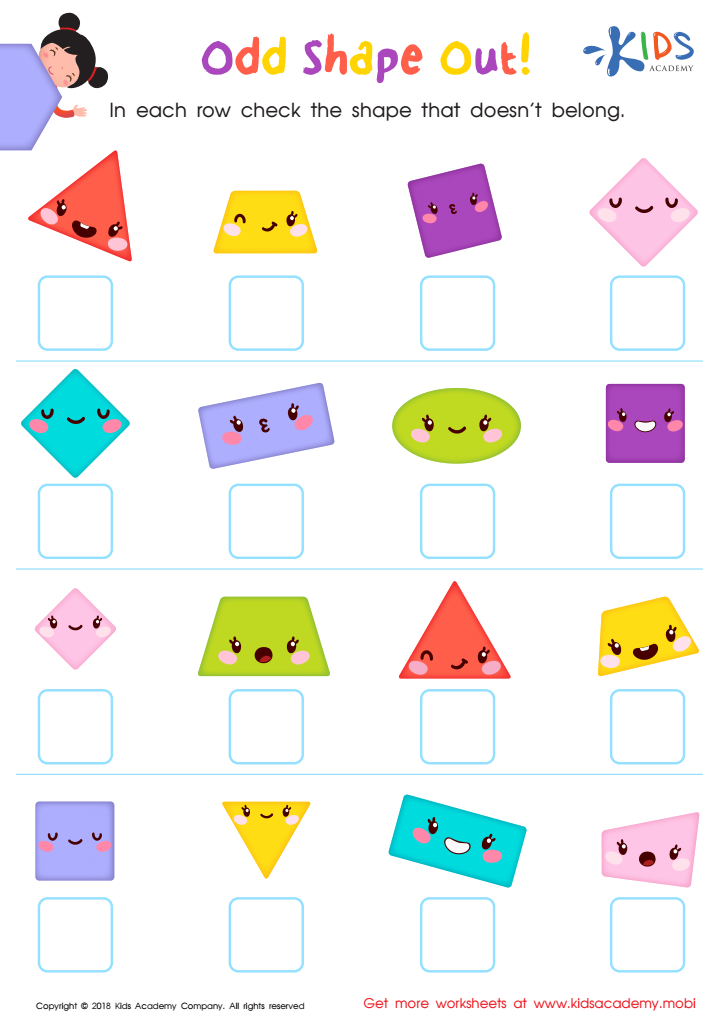
Odd Shape Out Worksheet for Grade 3

Odd Shape Out Worksheet for Grade 3

Time to test your child's shape knowledge! With this worksheet, help them find the odd shape out in each row and check the box under it. Print out the pdf and look through it with them – each row has four brightly colored shapes. See if they can spot any differences among them and then check the box below the shape that does not belong.
Odd Shape Out Worksheet for Grade 3
Worksheet
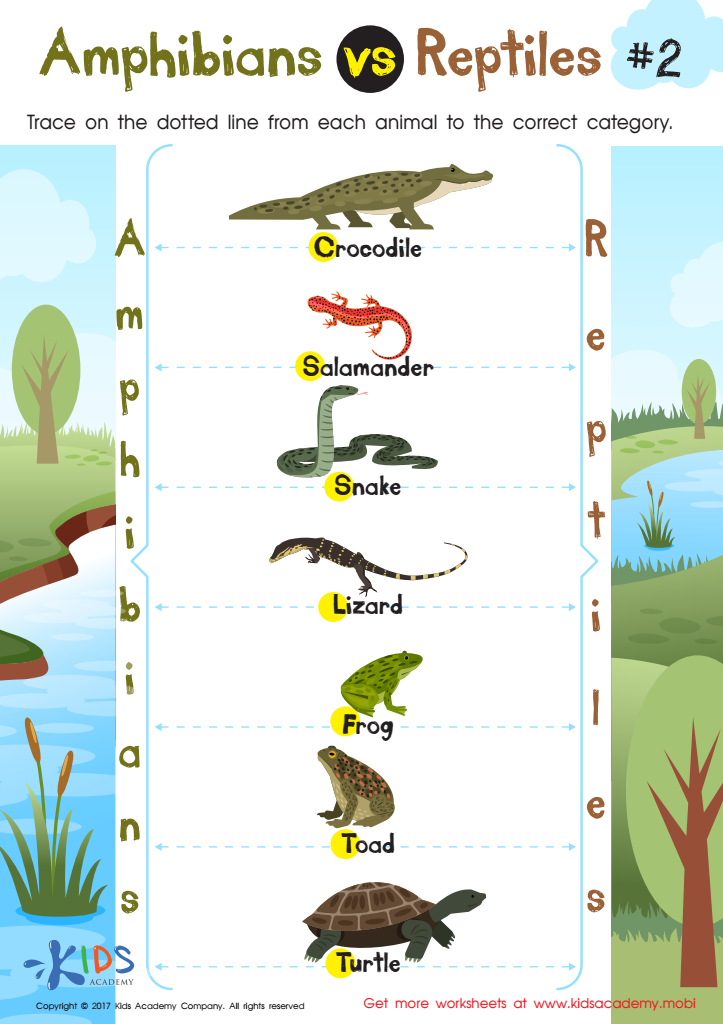
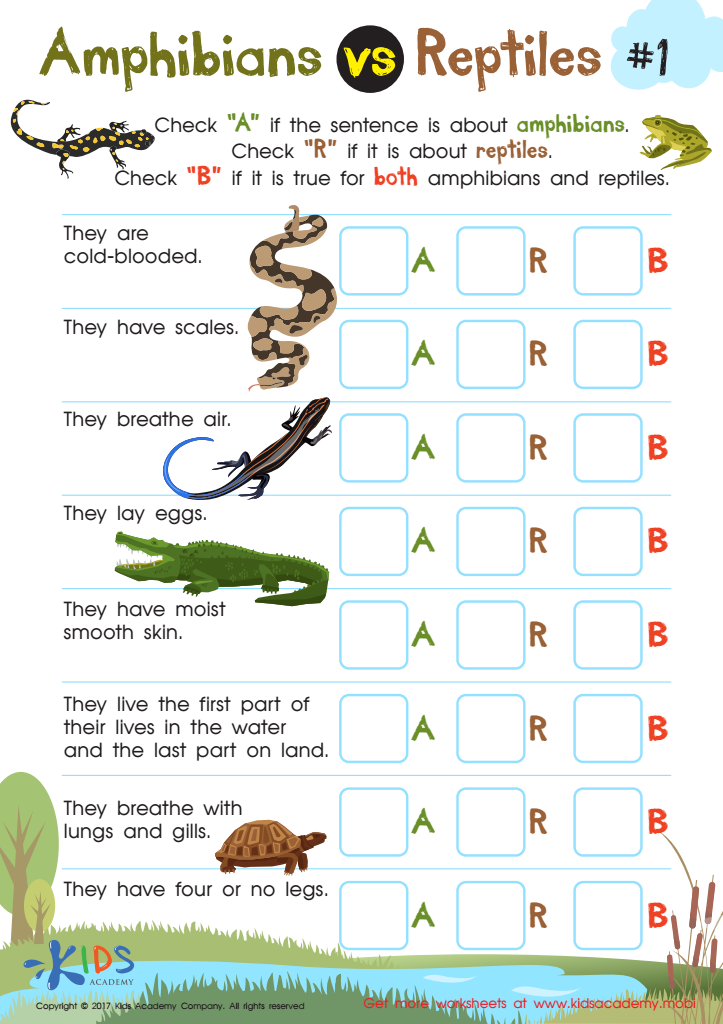
Amphibians vs Reptiles Worksheet for 3rd Grade

Amphibians vs Reptiles Worksheet for 3rd Grade

Let your 3rd grader challenge themselves and have fun by distinguishing between reptiles and amphibians. With this cool worksheet, they'll explore vivid pictures and learn about these fascinating creatures!
Amphibians vs Reptiles Worksheet for 3rd Grade
Worksheet
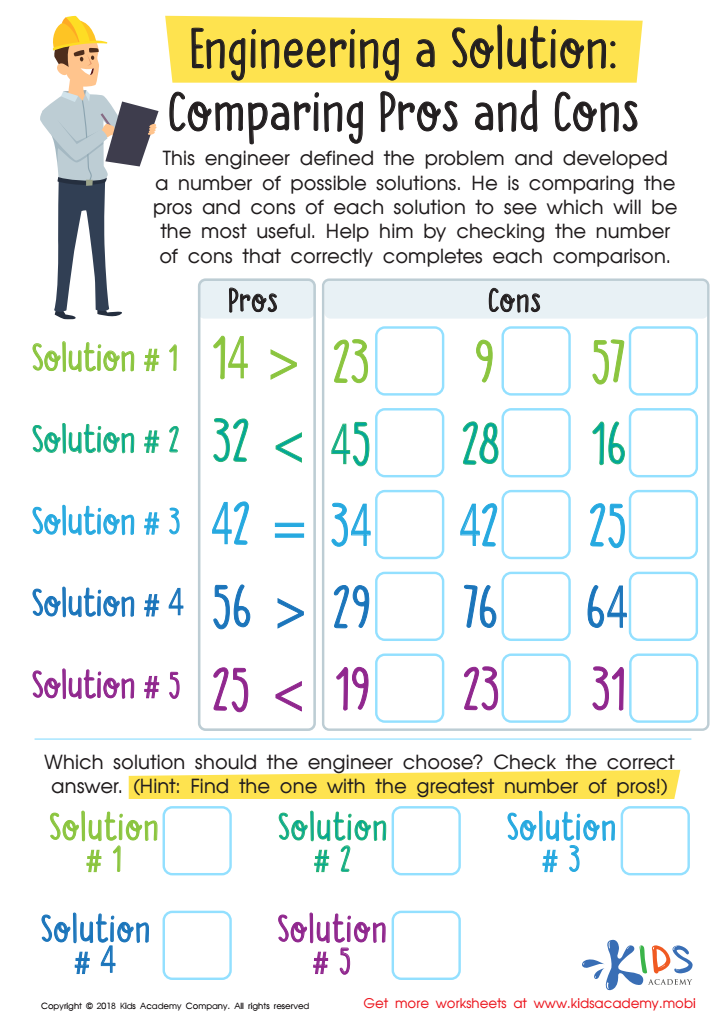
Engineering a Solution: Comparing Pros and Cons Worksheet

Engineering a Solution: Comparing Pros and Cons Worksheet

Help our little engineers assist the engineer in making a decision! They will solve the equations using greater than, less than, and equal to, and then decide the best solution for the problem using the pros and cons of each.
Engineering a Solution: Comparing Pros and Cons Worksheet
Worksheet
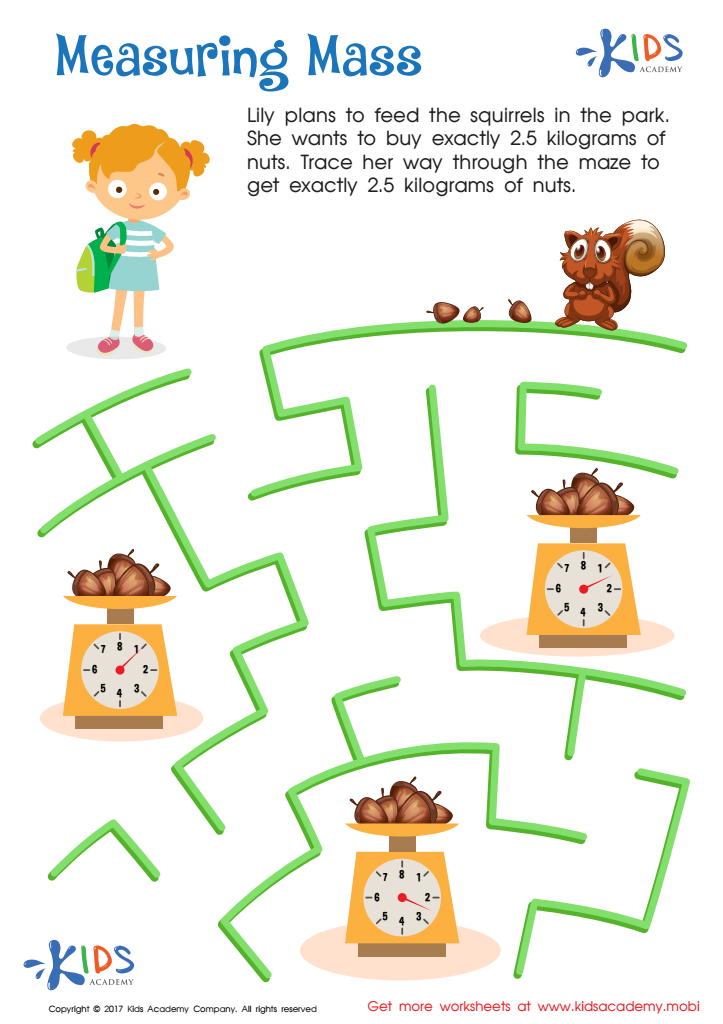
Measuring Mass Worksheet for 3rd Grade

Measuring Mass Worksheet

Lily needs your child's help to find the right number of nuts to feed the squirrels. Ideal for 3rd grade!
Measuring Mass Worksheet
Worksheet
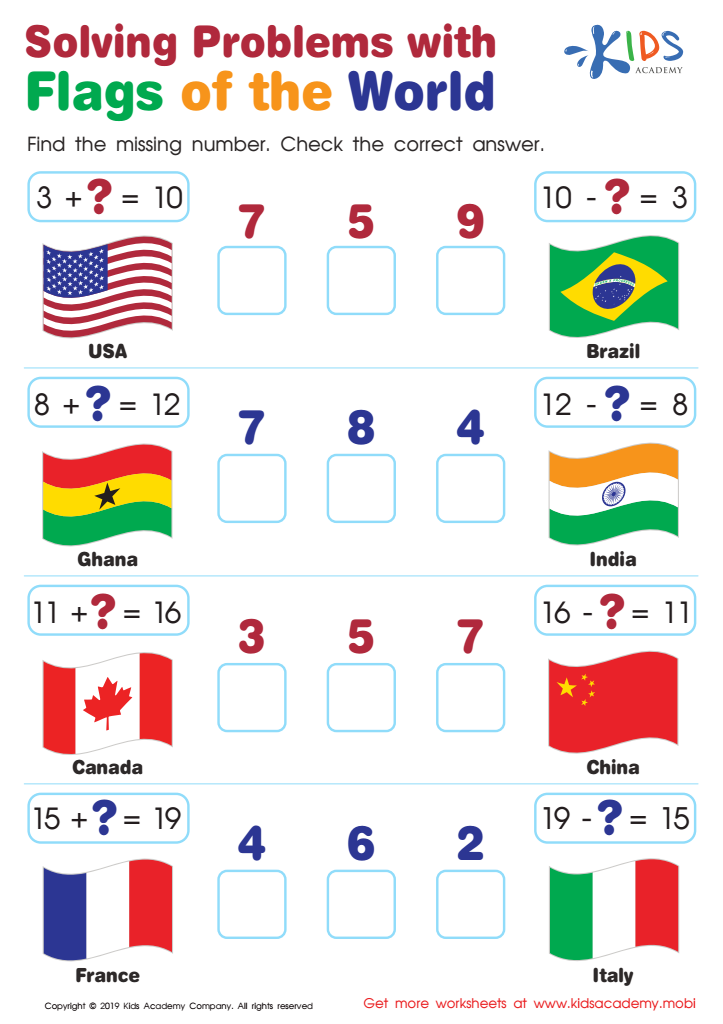
Solving Problems with Flags of the World Worksheet

Solving Problems with Flags of the World Worksheet

Name some countries you know with your kids, then introduce their flags with this worksheet. Help them find the missing number in each addition problem, and then check the answer. It's a fun way to learn about different countries near and far.
Solving Problems with Flags of the World Worksheet
Worksheet
Amphibians vs Reptiles Worksheet PDF

Amphibians vs Reptiles Worksheet

Kids will love learning the differences between amphibians and reptiles with this worksheet! Each fact must be read to correctly identify if it pertains to reptiles or amphibians. Focusing on the unique attributes of both groups, this PDF will make the comparison captivating and fun!
Amphibians vs Reptiles Worksheet

Worksheet
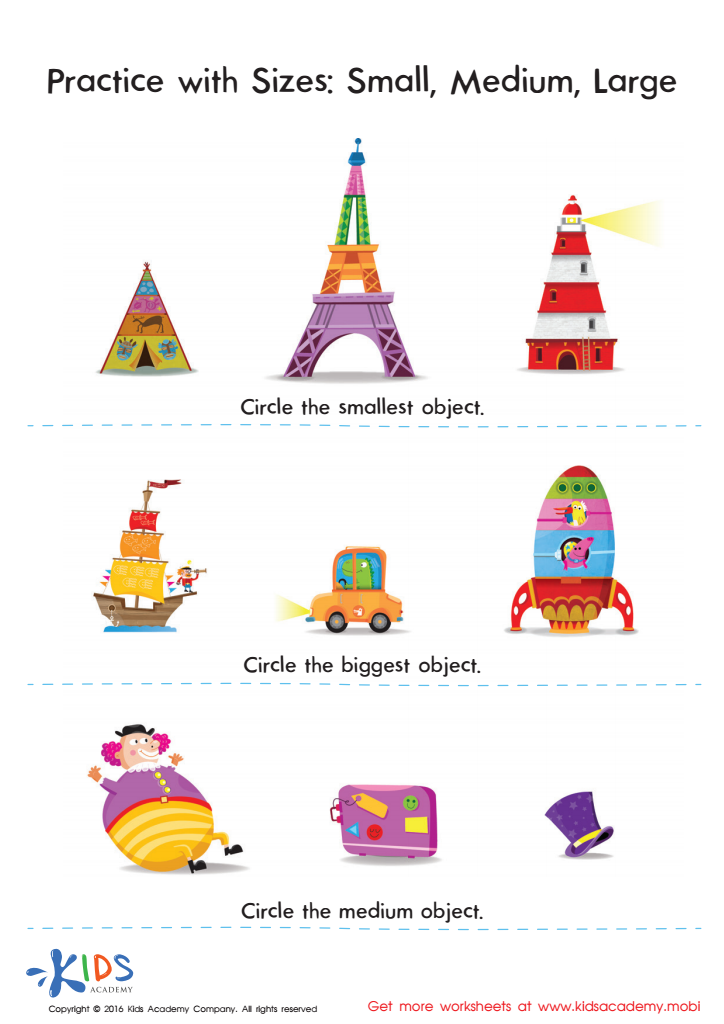
Size Worksheet: Big, Small, Medium

Practice with Sizes Size Worksheet

Practice with Sizes Size Worksheet
Worksheet
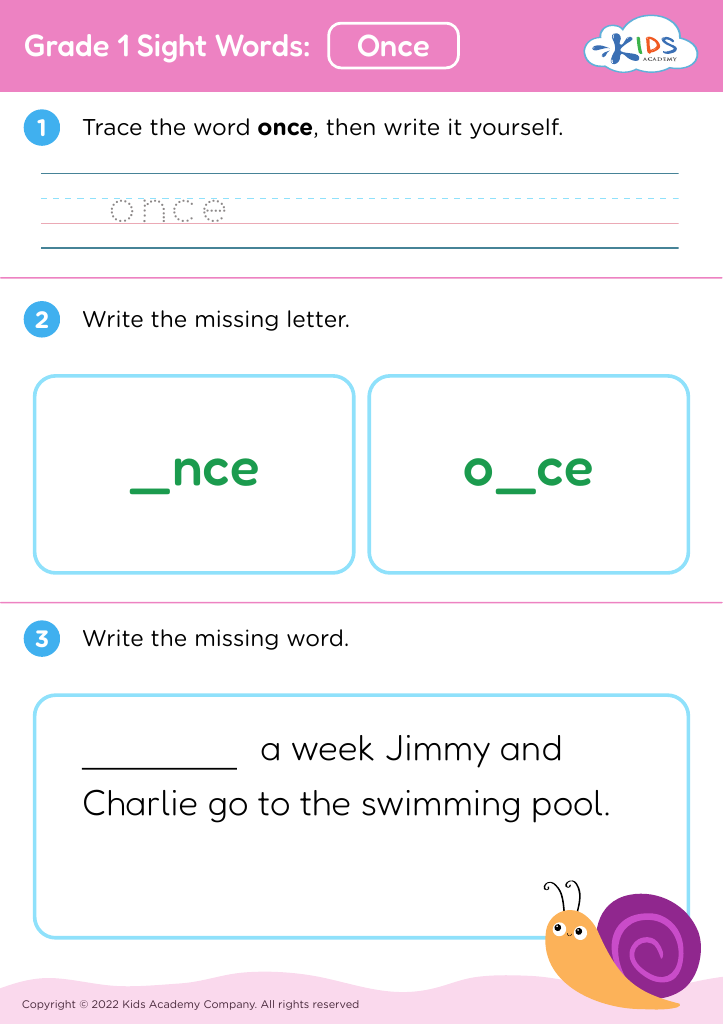
Grade 1 Sight Words: Once

Grade 1 Sight Words: Once

Grade 1 Sight Words: Once
Worksheet


Comparative analysis for ages 7-8 is an essential tool for parents and teachers, as it enhances understanding of children's developmental milestones and learning processes. At this age, children are beginning to think more critically, make connections, and understand complex concepts. By analyzing the differences and similarities in their learning styles, preferences, and progress, educators and caregivers can tailor instruction and support more effectively.

For teachers, comparative analysis enables the identification of strengths and weaknesses among students, facilitating differentiated instruction that meets diverse needs. This approach fosters an inclusive classroom environment where every child can thrive. Moreover, it helps educators monitor trends over time, ensuring that they remain informed about curricular effectiveness and can adapt to best practices.

For parents, engaging in comparative analysis offers insights into their child's academic performance relative to peers, which can guide conversations about how to support learning at home. Understanding these comparative measures empowers parents to advocate for appropriate resources or interventions when necessary.

Ultimately, utilizing comparative analysis ensures that both teachers and parents are equipped with the tools needed to support children's growth, leading to enhanced academic and social outcomes during these formative years.