Critical thinking skills Worksheets for Ages 7-8 - Page 2
30 filtered results
-
From - To
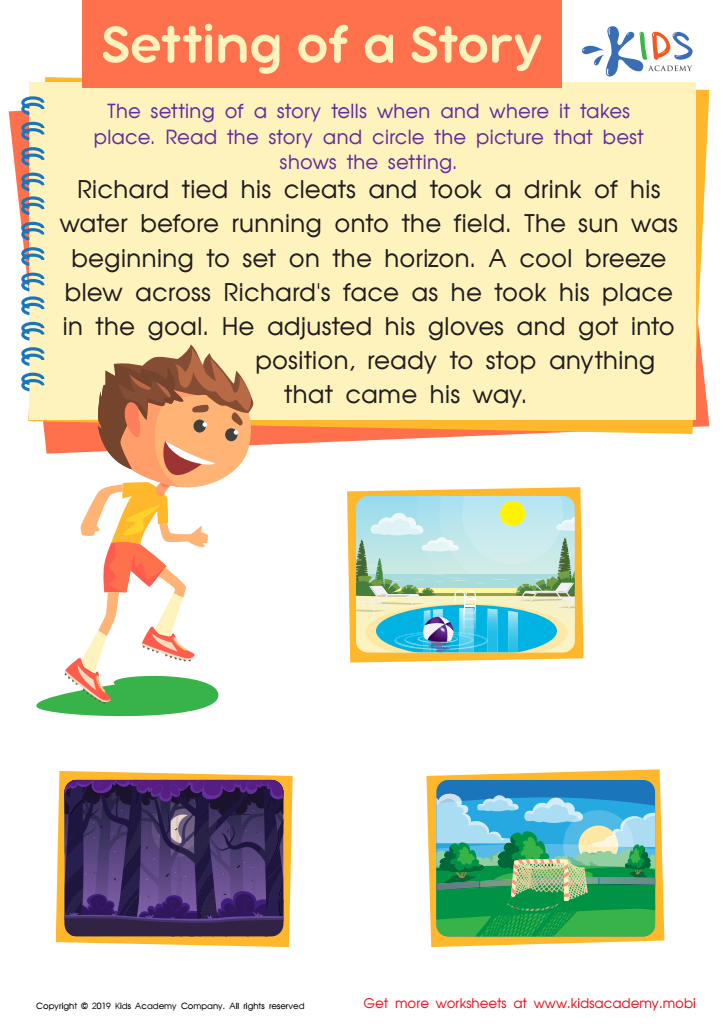
Setting of a Story Worksheet
 Assign to My Students
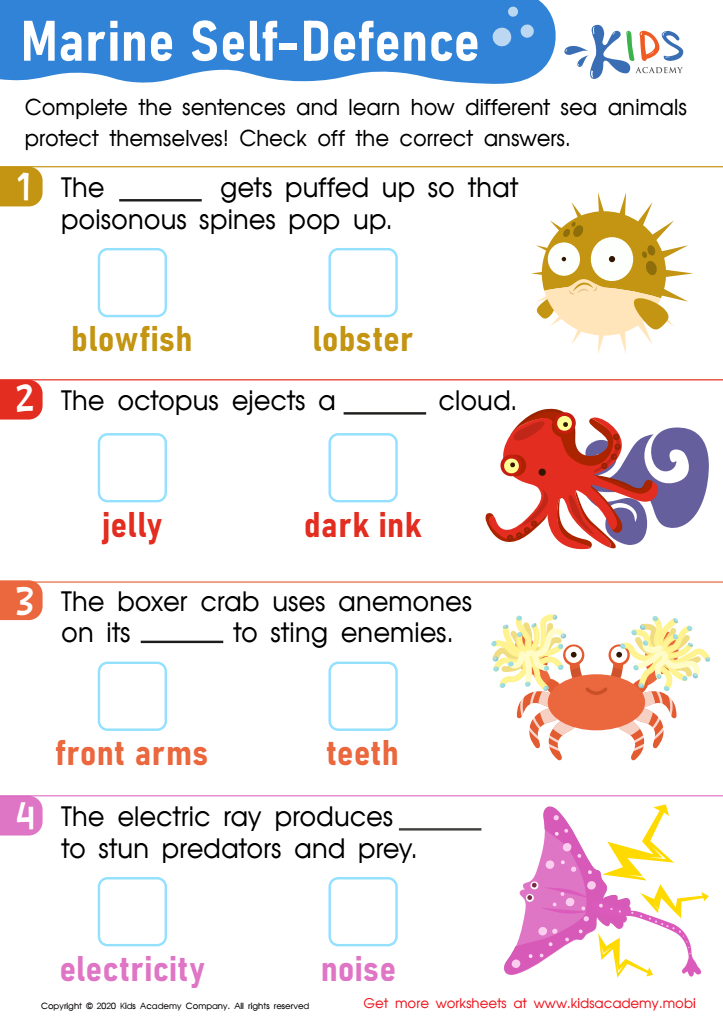
Marine Self-Defence Worksheet
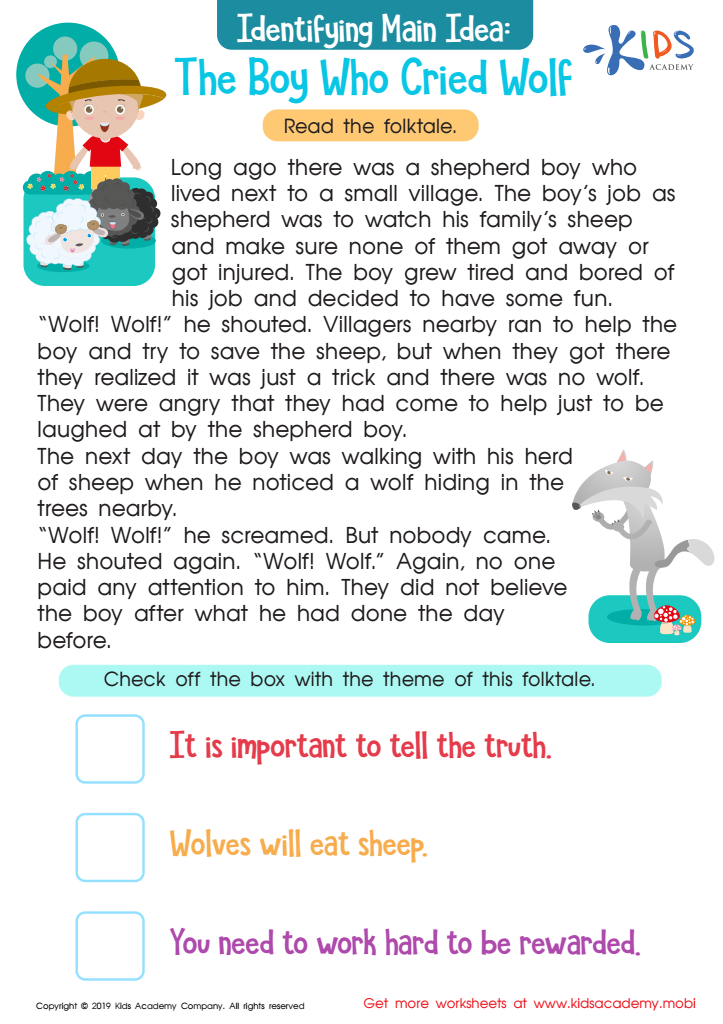
The Boy Who Cried Wolf Part 2 Worksheet
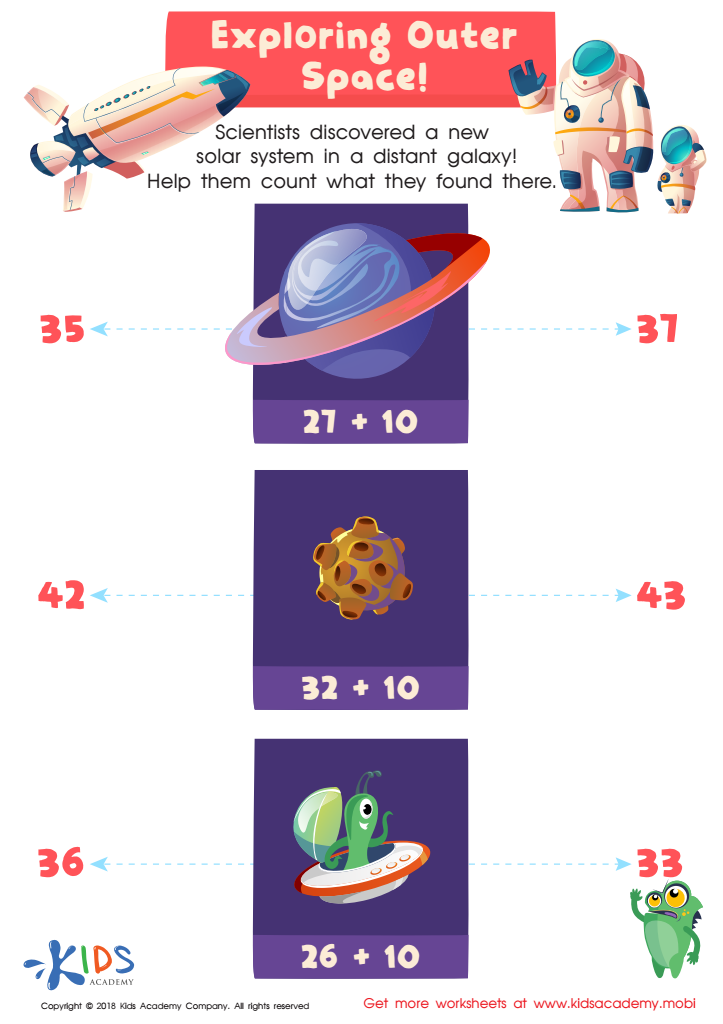
Exploring Outer Space Worksheet








Critical thinking skills are essential for children aged 7-8, as this is a formative period in their cognitive development. During these years, children start to engage more deeply with their environment, ask questions, and explore new concepts. By fostering critical thinking, parents and teachers can help children learn how to process information, analyze situations, and make informed decisions.
Encouraging critical thinking equips children with the ability to evaluate perspectives and develop their opinions. This skill fosters independence and confidence as they learn to navigate challenges and problem-solve effectively. Moreover, these skills are vital for academic success, as they promote deeper comprehension and retention of material across subjects.
In a world saturated with information, teaching children to think critically enables them to discern fact from fiction and approach arguments with an analytical mindset. This empowers them to become thoughtful, responsible citizens who can engage in meaningful discussions.
Ultimately, prioritizing critical thinking develops not only intellectual abilities but also emotional intelligence, as children learn to consider various viewpoints and empathize with others. By nurturing these skills early on, parents and teachers lay a strong foundation for lifelong learning and civic engagement.








