Develop problem-solving abilities Worksheets for Ages 7-8
3 filtered results
-
From - To
Enhance your child's critical thinking and analytical skills with our "Develop Problem-Solving Abilities Worksheets for Ages 7-8." Carefully designed by educators, these worksheets present engaging math and logic challenges that boost cognitive development and creativity. Kids will navigate through exciting puzzles, word problems, and hands-on activities that make learning fun and interactive. Perfect for both classroom use and at-home practice, this collection focuses on enhancing concentration, persistence, and confidence in young learners. Give your child the tools they need to become a confident and effective problem-solver with our expertly crafted worksheets.
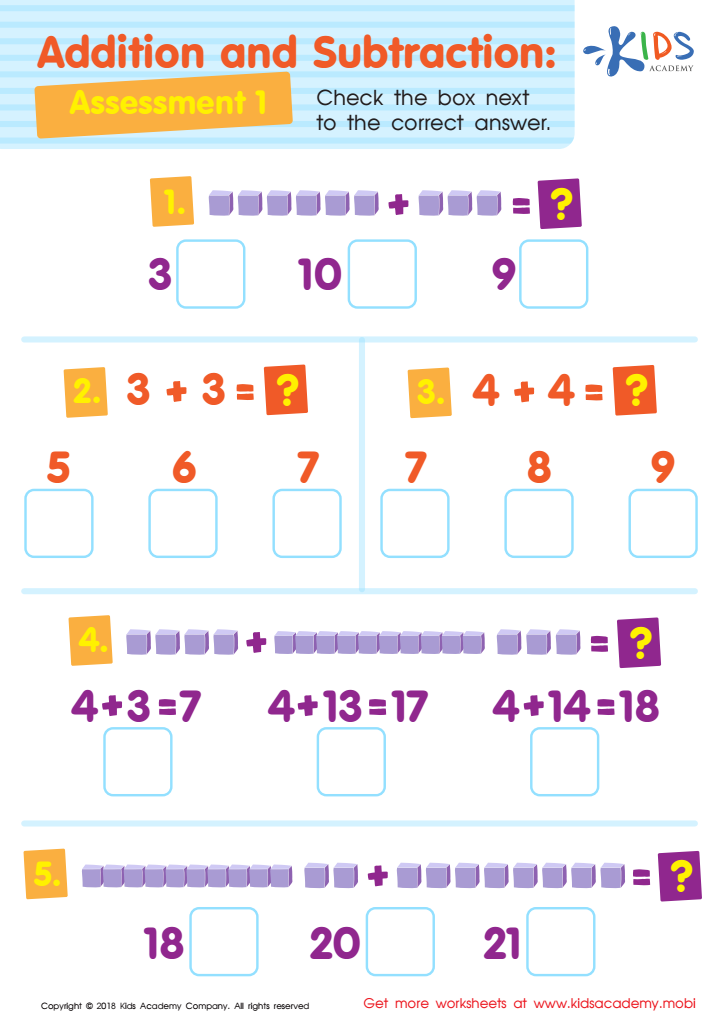
Addition and Subtraction Assessment 1 Worksheet
 Assign to My Students
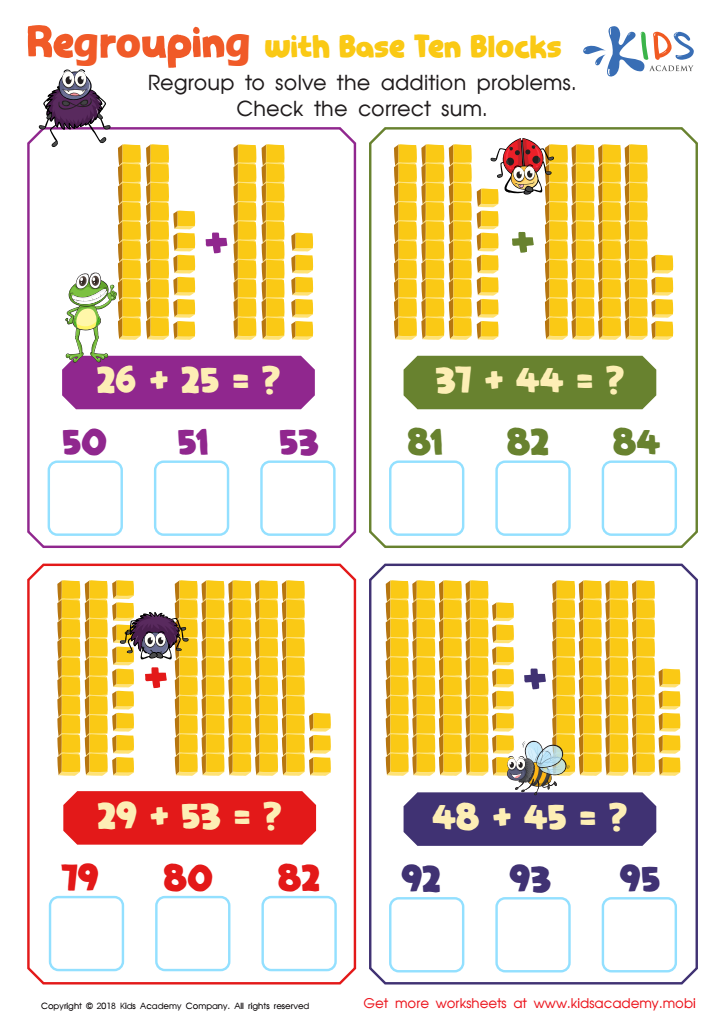
Regrouping With Base Ten Blocks Worksheet




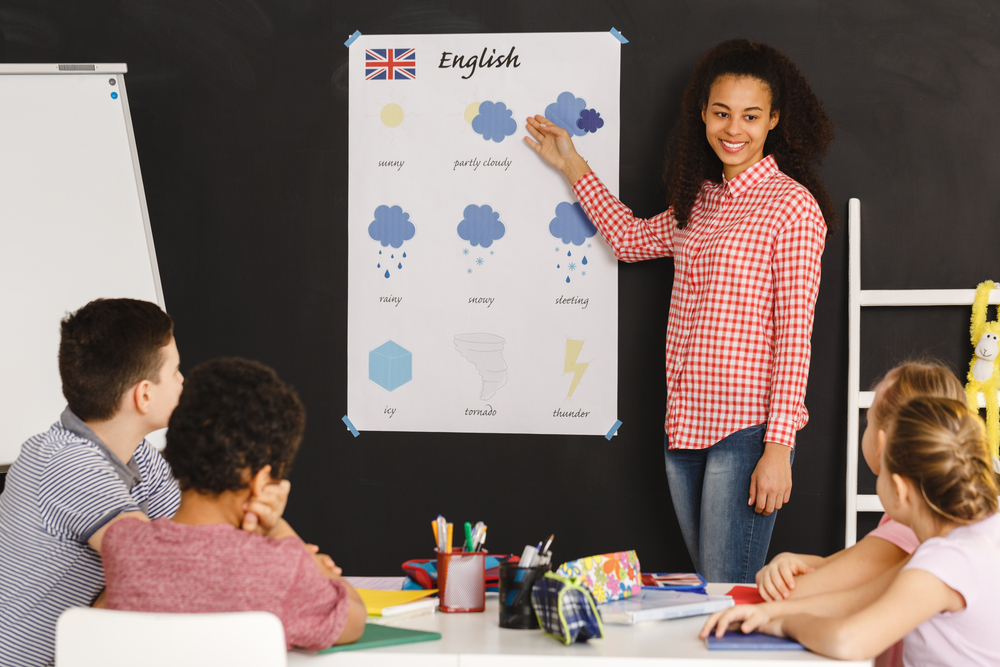


Developing problem-solving abilities for children aged 7-8 is critical and should be a significant focus for both parents and teachers. At this stage, children's cognitive abilities are expanding rapidly. Equipping them with problem-solving skills enhances their ability to think critically, make decisions, and handle challenges independently. These skills lay a foundation not only for academic success but also for everyday life.
Problem-solving encourages creativity and adaptability, essential traits in our constantly changing world. When children tackle problems, they learn to assess situations, identify potential solutions, and foresee consequences, which boosts their confidence and resilience. Moreover, these abilities promote collaboration and effective communication, as kids often need to discuss and negotiate solutions with peers.
Furthermore, developing these skills early on can reduce anxiety and frustration as children become more competent and comfortable facing obstacles.
Parents and teachers play a pivotal role in nurturing these abilities by encouraging exploration, providing opportunities for creative thinking, and giving constructive feedback. Doing so not only supports children's immediate educational needs but sets them on a path toward becoming resourceful, innovative, and capable adults, well-equipped to navigate the complexities of the future. Investing in problem-solving skills at this tender age is, in essence, an investment in their lifelong success and well-being.








