Develop sequencing skills Worksheets for Ages 7-8
3 filtered results
-
From - To
Enhance your child's cognitive abilities with our engaging Sequencing Skills Worksheets designed specifically for ages 7-8. These worksheets encourage young learners to arrange events, ideas, or steps in a logical order, fostering essential critical thinking and problem-solving skills. Our diverse activities cater to varying learning styles, making them both fun and educational. Perfect for at-home practice or classroom use, each worksheet supports developmental milestones, helping children strengthen their ability to comprehend patterns and sequences in stories and everyday tasks. Explore our collection today and watch your child's confidence and sequencing skills thrive!
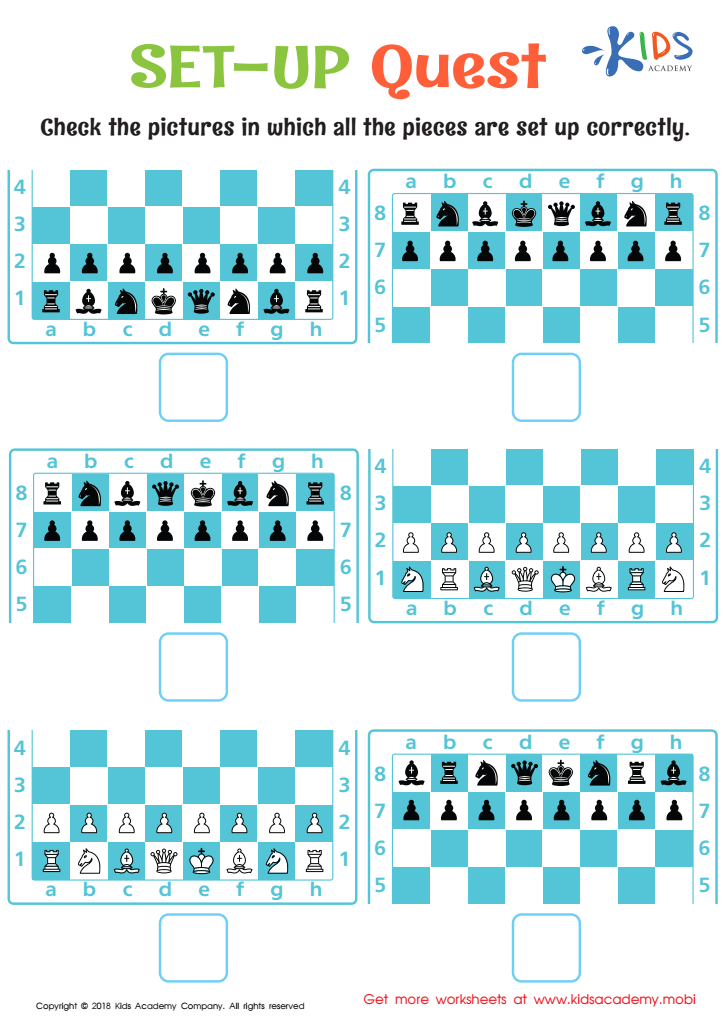
Set-up Quest Worksheet
 Assign to My Students
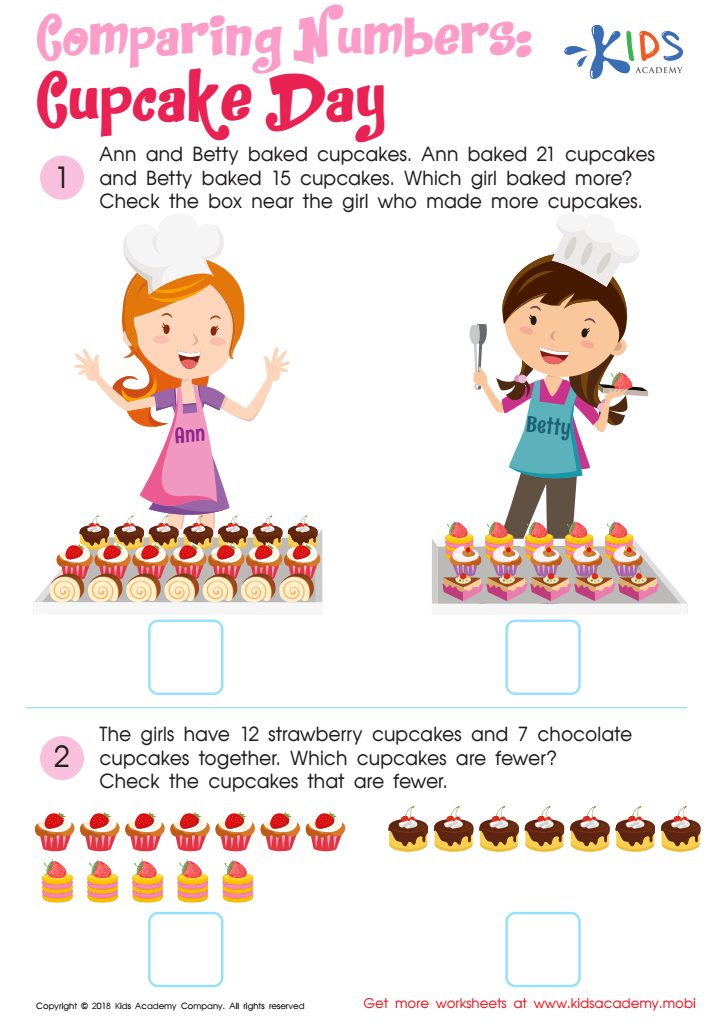
Cupcake Day Worksheet
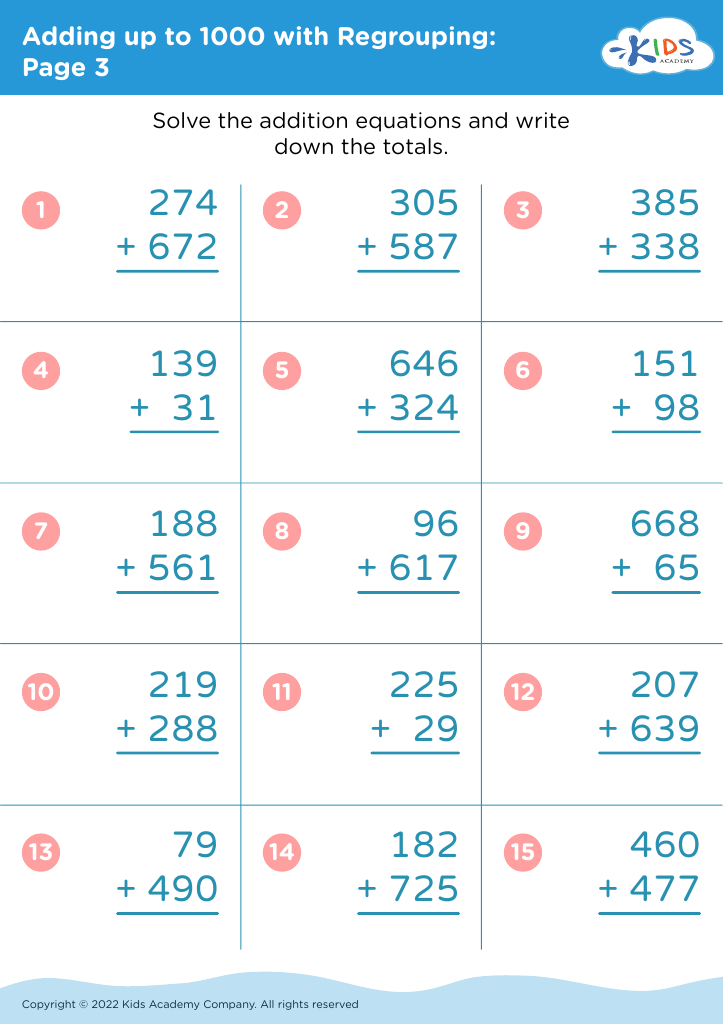








Developing sequencing skills in children aged 7-8 is crucial for several reasons. At this stage in their lives, children are transitioning from early literacy to more complex narrative forms. Sequencing skills help them understand the order of events in stories, which enhances their reading comprehension and enables them to retell stories accurately. This understanding promotes critical thinking, as children begin to analyze characters’ motives and the cause-and-effect relationships within the plot.
Moreover, sequencing is not limited to reading; it is an essential life skill. Children need to master this ability to follow directions, complete tasks, and participate in problem-solving activities effectively. For instance, when following a recipe or conducting a science experiment, understanding the sequence of steps is vital for success.
Additionally, improved sequencing skills can enhance communication abilities. Children will be better equipped to express their thoughts in a logical order, which fosters clearer conversations and more coherent writing.
Lastly, these skills contribute to academic achievement across subjects, helping students excel in math and science, where sequences and patterns are often foundational concepts. Therefore, investing time in nurturing sequencing skills is fundamental for holistic development in young learners.








