Developing fine motor skills Worksheets for Ages 7-8
5 filtered results
-
From - To
Unlock your child's potential with our "Developing Fine Motor Skills Worksheets for Ages 7-8"! Designed for young learners, these engaging activities enhance dexterity and hand-eye coordination through fun exercises like tracing, cutting, and coloring. Each worksheet fosters essential skills critical for writing, crafting, and everyday tasks. Our varied and interactive content captures children's interest while encouraging independence and confidence. Perfect for classroom use or at-home practice, these worksheets are an excellent way to support your child’s growth. Explore our collection today and watch your little one thrive as they master their fine motor skills in a creative and enjoyable way!
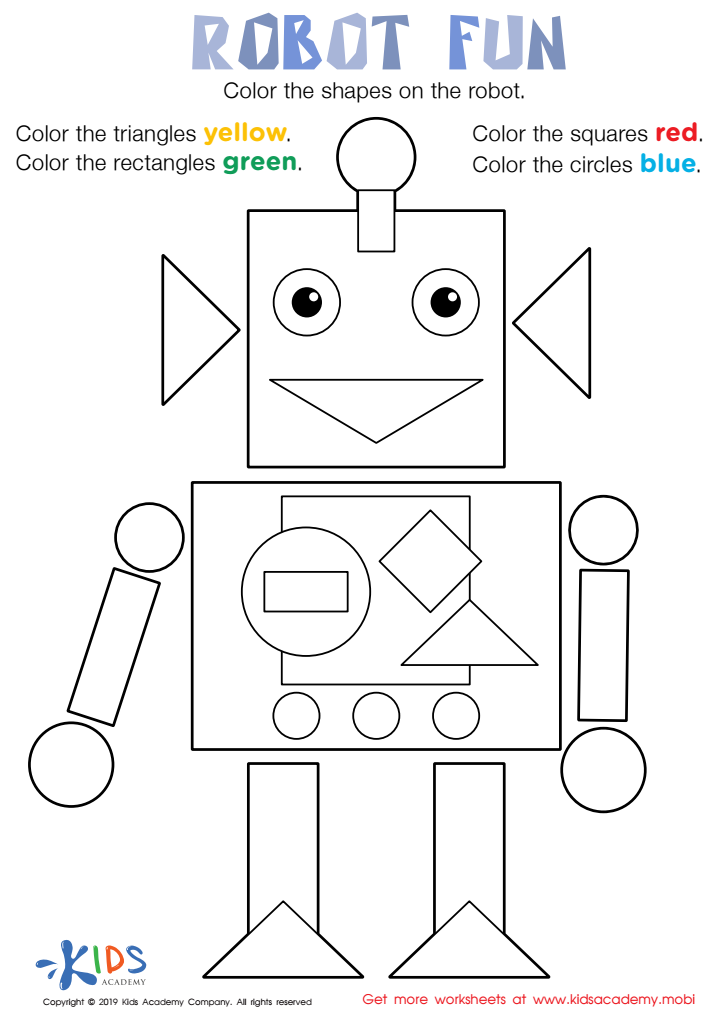
Robot Fun Worksheet
 Assign to My Students
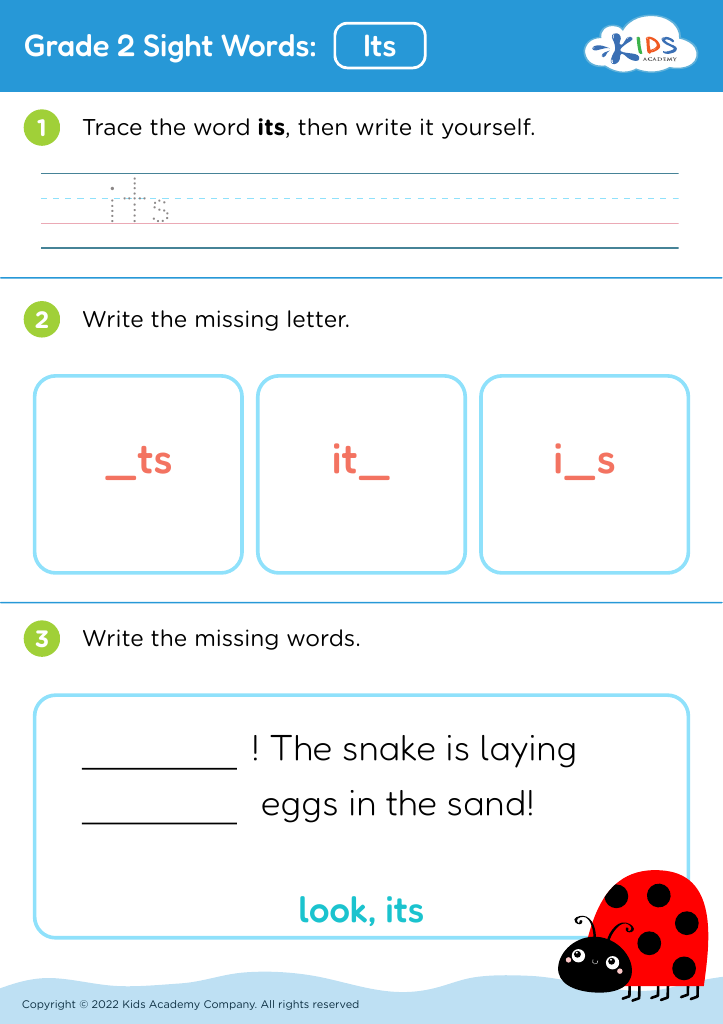







Developing fine motor skills in children aged 7-8 is crucial as it forms the foundation for various academic and everyday tasks. During this age, children are refining their hand-eye coordination, dexterity, and control over small movements, all essential for activities such as writing, drawing, and manipulating small objects. Improved fine motor skills enhance their ability to engage in schoolwork, from holding a pencil correctly to crafting projects that require precision.
Additionally, proficient fine motor skills boost a child's confidence in their abilities. As they successfully complete tasks that require these skills, they feel a sense of accomplishment, which fosters a positive self-image and encourages them to tackle more challenging activities.
Moreover, fine motor development can impact social interactions. Children often engage in collaborative tasks like arts and crafts, and those who can perform these tasks well can actively participate alongside peers, helping build friendships and enhancing teamwork skills.
Finally, investing time in developing fine motor skills can lead to long-term benefits. Studies show that children with strong fine motor skills often perform better academically, as they can translate their ideas into written or crafted forms effectively. By focusing on these skills during the critical ages of 7-8, parents and teachers set children up for continued success.








