Unlock the full potential of your child's analytical abilities with our "Developing Observation Skills" worksheets tailored for ages 7-8. These meticulously designed worksheets from Kids Academy encourage young learners to sharpen their attention to detail through engaging activities and puzzles. By observing patterns, identifying discrepancies, and making comparisons, children enhance their critical thinking and problem-solving skills. Ideal for parents and educators, our worksheets offer a fun, interactive approach to learning that keeps kids motivated and curious. Help your child excel in their educational journey with these essential observation skill-building exercises. Download now and watch their world of understanding flourish!

Check out this FREE "Developing observation skills" Trial Lesson for age 7-8!

Compare Numbers with 2 digits

Favorites
With answer key
Interactive
  • 7-8
  • Developing observation skills
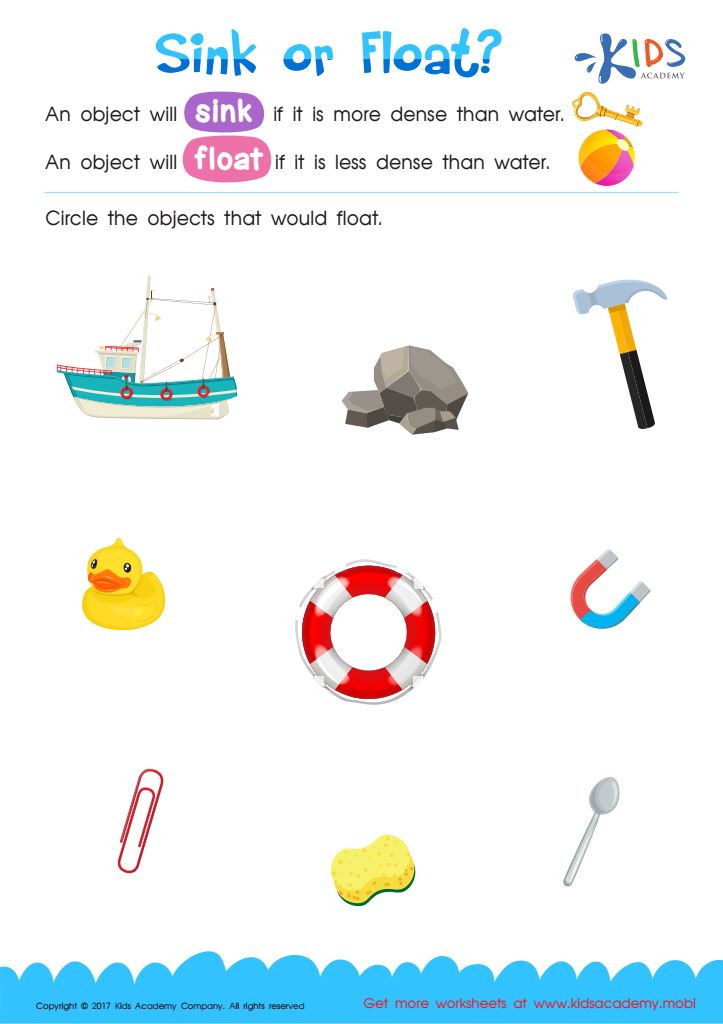
Worksheet: Sink or Float

Sink or Float Printable

They'll learn why some things stay on the surface and others sink to the bottom. (80 words)
Sink or Float Printable
Worksheet
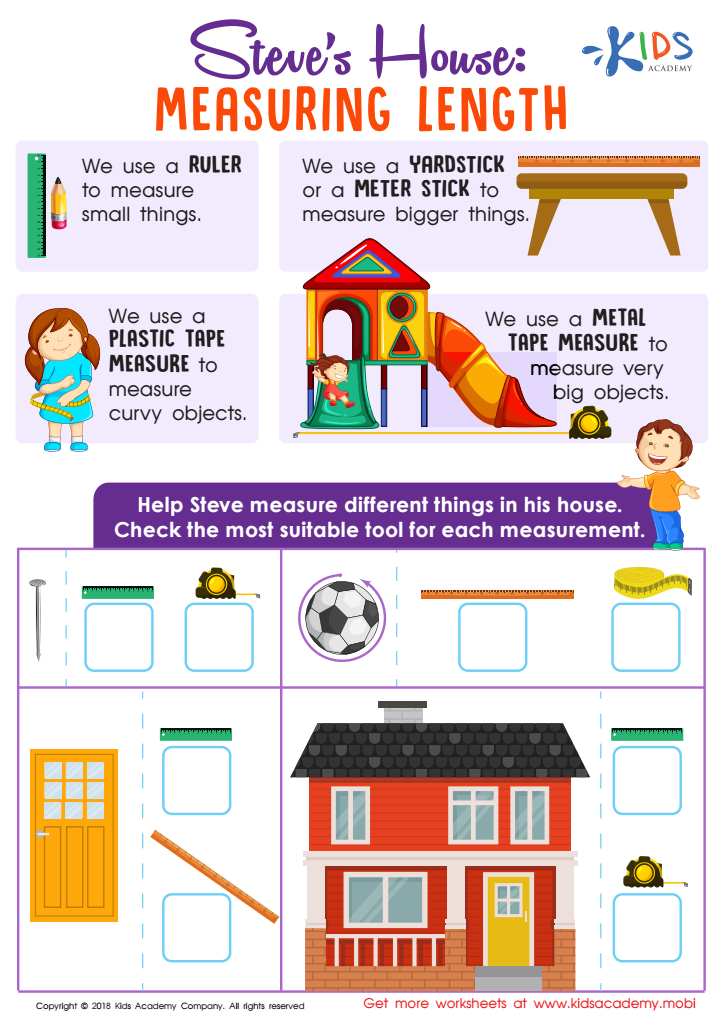
Steve's House: Measuring Length Worksheet

Steve's House: Measuring Length Worksheet

Introduce your kids to the various measuring tools and their uses. Explain how a ruler, plastic tape, yard stick, and metal tape measure are used to measure different objects. Guide them as they help Steve measure things in his home with the correct tool.
Steve's House: Measuring Length Worksheet
Worksheet
Comparing Causes of Erosion Worksheet
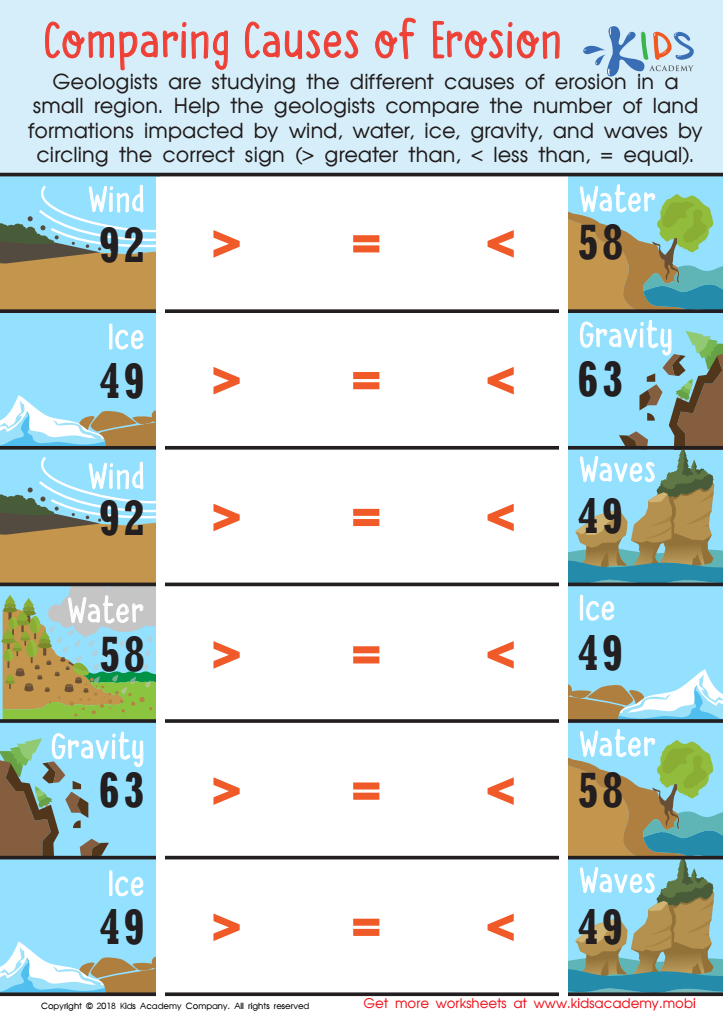
Comparing Causes of Erosion Worksheet

This free PDF worksheet combines science, number sense and comparing numbers to teach kids about the causes of erosion. They'll compare numbers related to ice, wind, water, gravity and waves and decide if each cause is greater, less than or equal to another. It's an interdisciplinary and meaningful way to learn that kids will enjoy.
Comparing Causes of Erosion Worksheet
Worksheet
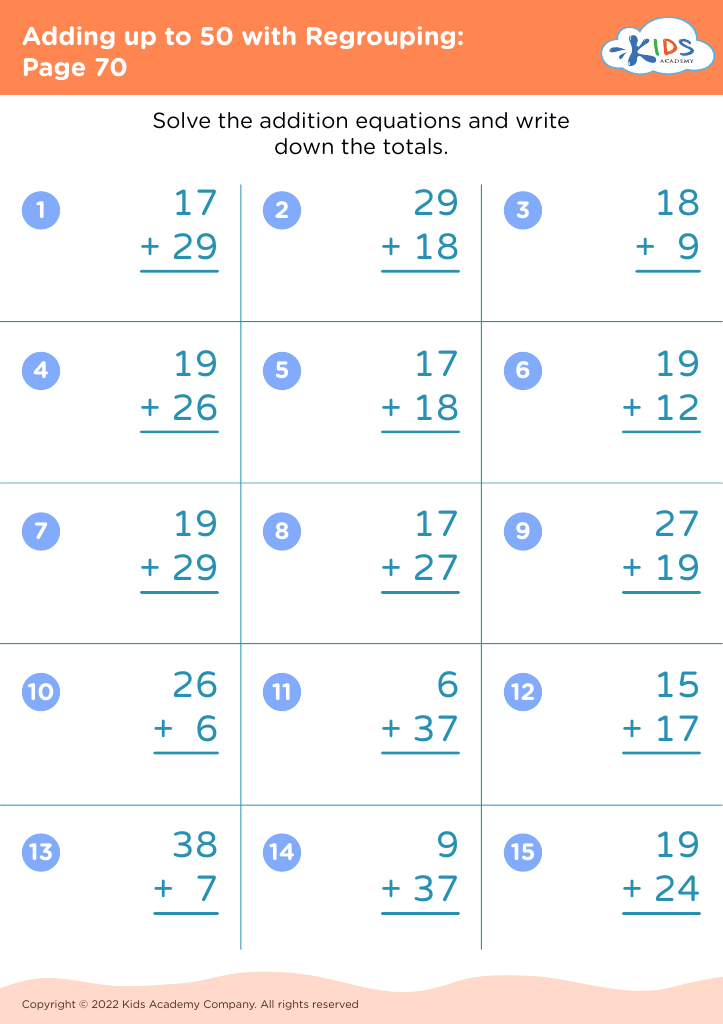
Adding up to 50 with Regrouping: Page 70
Worksheet
Light and Sound: Assessment 2 Worksheet

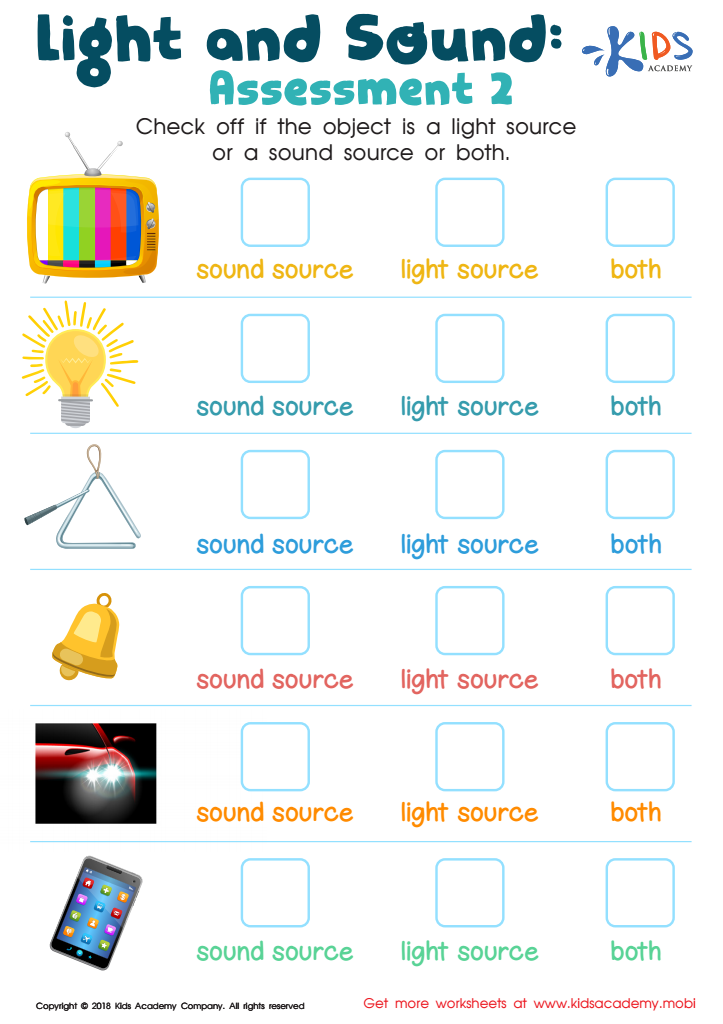
Light and Sound: Assessment 2 Worksheet

This worksheet introduces your kids to light and sound, with common sources of each. Identify the objects and help them check if it's a light source, a sound source, or both. Colourful and simple, it's a great way to teach your little ones! (80 words)
Light and Sound: Assessment 2 Worksheet
Worksheet
Solution Matching: Hobbies. Part 2 Worksheet

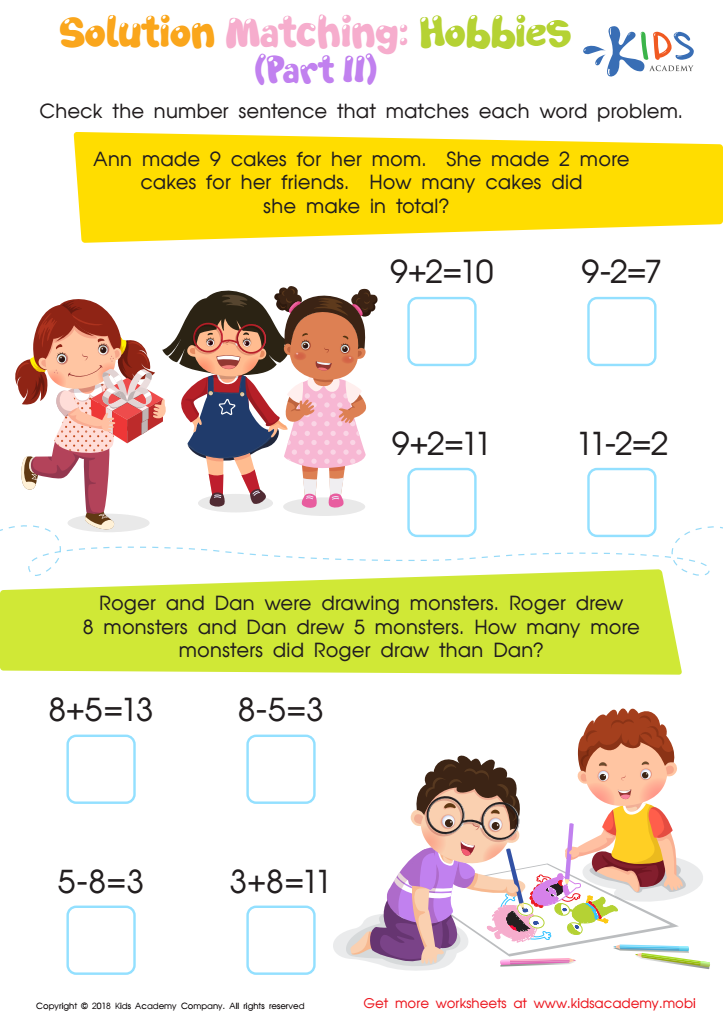
Solution Matching: Hobbies. Part 2 Worksheet

This fun printable worksheet has word problems featuring hobbies your children enjoy! With your child, read through each problem, understanding the numbers and key phrases indicating addition or subtraction. Then, match the correct equation with the solution by checking the box. Math problems are more enjoyable to solve when they’re realistic and engaging!
Solution Matching: Hobbies. Part 2 Worksheet
Worksheet
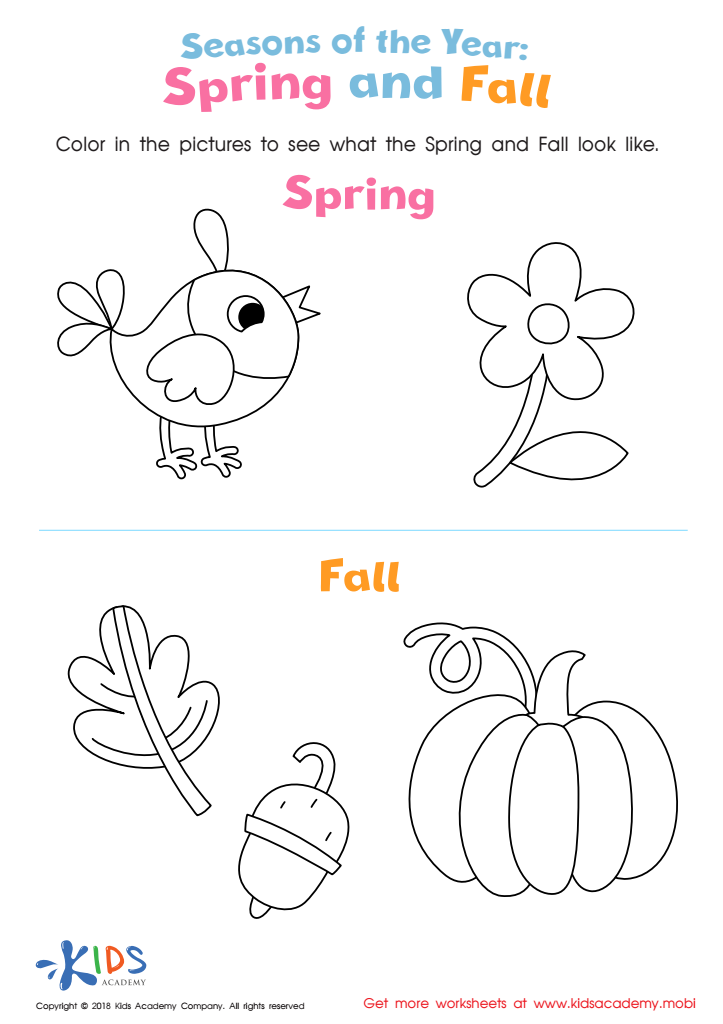
Spring and Fall Worksheet

Spring and Fall Worksheet

This coloring sheet is great fun for kids. It features animals, shapes, and asks kids to identify spring and fall. Ask them to name the things in the sheet, and then help choose colors that fit each season. Let their imaginations run wild!
Download (PDF)
Assign to My Students
Spring and Fall Worksheet
Worksheet
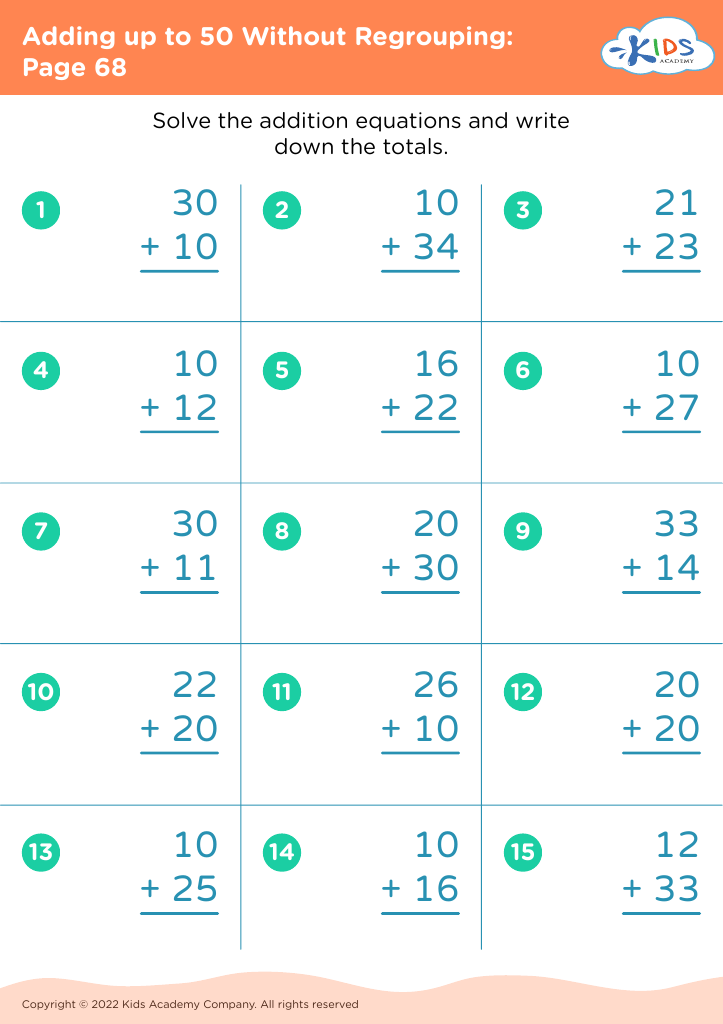
Adding up to 50 Without Regrouping: Page 68
Worksheet


Developing observation skills in children aged 7-8 is crucial, as it forms the cornerstone of their learning and cognitive growth. At this stage, children are naturally curious and eager to explore the world around them. Encouraging their observation skills enhances their ability to notice details, identify patterns, and make connections, which are essential for problem-solving and critical thinking.

For parents and teachers, fostering these skills supports educational success. Strong observation skills improve a child's reading comprehension, by helping them notice nuances in text and illustrations. In subjects like science, observing encourages children to engage in experiments and make insightful discoveries.

Moreover, honing observation skills helps in developing emotional intelligence. Children learn to read social cues and understand their peers' reactions, fostering empathy and effective communication. For safety, keen observation can teach children to be aware of their environment, helping them make better decisions in uncertain situations.

Activities such as nature walks, picture analysis, and sorting games can be fun ways to develop these skills. By integrating observational activities into daily routines, parents and teachers can create a rich, stimulating environment that nurtures a child’s inherent curiosity and lays a strong foundation for lifelong learning.