Developing problem-solving abilities Worksheets for Ages 7-8
9 filtered results
-
From - To
Our "Developing Problem-Solving Abilities Worksheets for Ages 7-8" are expertly designed to enhance critical thinking and analytical skills in young learners. Through engaging activities and age-appropriate challenges, these worksheets foster creativity, logic, and effective problem-solving strategies. Perfect for both classroom and home use, they cover various subjects, from math riddles to reading comprehension puzzles, encouraging children to think independently and approach problems step-by-step. Boost your child's confidence and skills with our comprehensive resources, crafted to make learning enjoyable and enriching. Ready to turn young minds into keen problem-solvers. Download now!
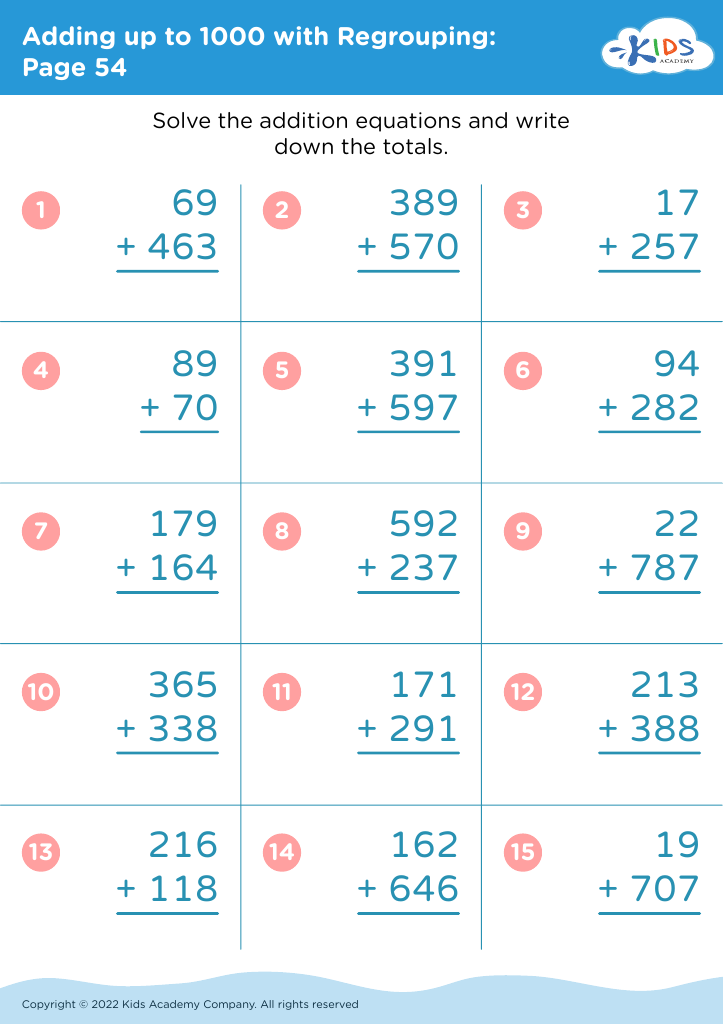
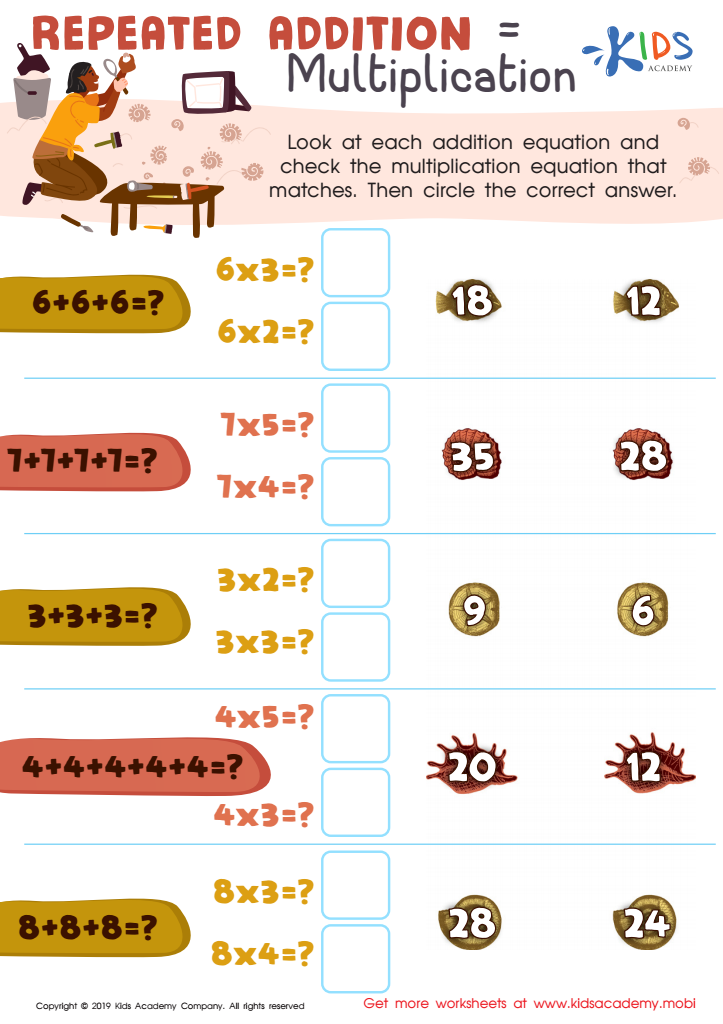
Repeated Addition = Multiplication Worksheet
 Assign to My Students
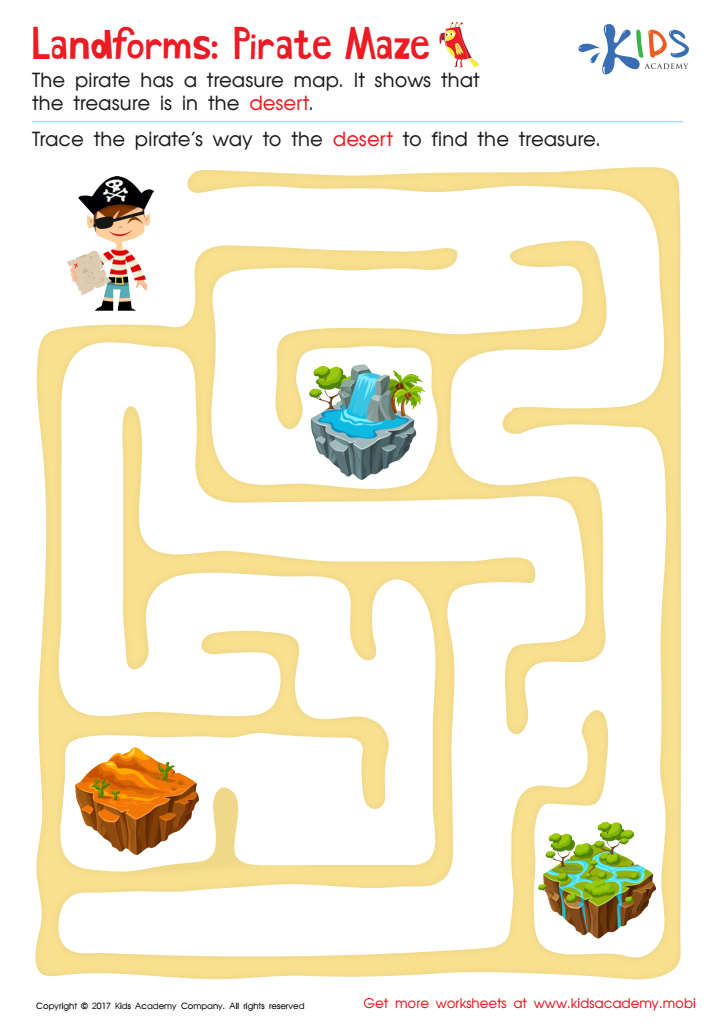
Landforms: Pirate Maze Printable
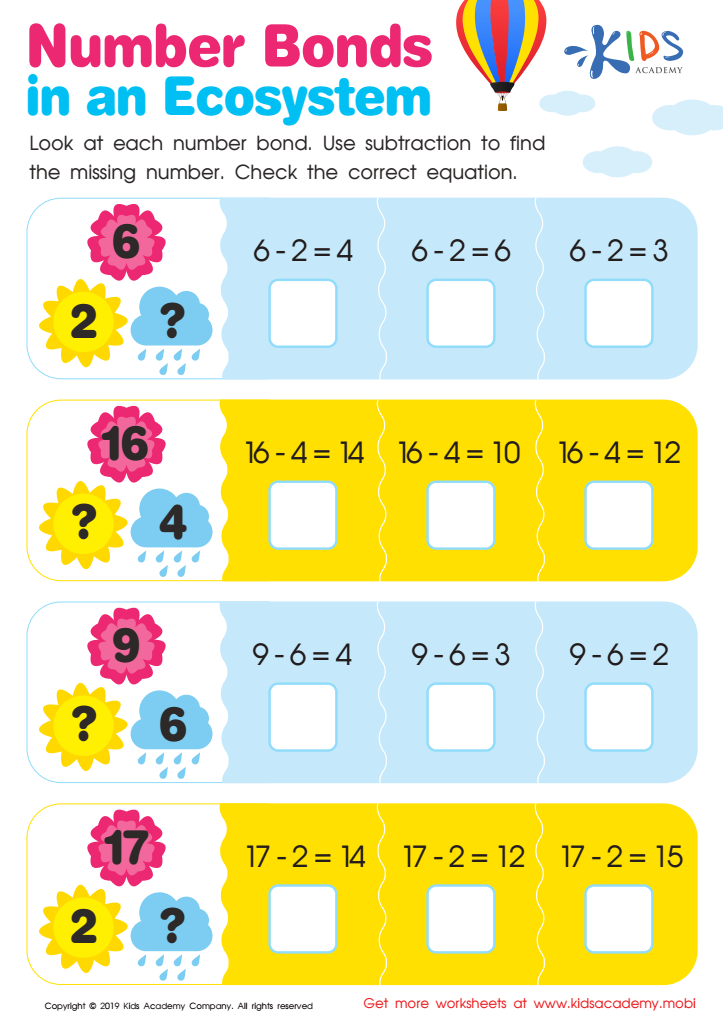
Number Bonds in an Ecosystem Worksheet
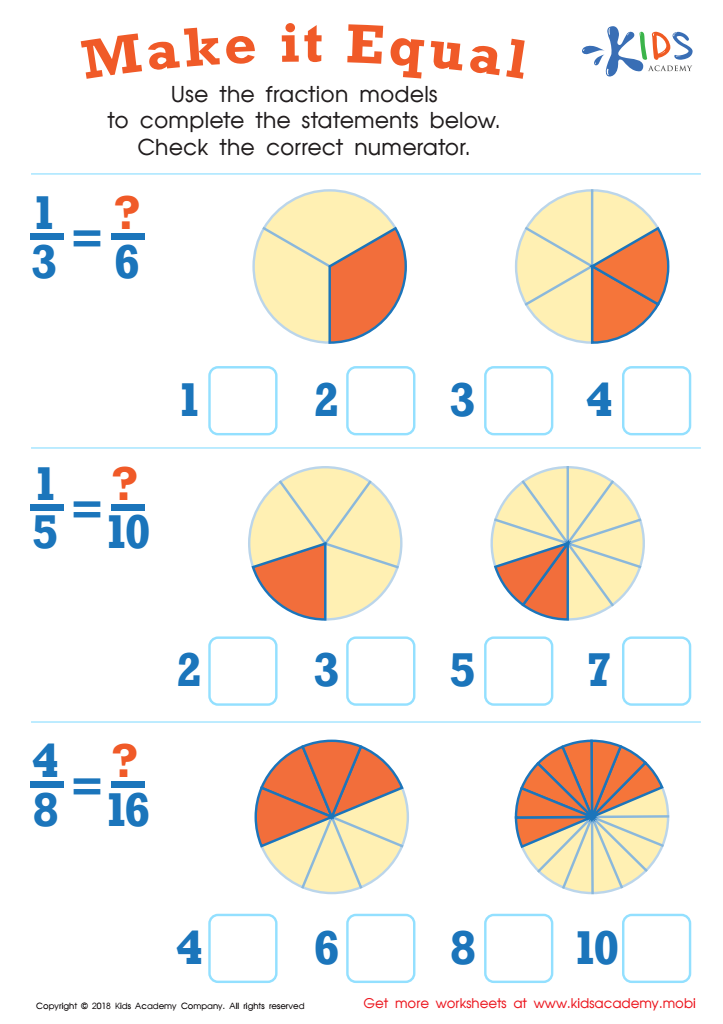
Make It Equal Worksheet
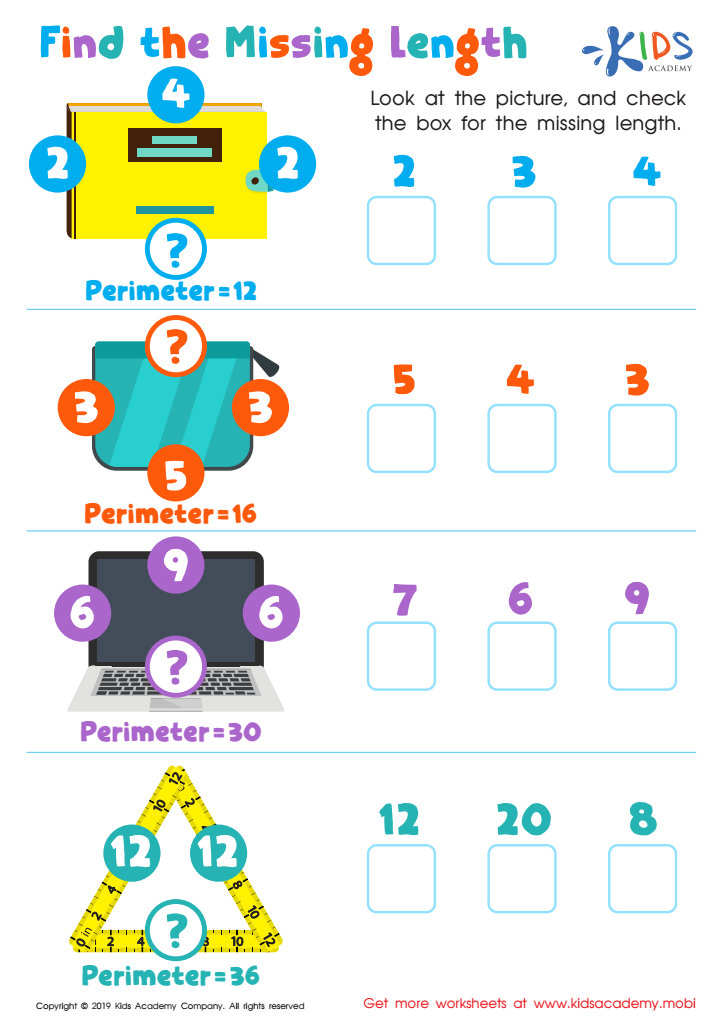
Find the Missing Length Worksheet
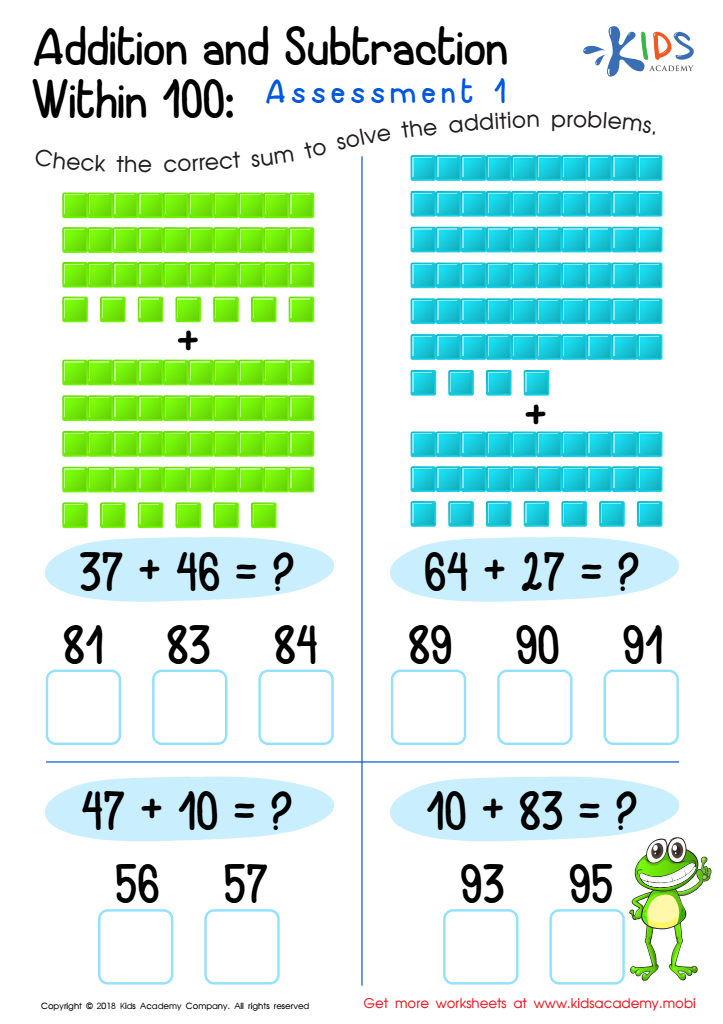
Addition and Subtraction Within 1: Assessment 1 Worksheet
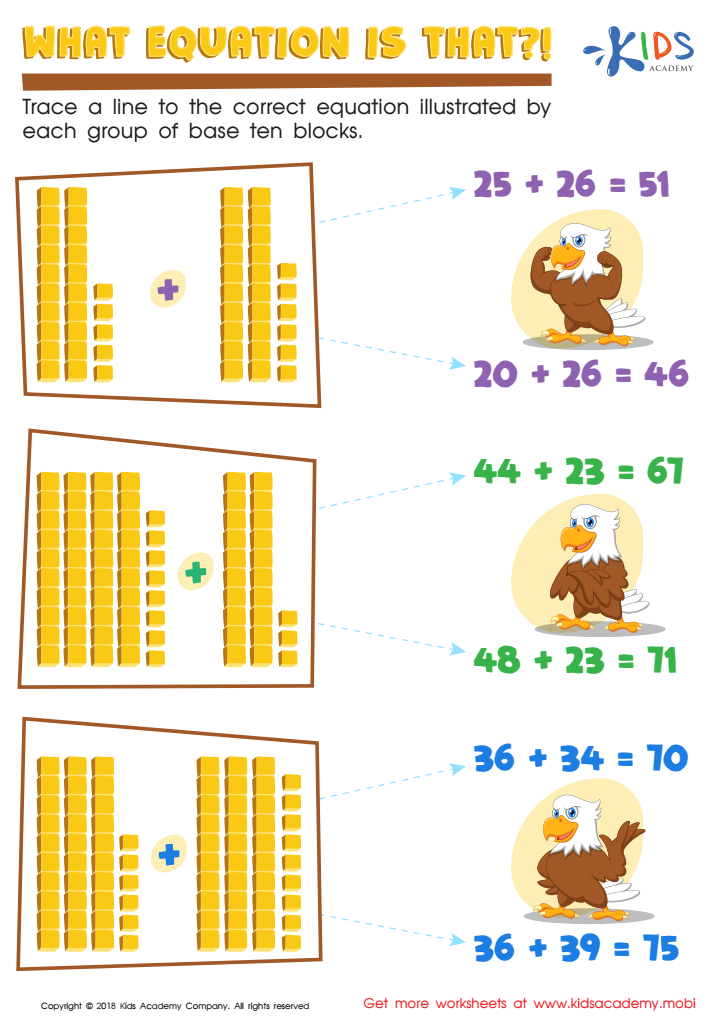
What Equation Is That? Worksheet







Developing problem-solving abilities in children aged 7-8 is crucial for their overall cognitive and social development. At this stage, kids are highly curious and are rapidly learning how to navigate and make sense of the world around them. Problem-solving skills enable them to think critically, make decisions, and understand the consequences of their actions.
From an educational perspective, problem-solving abilities improve academic performance. Children who can think independently and solve problems are better equipped to tackle subjects like math and science, which require logical reasoning. These skills also help in reading comprehension, as they enable kids to infer meanings and predict outcomes.
Socially, problem-solving skills facilitate better interactions with peers. Children learn to resolve conflicts, understand different perspectives, and compromise, significantly reducing the likelihood of behavioral issues. This emotional intelligence promotes a more harmonious classroom and home environment.
Key life skills such as patience, perseverance, and adaptability stem from effective problem-solving. When children are encouraged to find solutions, they become more resilient and less likely to become discouraged by challenges. Teaching problem-solving early sets a foundation for lifelong learning and success, making it a vital component of early education that parents and teachers should prioritize.








