Developing spatial awareness Worksheets for Ages 7-8
3 filtered results
-
From - To
Welcome to our collection of spatial awareness worksheets designed specifically for ages 7-8! These engaging and interactive resources aim to enhance children's understanding of space, shapes, and spatial relationships. Through a variety of activities, including puzzles, maze navigation, and 2D and 3D shape identification, young learners will strengthen their cognitive skills while having fun. Our worksheets are perfect for enhancing classroom learning or supplementing at-home education. Each activity is crafted to capture children's interest and facilitate skill development in an enjoyable way. Unlock your child's potential today with our expertly designed spatial awareness worksheets!
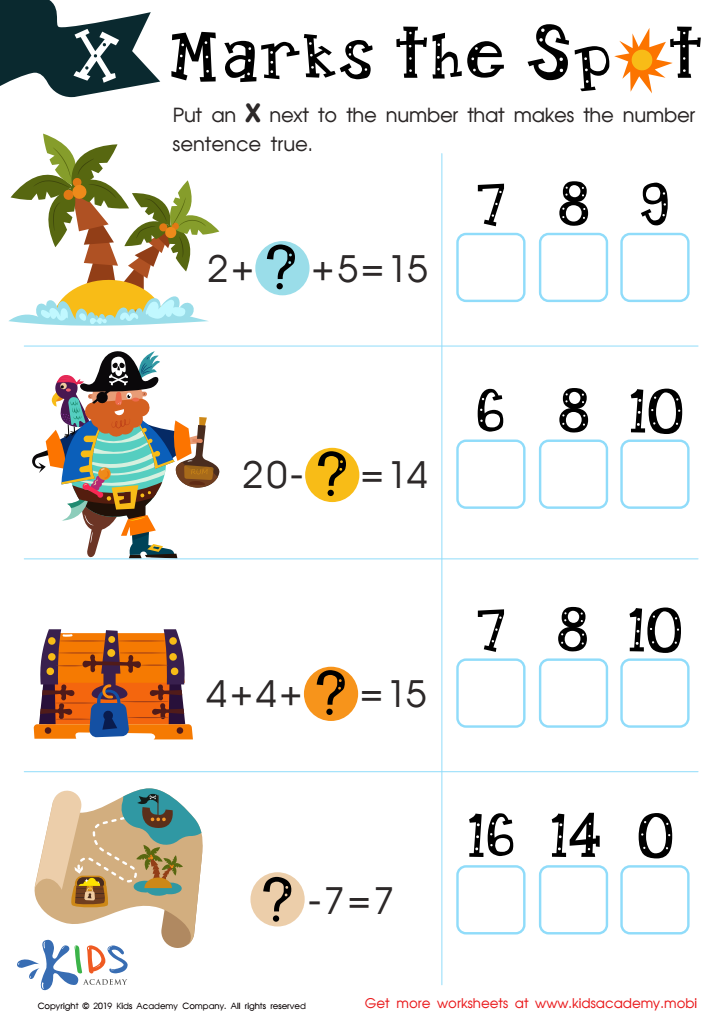
X Marks the Spot Worksheet
 Assign to My Students
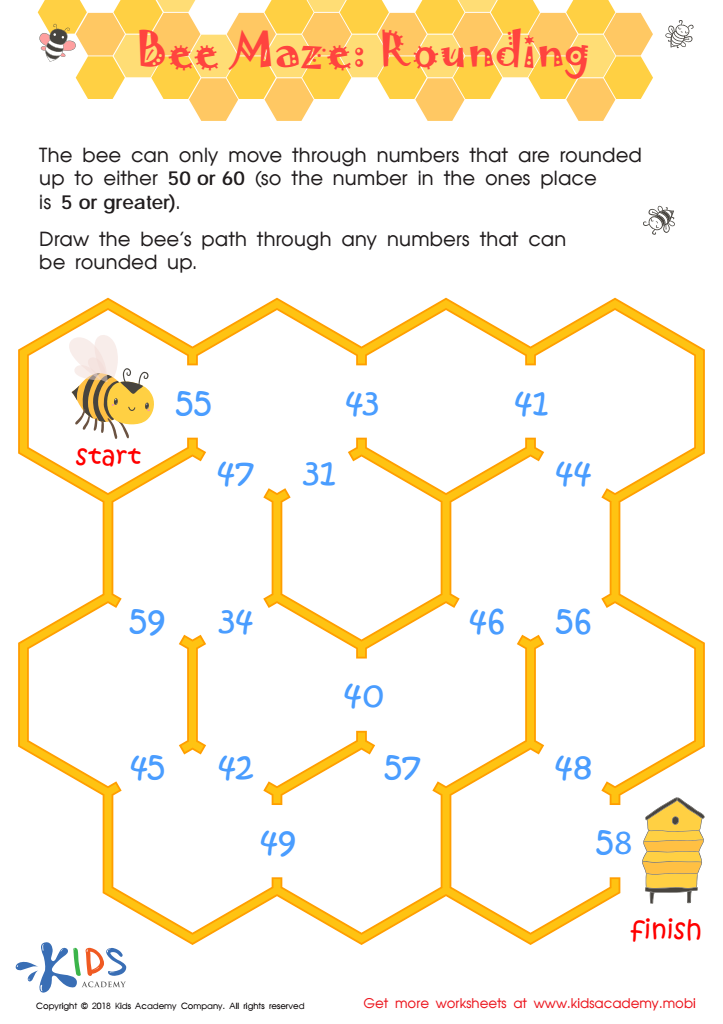
Bee Maze Rounding Worksheet
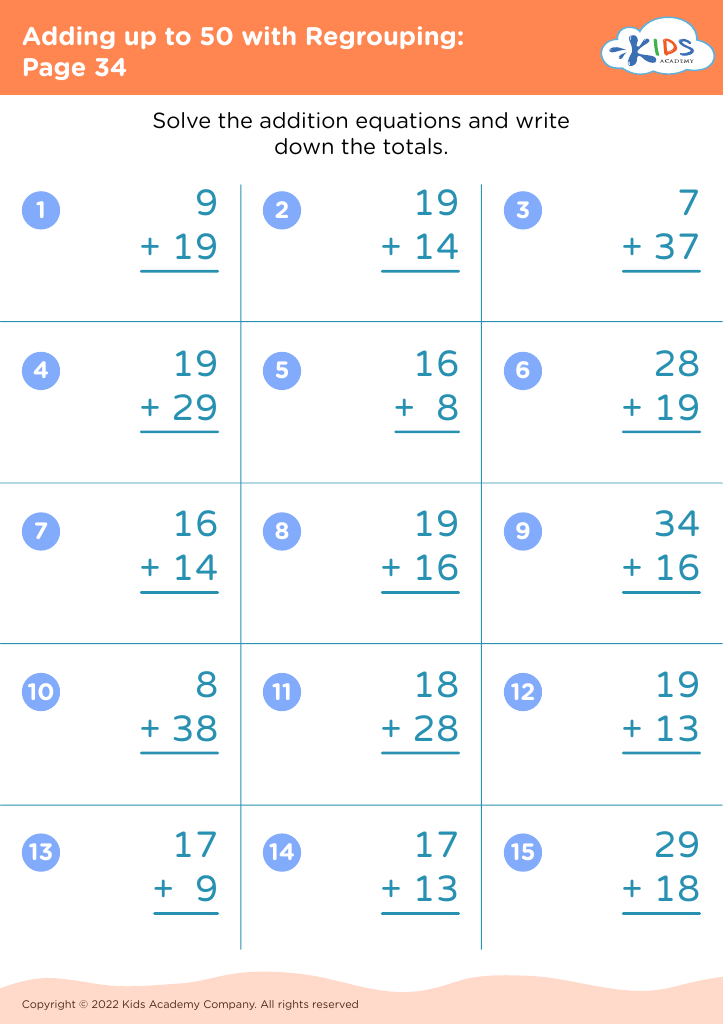







Developing spatial awareness in children aged 7-8 is essential for their overall cognitive development and everyday functioning. At this age, children are beginning to refine their understanding of space and how objects exist and relate within it. This skills significantly influence their abilities in mathematics, science, and language arts, where an understanding of shapes, areas, and distances is critical. Improved spatial awareness also enhances visual-motor coordination, which is important for activities like writing and sports.
Furthermore, spatial awareness contributes to problem-solving abilities. Children learn how to maneuver objects in their environment, which informs their ability to think critically and creatively. This aspect of their cognitive development is increasingly relevant as technology, such as video games and architecture, requires kids to visualize beyond basic shapes and dimensions.
Additionally, spatial awareness can foster social skills during collaborative play, as children must navigate spaces and communicate effectively with peers. Encouraging activities like puzzles, building blocks, and outdoor games can further aid in this development. By focusing on spatial awareness, parents and teachers not only build foundational skills for future learning but also enhance children's confidence and independence in exploring their surroundings.








