Enhance observation skills Worksheets for Ages 7-8
3 filtered results
-
From - To
Unlock your child's potential with our "Enhance Observation Skills Worksheets for Ages 7-8." Perfectly designed to sharpen young minds, these engaging worksheets help children develop essential observation skills through fun and interactive activities. Each worksheet features colorful graphics, thought-provoking exercises, and age-appropriate challenges aimed at enhancing attention to detail and critical thinking. With a focus on improving visual perception and concentration, these resources are ideal for both classroom and at-home learning. Give your 7-8-year-old the tools to become a keen observer and attentive learner with our expertly crafted worksheets at Kids Academy.
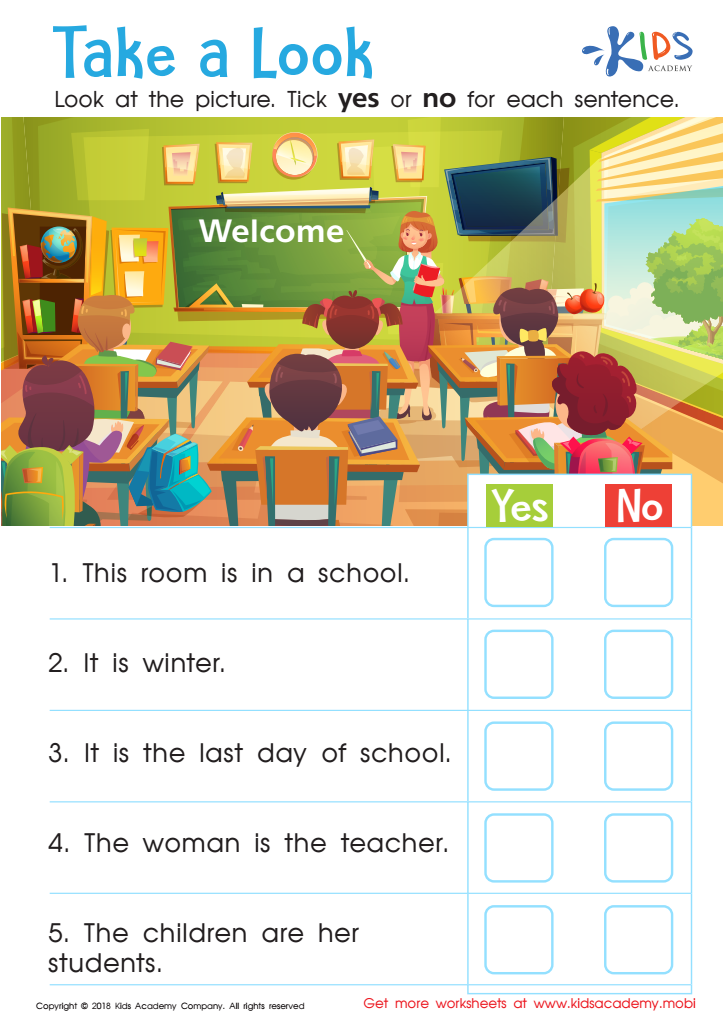
Take a Look - Part 2 Worksheet
 Assign to My Students
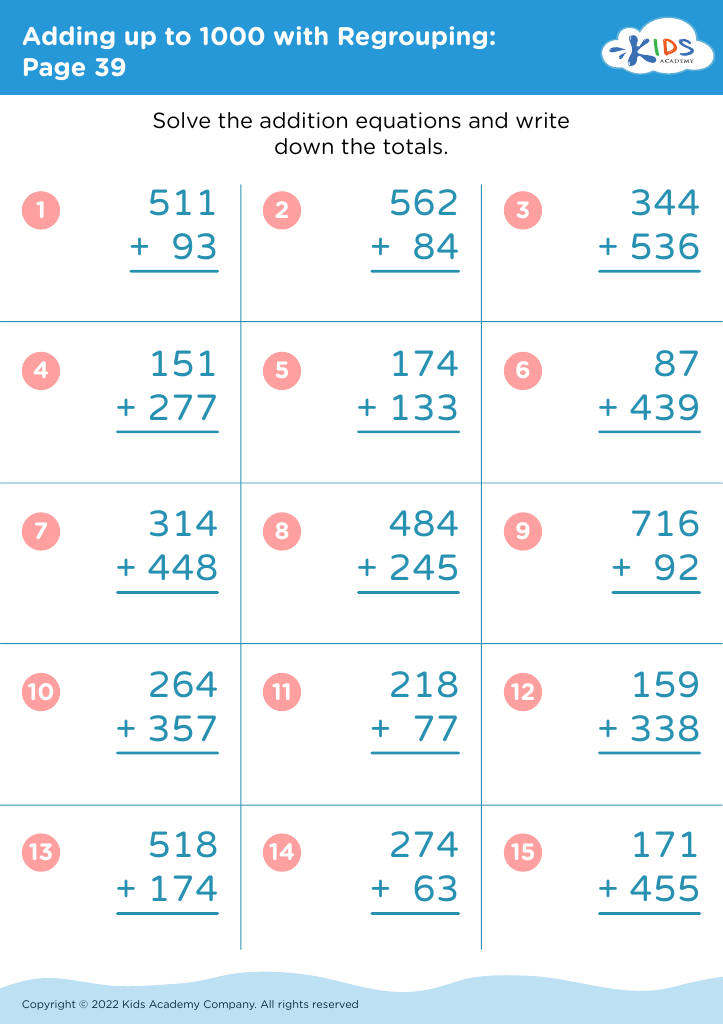
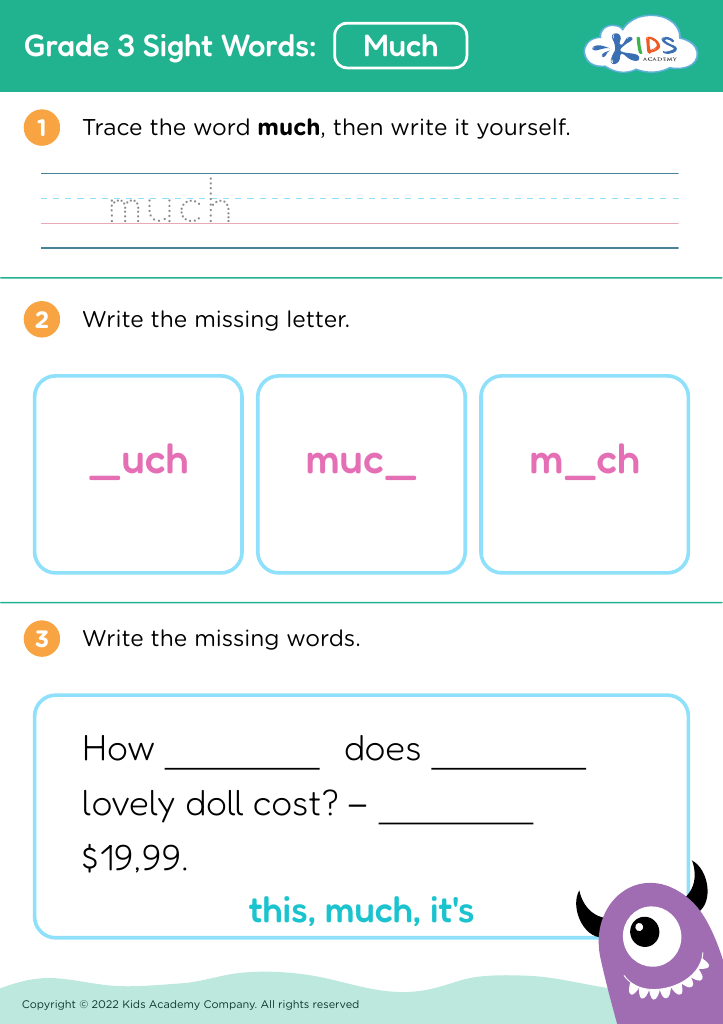








Enhanced observation skills are crucial for children aged 7-8 as they form the foundation for academic success and everyday decision-making. At this developmental stage, kids transition from learning to read to reading to learn, and powerful observation skills sharpen their ability to notice and comprehend details in texts. Improved observation enables children to identify patterns, bolster critical thinking, and draw informed conclusions, enriching their understanding of various subjects such as math, science, and social studies.
Moreover, strong observational abilities boost social intelligence. As children keenly observe interactions and responses, they develop empathy and learn to navigate social situations more effectively. These skills help in making sense of emotions, fostering harmonious relationships with peers and teachers.
From a broader perspective, keen observation enhances creativity and curiosity. By attentively experiencing the world, kids engage in more innovative problem-solving and express their ideas more creatively, whether through art, writing, or play. Encouraging children to observe might involve simple activities like exploring nature, engaging in storytelling sessions, or playing observational games, each contributing significantly to their cognitive and social growth.
Investing in the development of observation skills equips children not only for immediate academic achievements but also for lifelong learning and empathetic living, which are indispensable in our dynamic world.








