Enhance problem-solving Worksheets for Ages 7-8
5 filtered results
-
From - To
Discover our engaging "Enhance Problem-Solving Worksheets" designed specifically for children aged 7-8! These interactive worksheets aim to boost critical thinking and analytical skills through fun puzzles, real-life scenarios, and challenging exercises. Tailored to promote cognitive development, our resources encourage kids to explore various strategies for finding solutions, fostering independence and creativity. Furthermore, the colorful illustrations and age-appropriate challenges make learning enjoyable, ensuring kids remain motivated and engaged. Perfect for teachers, homeschoolers, and parents, these worksheets are easy to integrate into any curriculum, providing valuable practice in essential problem-solving skills. Equip your child with the tools for success and watch them thrive!
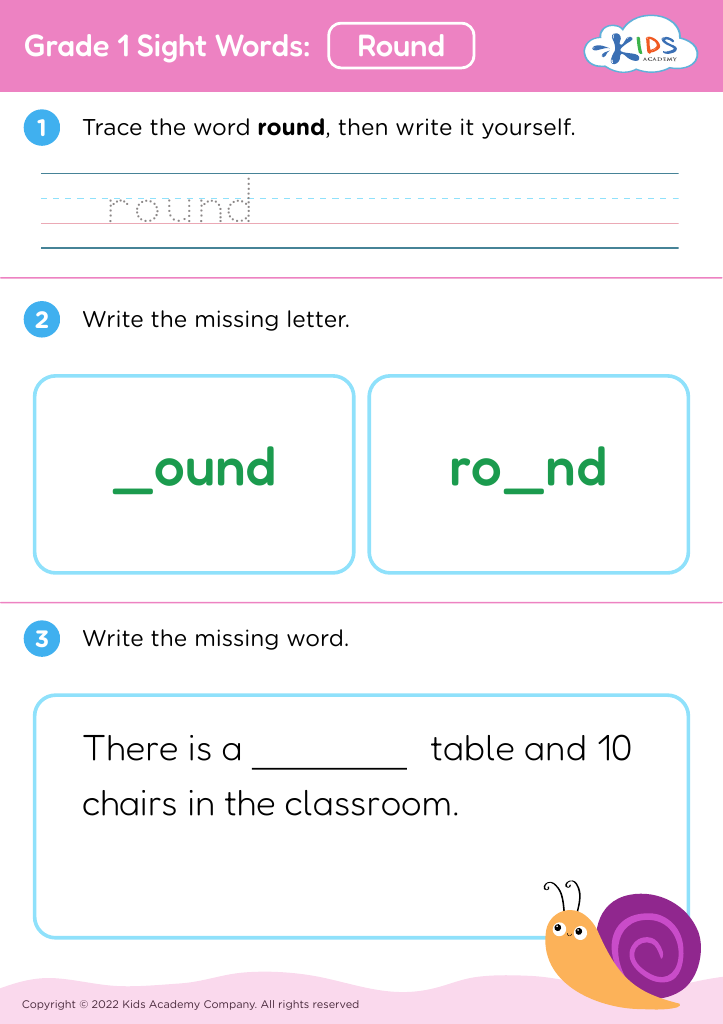







Enhancing problem-solving skills in children aged 7-8 is crucial for several reasons. At this developmental stage, children begin to think more abstractly and critically. Encouraging them to solve problems fosters cognitive development, going beyond rote memorization to engaging in logical reasoning and critical thinking. These foundational skills are vital as they build a child's confidence and resilience in facing everyday challenges.
Moreover, problem-solving activities often involve collaboration and communication, promoting social skills as children learn to work together to find solutions. This collaborative effort also teaches them to appreciate diverse perspectives, fostering empathy and understanding.
In our rapidly changing world, adaptability is key. Strong problem-solving skills equip children to navigate complexities in their future education and careers. This age group is also when they begin formal education, making it an ideal time for teachers and parents to integrate problem-solving into various subjects—such as math, science, and language arts.
Finally, nurturing these skills can lead to lifelong learning habits. By fostering creativity, curiosity, and critical thinking now, parents and teachers can help create a well-rounded individual prepared to tackle the challenges of tomorrow with confidence and ingenuity.








