Geography knowledge Worksheets for Ages 7-8 - Page 2
31 filtered results
-
From - To
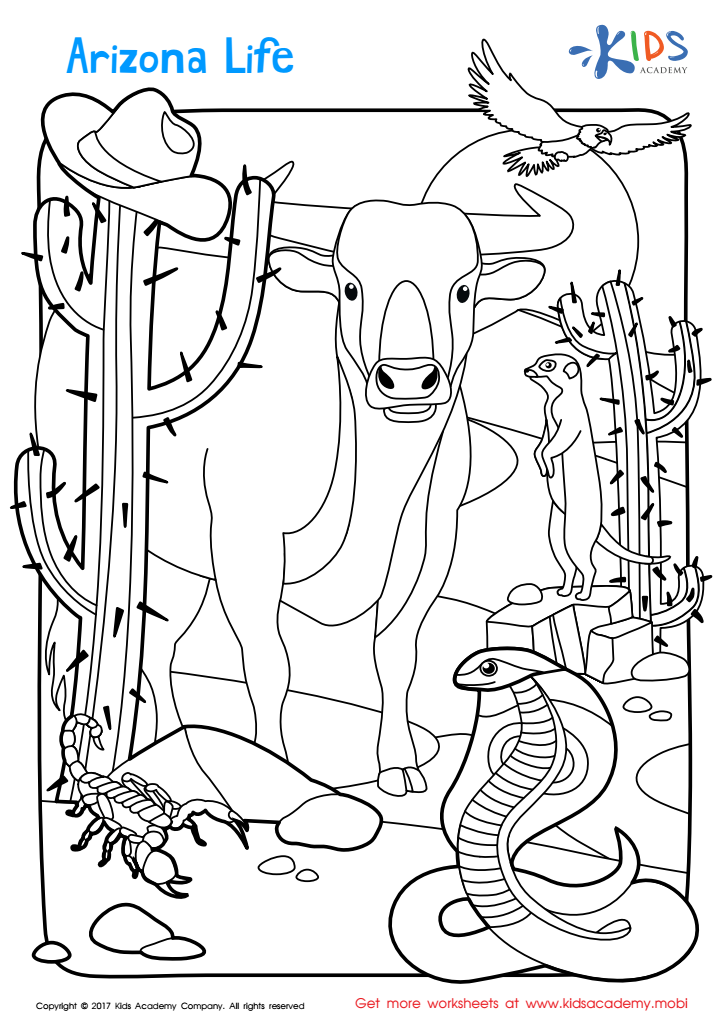
Arizona Coloring Page Worksheet
 Assign to My Students
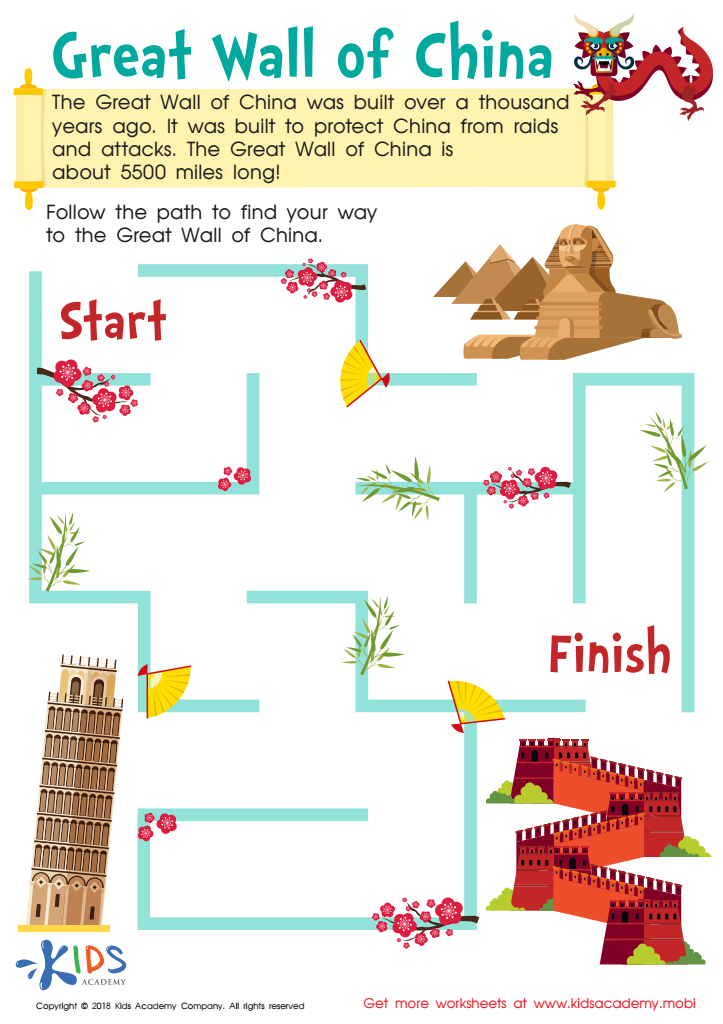
Great Wall of China Worksheet
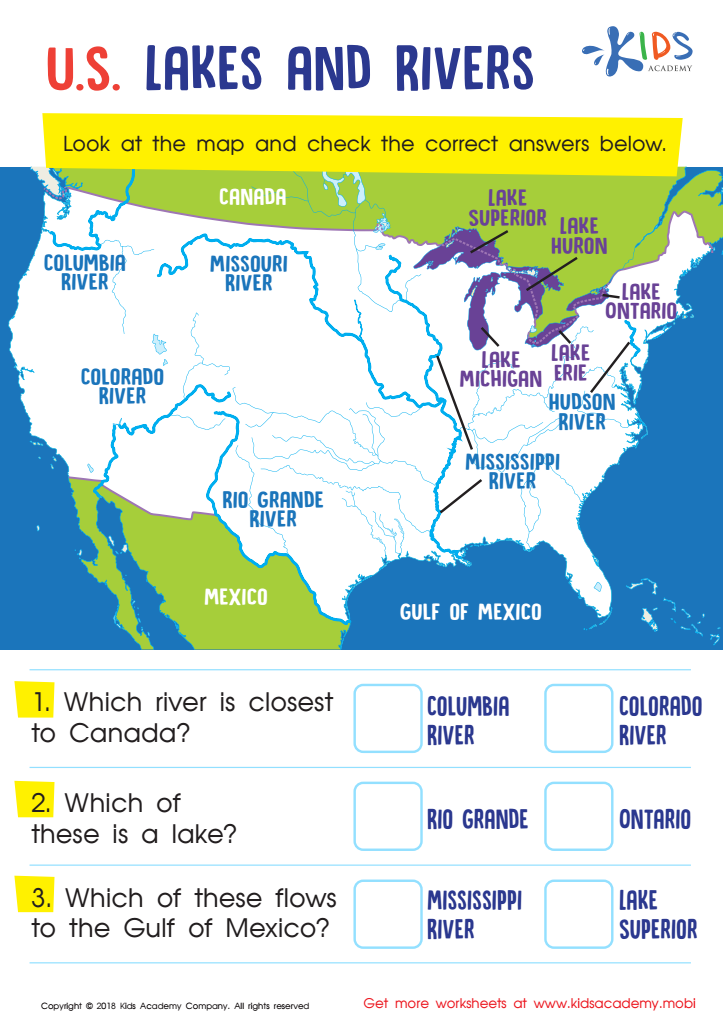
U.S. Lakes and Rivers Worksheet
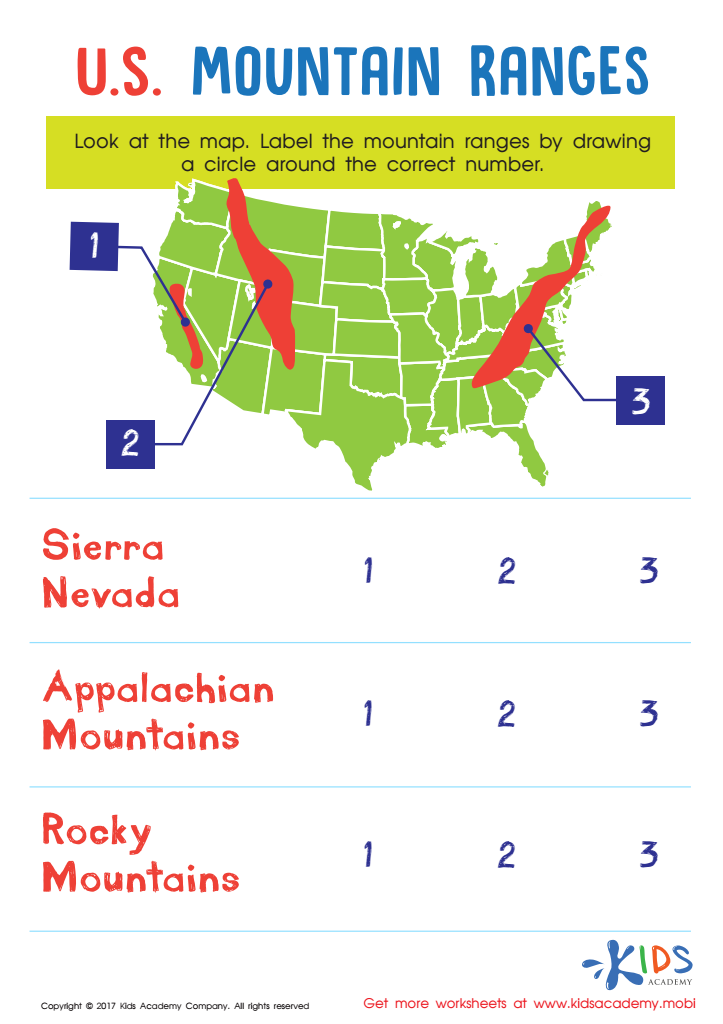
US Mountain Ranges Worksheet
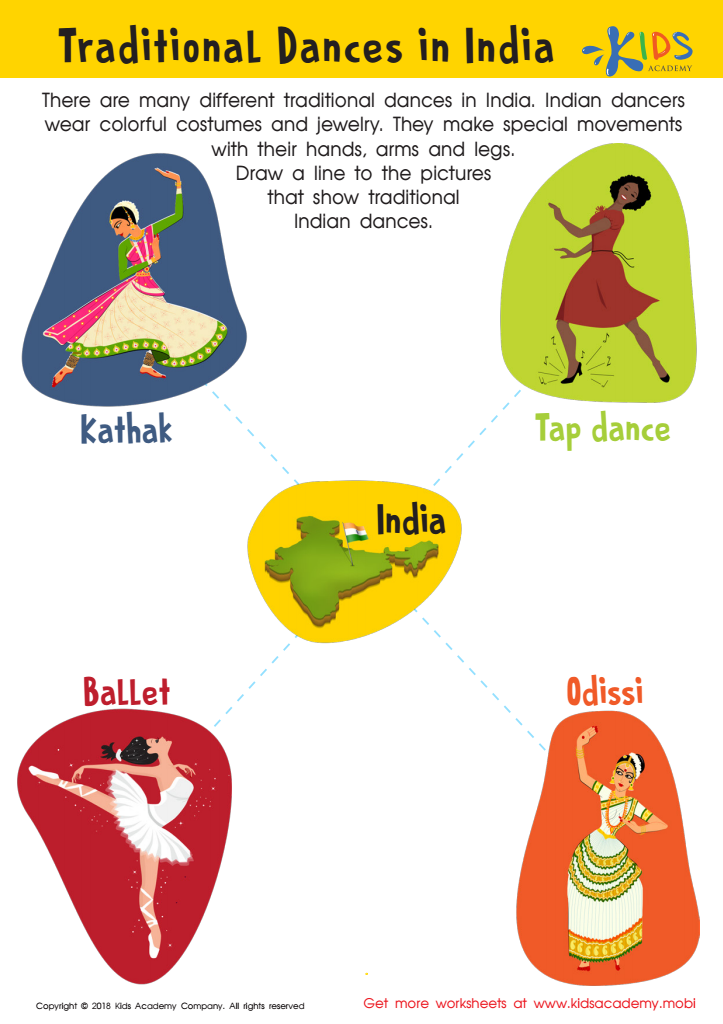
Traditional Dances in India Worksheet
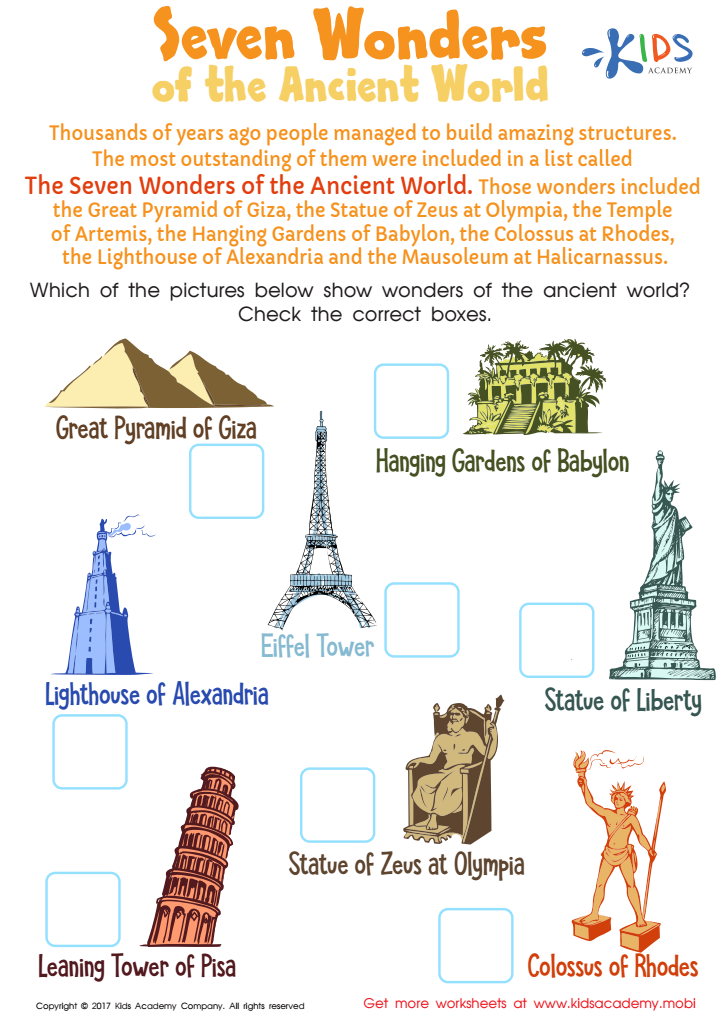
Seven Wonders of the Ancient World Worksheet
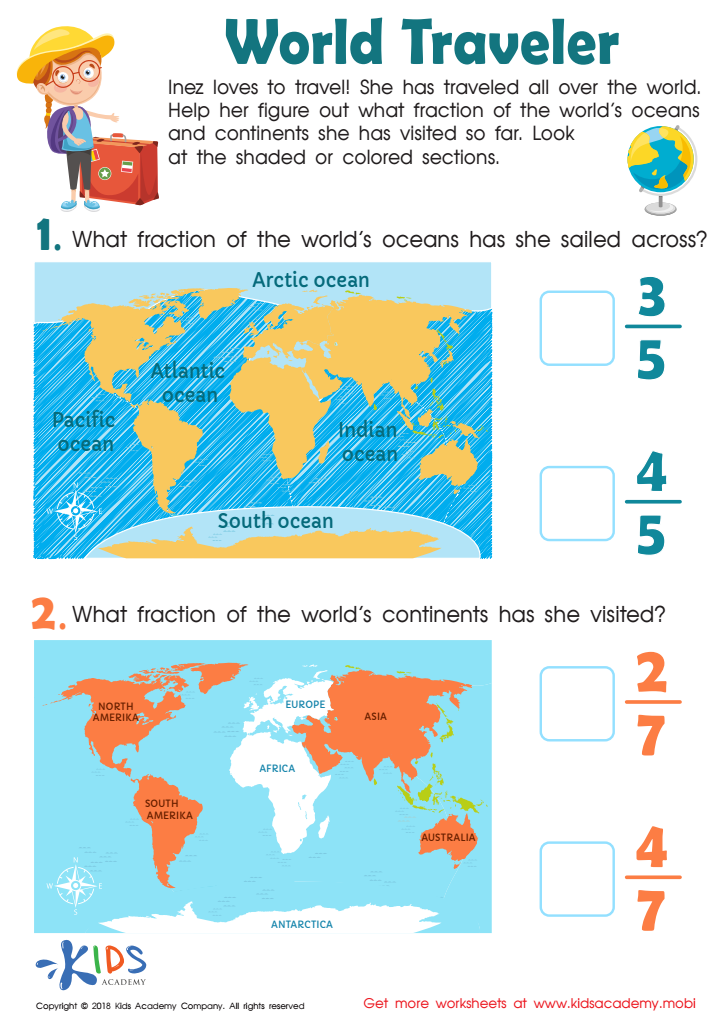
World Traveler Worksheet





Geography knowledge is essential for children aged 7-8 as it lays the foundation for understanding the world around them. At this developmental stage, kids are naturally curious and eager to learn about their environment, making it an optimal time to introduce them to basic geographic concepts. Knowing geography fosters a sense of place and spatial awareness, helping children to comprehend the relationships between different locations, cultures, and environments. It enhances their global awareness, encouraging them to appreciate diversity and understand cultural differences, which is critical in our increasingly interconnected world.
Moreover, geography lessons improve critical thinking and problem-solving skills. By interpreting maps, understanding directions, and recognizing landforms, children develop their cognitive abilities and learn to make informed decisions. These skills are not only vital in academics but also in daily life, as they help children navigate and understand their surroundings more effectively.
Geography also integrates with other subjects such as history, science, and environmental studies, leading to a more holistic educational experience. Understanding geographic context can enrich a child's comprehension of historical events, climates, ecosystems, and even current global issues, fostering an informed, empathetic, and engaged future citizen. For these reasons, parents and teachers should prioritize geography education for young learners.








