Grammar application Worksheets for Ages 7-8
3 filtered results
-
From - To
Explore our engaging Grammar Application Worksheets designed specifically for children ages 7 to 8! These carefully curated activities help young learners grasp essential grammar concepts while making learning fun. From identifying parts of speech to crafting simple sentences, each worksheet encourages critical thinking and language skills development. With colorful illustrations and interactive exercises, kids will enjoy practicing their grammar knowledge at home or in the classroom. Perfect for reinforcing lessons, these printable resources are ideal for teachers and parents alike. Enhance your child’s linguistic abilities today with our comprehensive collection of grammar worksheets!
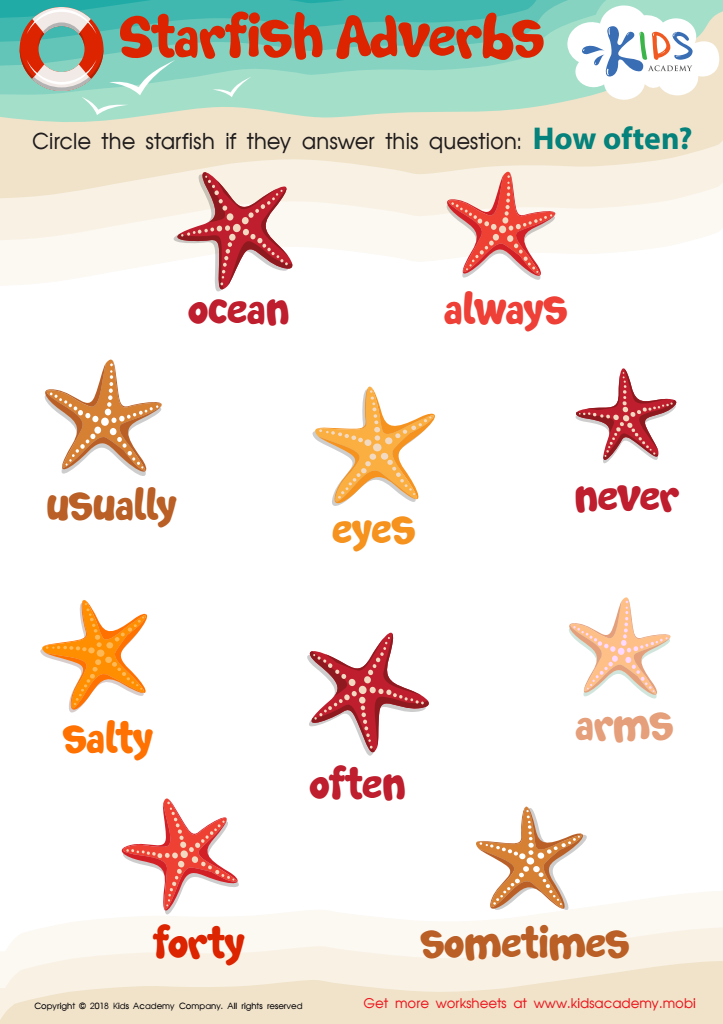
Starfish Adverbs Worksheet
 Assign to My Students
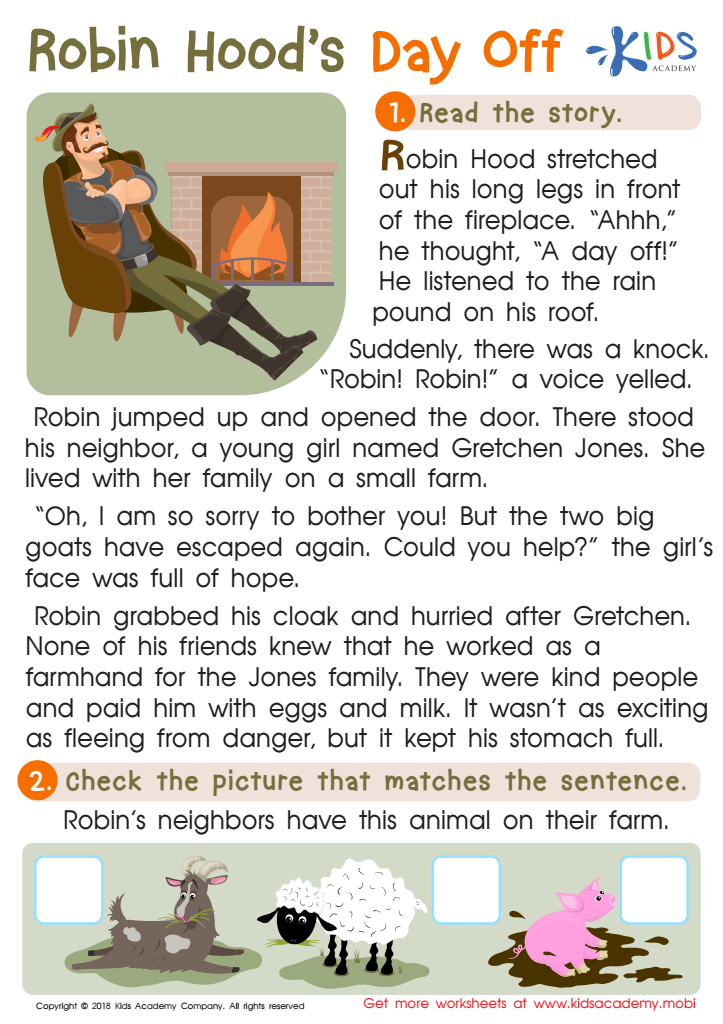
Robin Hood's Day Off Worksheet
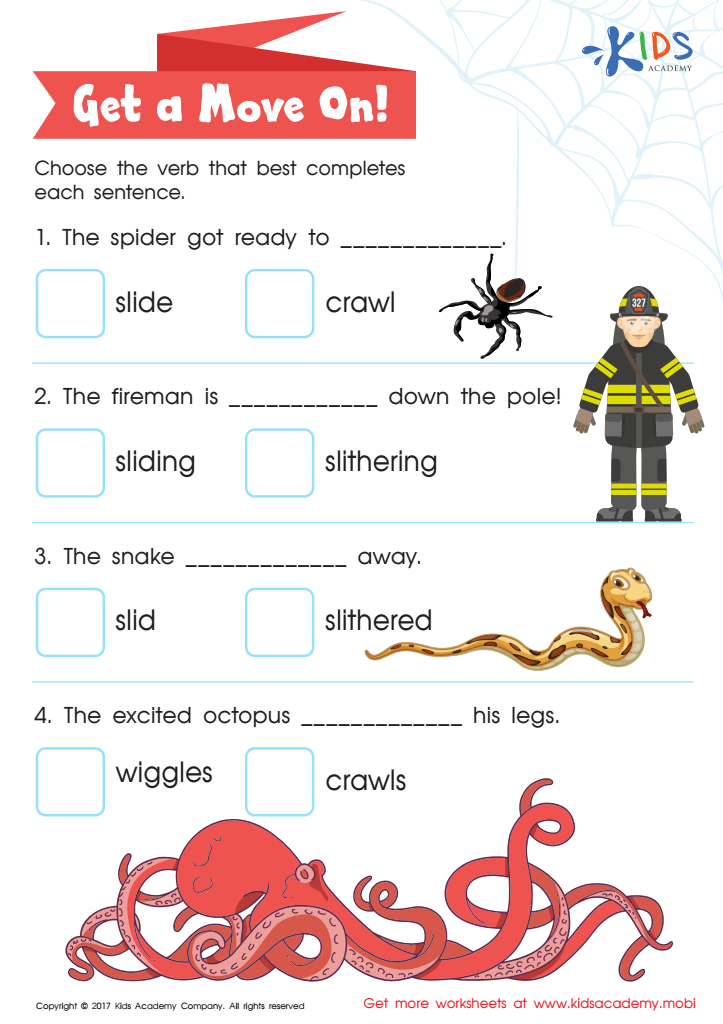
Verb Worksheet




Grammar application is crucial for children aged 7-8 as it lays the foundational skills necessary for effective communication. At this stage, children are transitioning from learning to read to reading to learn. A solid grasp of grammar enhances their reading comprehension, allowing them to understand more complex texts. Furthermore, effective grammar use improves writing skills, fostering clarity and coherence in their thoughts and ideas.
Teachers and parents play a vital role in this developmental phase. By emphasizing the importance of grammar, they help children express themselves accurately, which builds confidence and boosts their academic performance across subjects.
Additionally, good grammar skills contribute to social interactions. Effective spoken and written communication allows children to articulate their feelings, collaborate in group settings, and engage in constructive discussions.
Moreover, early grammar education sets the stage for lifelong language skills, crucial in a world where clear communication is highly valued. Providing engaging and supportive learning environments helps children understand grammar's pragmatic aspects, nurturing a love for language that extends beyond the classroom. Thus, parents and teachers should prioritize grammar application, ensuring that children not only master language mechanics but also appreciate the rich nuances of effective communication.








