
Improve handwriting Worksheets for Ages 7-8
3 filtered results
Difficulty Level
Grade
Age
-
From - To
Subject
Activity
Standards
Enhance your child's handwriting skills with our engaging worksheets designed specifically for ages 7-8. Our Improve Handwriting Worksheets provide a variety of fun and effective activities that help children practice letter formation, spacing, and overall penmanship. Each worksheet is thoughtfully crafted to boost their confidence and fluency in writing, making it an enjoyable learning experience. With colorful illustrations and playful exercises, your child will have the opportunity to trace, practice, and perfect their handwriting abilities. Encourage neat writing and support their academic journey with our comprehensive resources. Start improving handwriting today and watch your child's skills flourish!
Favorites
With answer key
Interactive
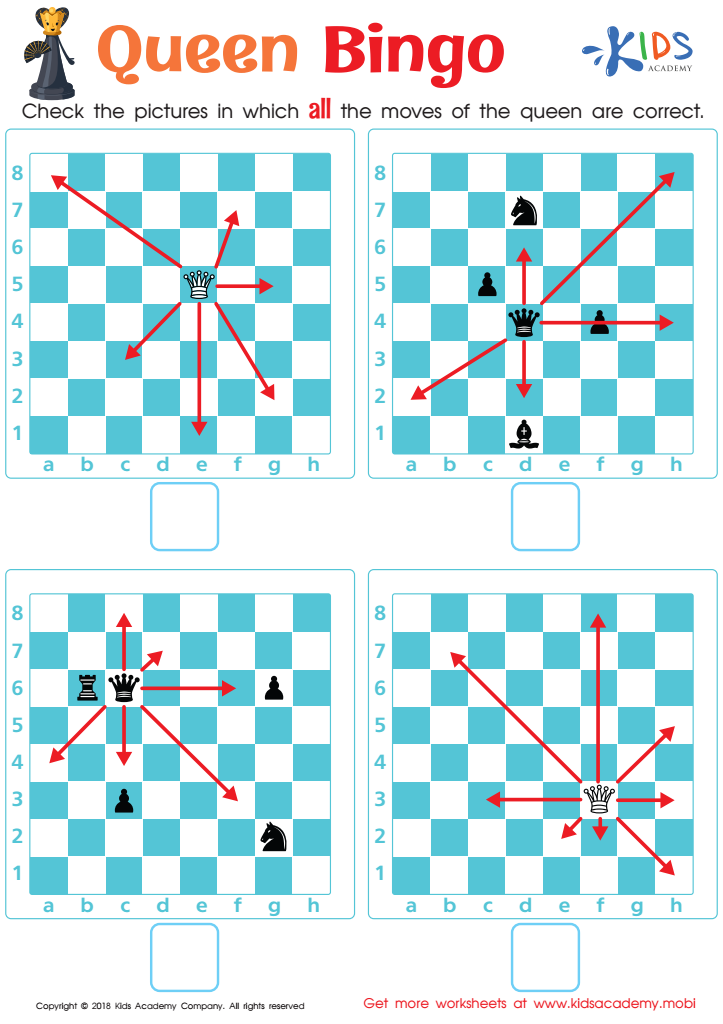
Queen Bingo Worksheet
Test your child's knowledge of chess rules and moves with this free worksheet! Kids look at four pictures and must decide if the queen moves are correct. This exercise helps hone your little one's chess skills!
Queen Bingo Worksheet
Worksheet
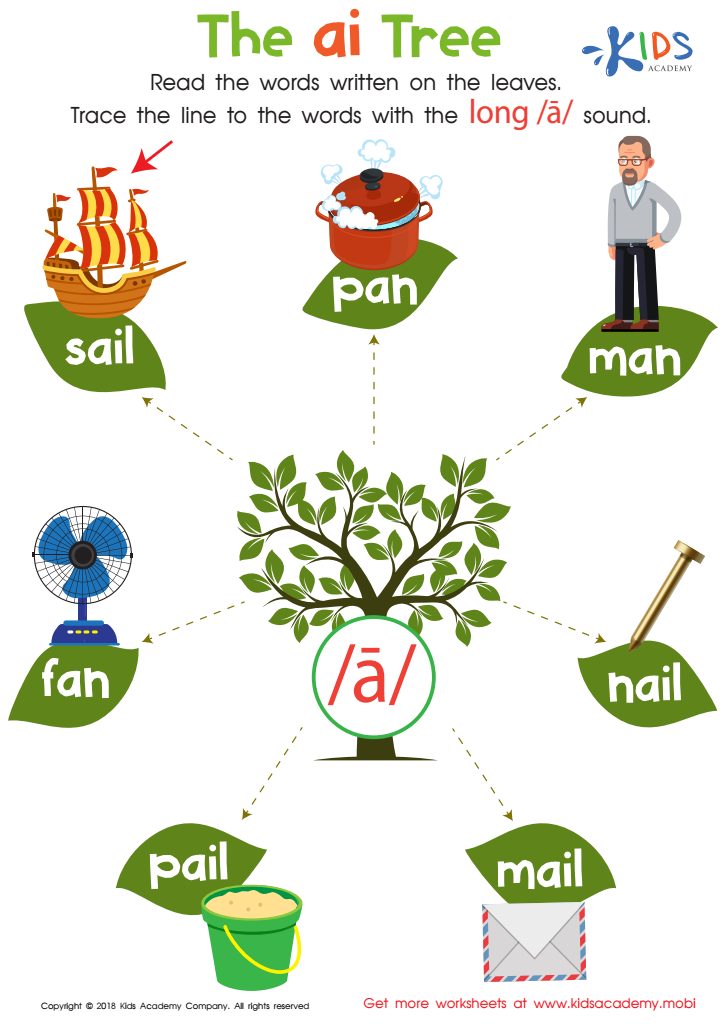
The AI Tree Worksheet
Help your kids learn to read better with this worksheet! Introduce the vowel pair 'ai' and give them familiar examples. Ask them to give you some in return. Then, have them read the words on the leaves and help them trace the ones with the long /a/ sound.
 Assign to My Students
The AI Tree Worksheet
Worksheet
Join Kids Academy for Free
Who is primarily going to use this learning content?






Improving handwriting for children aged 7-8 is crucial because this developmental stage is pivotal for establishing a strong foundation in literacy skills. Good handwriting enhances a child's ability to express ideas clearly and contributes to their overall academic success. As children transition from learning to write to writing to learn, legible handwriting becomes essential for communicating their understanding in subjects such as mathematics, science, and reading comprehension.
Furthermore, neat handwriting promotes confidence; children who take pride in their written work are generally more motivated and engaged. Since children in this age group are often beginning to take assessments that require written responses, developing clear lettering can have a positive impact on their performance and self-esteem.
Beyond academics, improving handwriting encourages fine motor skills development, hand-eye coordination, and cognitive processes. Parents and teachers can also help foster a positive attitude toward writing by incorporating engaging practices, such as the use of fun writing exercises or integrating handwriting into creative activities.
Ultimately, supporting children in improving their handwriting sets helpful habits that can benefit them throughout their educational journey and beyond, making it an essential focus for parents and educators alike.








